
Firebird
Introduced on February 23, 1967, the Pontiac Firebird was Pontiac's F-body performance car, developed on the same basic platform as the Chevrolet Camaro. Its proportions followed the emerging American pony-car formula, but Pontiac gave it a distinct identity through separated grille openings, integrated bumpers, unique trim, and an engine range that extended from an inline-six to large-displacement V8s. The first generation was sold as both a hardtop coupe and a convertible through 1969. Later Firebirds adopted more aerodynamic bodywork, electronic fuel injection, and performance variants such as the Formula, Trans Am, and, in the final era, Firehawk. The documented scope covers the 1967-1997 model years. Its body-style labels and year-specific entries should be read as catalog classifications, since they do not always reproduce Pontiac's complete retail naming system.
What about the car you photographed?
Upload a photo to get a suggested make, model and likely year.
No account needed for the result · Publish only if you choose
Variants by year
Make: Pontiac · Model: Firebird
23 / 23 versions shown
1997

1992

1990

1981

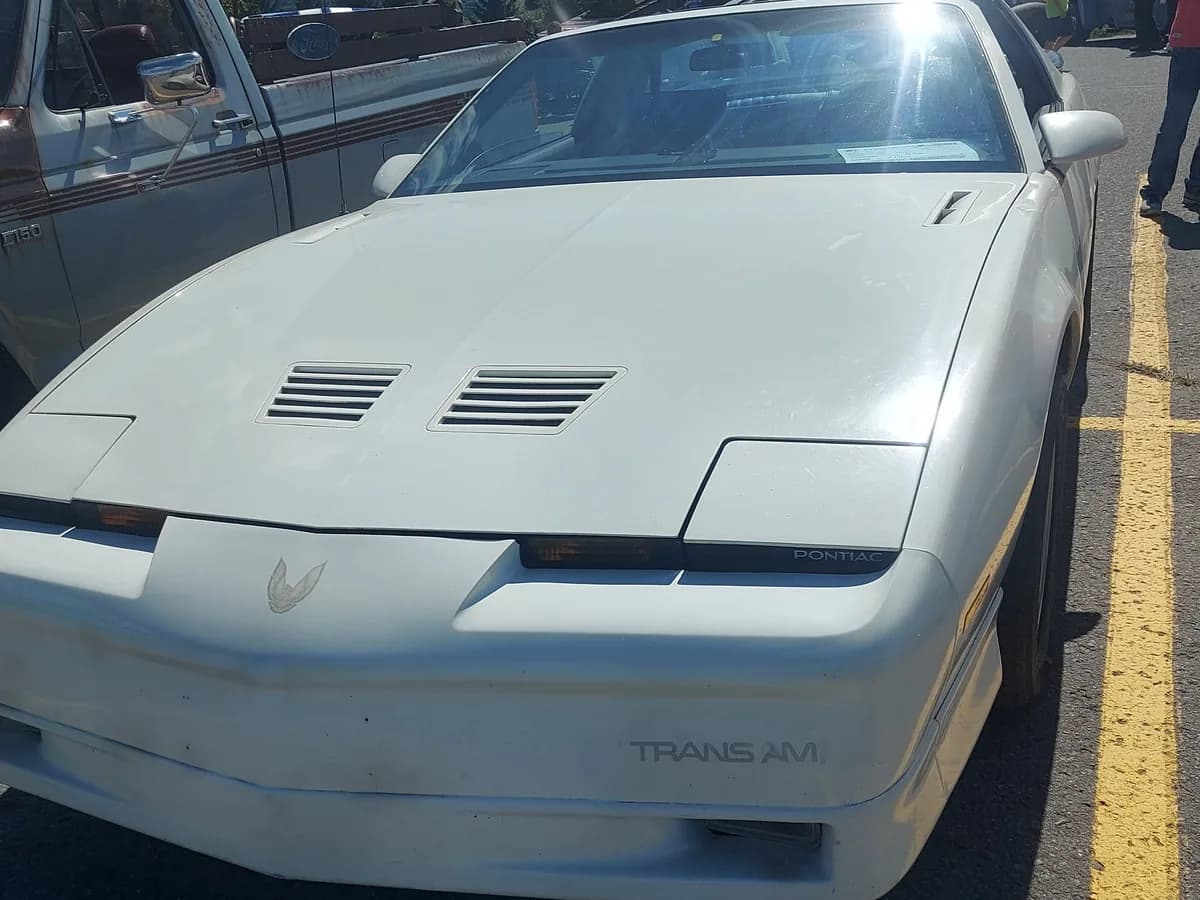
1978
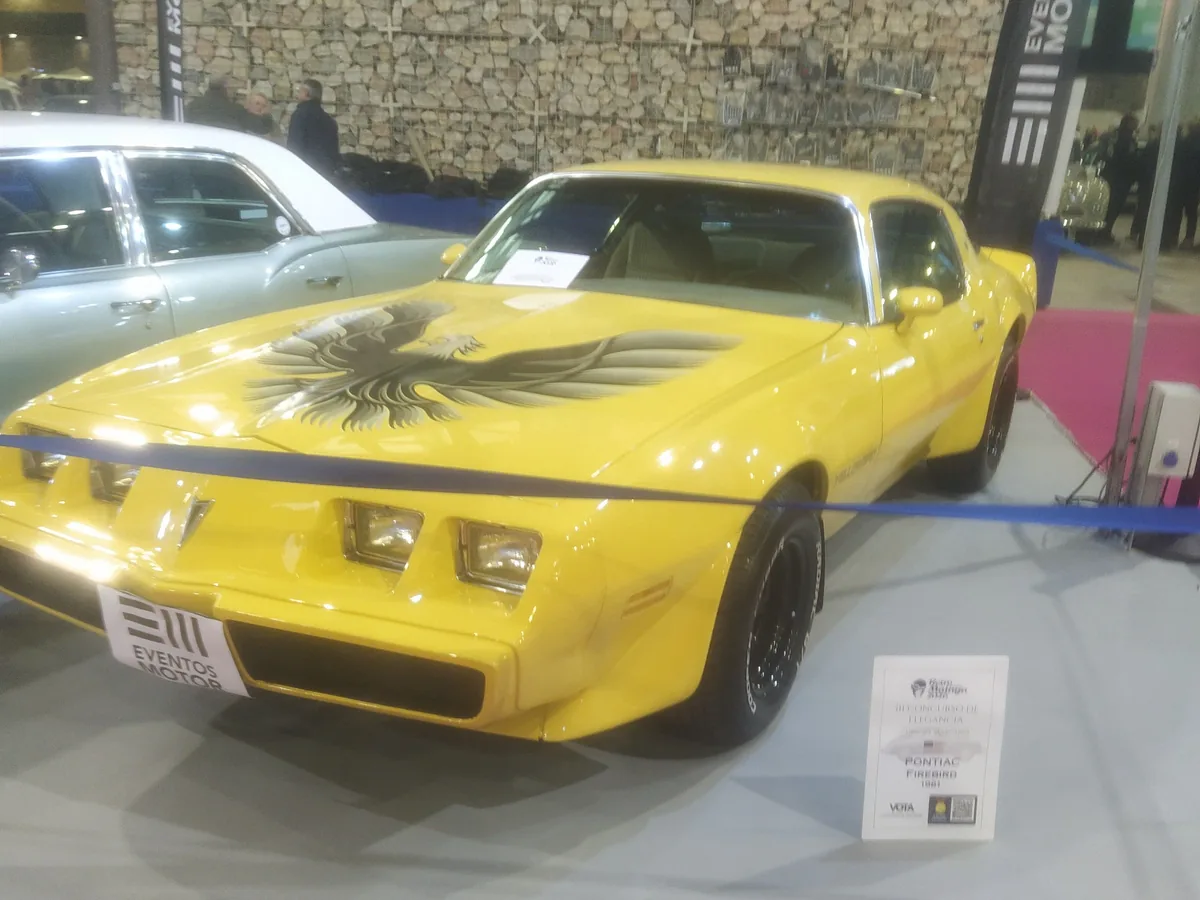
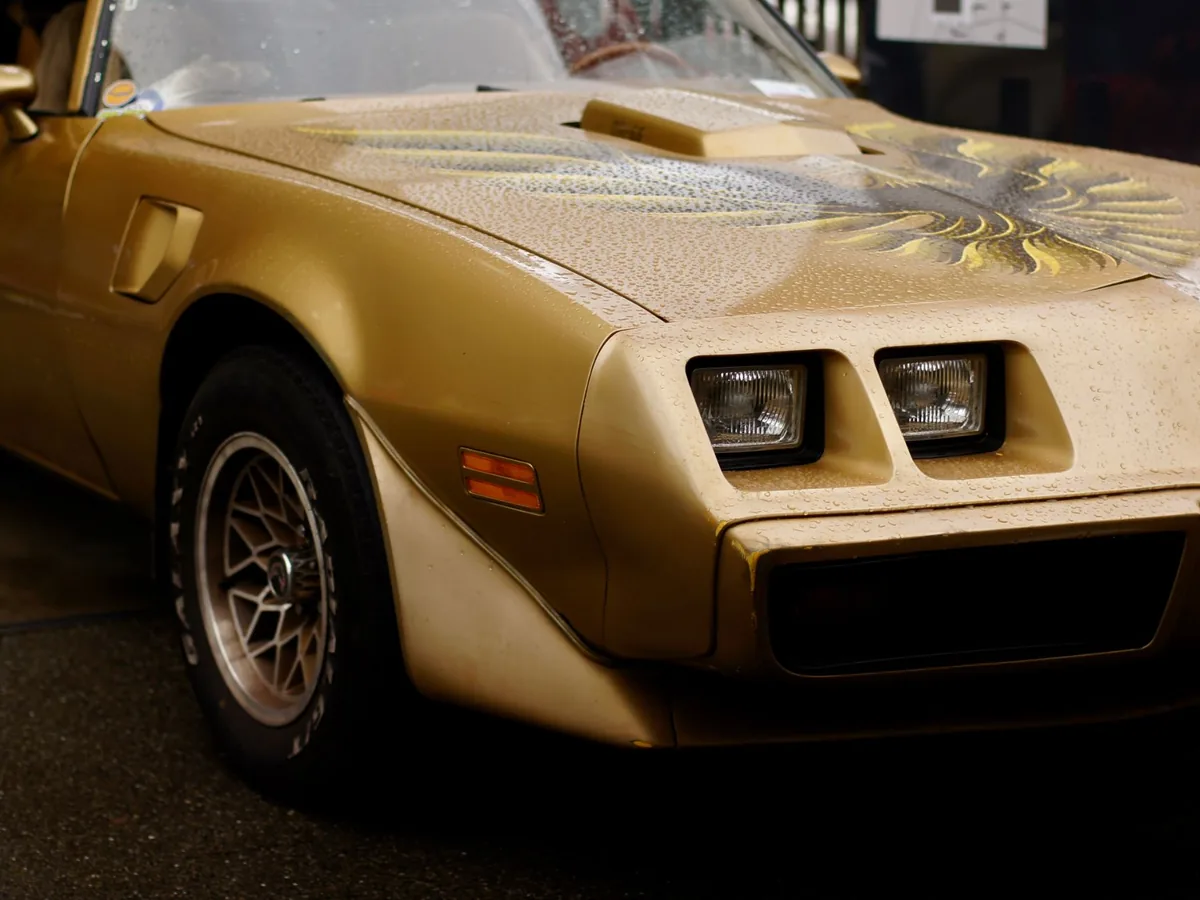
1976
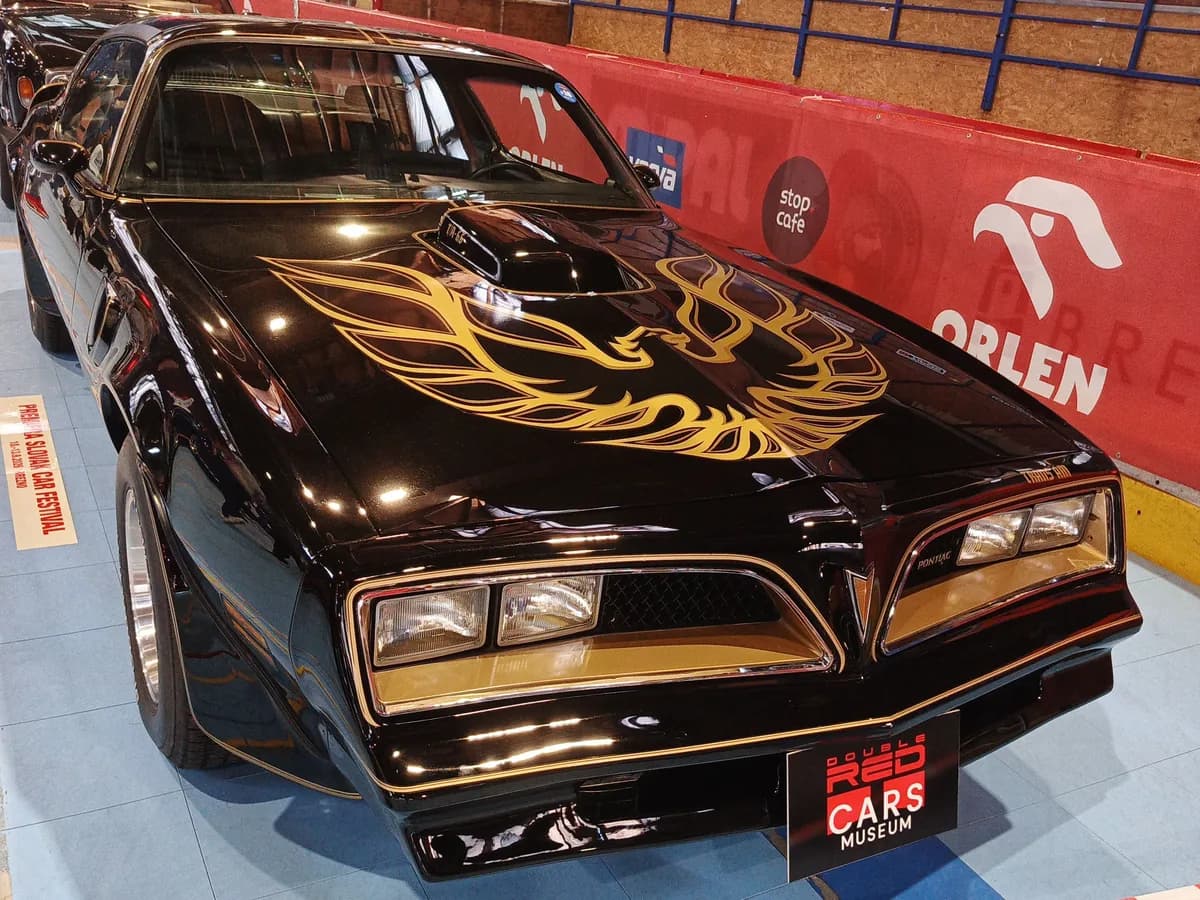
1973

1969
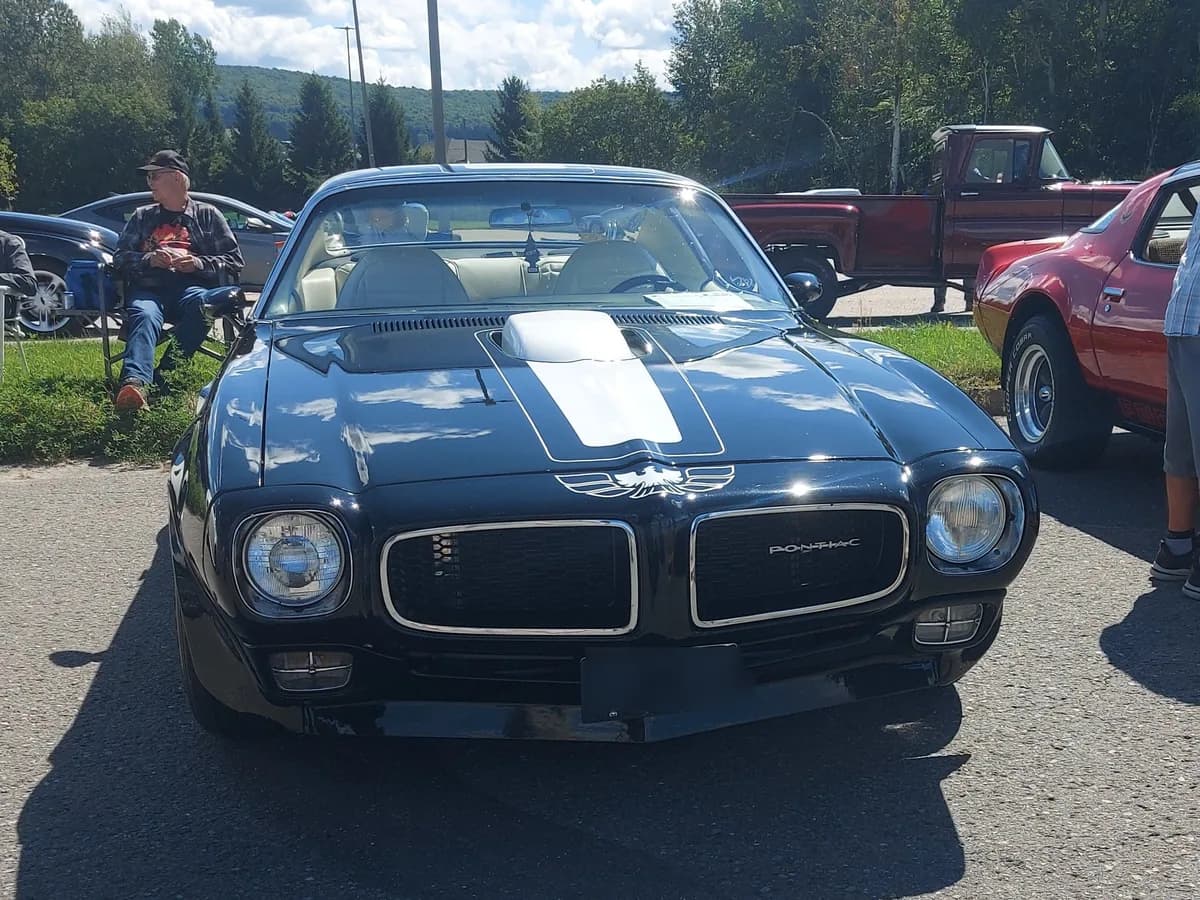

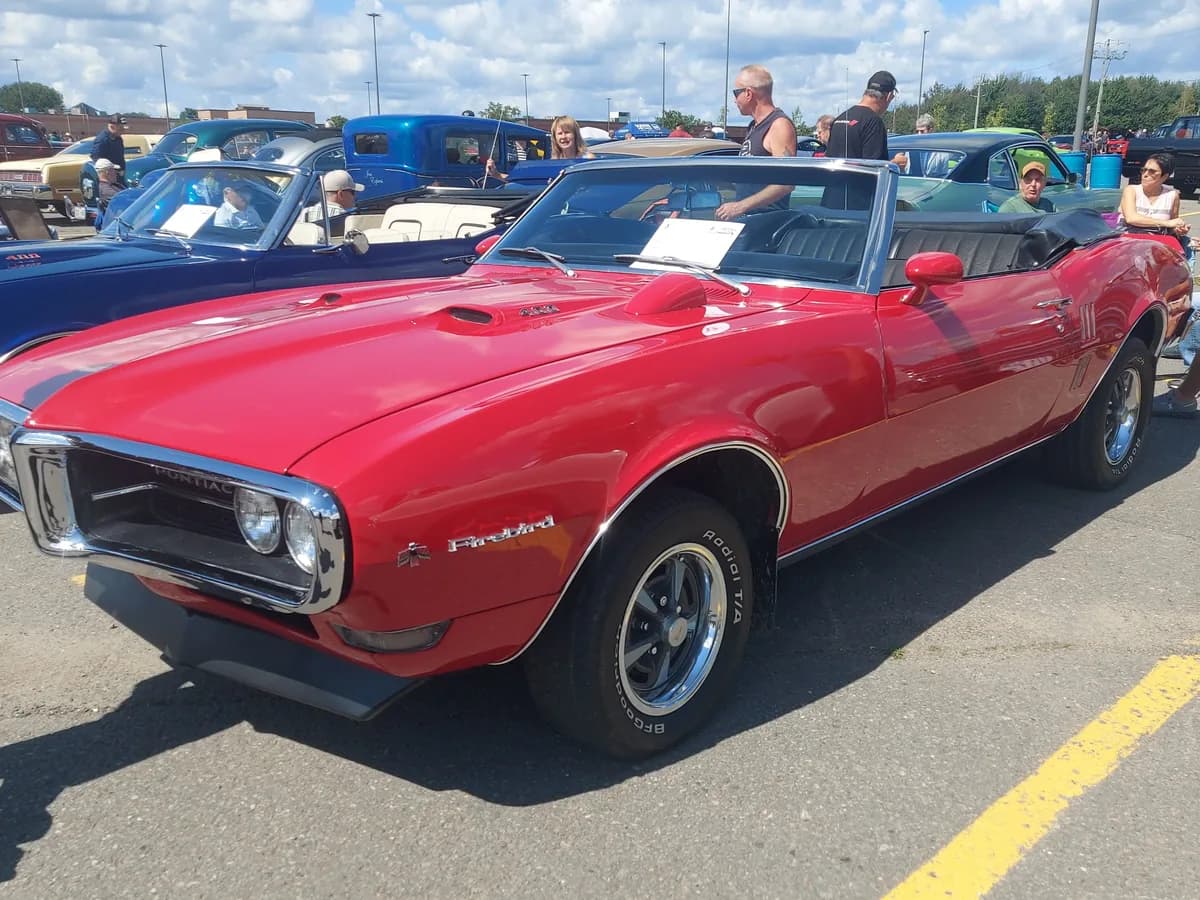
1968
1967
 R
Pontiac Firebird photos
Model summary
Data from the ScanRacer library, organized to compare versions quickly.
Model introduction
Introduced on February 23, 1967, the Pontiac Firebird was Pontiac's F-body performance car, developed on the same basic platform as the Chevrolet Camaro. Its proportions followed the emerging American pony-car formula, but Pontiac gave it a distinct identity through separated grille openings, integrated bumpers, unique trim, and an engine range that extended from an inline-six to large-displacement V8s. The first generation was sold as both a hardtop coupe and a convertible through 1969. Later Firebirds adopted more aerodynamic bodywork, electronic fuel injection, and performance variants such as the Formula, Trans Am, and, in the final era, Firehawk. The documented scope covers the 1967-1997 model years. Its body-style labels and year-specific entries should be read as catalog classifications, since they do not always reproduce Pontiac's complete retail naming system.
History
Pontiac introduced the Firebird in 1967 to enter the sporty-coupe market shaped by the Ford Mustang and newly contested by Chevrolet with the Camaro. The two cars shared a basic architecture, but the Firebird received Pontiac-specific styling, equipment, and powertrain choices. Early offerings included overhead-cam six-cylinder engines, 326 and 400 cubic-inch V8s, and several performance combinations. Both a convertible and a hardtop coupe were part of the first-generation range, which covered the 1967-1969 model years. The second generation arrived for 1970 after production delays and brought a longer, lower, more integrated design. It remained in production through 1981 and established the Trans Am as the best-known performance expression of the Firebird name. Emissions rules and changing market conditions gradually reduced available output, but Pontiac continued to offer performance-oriented models. The third generation debuted for 1982 with a hatchback body, sharper aerodynamic styling, and wider use of electronic fuel injection. The fourth generation followed for 1993 with a smoother, more aerodynamic shape and GM powertrains including the LT1 and, later, LS1 V8s. Firebird production continued through the 2002 model year, beyond the 1967-1997 scope represented in the supplied data.
Generations
The first generation covers the 1967-1969 model years. It is identified by compact pony-car proportions, integrated bumpers, and horizontal rear lamps. Pontiac offered both a hardtop coupe and a convertible, with engines ranging from the overhead-cam six-cylinder to 400-cubic-inch V8s. The Trans Am appeared in 1969 as a particularly rare performance version. The second generation ran from 1970 through 1981. Its smoother styling used a distinct front end and, depending on trim, air intakes, exterior striping, and hood treatments. The principal retail names were Firebird, Esprit, Formula, and Trans Am. The 1970s brought a broad decline in output as emissions requirements and fuel concerns reshaped the market, although more ambitious powertrains returned in selected late-production cars. The third generation, produced from 1982 to 1992, introduced a hatchback fastback body, pop-up headlamps, and a sharper aerodynamic profile. Fuel injection and newer transmission designs became increasingly important. The fourth generation began for 1993, replacing the pop-up lamps with a smooth nose and offering coupe and convertible body styles. The supplied data ends in 1997, partway through this final generation.
Key differences
Firebird differences are not limited to body style. On early cars, the engine, transmission, braking system, suspension, and performance equipment can substantially change the character of the vehicle. Esprit models generally emphasized comfort and appearance, while Formula and Trans Am versions focused more strongly on handling equipment, engine availability, and performance presentation. Exterior cues are especially useful between generations: integrated bumpers and compact proportions identify 1967-1969 cars; a long nose and fastback profile mark 1970-1981; a hatchback body and pop-up headlamps point to 1982-1992; and a smoother nose with rounded surfaces indicates 1993-1997. A body-style label alone is not enough to authenticate a specific version. Equipment varied by model year, market, and option package. Terms such as “Targa” or “Convertible” should therefore be checked against original sales literature, body codes, identification plates, and factory documentation before an individual car is classified.
Photo recognition
Begin identification with the overall body shape rather than with badges. 1967-1969 Firebirds have compact proportions, separated grille openings, and horizontal rear lamps. The 1970-1981 cars are longer, with a fastback rear profile, larger side glass, and front-end details that changed repeatedly during the generation. Third-generation cars are easy to recognize by their pop-up headlamps, sharply sloped windshield, and rear hatch. Fourth-generation cars, beginning in 1993, use a low nose without pop-up lamps, smoother flanks, and a more rounded aerodynamic design. To distinguish a standard Firebird from a Formula or Trans Am, inspect the hood, air intakes, wheels, bumpers, stripes, and emblems, but never rely on one feature alone. Original parts are often missing, replaced, or reproduced. A reliable identification should combine the model year, vehicle identification number, body and trim codes, and surviving factory or dealer documentation. Convertible and other body-style classifications also require confirmation from the identification plate and original records.
Important versions
The Trans Am is the best-known member of the Firebird family, combining distinctive styling with performance-oriented equipment. The Formula is another important sporting derivative, often less flamboyant in appearance but significant in chassis and powertrain specification. The Esprit represented a more comfort-focused and refined direction during the second generation. Early Firebird 400 and Ram Air cars are especially notable because of their performance positioning and limited availability. In the third generation, the GTA and the 1989 Turbo Trans Am are recognized specialist versions. During the fourth generation, the Firehawk and LT1- or LS1-powered Trans Ams rank among the strongest-performing derivatives. Exact value and authenticity depend on the original specification, factory codes, condition, and supporting documentation.
References
- Pontiac Firebird: History, Generations & SpecsHagerty
- A Short History of the Pontiac FirebirdHaynes Manuals
- 1967 Pontiac Firebird Brochure CollectionThe Old Car Manual Project
- Vehicle Profile: Pontiac FirebirdClassicCars.com Journal
- https://www.supermotors.net/registry/pontiac/firebird-2supermotors.net
Technical specifications
Structured data available for versions linked to this model.
| Version | Power | Torque | Top speed | Drivetrain | Fuel |
|---|---|---|---|---|---|
| Base | 250 KW @ 5000 RPM340 HP @ 5000 RPM335 BHP @ 5000 RPM | 430 lb-ft @ 3400 RPM583 Nm @ 3400 RPM | 114 mph (183 km/h) | Rear Wheel Drive / 3-speed automatic | Gasoline |
Frequently asked questions
- What years was the Pontiac Firebird produced?
- ScanRacer's referenced versions cover 1967 - 1997.
- How many Pontiac Firebird examples are documented on ScanRacer?
- 23 published scans from 11 members, with the latest photo added in September 2026.
- What is the power output of the Pontiac Firebird?
- The sourced technical data lists 250 KW @ 5000 RPM340 HP @ 5000 RPM335 BHP @ 5000 RPM.
What about the car you photographed?
Upload a photo to get a suggested make, model and likely year.
No account needed for the result · Publish only if you choose