
Corsa
Introduced in 1982, the Opel Corsa became one of the German manufacturer’s most important models and a major European supermini. The first generation was built in Zaragoza and was designed to provide Opel with a compact, economical car positioned below the Kadett. Across six generations, the Corsa developed from a sharply styled small hatchback into a larger, more connected and increasingly electrified city car. Its international career included three- and five-door hatchbacks, saloon and estate derivatives in selected markets, as well as performance-oriented GSi and OPC versions. The generation launched in 2019 represented a major change with the arrival of the Corsa-e, the model’s first fully electric variant. Exact body styles, equipment and names differed between countries and model years, so identification should always take market-specific specifications into account.
What about the car you photographed?
Upload a photo to get a suggested make, model and likely year.
No account needed for the result · Publish only if you choose
Variants by year
Make: Opel · Model: Corsa
20 / 20 versions shown
2023
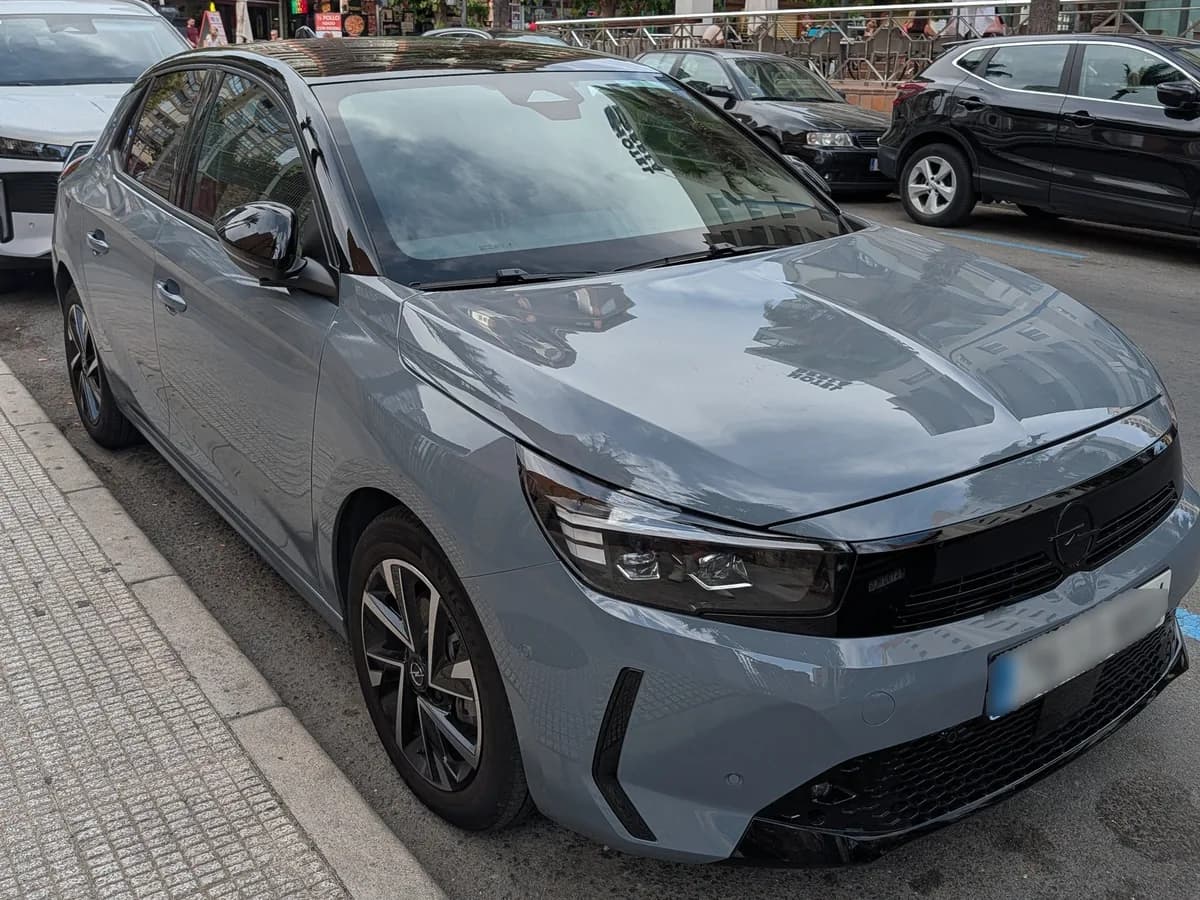
2019
2015
2014
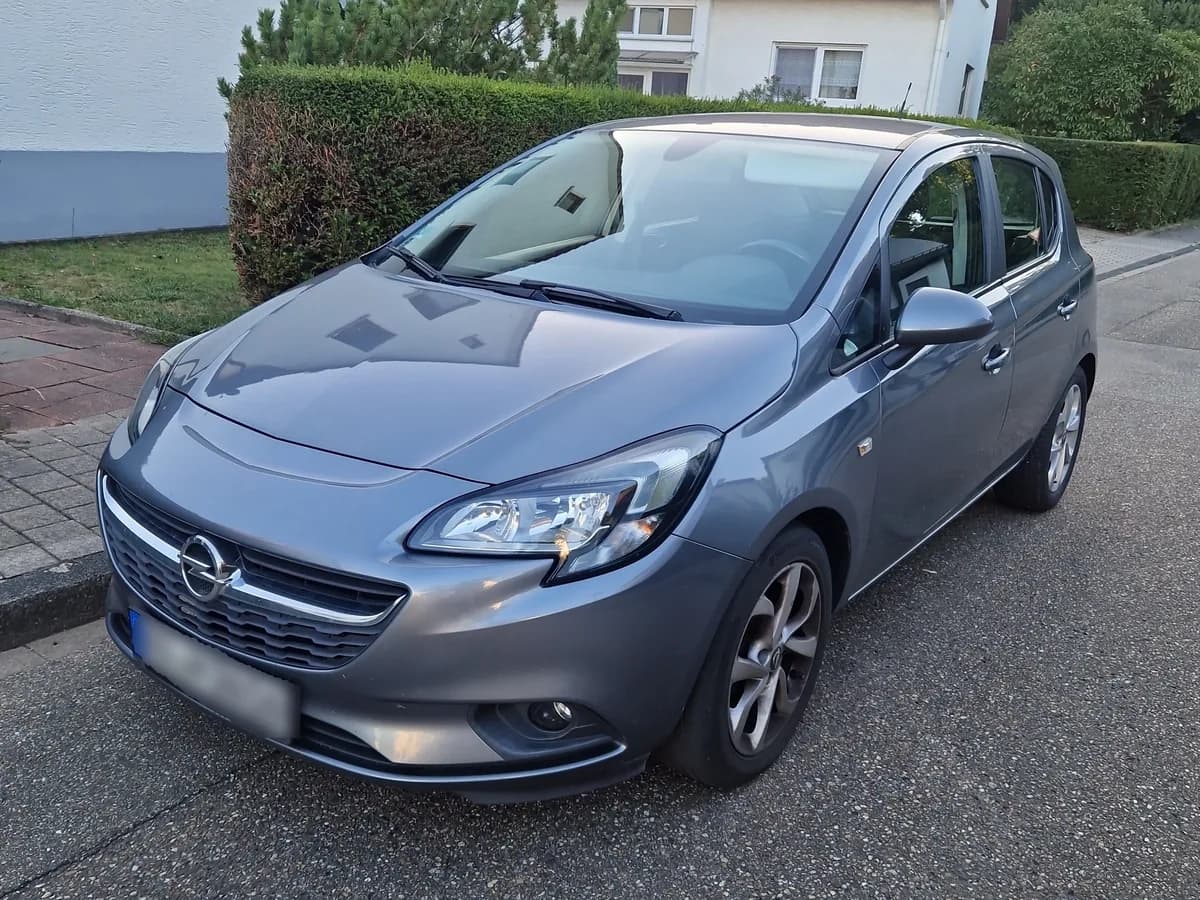
2007
2006
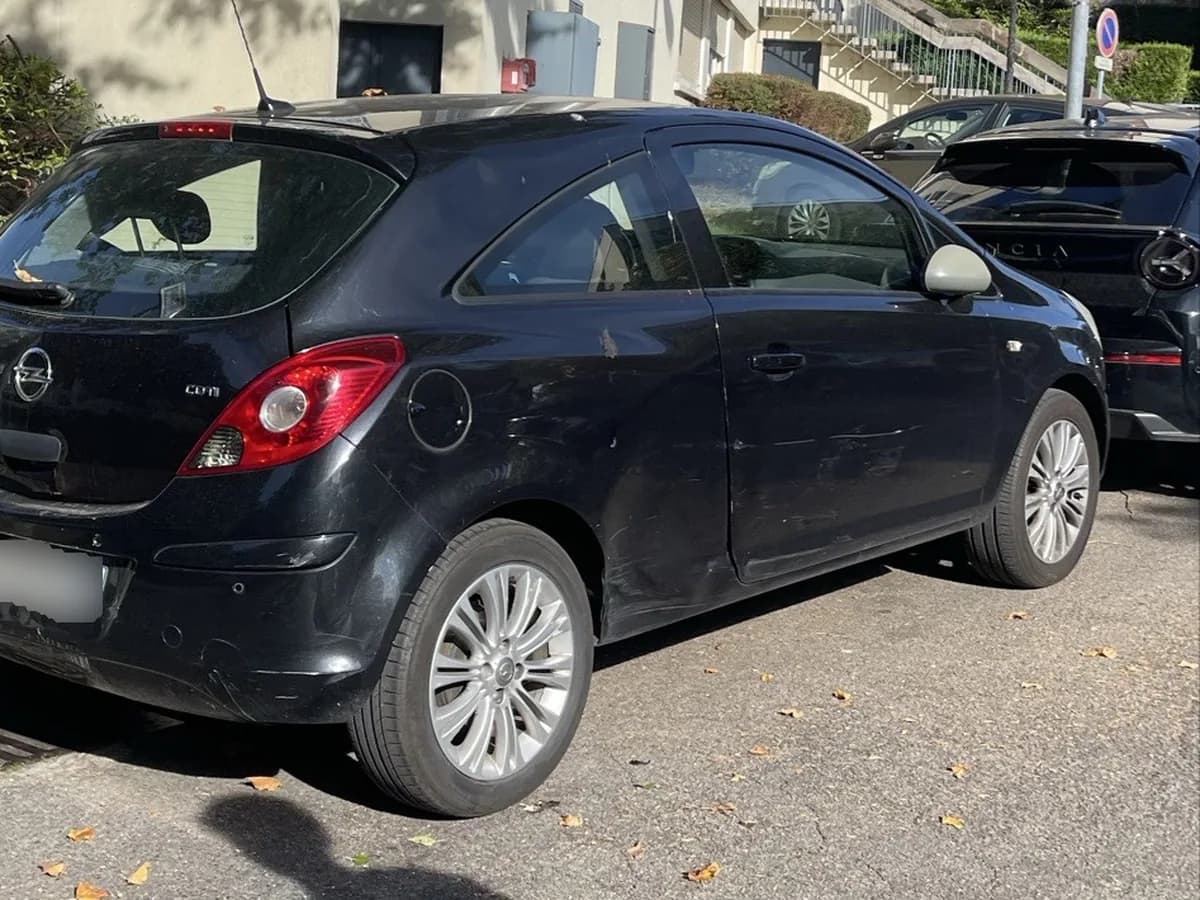
2003
2002
2000
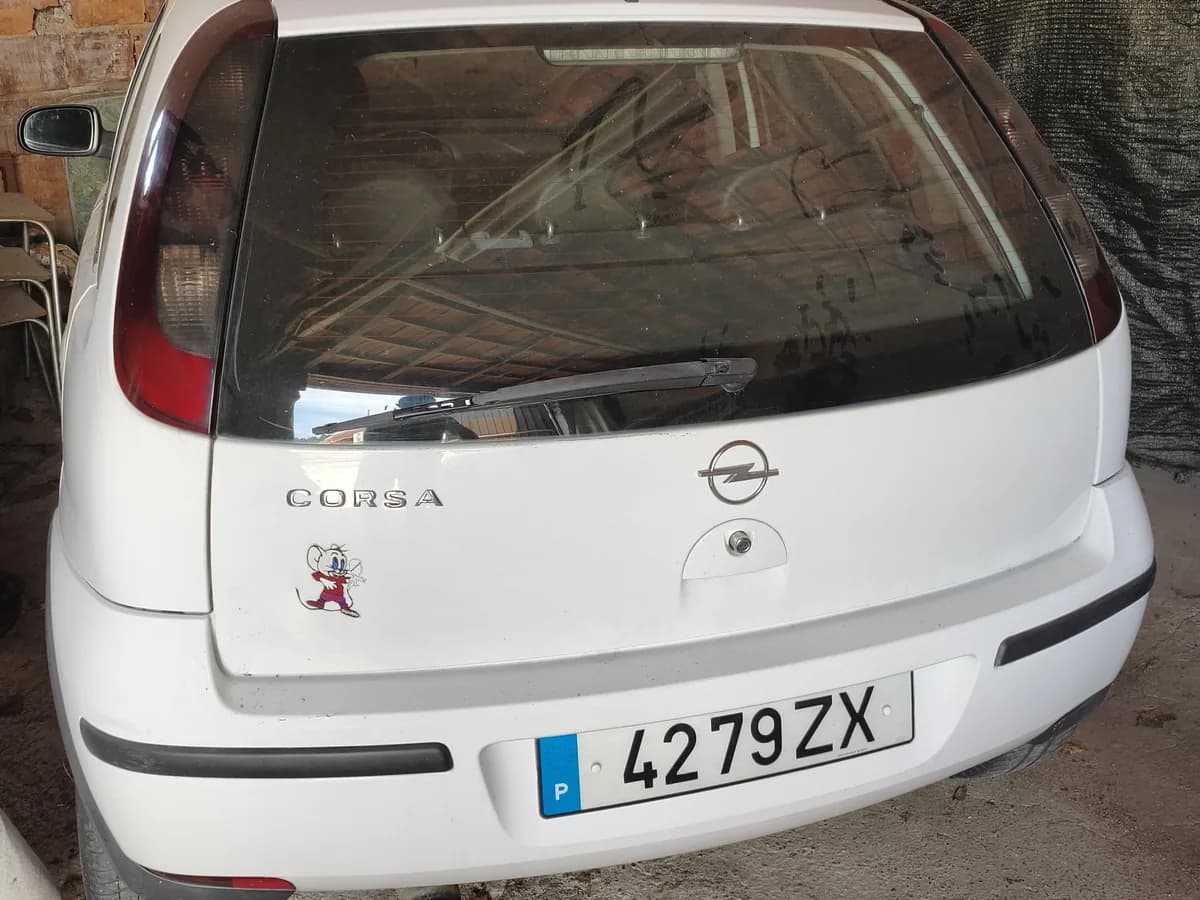
1998
1996
1993
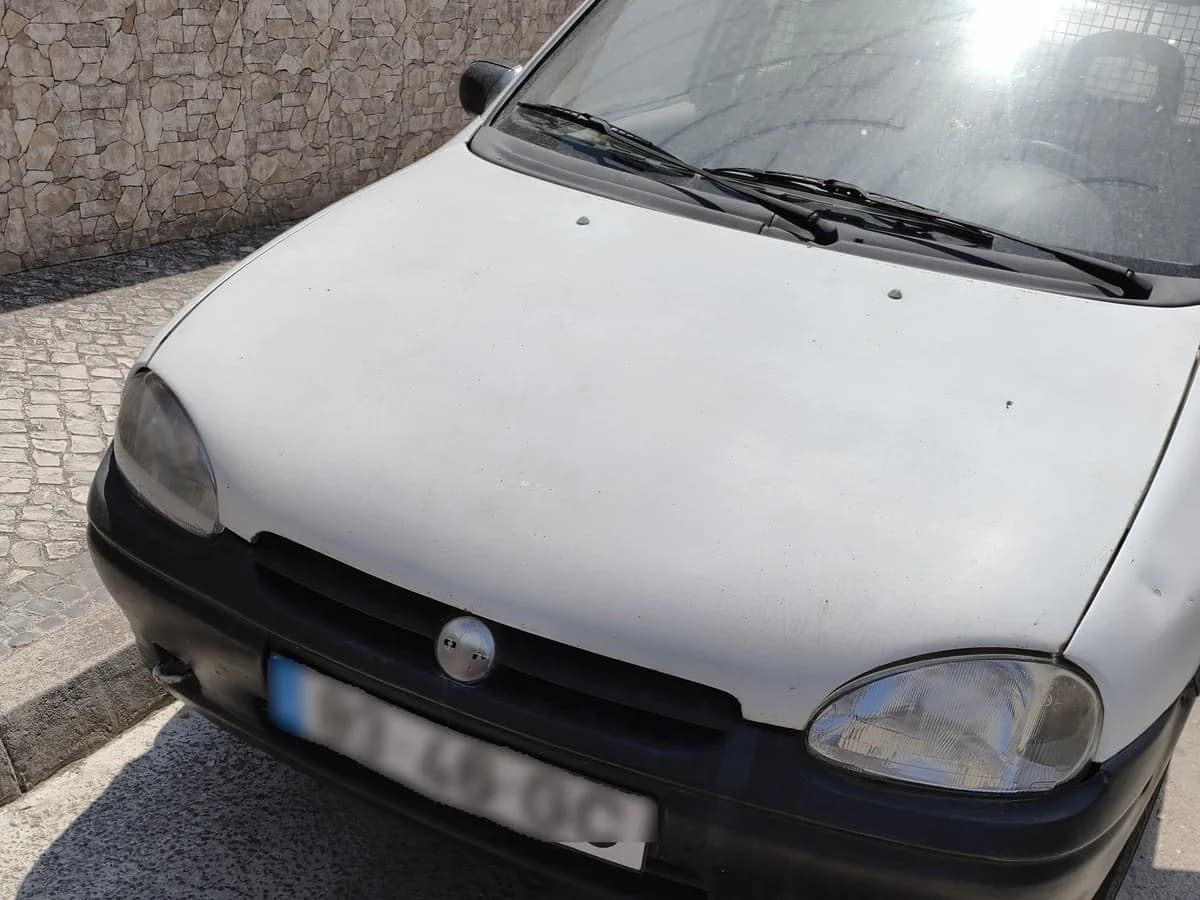
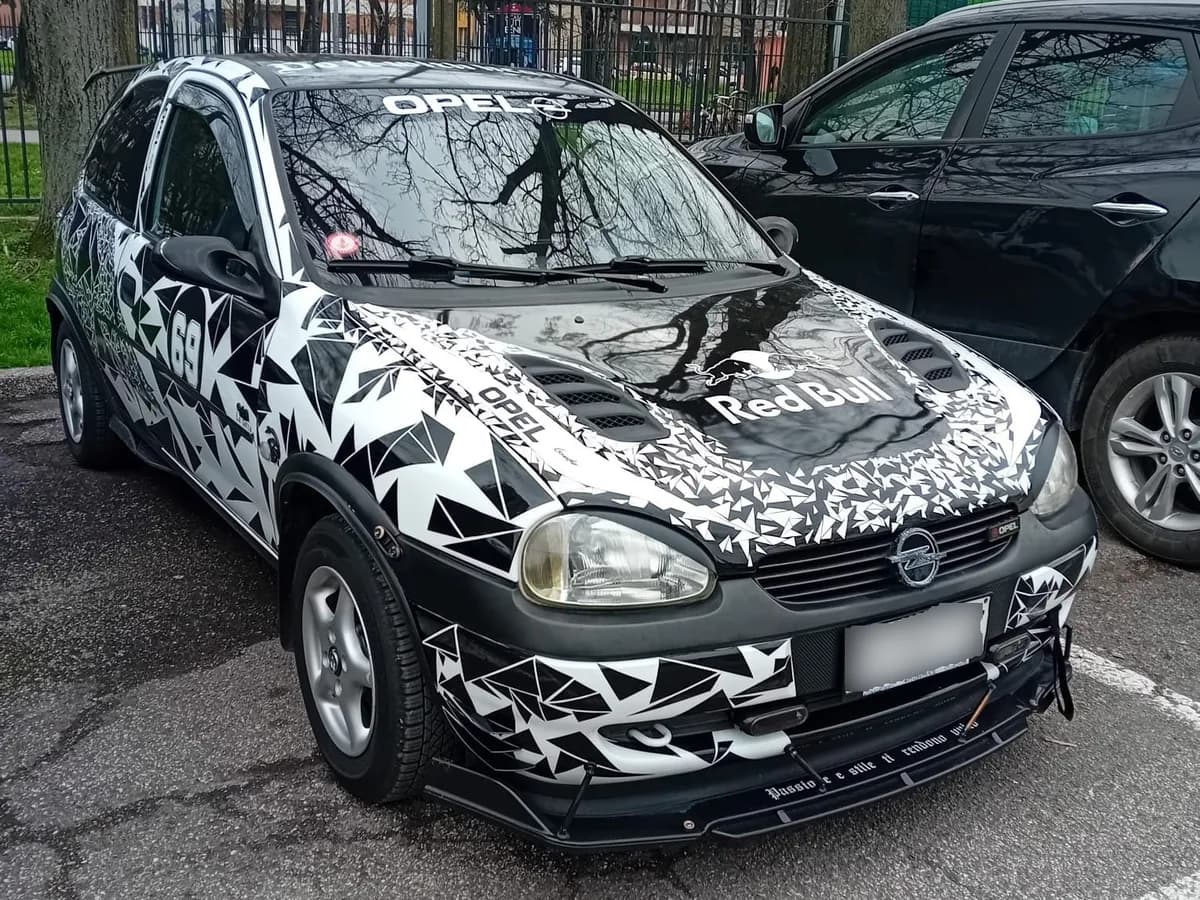
1985
1984
1982

Opel Corsa photos
Model summary
Data from the ScanRacer library, organized to compare versions quickly.
Model introduction
Introduced in 1982, the Opel Corsa became one of the German manufacturer’s most important models and a major European supermini. The first generation was built in Zaragoza and was designed to provide Opel with a compact, economical car positioned below the Kadett. Across six generations, the Corsa developed from a sharply styled small hatchback into a larger, more connected and increasingly electrified city car. Its international career included three- and five-door hatchbacks, saloon and estate derivatives in selected markets, as well as performance-oriented GSi and OPC versions. The generation launched in 2019 represented a major change with the arrival of the Corsa-e, the model’s first fully electric variant. Exact body styles, equipment and names differed between countries and model years, so identification should always take market-specific specifications into account.
History
The Corsa arrived in 1982 to fill a gap in Opel’s range below the Kadett. Production began at a newly built plant in Zaragoza, Spain, and the model quickly became established across European markets. The Corsa A stood out through its compact dimensions, angular lines and pronounced wheel arches. Opel quoted a length of 3.62 metres and a drag coefficient of 0.36, while the 100-hp GSi became the first generation’s main performance derivative. Diesel engines and several body styles expanded the range during its long production run. Launched in 1993, the Corsa B adopted a softer, rounded design intended to appeal to a broader audience. It also raised safety standards within the class, with features such as side-impact protection and seatbelt tensioners depending on specification. The Corsa C of 2000 grew again and offered more interior space. The 2006 Corsa D gave the three-door and five-door models more distinct identities and introduced features including FlexFix and DualFloor. The Corsa E, introduced in 2014, added more driver assistance and connectivity equipment. The Corsa F, unveiled in 2019, moved to a new technical platform and brought the Corsa-e, the nameplate’s first battery-electric version.
Generations
The Corsa A is generally dated from 1982 to 1993. It is identified by its upright shape, rectangular headlamps and compact proportions. Three- and five-door hatchbacks were offered, while saloon derivatives appeared in selected markets. The Corsa B, produced from 1993 to 2000, introduced softer surfaces, oval headlamps and a more spacious-looking body. Its GSi derivative became one of the best-known sporty versions in the model’s history. The Corsa C, usually dated from 2000 to 2006, retained a compact footprint but appeared wider and more substantial. The Corsa D, launched in 2006 and produced until 2014, brought more expressive styling, a length close to four metres and a clearer visual distinction between the three-door and five-door models. It also produced particularly powerful OPC derivatives. The Corsa E, generally covering 2014 to 2019, evolved the previous generation’s platform while updating its styling, cabin technology and driver-assistance equipment. The Corsa F began in 2019. Its lower, sharper design accompanied a new technical architecture and the introduction of the battery-electric Corsa-e. Exact generation dates can vary by country because production, registration and model-year changes did not always occur at the same time.
Key differences
The main differences between generations involve body design, dimensions, safety equipment and onboard technology. The Corsa A is the shortest and most angular, while the Corsa B introduced rounded styling and a more broadly appealing presentation. The Corsa C looks wider and places greater emphasis on interior space. With the Corsa D, Opel gave the three-door a more overtly sporty identity while making the five-door more family-oriented. The Corsa E retained that basic distinction but added more comfort, connectivity and driver-assistance features. The Corsa F is easier to distinguish through its lower, sharper proportions and its electric offering. Sport derivatives should not be treated as interchangeable: GSi was used across several generations, whereas OPC identified the highest-performance versions during particular periods. Engines, transmissions, equipment levels and body styles varied by market. Reliable identification therefore requires the model year, body type, engine code and sales market, rather than relying on the “Corsa” name alone.
Photo recognition
A Corsa A can usually be identified by its very square body, rectangular headlamps and simple shoulder line. The Corsa B has a softer profile, oval headlamps and a rounded rear treatment. The Corsa C looks taller and more substantial; depending on body style, its vertically arranged rear lamps are a useful clue. The Corsa D is marked by more sculpted surfaces, an expressive front end and, in three-door form, a coupé-like roofline. The Corsa E resembles the D but uses revised front-end styling, different lamp designs and a more modern cabin. The Corsa F, introduced in 2019, has lower proportions, a narrower grille and slimmer headlamps. The electric model normally carries dedicated badging and has no exhaust outlet, although details vary by model year and market. To avoid misidentification, compare the door handles, lamp shapes, side-window outline and manufacturer plate. Facelifts, special editions and transitional production can make one generation resemble another, particularly when cars have been modified or fitted with replacement body panels.
Important versions
Among the most significant derivatives, the Corsa GSi has a special place in the model’s history. It appeared with the first generation as a sporting model and returned on later generations with different power outputs and styling details. The Corsa OPC represented a more extreme approach during selected periods, most notably with the Corsa D OPC and its Nürburgring Edition, which added a more focused chassis and upgraded braking hardware. The Corsa-e marked the other major turning point. Introduced with the Corsa F in 2019, it was the first fully electric Corsa and was sold alongside combustion-engine versions. Names such as Base, Van, Hatch, Utility, Sedan and Wagon may describe body categories or market-specific cataloguing and should not automatically be treated as universal factory trim levels across every Corsa generation.
References
- New Opel Corsa: Sixth Chapter of Success Story BeginsOpel / Stellantis Media
- 30 Years Opel Corsa B: Innovative and Independent Sales-HitOpel / Stellantis Media
- 40 Years of Opel Corsa: A Six-Act Success StoryOpel / Stellantis Media
- Sixth-Generation Opel Corsa Goes ElectricOpel / Stellantis Media
- Everybody’s Darling: 20 Years of Opel Corsa DOpel / Stellantis Media
- https://www.media.stellantis.com/em-en/opel/press/opel-celebrates-corsa-jubilee-with-limited-edition-40-yearsmedia.stellantis.com
- https://www.media.stellantis.com/em-en/opel/press/40-years-in-the-spotlight-the-opel-corsa-becomes-a-fashion-iconmedia.stellantis.com
- https://www.media.stellantis.com/it-it/opel/press/opel-corsa-da-40-anni-in-italiamedia.stellantis.com
Technical specifications
Structured data available for versions linked to this model.
| Version | Power | Torque | Top speed | Drivetrain | Fuel |
|---|---|---|---|---|---|
| Base | 141 KW @ 5850 RPM 192 HP @ 5850 RPM 189 BHP @ 5850 RPM | 170 lb-ft @ 1980-5800 RPM 230 Nm @ 1980-5800 RPM | 140 mph (225 km/h) | Front Wheel Drive / 6-speed manual | Gasoline |
| Base | 75 KW @ 3500 RPM102 HP @ 3500 RPM101 BHP @ 3500 RPM | 184 lb-ft @ 1750 RPM250 Nm @ 1750 RPM | 117 mph (188 km/h) | Front Wheel Drive / 6-Speed manual | Diesel |
Frequently asked questions
- What years was the Opel Corsa produced?
- ScanRacer's referenced versions cover 1982 - 2023.
- How many Opel Corsa examples are documented on ScanRacer?
- 7 published scans from 6 members, with the latest photo added in September 2026.
What about the car you photographed?
Upload a photo to get a suggested make, model and likely year.
No account needed for the result · Publish only if you choose