
Opel
Opel is a German carmaker whose automotive history began in Rüsselsheim on January 21, 1899, when Wilhelm Opel acquired Friedrich Lutzmann’s motor-car factory. Before that transition, the company founded by Adam Opel in 1862 had produced sewing machines and bicycles. Opel’s development was repeatedly shaped by an effort to make modern technology accessible to a broad audience. The 1909 Doktorwagen, the assembly-line Laubfrosch of the 1920s, and later the Olympia and Kadett all fit that pattern. Over the decades, Opel covered mainstream, compact, family, sporting, executive and commercial vehicle categories. The Astra, Corsa, Kadett, Rekord, Ascona, Blitz and Insignia show how the brand’s model identity evolved across different eras. More recent vehicles continue Opel’s move toward electrification, while retaining an emphasis on practical European everyday transport. (media.stellantis.com)
Models from A to Z
1,3 Liter
6 16PS
Adam
Admiral
Agila
Ampera
Ampera-e
Antara
Ascona
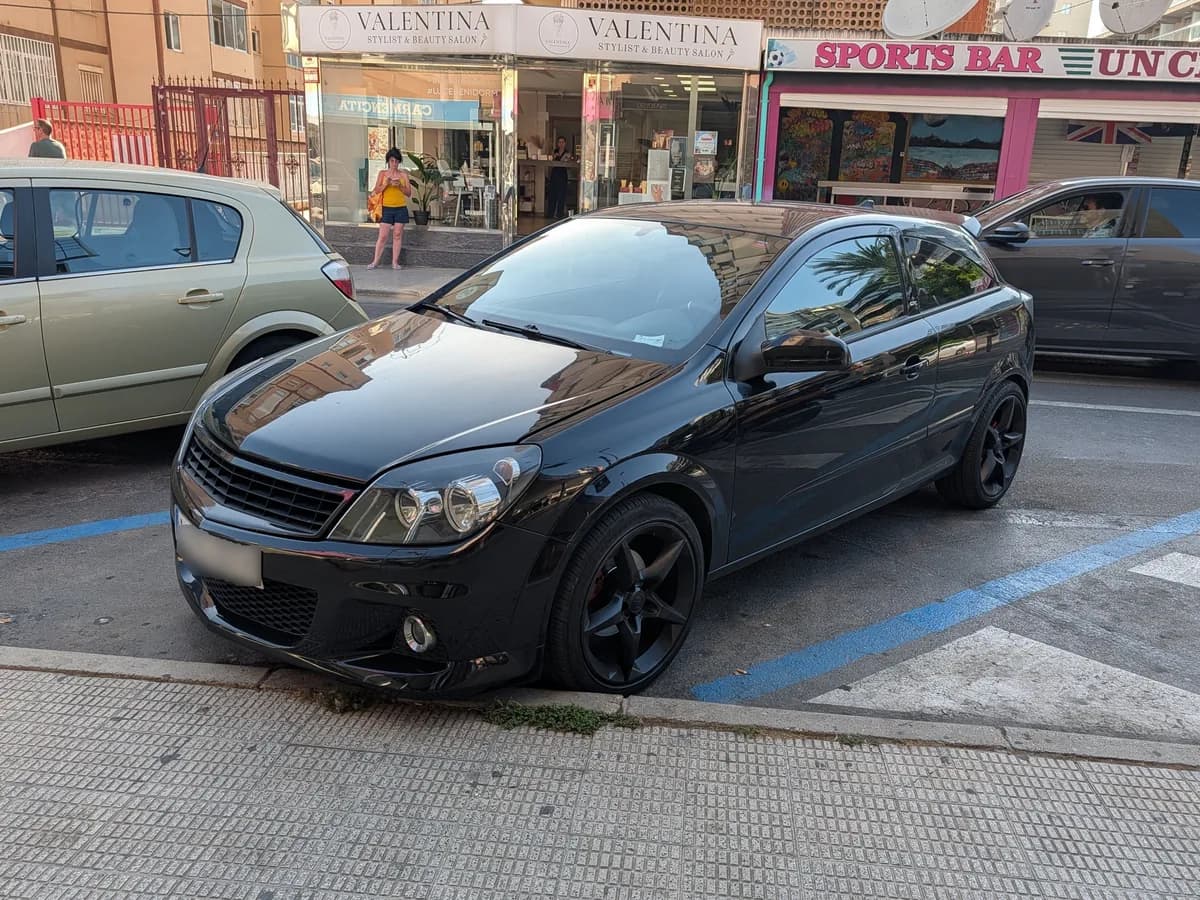
Astra
Blazer
Blitz
Calais
Calibra
Campo
Cascada
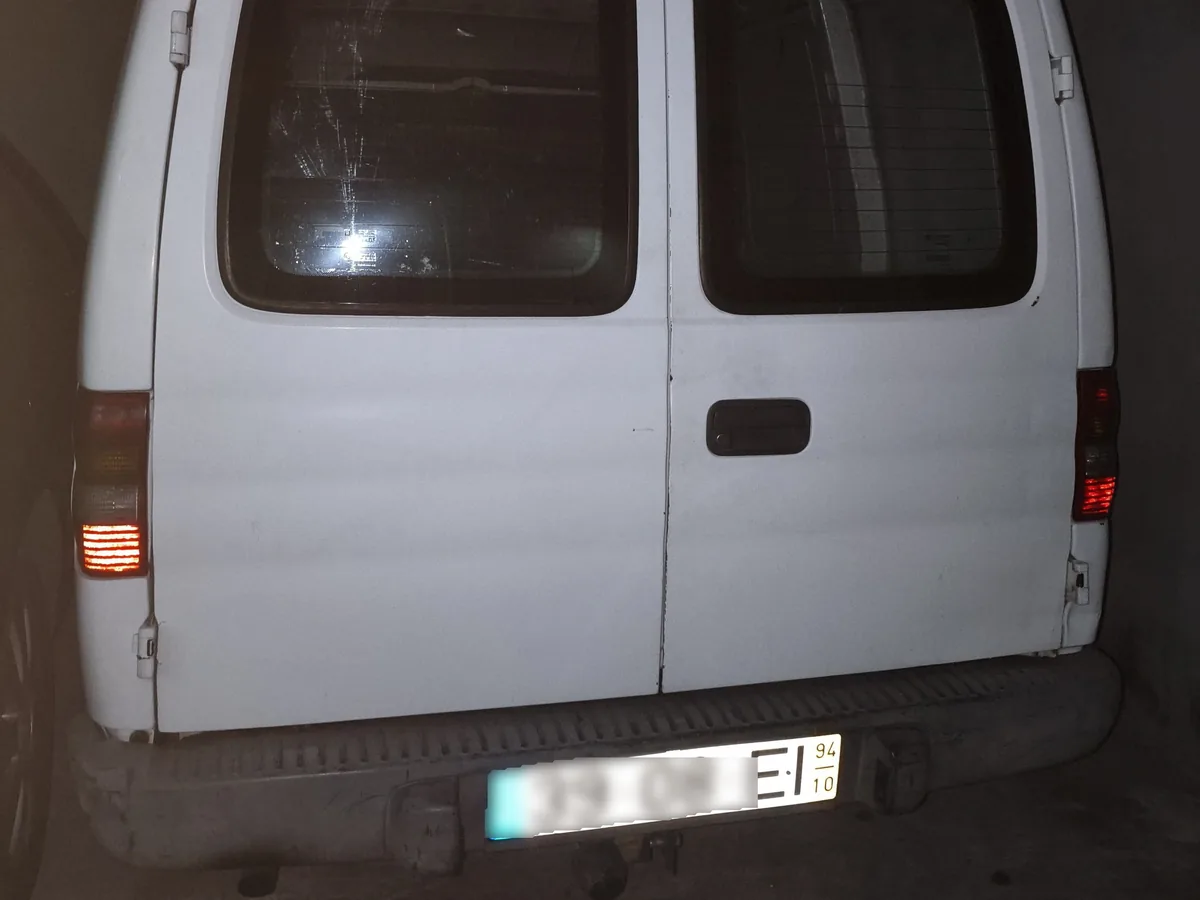
Combo
Commodore
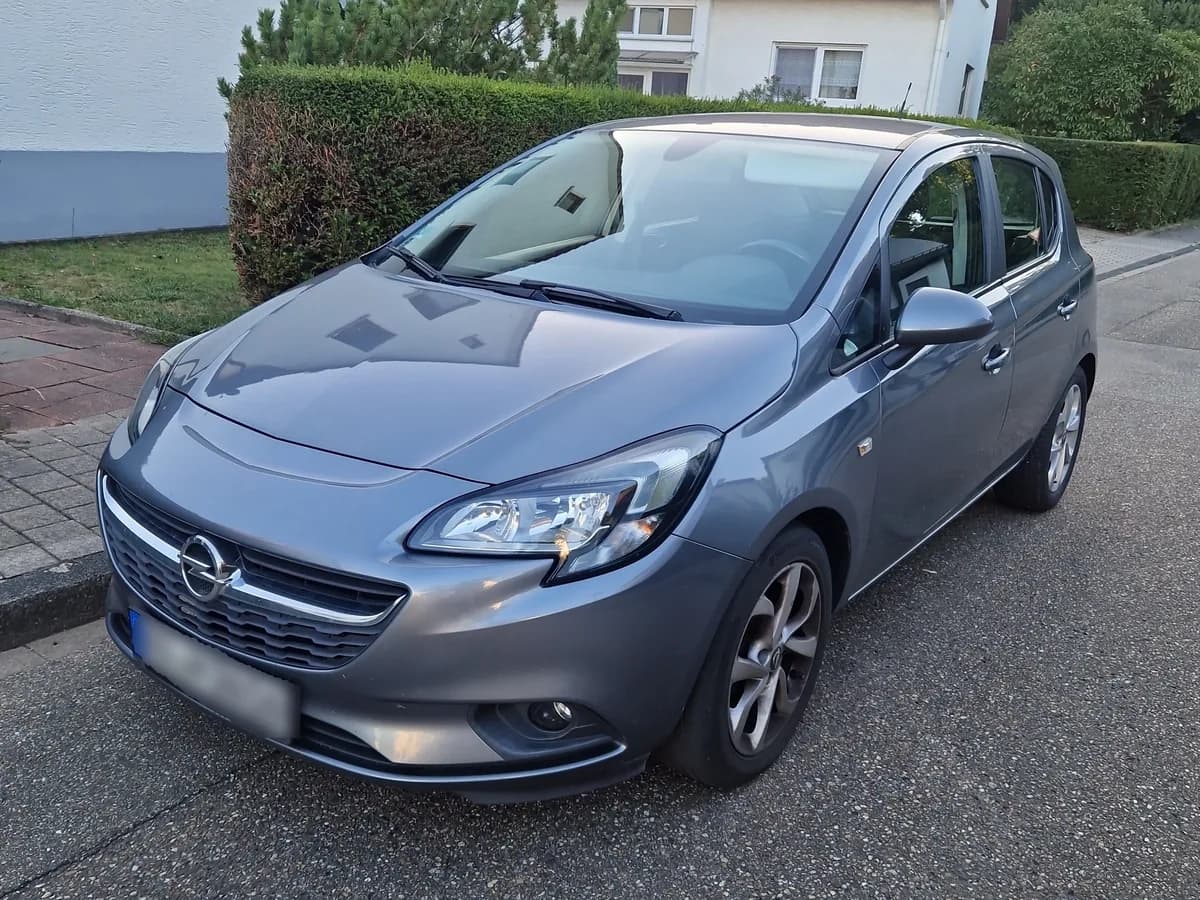
Corsa
Crossland
Diplomat
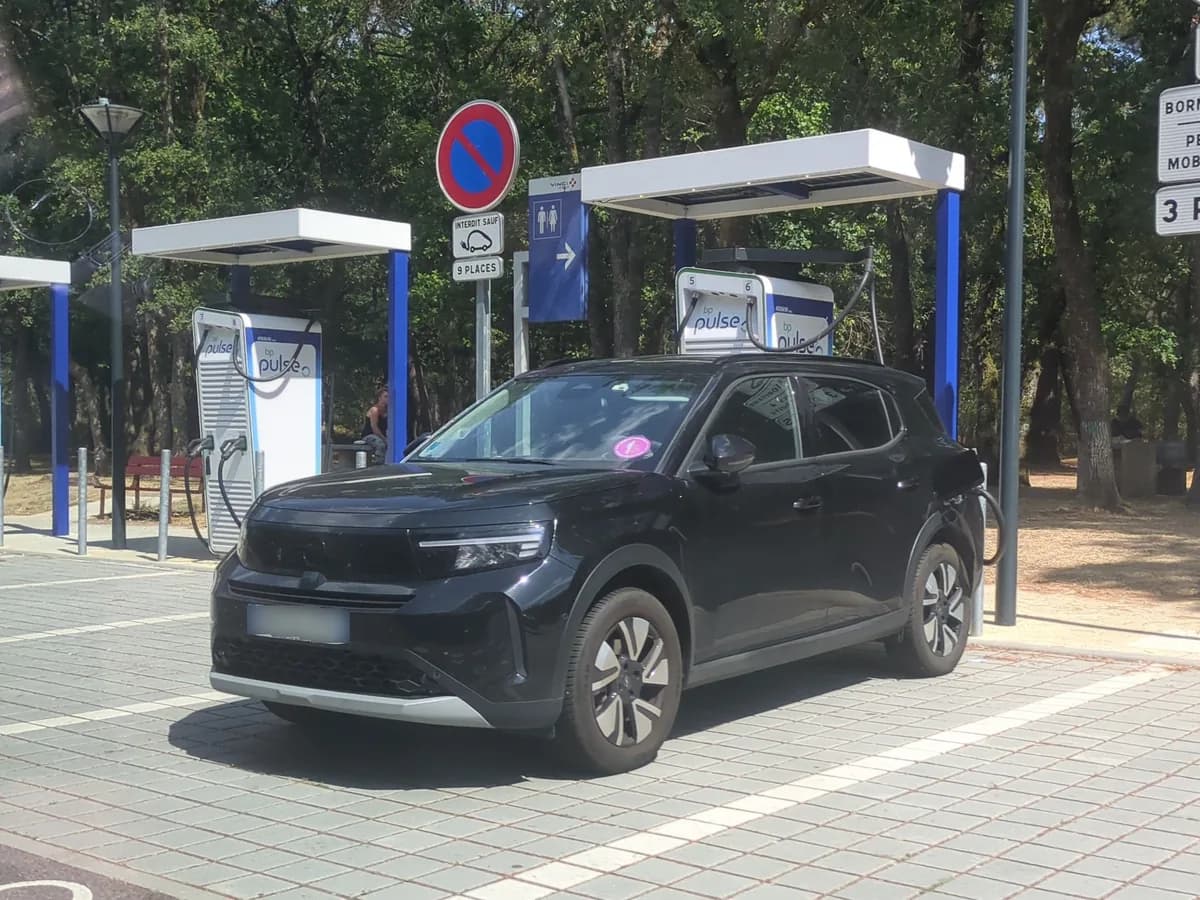
Frontera

Grandland
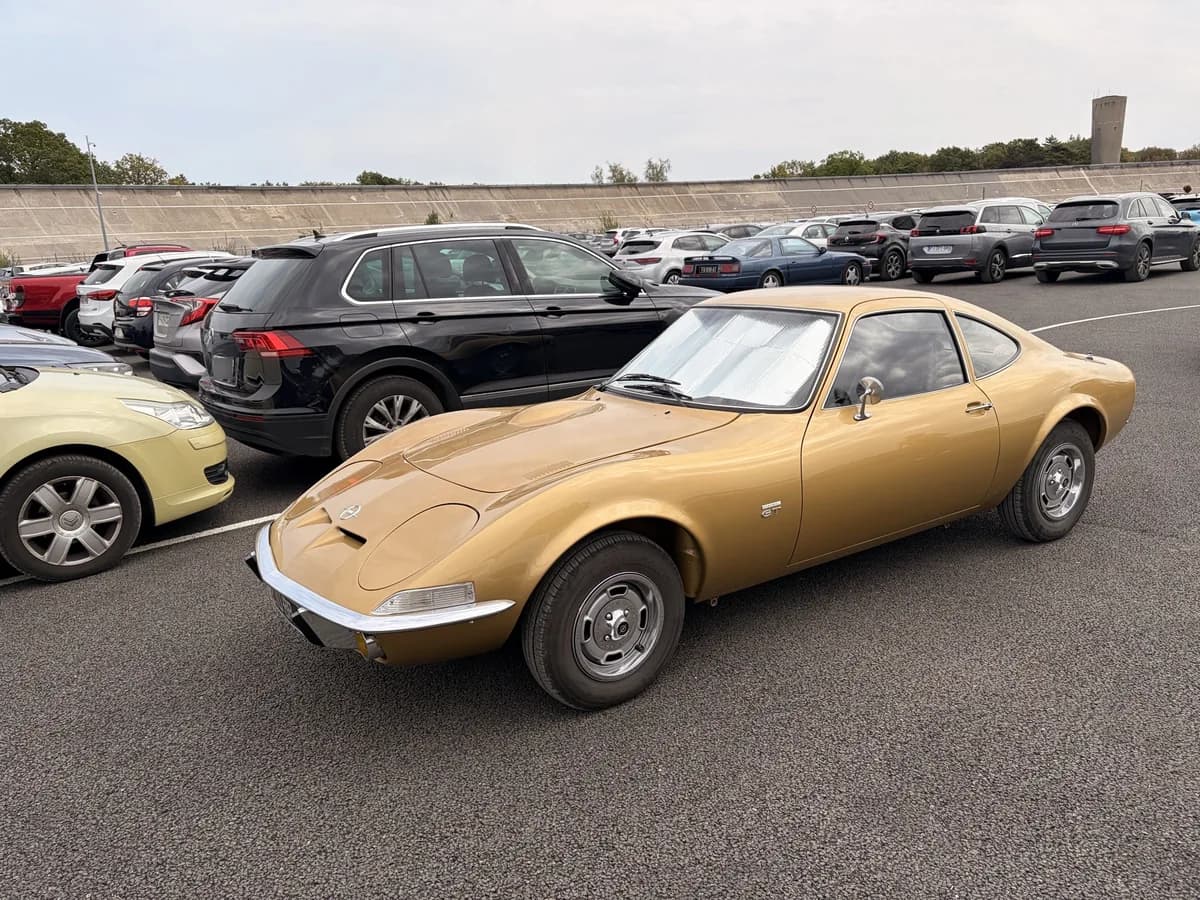
GT
HydroGen4
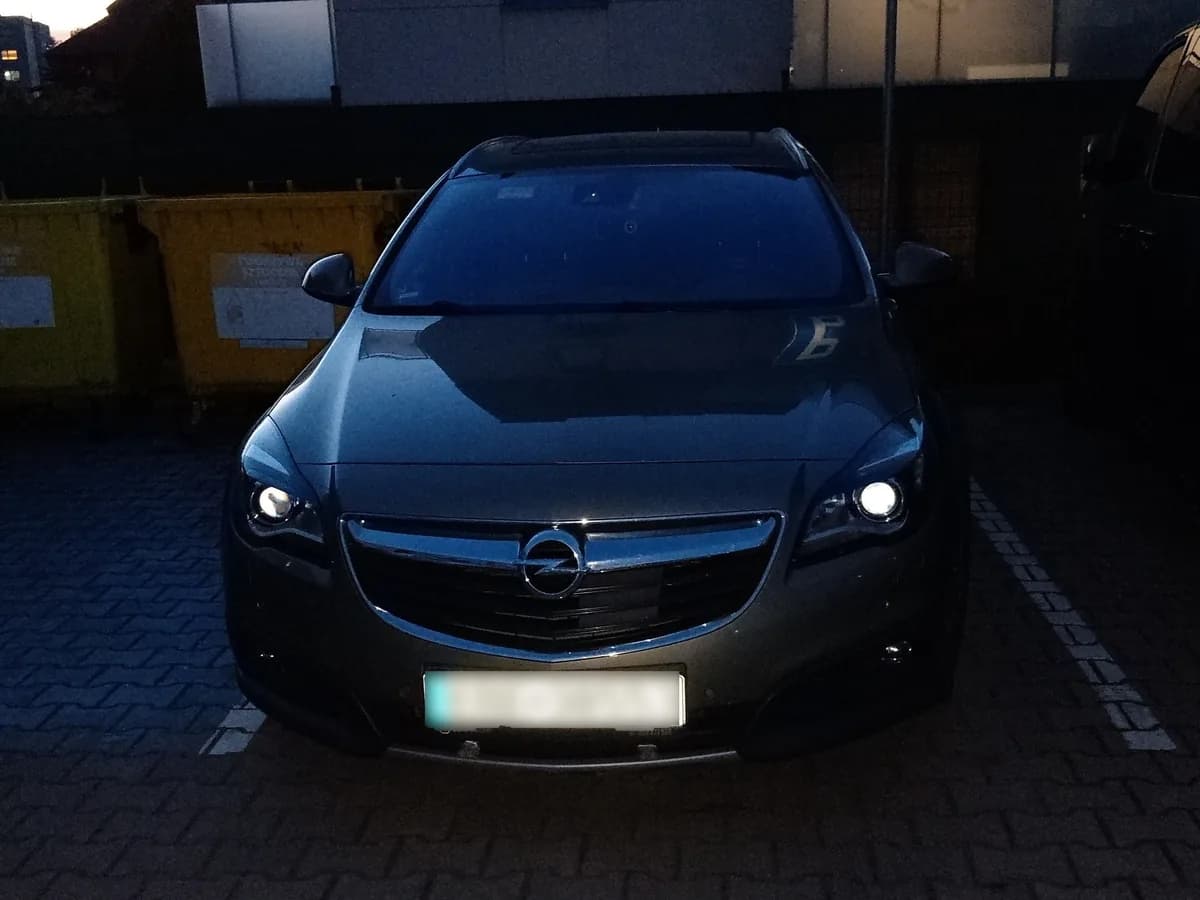
Insignia
Insignia Hatchback
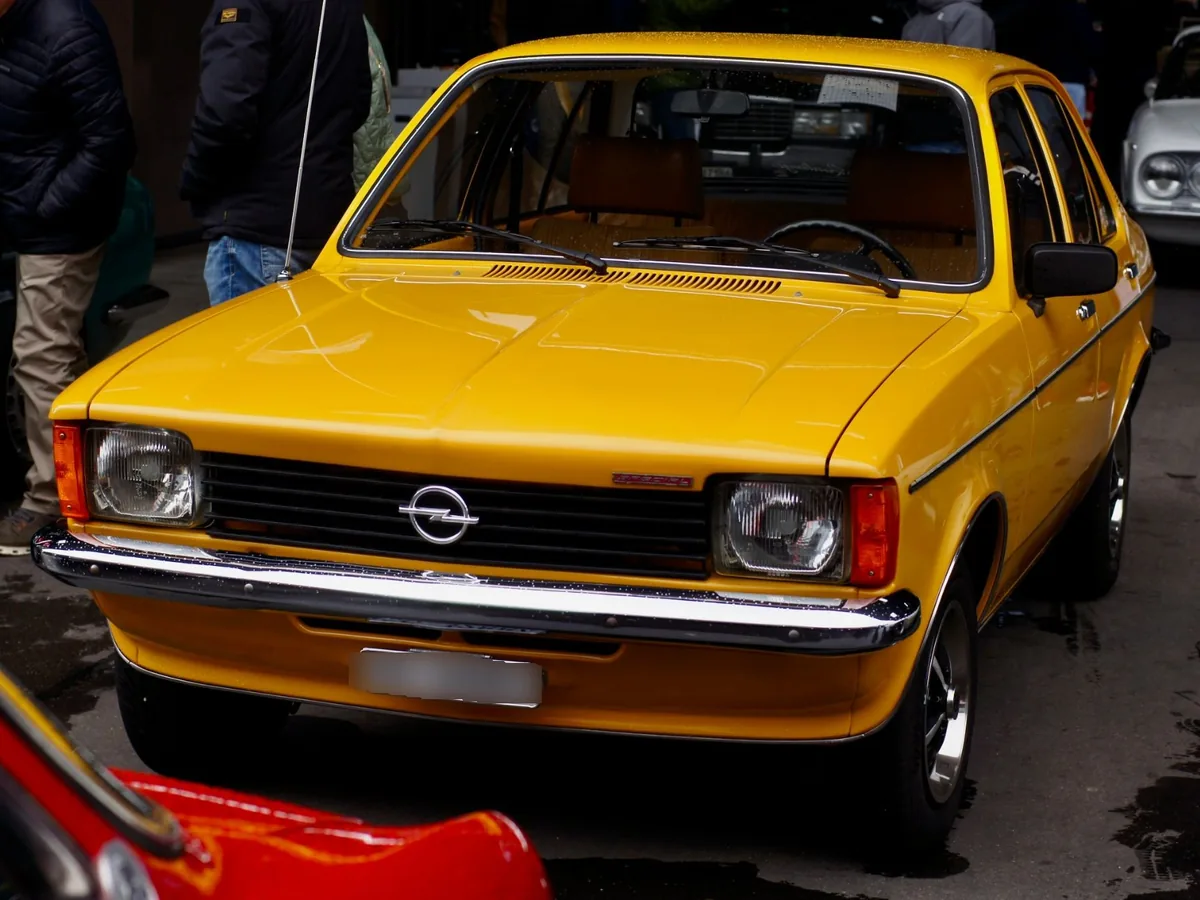
Kadett
Kapitän
Karl
Lotus Omega
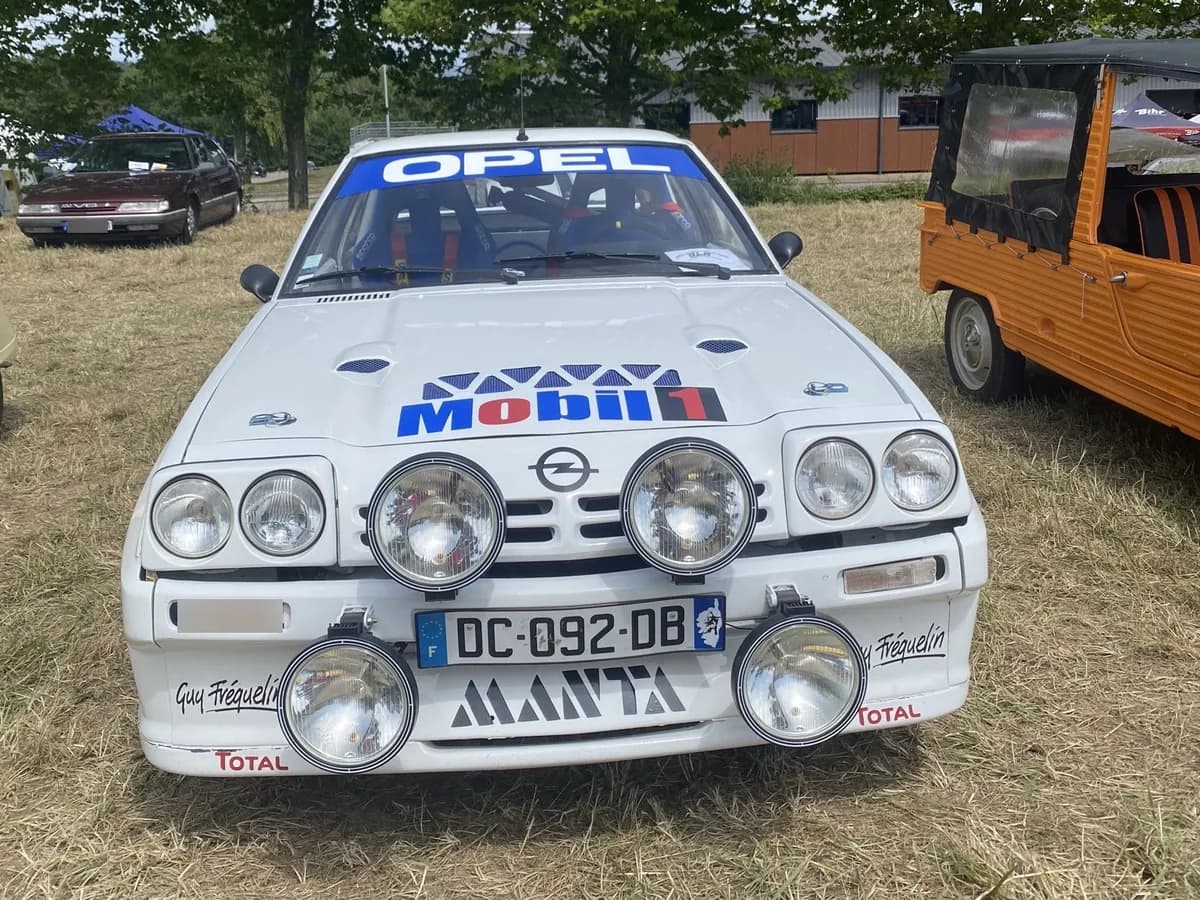
Manta
Meriva
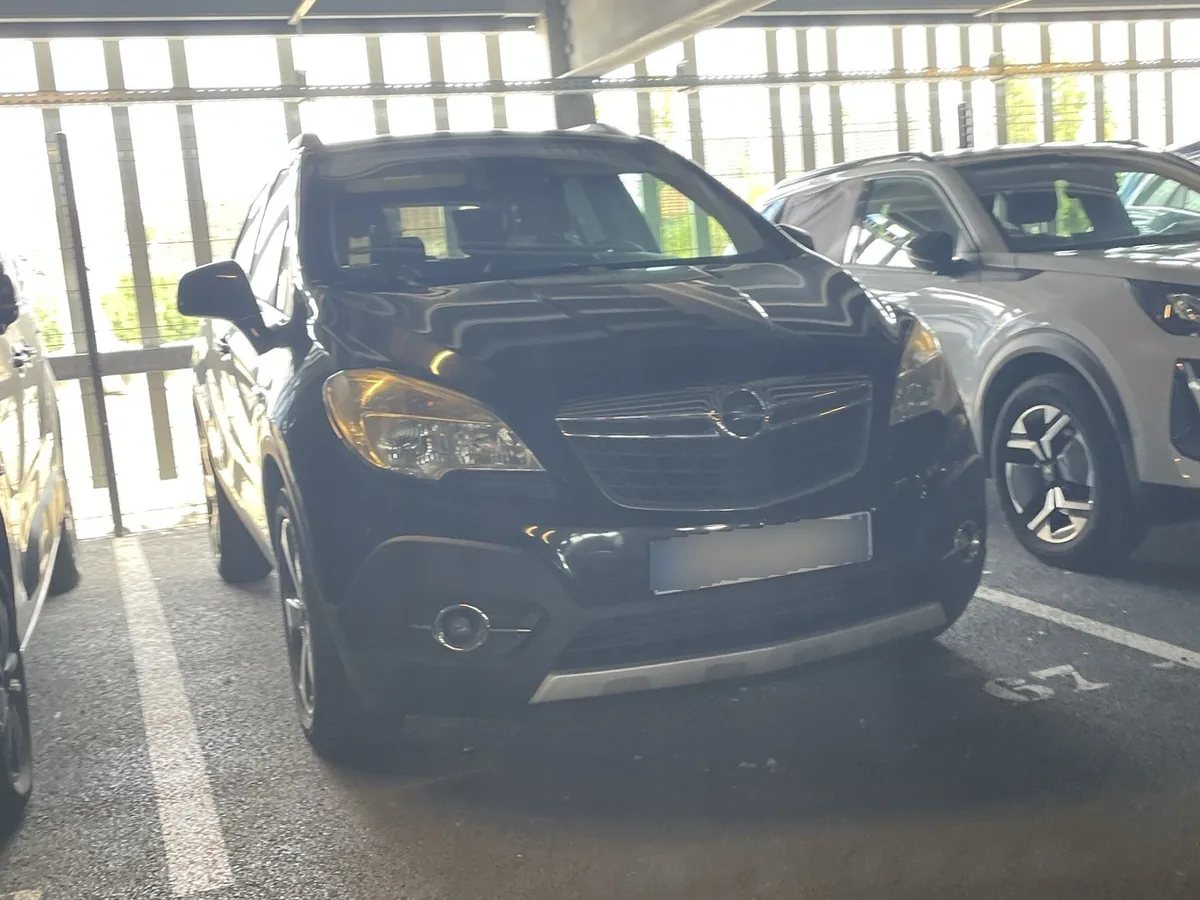
Mokka
Monterey
Monza
Movano
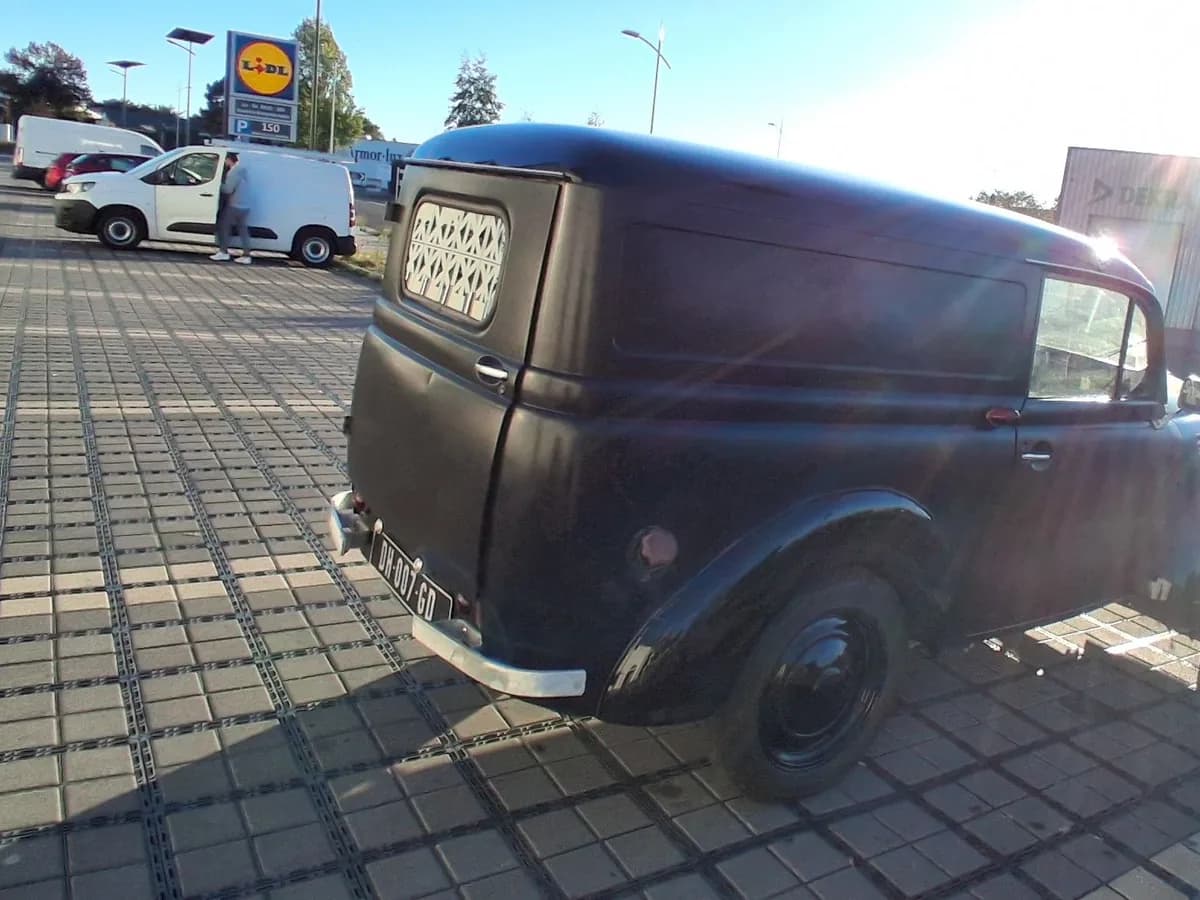
Olympia
Omega
Optima
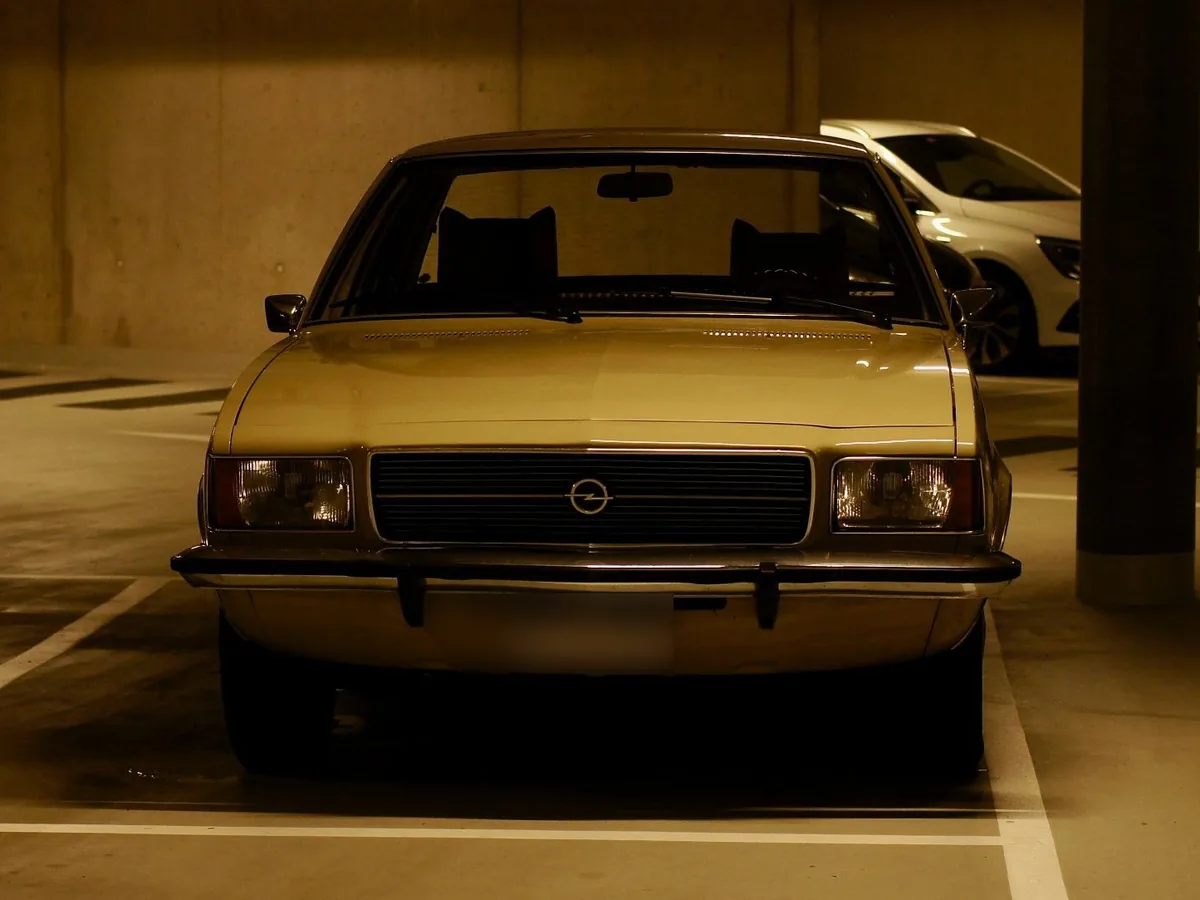
Rekord
Rocks
Senator
Signum
Sintra

Speedster
Tigra
Vectra
Vita
Vivaro

Zafira
Zafira Life
Opel overview
Opel history
After launching the Patent-Motorwagen System Lutzmann in 1899, Opel quickly established itself in the German automotive industry. The company developed its own designs and gained attention with the 4/8 PS Doktorwagen of 1909, a more affordable alternative to many prestige cars of the period. In 1924, Opel became the first German carmaker to use assembly-line production for automobiles, beginning with the 4/12 PS Laubfrosch. This industrial approach supported lower prices and helped position Opel as a manufacturer of practical everyday vehicles. (media.stellantis.com) The Olympia, introduced in 1935, brought a pressed-steel unibody construction to German series production. The Kadett followed in 1936 and became a central compact model before being revived in 1962. Opel later expanded its range with the Rekord, Kapitän, Admiral, Commodore, Ascona and Manta, alongside the Blitz commercial vehicle. General Motors acquired Opel progressively between 1929 and 1931. Opel joined Groupe PSA in 2017 and became part of Stellantis in 2021. (media.stellantis.com)
Opel positioning
Opel has traditionally positioned itself as a German mainstream brand combining accessibility, practical engineering and restrained presentation. That role can be seen across very different vehicles: the Corsa serves as a versatile small car, the Kadett and Astra occupy the heart of the compact market, while the Rekord, Commodore, Admiral and Insignia represented larger or more upmarket choices in their respective periods. The Blitz also shows the historical importance of commercial vehicles within the range. (media.stellantis.com) Opel has also maintained a sporting image through rallying, GSi versions and performance derivatives of models such as the Commodore, Ascona and Kadett. Since joining Stellantis, the brand has shared more technology and platforms within the group while retaining its own design language and market identity. In 2024, Opel stated that every model line had a battery-electric variant, illustrating the brand’s gradual shift toward electrified mobility rather than a complete break with its practical-car heritage. (media.stellantis.com)
Recognizing a Opel in a photo
To identify an Opel, first place the vehicle in its period: model lettering, grille design, lighting and body proportions changed considerably between the 1930s, the 1960s and modern generations. Earlier Kadetts could be found as saloons, coupés or Caravan estates, while later generations also appeared in hatchback, notchback, estate and convertible forms depending on the market. The Astra succeeded the Kadett in Opel’s compact range from 1991, while the smaller Corsa has occupied its own segment since 1982. (media.stellantis.com) Rekord, Ascona, Commodore, Admiral and Insignia are generally separated by their larger dimensions and more family-oriented or premium positioning. The Blitz belongs to Opel’s commercial-vehicle and light-truck history. For a reliable identification, check the badge, body style, production period, vehicle plate and engine code instead of relying only on the overall shape. Opel frequently offered several body styles and trim levels within one model generation, and market-specific versions can make visual comparisons misleading.
Important Opel models
Several nameplates define Opel’s history. The Kadett, represented in the ScanRacer data from 1936 to 1986, embodies the brand’s long compact-car tradition; the Astra continued that role from 1991 through 2025. The Corsa, introduced in 1982 and represented through 2023, established Opel in the small-car segment. (media.stellantis.com) The Olympia, covered here from 1935 to 1967, matters for its unibody construction and its role in modernising German car production. The Rekord served as a long-running family saloon, while the Ascona and Commodore occupied more substantial road-going and sometimes sporting positions. The Admiral represented Opel’s historic executive class. The Blitz points to the company’s long experience with commercial vehicles. Finally, the Insignia, represented from 2008 to 2017, marked Opel’s more recent presence in the large saloon and estate categories. Taken together, these models show how Opel moved from affordable mass-market cars to a broader range that now includes electrified successors and shared Stellantis technologies.
References
- January 21, 1899: Opel Began Producing Automobiles 125 Years AgoOpel / Stellantis Media
- Opel Birthday Celebrations: 160 Years of Innovations for MillionsOpel / Stellantis Media
- Opel Celebrates 120 Years of AutomobilesOpel / Stellantis Media
- 30 Years Opel Astra: Compact Bestseller and Ambassador of ChangeOpel / Stellantis Media
- 125 Years Ago: Opel Celebrates Its First Victory in MotorsportsOpel / Stellantis Media
- Birth of a European champion: Opel and Vauxhall join Groupe PSAGroupe PSA / Stellantis
- https://automotivehistory.org/general-motors-buys-opel/automotivehistory.org