
Z
Introduced in August 2021, the Nissan Z represents the seventh generation of Nissan’s long-running sports-car line, which began in late 1969. It retains the classic front-engine, rear-wheel-drive coupe formula while adding a modern turbocharged powertrain and updated electronic systems. In North American specification, the Z uses a 3.0-liter twin-turbo V6 rated at 400 horsepower and 350 lb-ft of torque, paired with either a six-speed manual or a nine-speed automatic transmission depending on configuration. Its design combines references to several earlier Z cars, including the first-generation model, the 300ZX Z32 and the 370Z. Within the ScanRacer catalogue, the Nissan Z is represented by one Base variant covering the 2022 model year.
What about the car you photographed?
Upload a photo to get a suggested make, model and likely year.
No account needed for the result · Publish only if you choose
Variants by year
Make: Nissan · Model: Z
1 / 1 versions shown
2022
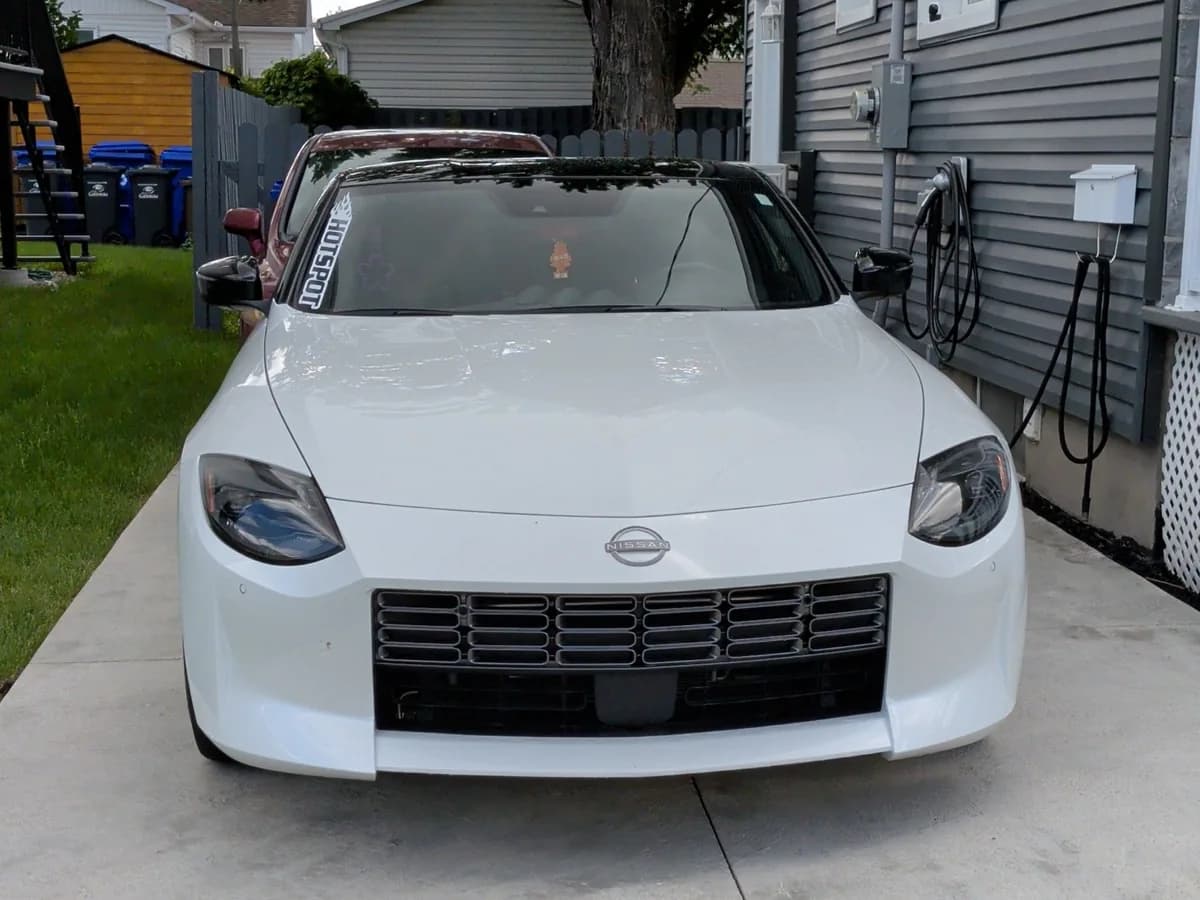
Nissan Z photos
Model summary
Data from the ScanRacer library, organized to compare versions quickly.
Model introduction
Introduced in August 2021, the Nissan Z represents the seventh generation of Nissan’s long-running sports-car line, which began in late 1969. It retains the classic front-engine, rear-wheel-drive coupe formula while adding a modern turbocharged powertrain and updated electronic systems. In North American specification, the Z uses a 3.0-liter twin-turbo V6 rated at 400 horsepower and 350 lb-ft of torque, paired with either a six-speed manual or a nine-speed automatic transmission depending on configuration. Its design combines references to several earlier Z cars, including the first-generation model, the 300ZX Z32 and the 370Z. Within the ScanRacer catalogue, the Nissan Z is represented by one Base variant covering the 2022 model year.
History
The Z lineage began in 1969 with the Fairlady Z S30, sold as the Datsun 240Z in several markets, including North America. Nissan aimed to create a relatively accessible sports car that could compete with established European coupes. The second generation, known as the S130, arrived in 1978 and expanded the range with both two-seat and 2+2 body styles. The 300ZX Z31 later brought a V6 engine into the family, while the Z32 launched in 1989 adopted a wider shape and more advanced chassis technology, including multilink suspension and, on certain versions, Nissan’s Super HICAS rear-steering system. After the 300ZX ended production in 2000, Nissan revived the line with the 350Z Z33 in 2002. Its V6-powered layout helped restore the sports car to Nissan’s regular product range. The 370Z Z34 followed in 2009 with a 3.7-liter V6 and substantially revised bodywork. The Nissan Z revealed in 2021 continues the same broad front-engine, rear-wheel-drive concept but replaces the naturally aspirated V6 approach with a 3.0-liter twin-turbo unit. It directly succeeds the 370Z and represents the seventh chapter of the series.
Generations
The first-generation S30 appeared in 1969 and is commonly associated with the Datsun 240Z and Fairlady Z names, depending on market. Its defining traits included a long hood, rear-set cabin and an accessible sports-car concept. The S130 arrived in 1978 with a more refined interpretation and an available 2+2 body style. The Z31, introduced in 1983, brought a V6 engine and sharper styling. The Z32 followed in 1989 with a low, wide profile, plus naturally aspirated and twin-turbo engine options depending on specification. The 350Z Z33 marked the modern return of the nameplate after a two-year gap, reaching the market in 2002 with a 3.5-liter V6 and both coupe and roadster body styles. The 370Z Z34, introduced in 2009, retained the V6 formula while revising the structure, proportions and equipment. The generation revealed in 2021 uses the Nissan Z name in several markets rather than a displacement-based badge. It remains rear-wheel drive, adopts a 3.0-liter twin-turbo V6 and visually references several earlier Z cars. Nissan confirms this broad lineage, although names, equipment and availability can differ between countries.
Key differences
In the ScanRacer data available for this model, the Nissan Z is represented by a single Base variant covering the 2022 model year. That means the catalogue does not support a direct comparison between multiple trims, transmissions or regional specifications. The generation itself is clearly defined by rear-wheel drive, a 3.0-liter twin-turbo V6 and, in Nissan’s North American documentation, a choice of six-speed manual or nine-speed automatic transmission. Other markets and later model years may differ in equipment, wheel designs, driver-assistance features, suspension tuning and commercial naming. Those details should not be assigned to the 2022 Base variant without a market-specific specification sheet. The later Z NISMO version should also be treated separately from the standard Z represented here, since its performance equipment and calibration are not evidence for the Base model.
Photo recognition
The seventh-generation Nissan Z is easiest to identify by its long-hood coupe proportions and rear-set cabin. Its front end uses a broad rectangular grille opening, a visual reference to the original Z that also supplies airflow to the twin-turbo V6. The headlamps feature crescent-shaped lighting elements inspired by the covered lamps of the 240ZG. From the side, the triangular quarter window and the Z emblem near the rear pillar echo details seen on earlier generations. The rear view helps separate it from a 370Z: the horizontal taillamps and dark panel spanning the rear draw inspiration from the 300ZX Z32, while the overall body appears cleaner and more contemporary. Some versions use distinctive 19-inch wheels, although wheel designs and trim details vary by market. Reliable identification should therefore combine the overall silhouette, lighting signatures, Z badges and the vehicle’s technical specification rather than relying on a single exterior detail.
Important versions
The 1969 Fairlady Z S30, sold in several markets as the Datsun 240Z, is the starting point of the lineage. The 300ZX Z32 is notable for its low, wide styling, twin-turbo variants and advanced chassis technology. The 350Z Z33 brought the family back to market in 2002 after the 300ZX ended, while the 370Z Z34 followed in 2009. For the current generation, the Z Proto shown in September 2020 previewed the production car revealed in August 2021. The later Z NISMO is a performance-focused derivative and should not be treated as equivalent to the 2022 Base variant recorded in ScanRacer.
References
- Nissan Z: 50 years of excitementNissan Motor Corporation
- Nissan Heritage Collection: Fairlady ZNissan Motor Corporation
- Hidden design elements in the all-new Nissan ZNissan Motor Corporation
- 2023 Nissan Z BrochureNissan USA
- Nissan Z PerformanceNissan USA
- https://www.nissanusa.com/vehicles/sports-cars/nissan-z/specs-trims.html?msockid=17401ba308446a8c091e0dd4091f6b31nissanusa.com
- https://www.nissan-global.com/EN/HERITAGE_COLLECTION/fairlady_z_300zx.htmlnissan-global.com
Frequently asked questions
- What years was the Nissan Z produced?
- ScanRacer's referenced versions cover 2022.
- How many Nissan Z examples are documented on ScanRacer?
- 5 published scans from 5 members, with the latest photo added in September 2026.
What about the car you photographed?
Upload a photo to get a suggested make, model and likely year.
No account needed for the result · Publish only if you choose