
Silvia
Introduced in 1965, the Nissan Silvia is a Japanese sports coupe whose story runs from the CSP311 to the S15. The first Silvia combined Nissan-designed styling with a high level of hand-finishing and a 1.6-liter four-cylinder engine. Over the following decades, the model changed in both size and character: it began as an elegant specialist coupe, became a more attainable sports model in the 1970s, and later developed into a highly regarded rear-wheel-drive performance car through the S13, S14, and S15 generations. Those later cars offered naturally aspirated or turbocharged four-cylinder engines, independent suspension layouts, and several distinct trim levels. Depending on the market, related cars were sold under names such as 200SX, while the 180SX shared the S13 platform. (nissan-global.com)
What about the car you photographed?
Upload a photo to get a suggested make, model and likely year.
No account needed for the result · Publish only if you choose
Variants by year
Make: Nissan · Model: Silvia
8 / 8 versions shown
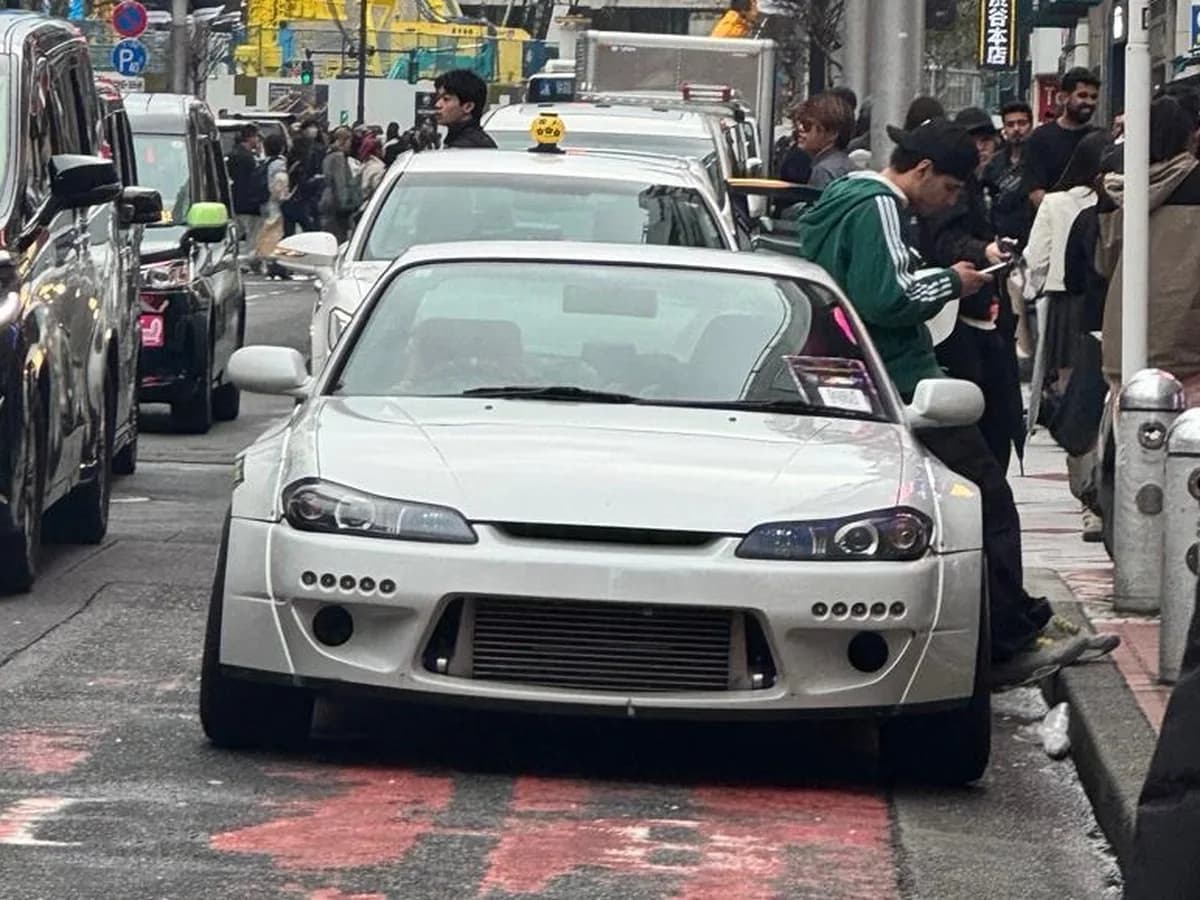
1999
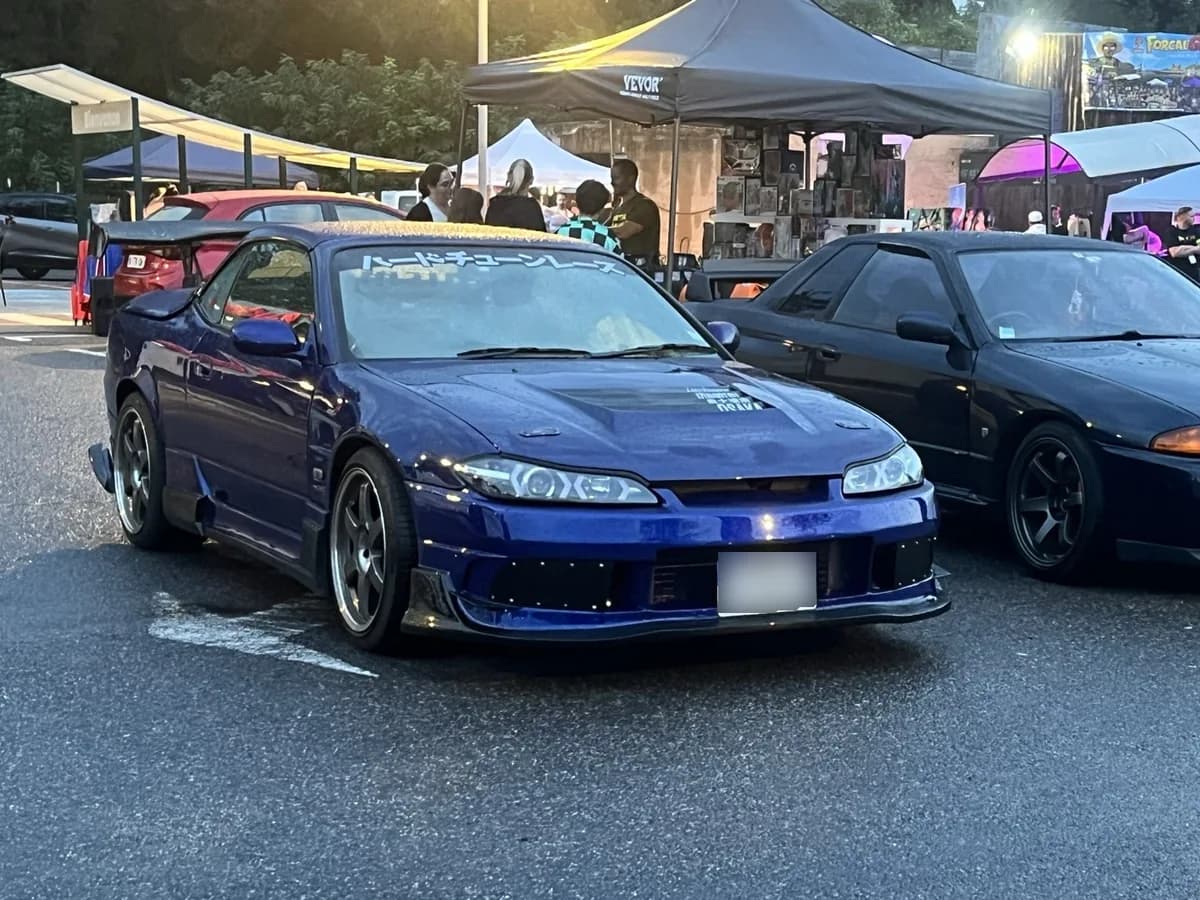
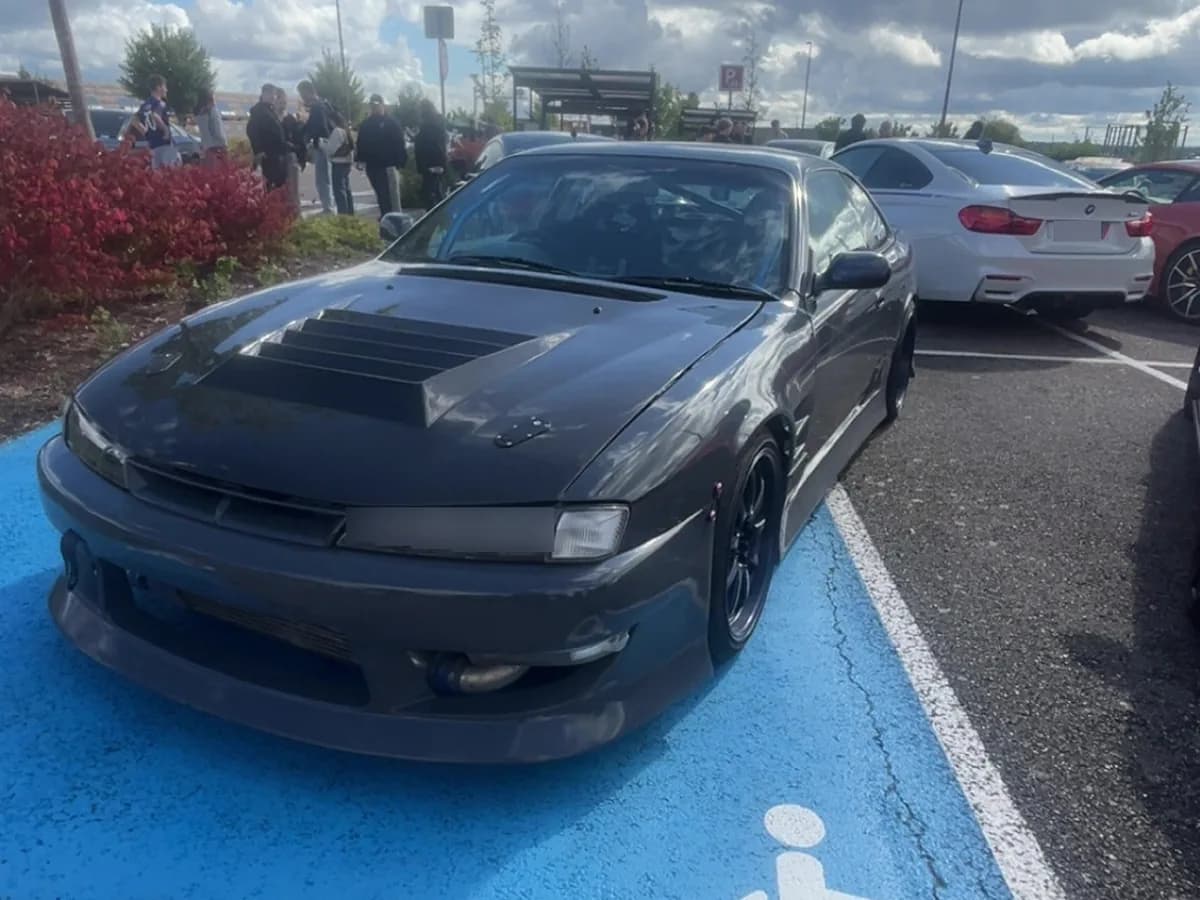
1994
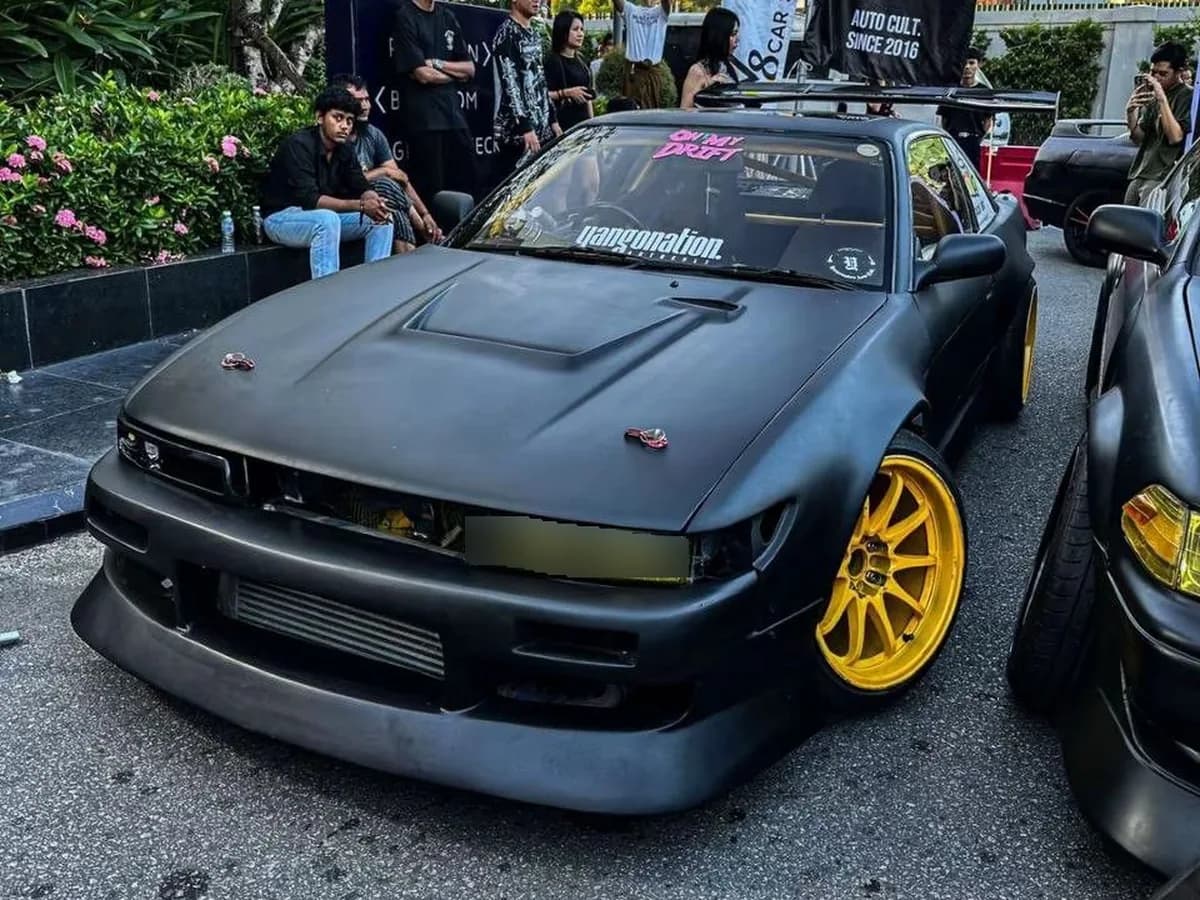
1988
1983
1979
1975
1965
Nissan Silvia photos
Model summary
Data from the ScanRacer library, organized to compare versions quickly.
Model introduction
Introduced in 1965, the Nissan Silvia is a Japanese sports coupe whose story runs from the CSP311 to the S15. The first Silvia combined Nissan-designed styling with a high level of hand-finishing and a 1.6-liter four-cylinder engine. Over the following decades, the model changed in both size and character: it began as an elegant specialist coupe, became a more attainable sports model in the 1970s, and later developed into a highly regarded rear-wheel-drive performance car through the S13, S14, and S15 generations. Those later cars offered naturally aspirated or turbocharged four-cylinder engines, independent suspension layouts, and several distinct trim levels. Depending on the market, related cars were sold under names such as 200SX, while the 180SX shared the S13 platform. (nissan-global.com)
History
The first Silvia, chassis code CSP311, appeared as a Datsun coupe at the 1964 Tokyo Motor Show before going on sale in 1965. Nissan states that only about 550 examples were built over four years because the body required unusually labor-intensive construction. Its crisp styling, carefully finished interior, and 1.6-liter twin-carburetor engine made it a distinctive Japanese coupe for its time. In December 1965, the Kanagawa Prefectural Police also selected the CSP311 for highway patrol duty. (nissan-global.com) After a break, the Silvia returned in 1975 as the S10 generation, marketed in Japan as the New Silvia and in the United States as the Datsun 200SX. The S110 and S12 generations subsequently moved the formula toward larger bodies and broader model ranges, while the Gazelle name was used for a related car through selected Japanese dealer channels. The S13, introduced in the late 1980s, strengthened the Silvia’s sporting reputation. Nissan enlarged the S14 to improve stability, comfort, and crash protection, and the S15 became the final major Japanese development of the nameplate. S15 production ended in the early 2000s. (nissan-global.com)
Generations
The Silvia timeline is commonly divided into seven major generations. The 1965 CSP311 is the rarest and most visually delicate version. The S10 appeared in 1975 and restarted the nameplate after a production gap, using a more conventional sports-coupe approach. The S110, introduced from 1979, expanded the range and offered more powerful derivatives, while the 1980s S12 brought sharper styling and turbocharged variants. (nissan-global.com) The S13 represents a major turning point. It is associated with the Silvia coupe but also with the 180SX, a hatchback model sharing the same basic platform. Depending on the market, related cars were sold as the 180SX, 200SX, or 240SX. Nissan’s sixth-generation S14 arrived in 1993 with a wider body than the S13, emphasizing stability, comfort, and safety. The S15 followed with a more compact appearance and performance-oriented versions such as the Spec-R. The Varietta, a convertible derivative of the S15, was an unusual late-production variant. Exact dates can vary between markets, model years, and historical sources. (nissan-global.com)
Key differences
The main differences between generations involve size, styling, and market position. The CSP311 is a small collector coupe distinguished by labor-intensive construction. The S10 through S12 adopted more conventional shapes and broader ranges, with coupe and hatchback-related body styles appearing across different generations. The S13 became the best-known member of the S-chassis family and was closely related technically to the 180SX. (nissan-global.com) The S14 is larger than the S13. Nissan says the increase in size was intended to improve road holding, interior comfort, and crash safety. Its 1994 K’s Type S specification used a 220-horsepower SR20DET, a multilink rear suspension, and ventilated front disc brakes. The S15 returned to more compact proportions while retaining SR20DE and SR20DET engines in the Japanese range. Equipment, engines, and names varied considerably by country, so a 200SX or 240SX badge does not necessarily identify the same specification as a Japanese-market Silvia. (nissan-global.com)
Photo recognition
Start with the chassis code rather than relying only on the commercial name. The CSP311 has a delicate body and unusually clean styling. The S10, S110, and S12 show progressively sharper shapes and period-specific trim from the 1970s and 1980s. The S13 is often recognized by its straight-edged design, fixed-headlamp Japanese coupe form, and relationship to the 180SX hatchback; body style and market should still be checked before identifying it conclusively. (nissan-global.com) The S14 generally looks wider and longer than the S13. Early and late cars differ in bumpers, headlamps, and tail lamps, although these parts are easily replaced. The S15 has a narrower-looking front end, fixed headlamps, and a shorter overall appearance. K’s, Q’s, J’s, Spec-S, and Spec-R badges can help, but they are not definitive because conversions, replacement panels, and engine swaps are common. A reliable identification should combine the chassis code, vehicle identification numbers, body configuration, engine, and original equipment. (nissan-global.com)
Important versions
Key versions include the original CSP311, notable for its rarity and labor-intensive construction, and the New Silvia LS Type S from the S10 generation. The S13 K’s is widely associated with turbocharged performance and the growing reputation of Nissan’s S-chassis cars. Nissan’s 1994 S14 K’s Type S is a particularly well-documented reference, using a 220-horsepower SR20DET. The S15 continued the performance theme with Spec-S and Spec-R variants, while the Varietta converted the Silvia into a coupe-convertible. Competition cars, including Silvia entries in Super Silhouette and Group C racing, also demonstrate the nameplate’s sporting importance, although they should not be confused with ordinary road specifications. (nissan-global.com)
References
- Silvia (1966: CSP311)Nissan Heritage Collection
- Silvia / Gazelle Heritage CollectionNissan Heritage Collection
- New Silvia LS Type SNissan Heritage Collection
- Silvia K’s Type S (1994: S14)Nissan Heritage Collection
- Nissan Silvia VariettaNissan Heritage Collection
- https://www.motortrend.com/features/nissan-silvia-s13-s14-s15-drift-car-history-specs-photosmotortrend.com
- https://www.slashgear.com/1507678/every-genration-nissan-silvia-ranked-slowest-fastest/slashgear.com
Frequently asked questions
- What years was the Nissan Silvia produced?
- ScanRacer's referenced versions cover 1965 - 1999.
- How many Nissan Silvia examples are documented on ScanRacer?
- 7 published scans from 7 members, with the latest photo added in October 2026.
What about the car you photographed?
Upload a photo to get a suggested make, model and likely year.
No account needed for the result · Publish only if you choose