
Eight
The Morris Eight is a small family car produced by Morris Motors from 1935 to 1948. Inspired by the popularity of the Ford Model Y, it enabled Morris to regain its position as Britain's largest motor manufacturer. The Morris Eight range evolved over the years, offering variants such as the Series I, Series E, and Series Z, each bringing technical and aesthetic improvements.
What about the car you photographed?
Upload a photo to get a suggested make, model and likely year.
No account needed for the result · Publish only if you choose
Variants by year
Make: Morris · Model: Eight
5 / 5 versions shown
1940
1938
1935
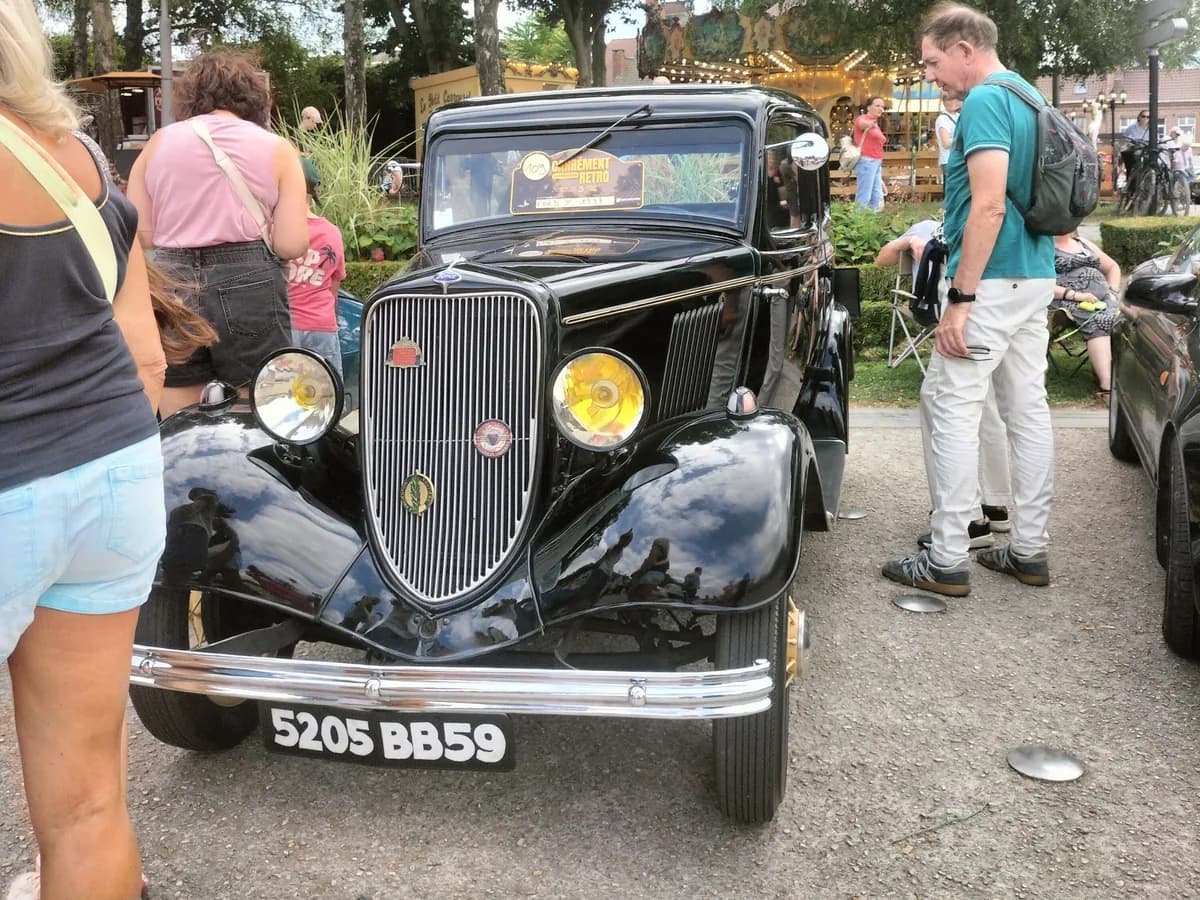
Morris Eight photos
Model summary
Data from the ScanRacer library, organized to compare versions quickly.
Model introduction
The Morris Eight is a small family car produced by Morris Motors from 1935 to 1948. Inspired by the popularity of the Ford Model Y, it enabled Morris to regain its position as Britain's largest motor manufacturer. The Morris Eight range evolved over the years, offering variants such as the Series I, Series E, and Series Z, each bringing technical and aesthetic improvements. This page brings together the versions referenced by ScanRacer, including years, variants, rarities, and available detailed pages, linking the model overview to version-by-year pages.
History
The Morris Eight was introduced in 1935 in response to the growing popularity of small family cars. It was inspired by the success of the Ford Model Y, sharing stylistic similarities. Production began in 1935 with the Series I, featuring a 918 cc four-cylinder engine producing 23.5 horsepower. In 1938, the Series E was launched, bringing a major redesign with a "waterfall" grille, integrated wing-mounted headlights, and the elimination of running boards. This version also saw an engine upgrade, now offering 29 horsepower. Production continued during World War II for military and essential civilian use, with general production restarting in 1945. The Series Z, a van version of the Series E, was produced from 1940 to 1953, with over 51,000 units built. The Morris Eight was replaced by the Morris Minor in 1948 but remains an iconic model in British automotive history.
Generations
The Morris Eight underwent several major generations during its production. The Series I, introduced in 1935, was equipped with a 918 cc four-cylinder engine producing 23.5 horsepower. In 1938, the Series E was introduced, bringing a significant redesign with a new grille, integrated wing-mounted headlights, and the elimination of running boards. This version also featured an improved 29-horsepower engine. The Series Z, produced from 1940 to 1953, was a van version of the Series E, with over 51,000 units built. Each generation contributed to the evolution of the Morris Eight, meeting the changing needs of British drivers.
Key differences
The main differences between the Morris Eight variants lie in the technical and aesthetic improvements made over the years. For instance, the Series E introduced a new "waterfall" grille and integrated wing-mounted headlights, contrasting with the more traditional design of the Series I. Additionally, the engine of the Series E was upgraded to offer 29 horsepower, compared to 23.5 horsepower for the Series I. The Series Z, on the other hand, was a van version of the Series E, with specific features tailored to utilitarian needs.
Photo recognition
To identify a Morris Eight, look for a small car with a "waterfall" grille and integrated wing-mounted headlights, characteristic of the Series E. Earlier models, like the Series I, feature a more traditional grille and separate headlights. Van versions, such as the Series Z, have a utilitarian body with specific features tailored for cargo transport.
Important versions
Among the important versions of the Morris Eight, the Series E stands out for its major redesign in 1938, bringing significant improvements in design and performance. The Series Z, produced from 1940 to 1953, is notable as a van version of the Series E, catering to the utilitarian market needs.
References
- Morris Eight Series E data and specifications catalogueAutomobile Catalog
- Morris Eight Series E (1938-1948)Motor Car
- MORRIS EIGHT SERIES EClassic & Sports Car
- https://www.automobile-catalog.com/car/1938/2026640/morris_eight_four-door_saloon.htmlautomobile-catalog.com
- https://www.classicandsportscar.com/en-in/guides/classic-cars-a-to-z/morris-eight-series-eclassicandsportscar.com
- https://tractors.fandom.com/wiki/Morris_Eighttractors.fandom.com
Frequently asked questions
- What years was the Morris Eight produced?
- ScanRacer's referenced versions cover 1935 - 1940.
- How many Morris Eight examples are documented on ScanRacer?
- 1 published scan from 1 member, with the latest photo added in July 2026.
What about the car you photographed?
Upload a photo to get a suggested make, model and likely year.
No account needed for the result · Publish only if you choose