
A
Introduced in 1955, the MG MGA represented a clear break from MG's earlier T-series roadsters. Its low, streamlined body was developed around a more modern chassis, placing the occupants between the frame rails and giving the car a noticeably more aerodynamic shape. The first version, generally known as the MGA 1500, used a 1,489 cc BMC four-cylinder engine rated at 68 bhp. The roadster was the only body style available at launch; a Fixed Head Coupe followed in 1956. The MGA range later expanded to include the 1600, the high-performance Twin Cam, and De Luxe derivatives. For 1955, the relevant model is the first production MGA, fitted with the pushrod 1500 engine and a four-speed manual gearbox.
What about the car you photographed?
Upload a photo to get a suggested make, model and likely year.
No account needed for the result · Publish only if you choose
Variants by year
Make: MG · Model: A
1 / 1 versions shown
1955
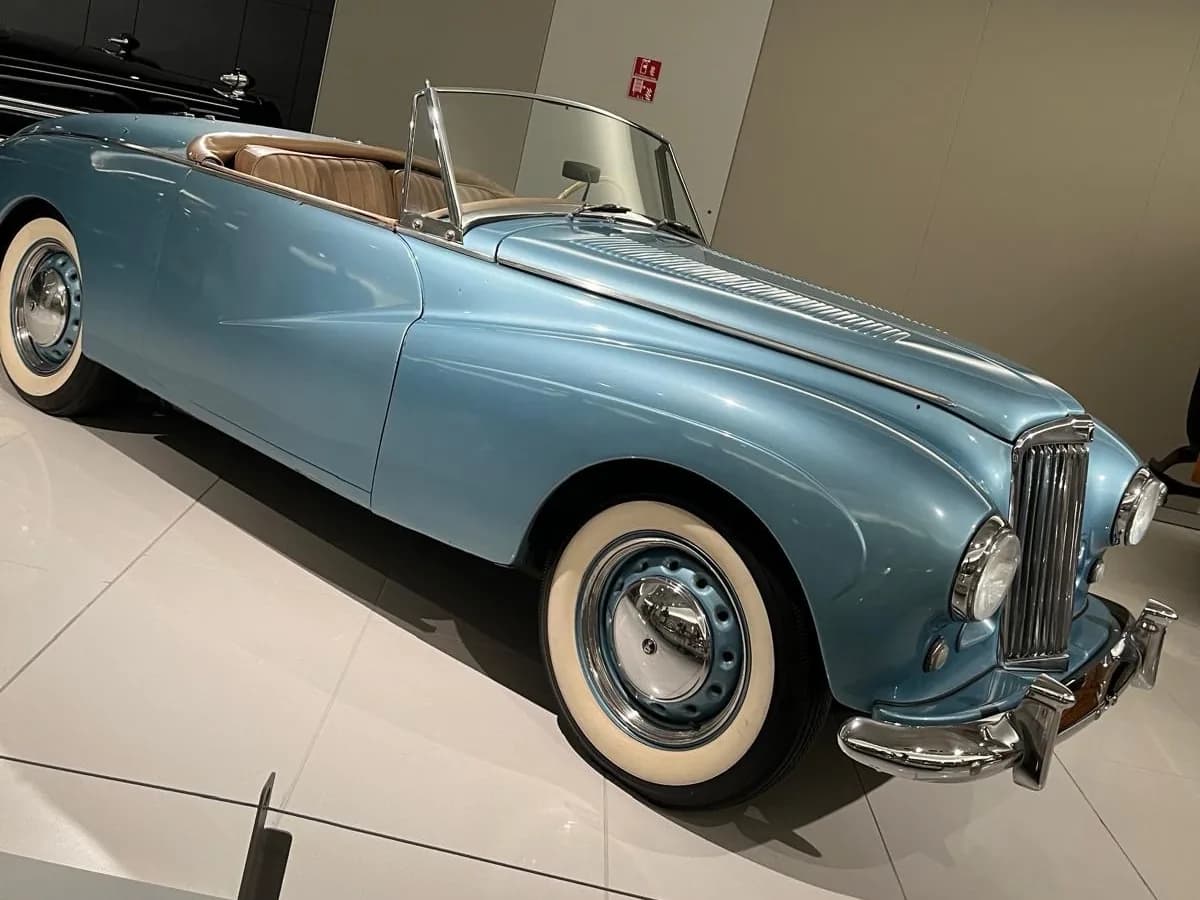
MG A photos
Model summary
Data from the ScanRacer library, organized to compare versions quickly.
Model introduction
Introduced in 1955, the MG MGA represented a clear break from MG's earlier T-series roadsters. Its low, streamlined body was developed around a more modern chassis, placing the occupants between the frame rails and giving the car a noticeably more aerodynamic shape. The first version, generally known as the MGA 1500, used a 1,489 cc BMC four-cylinder engine rated at 68 bhp. The roadster was the only body style available at launch; a Fixed Head Coupe followed in 1956. The MGA range later expanded to include the 1600, the high-performance Twin Cam, and De Luxe derivatives. For 1955, the relevant model is the first production MGA, fitted with the pushrod 1500 engine and a four-speed manual gearbox.
History
The MGA's development can be traced to a competition car designed by Syd Enever for the 1951 24 Hours of Le Mans. That prototype, together with the EX182 project, helped move MG toward a lower and more streamlined sports car than the TF. The project was initially delayed during the reorganisation of BMC, but the new MG was eventually shown to the public at London's Earl's Court Motor Show in October 1955. Production of the MGA 1500 began that year with the 1,489 cc BMC B-Series engine and a two-seat roadster body. Weight reduction was part of the design: the 1500 used aluminium for several outer panels, including the bonnet, boot lid, and doors. A Fixed Head Coupe joined the range in 1956. Engine capacity increased to 1,588 cc for the MGA 1600 in 1959, followed by the 1,622 cc 1600 Mk II in 1961. The Twin Cam, built from 1958 to 1960, introduced a twin-overhead-camshaft cylinder head and four-wheel disc brakes. MGA production ended in 1962 after more than 100,000 cars had been built.
Generations
The MGA was not divided into generations in the modern sense; its development came through several mechanical series and equipment levels. The MGA 1500, produced from 1955 to 1959, was the original model. It used the 1,489 cc BMC B-Series engine, produced a quoted 68 bhp, and initially relied on drum brakes. The Fixed Head Coupe was added from 1956 without constituting a separate generation. The MGA 1600, introduced in 1959, retained the same basic architecture but used a 1,588 cc engine rated at 79.5 bhp. The Twin Cam, launched in 1958, followed a different engineering path: its 1,588 cc engine used twin overhead camshafts, while Dunlop disc brakes were fitted to all four wheels. The 1600 Mk II arrived in 1961 with 1,622 cc and 90 bhp, along with revised body and lighting details. De Luxe versions adopted selected Twin Cam chassis, wheel, and brake components but did not use the Twin Cam's twin-camshaft engine.
Key differences
The main differences between MGA versions concern the engine, brakes, wheels, lamps, and selected trim details. The launch 1500 used a 1,489 cc engine and drum brakes. The 1600 introduced a 1,588 cc engine, higher output, revised lamps, and front turn signals. The 1600 Mk II increased capacity to 1,622 cc and brought a recessed grille together with further exterior changes. The Twin Cam is identified primarily by its twin-overhead-camshaft engine, Dunlop disc brakes on all four wheels, and centre-lock wheels; it also received a trimmed dashboard. De Luxe cars used chassis and braking equipment related to the Twin Cam but retained the conventional pushrod engine. These mechanical and equipment changes distinguish the major versions even though their body shells remained closely related. A badge or a single cosmetic detail should therefore be checked against the engine, chassis, and brake specification before a car is classified.
Photo recognition
An MGA is first recognised by its very low body, headlamps integrated into the front wings, and swept rear wings, all of which set it apart from earlier MG T-series cars. On a 1955 1500, look for the 1,489 cc B-Series engine and drum brakes, while remembering that many surviving cars have been modified. A dashboard painted in body colour is a common clue on 1500 and 1600 Mk I roadsters. Chassis and engine numbers are more dependable than an added badge or a visual restoration. The Twin Cam has a distinctive alloy cylinder head, Dunlop centre-lock wheels, and disc brakes at all four corners. The 1600 Mk II can be identified in part by its recessed grille, specific rear lamps, and trimmed dashboard. Reliable identification should combine these details with the car's serial numbers, engine type, brake arrangement, and documented history rather than relying on one exterior feature alone.
Important versions
The MGA 1500 was the founding version, launched in 1955 with a 1,489 cc four-cylinder engine rated at 68 bhp. The 1600 followed in 1959 with 1,588 cc and 79.5 bhp. Built from 1958 to 1960 in a total of 2,111 cars, the Twin Cam was the most specialised derivative, combining a twin-overhead-camshaft engine with four-wheel disc brakes and centre-lock wheels. The 1600 Mk II arrived in 1961 with a 1,622 cc engine producing 90 bhp. Limited-production De Luxe cars appeared after the Twin Cam ended, combining selected Twin Cam chassis and braking components with the conventional pushrod engine used by the 1600 series. For the 1955 model year, the relevant reference is the launch MGA 1500, before the Fixed Head Coupe and later mechanical developments were introduced.
References
- MGAs and MGA Twin CamsMG Car Club
- MGA Model ProfilesMG Car Club MGA Register
- So you want to buy an MGAMG Car Club
- Development HistoryMG Car Club MGA Twin Cam Group
- Buyer’s Guide: MGAHagerty UK
- https://www.hagerty.com/valuation-tools/mg/mgahagerty.com
- https://www.octane-magazine.com/articles/buying-guides/mga-buying-guide-history-and-model-review/octane-magazine.com
- https://www.mgcc.co.uk/mga-register/mga-history/mga-development/mgcc.co.uk
Frequently asked questions
- What years was the MG A produced?
- ScanRacer's referenced versions cover 1955.
- How many MG A examples are documented on ScanRacer?
- 3 published scans from 3 members, with the latest photo added in September 2026.
What about the car you photographed?
Upload a photo to get a suggested make, model and likely year.
No account needed for the result · Publish only if you choose