
MG
Born within the Morris business in Oxford, MG became known for compact sports cars designed to feel more lively than an ordinary saloon. The brand dates its beginnings to 1924 and the MG 14/28, before developing a distinct identity under Cecil Kimber. Models such as the M-Type Midget, T-Series, MGA and MGB combined lightweight bodies, rear-wheel drive and open-air motoring with international appeal. As the British motor industry was reorganised, MG passed through several ownership structures and its product mix changed. Since 2007, the marque has been owned by SAIC Motor and has developed an international range covering small cars, SUVs, hybrids and electric vehicles. The Cyberster represents a particularly direct return to MG’s sports-car theme, using a fully electric roadster rather than the traditional petrol-powered formula. (mgmotor.eu)
Models from A to Z
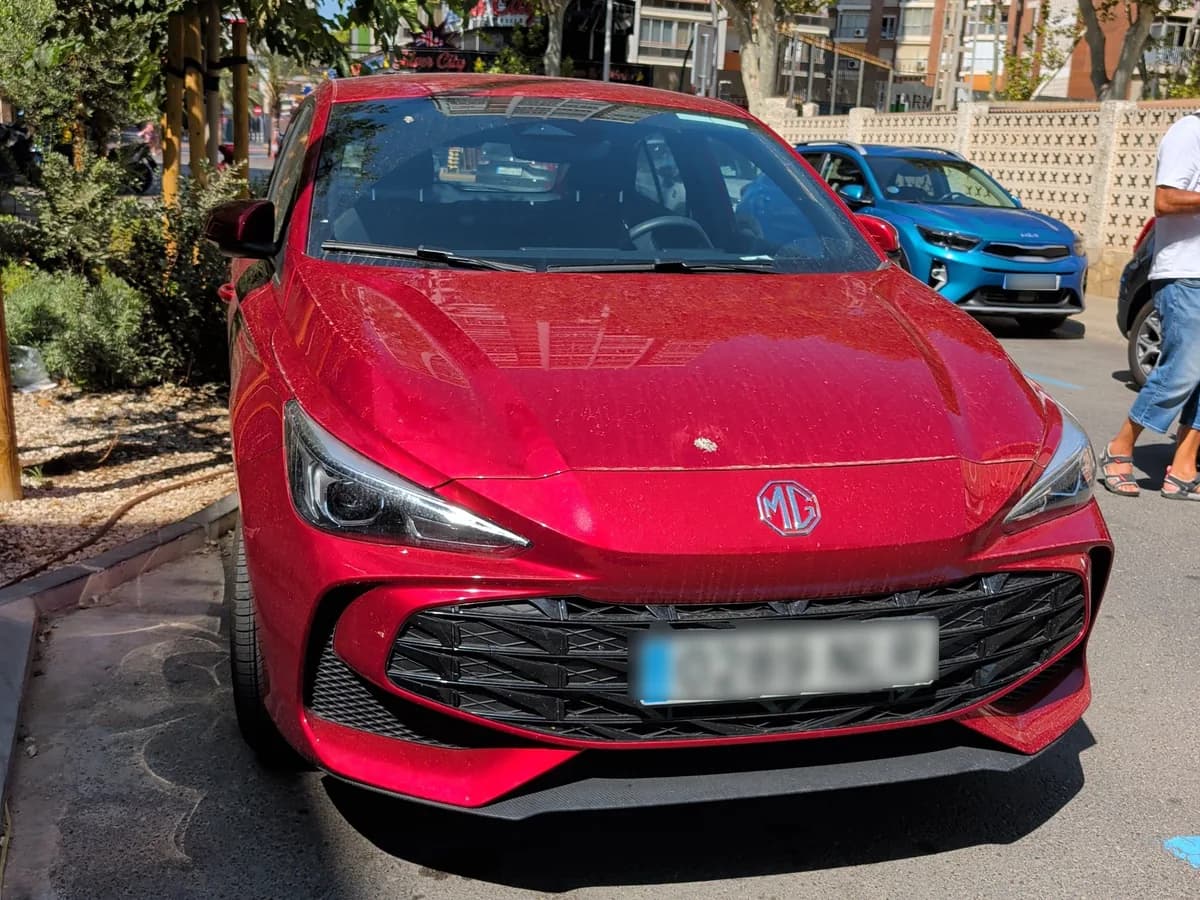
3
350
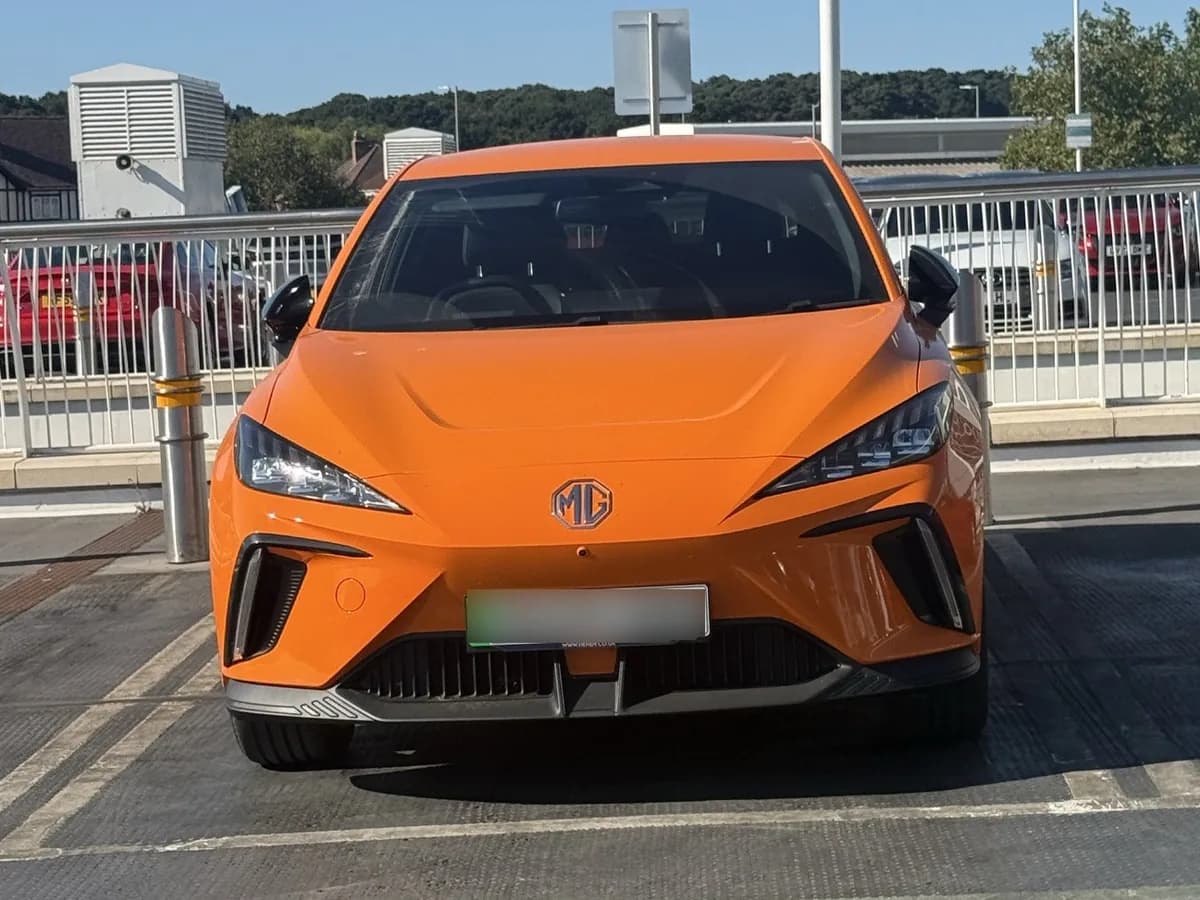
4
5
550
6
7
750
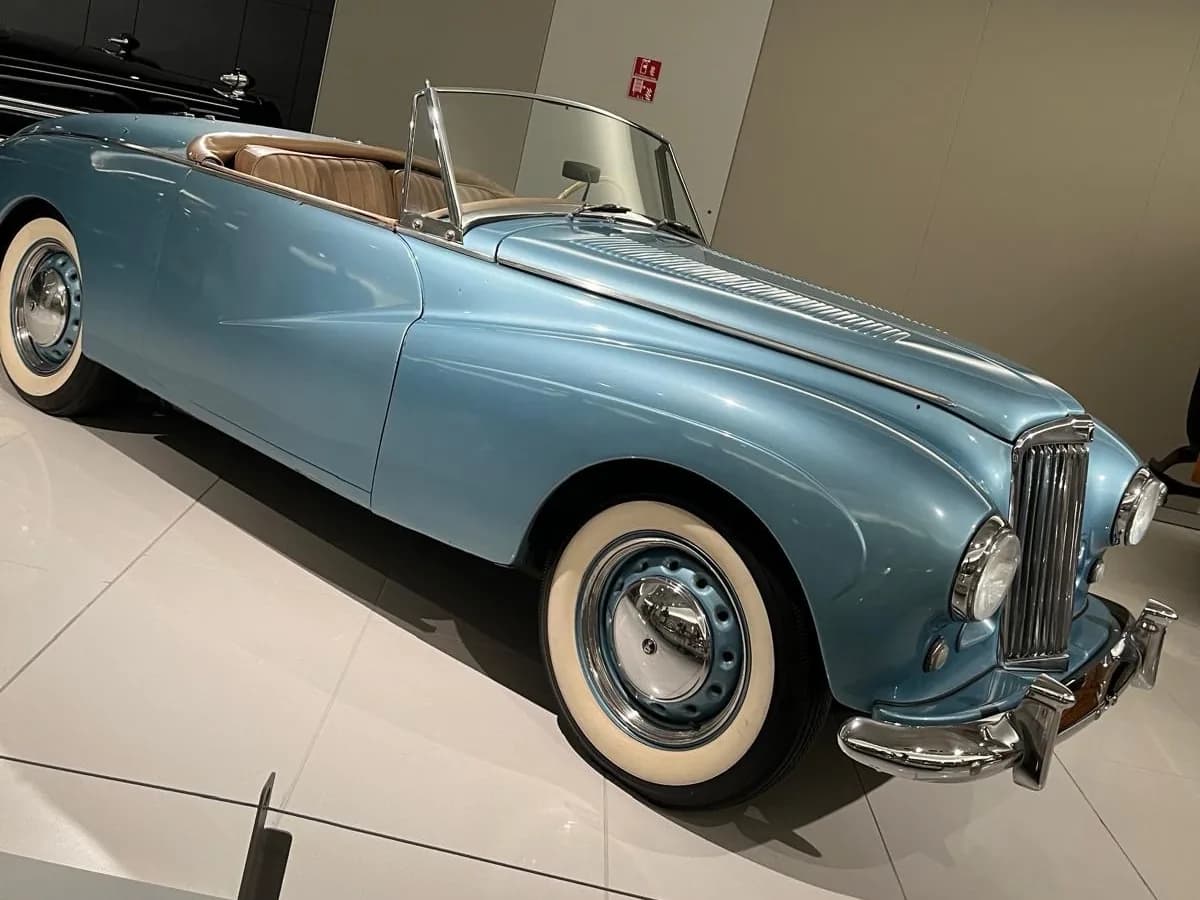
A
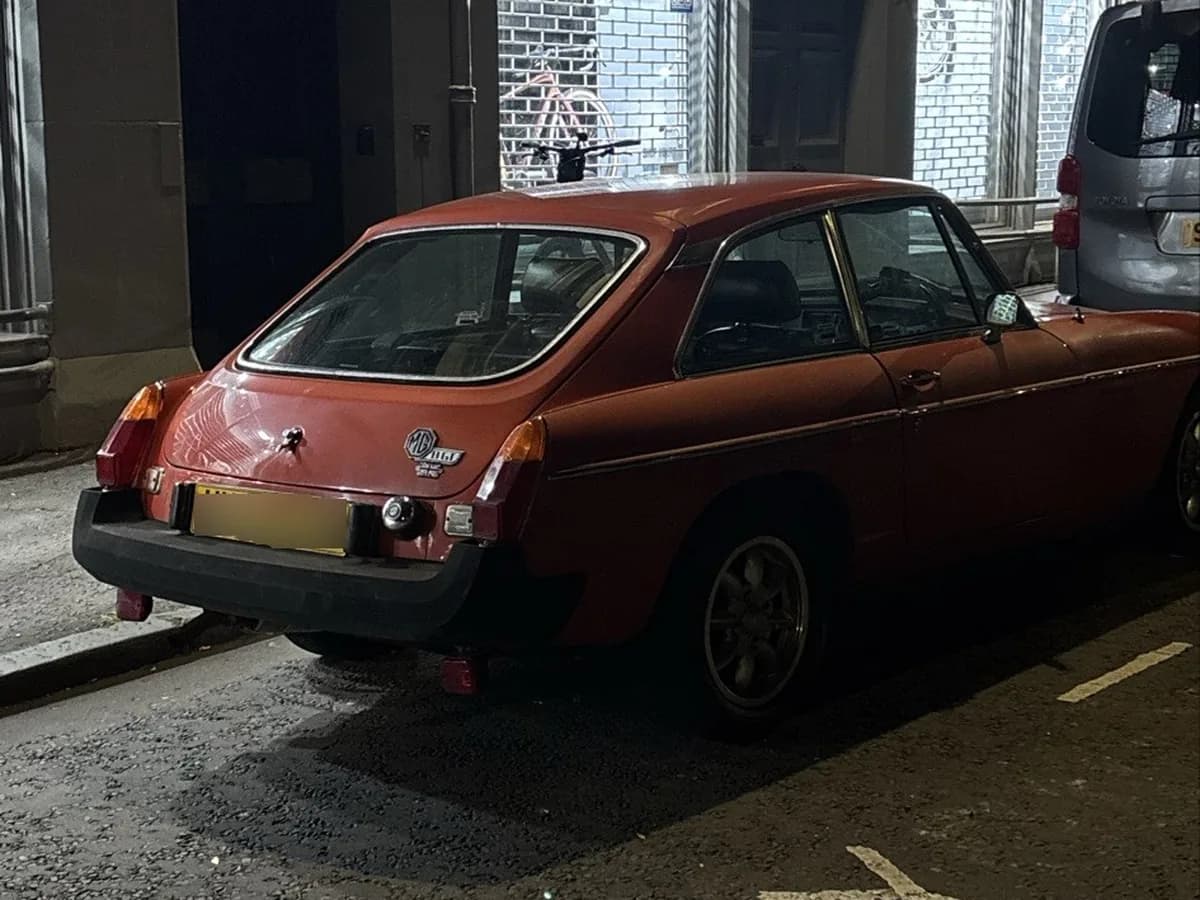
B
C
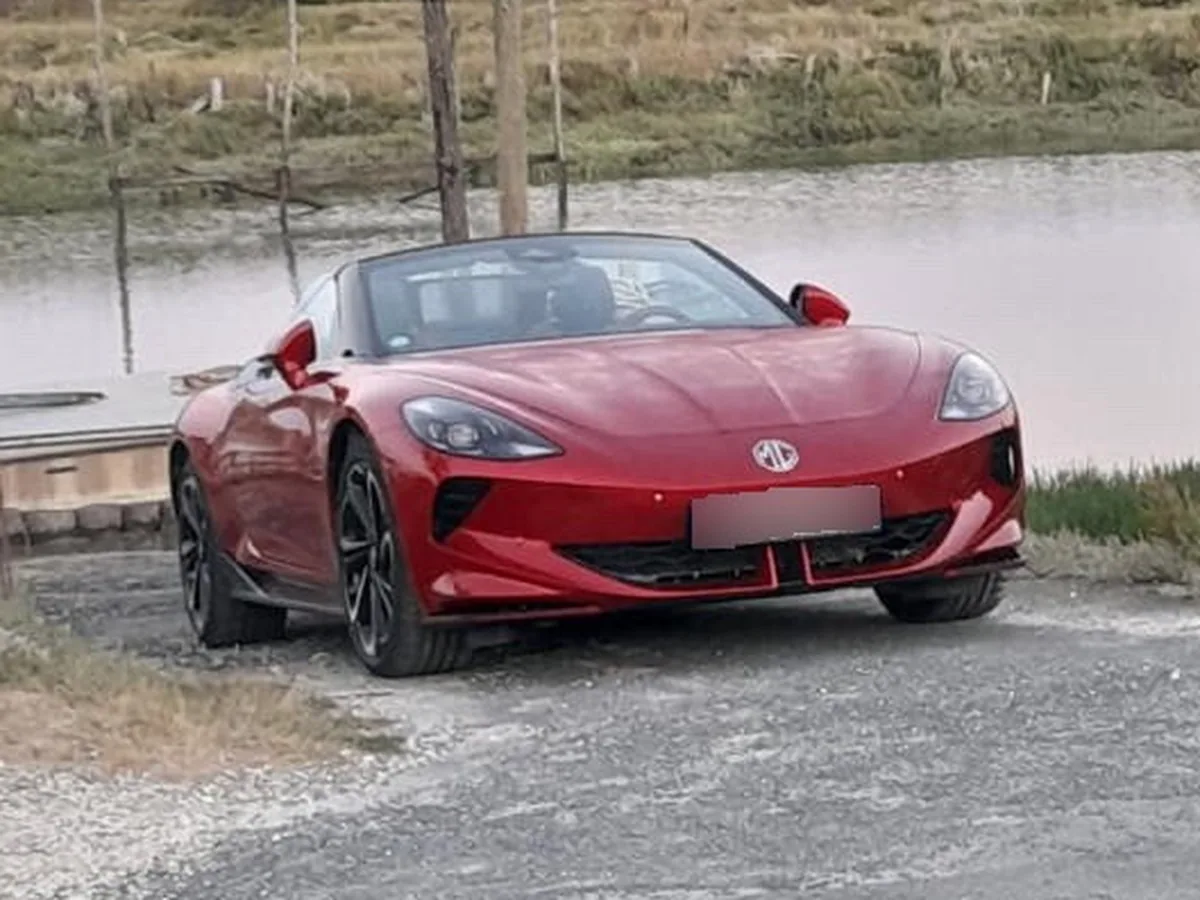
Cyberster
D-Type
EP
ES
ES5
Extender
F
F TF
G50
GS
GT
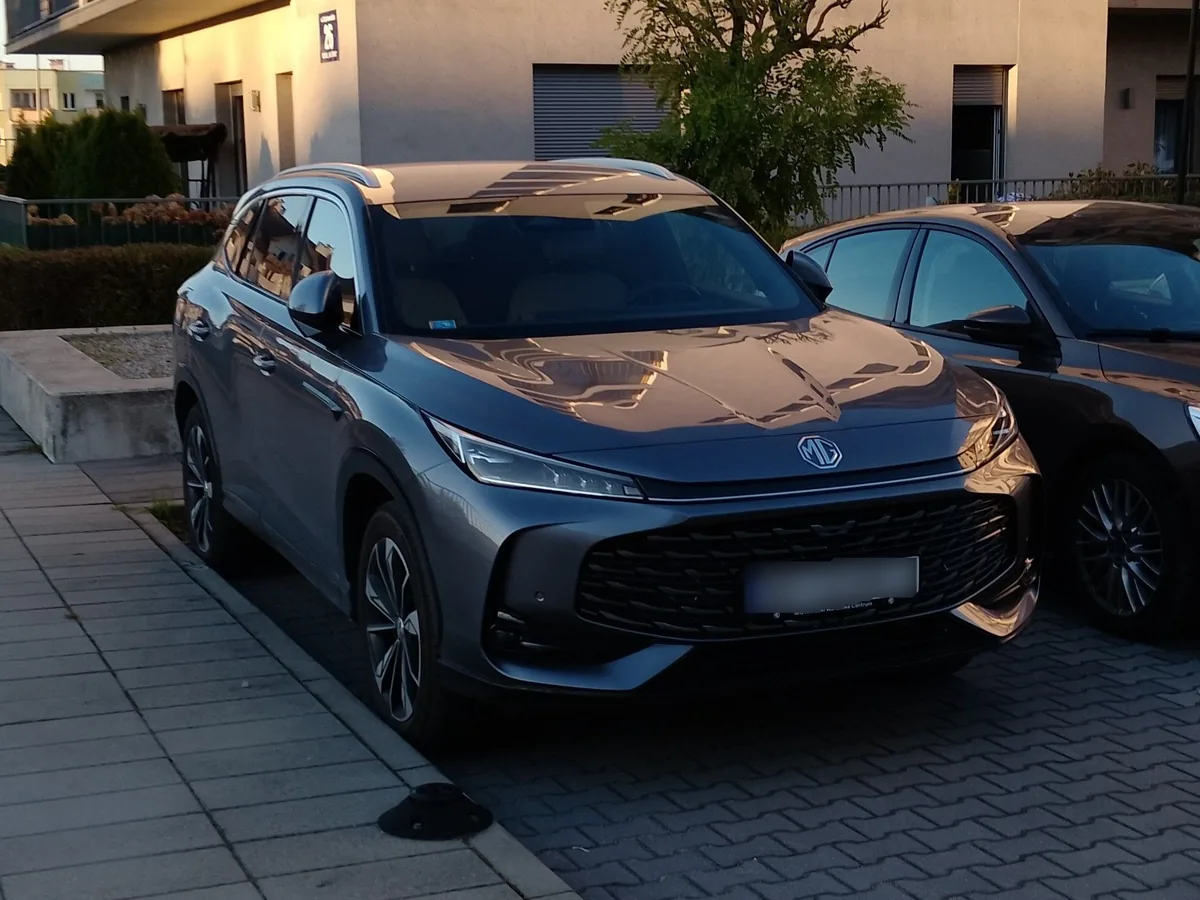
HS
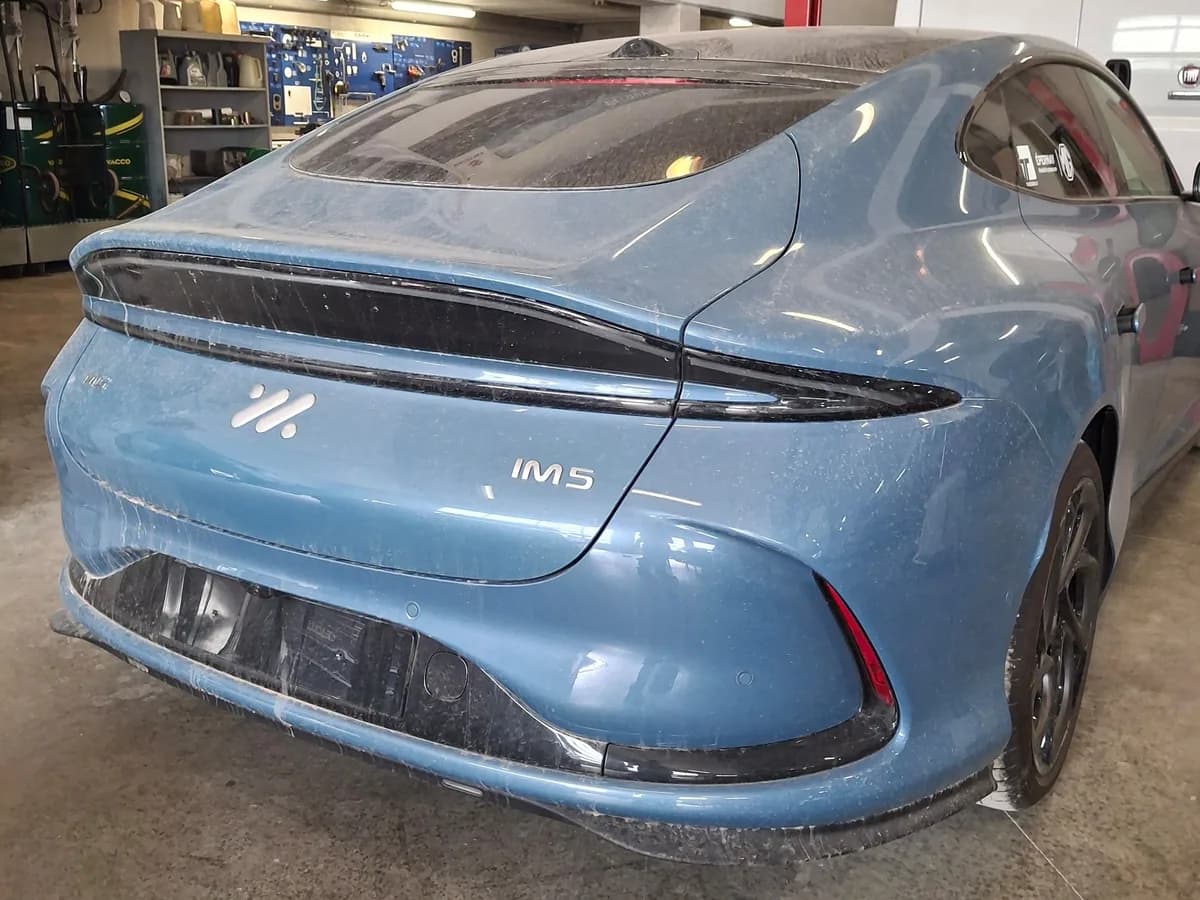
IM5
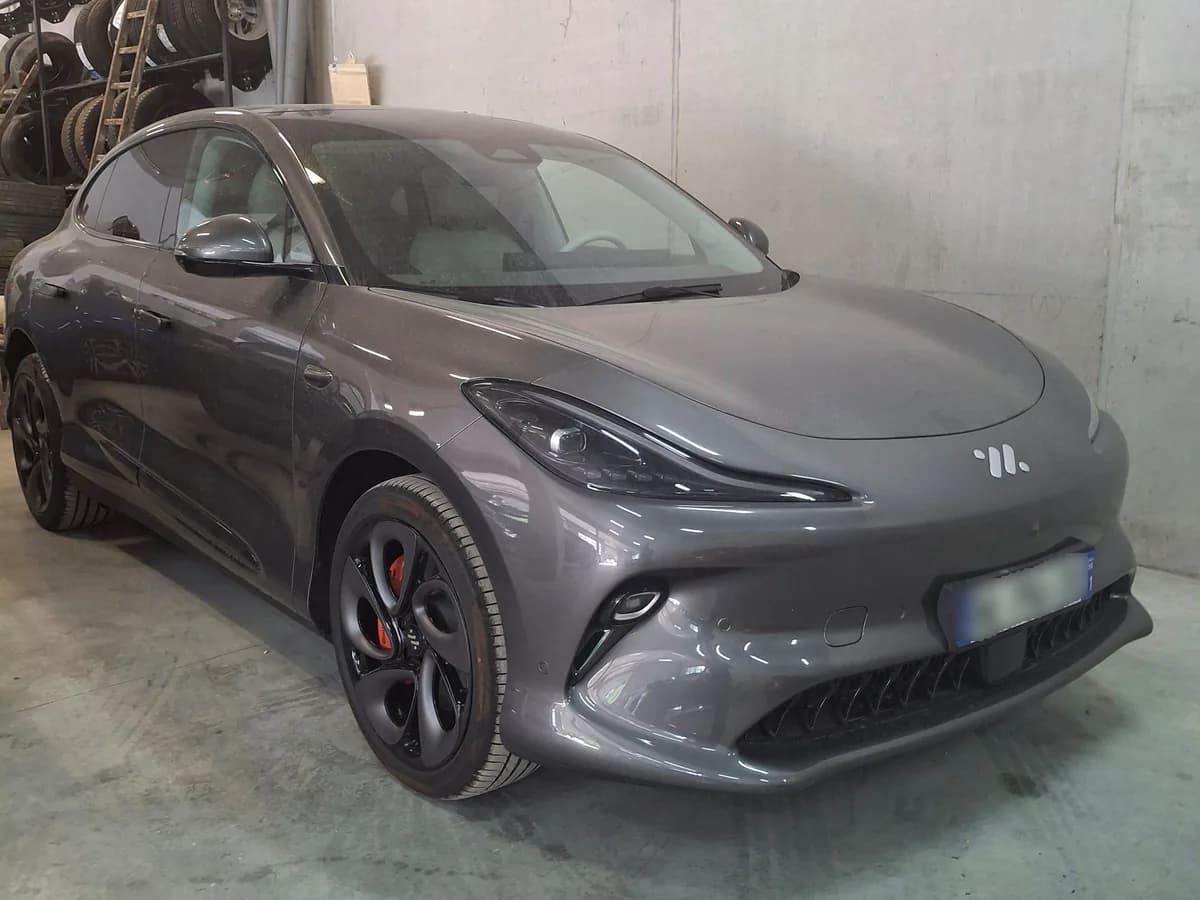
IM6
J-Type
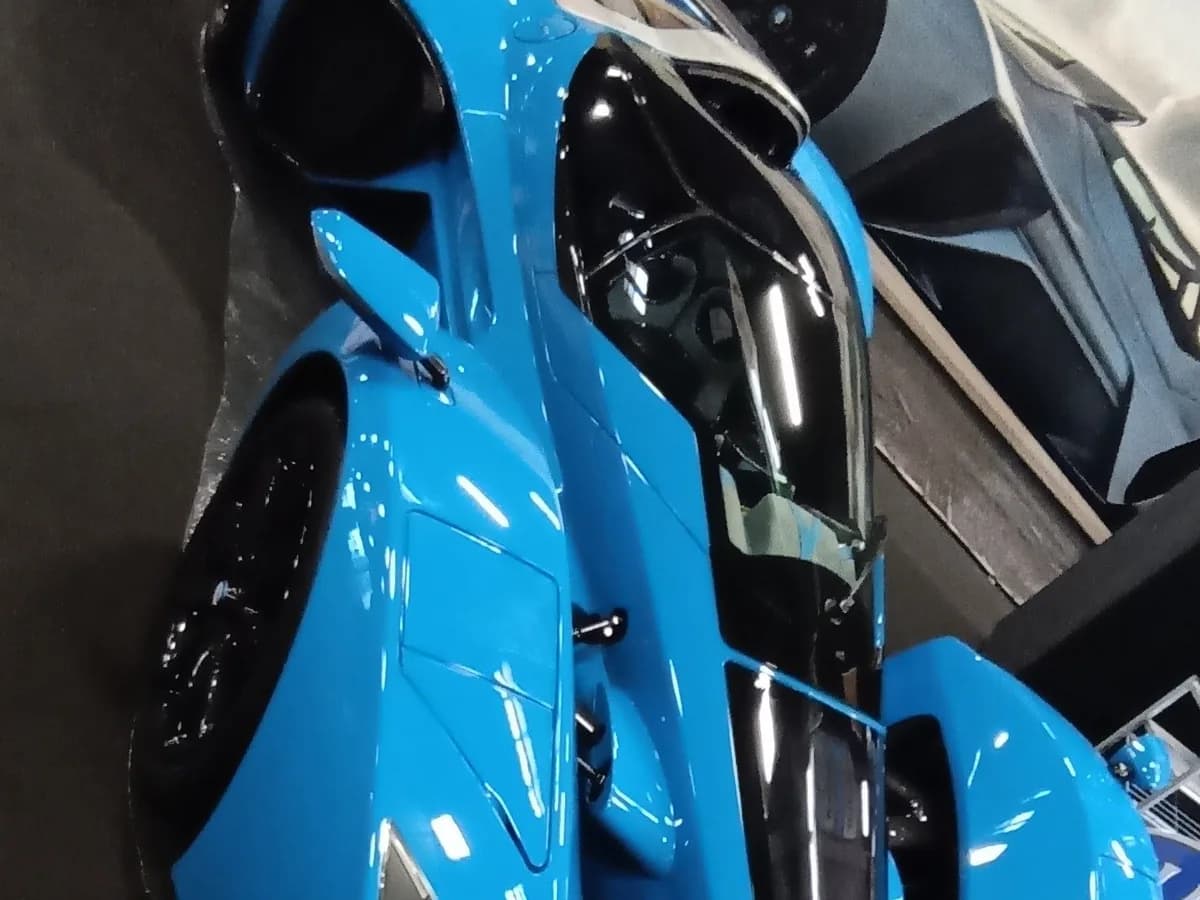
K-Type
L-Type
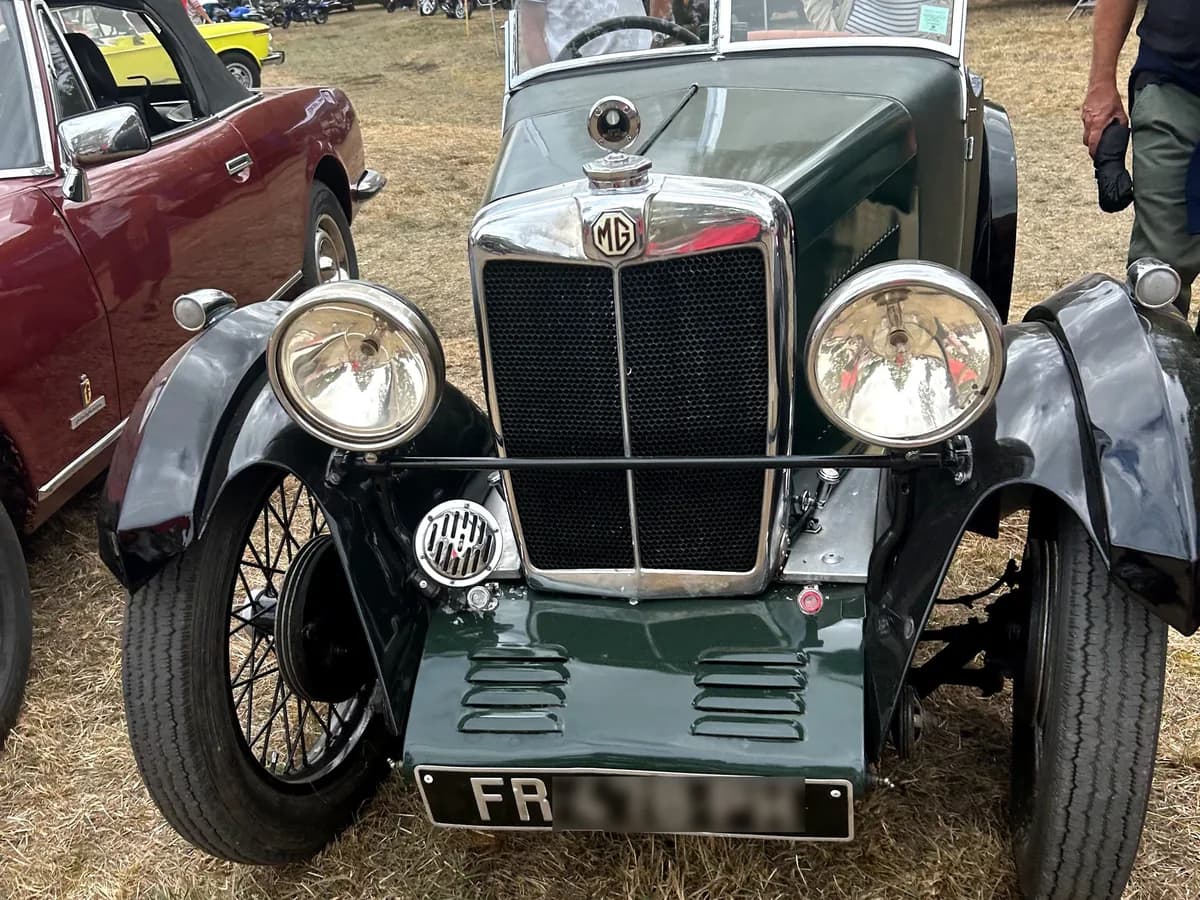
M-Type
Maestro
Magnette
Marvel R
Maxus 9
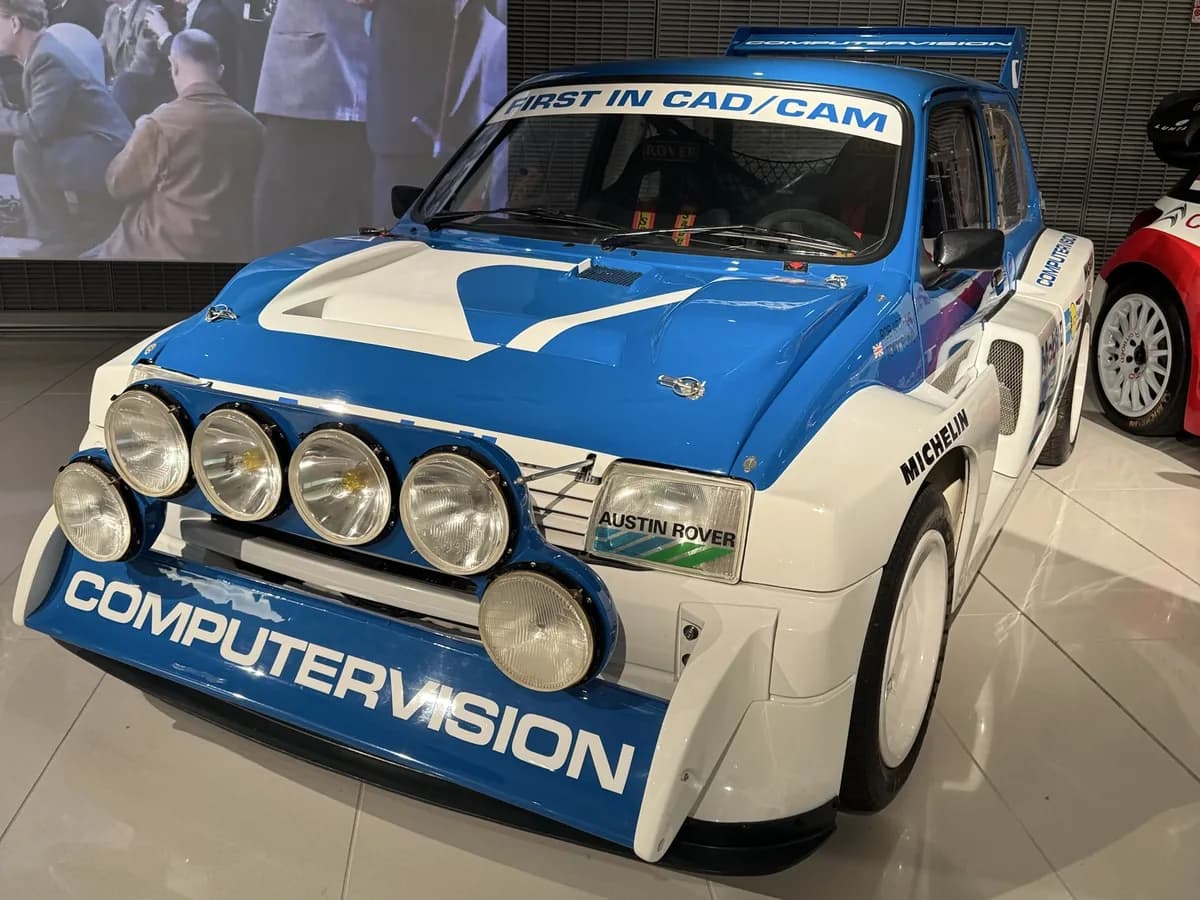
Metro
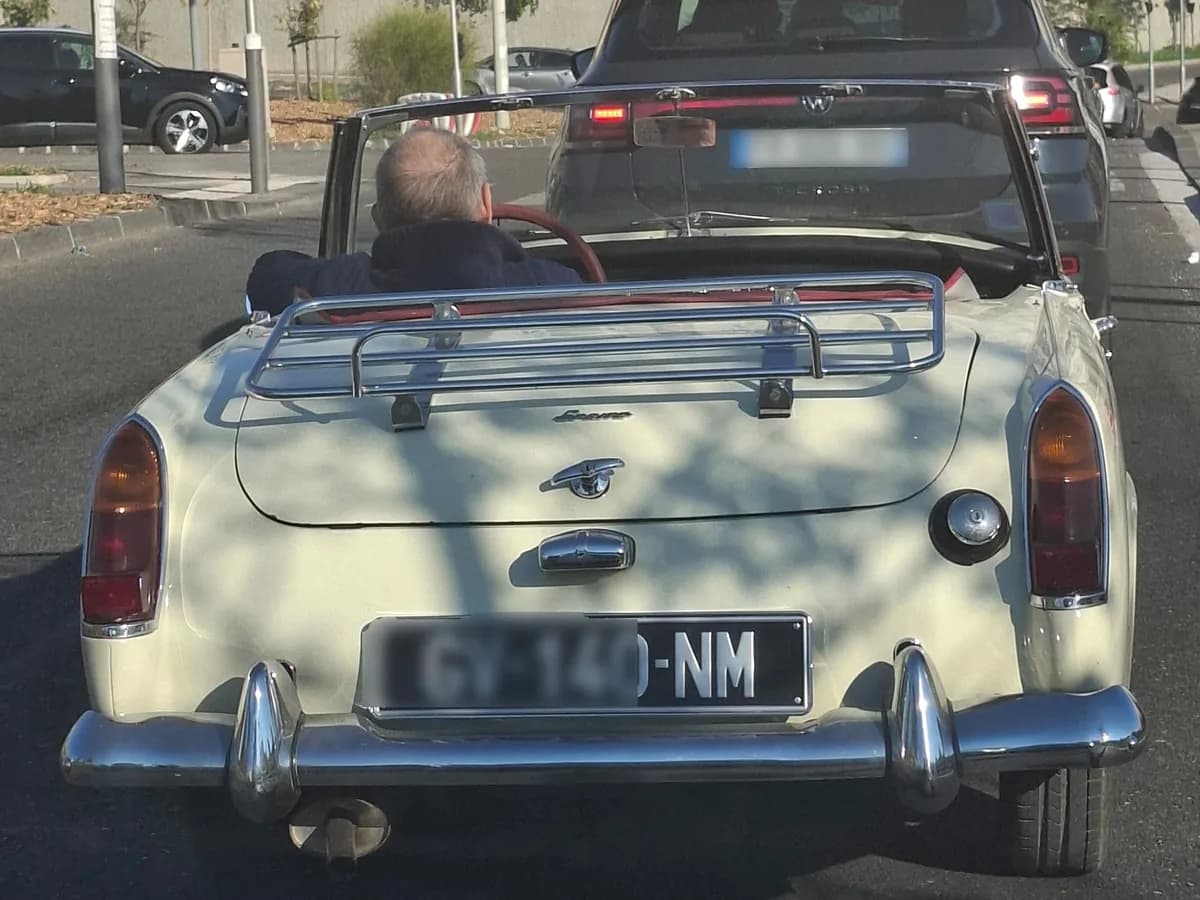
Midget
Montego
N-Type
ONE
P-Type
Q-Type
RV8
RX5
RX8
RX9
S5
S6
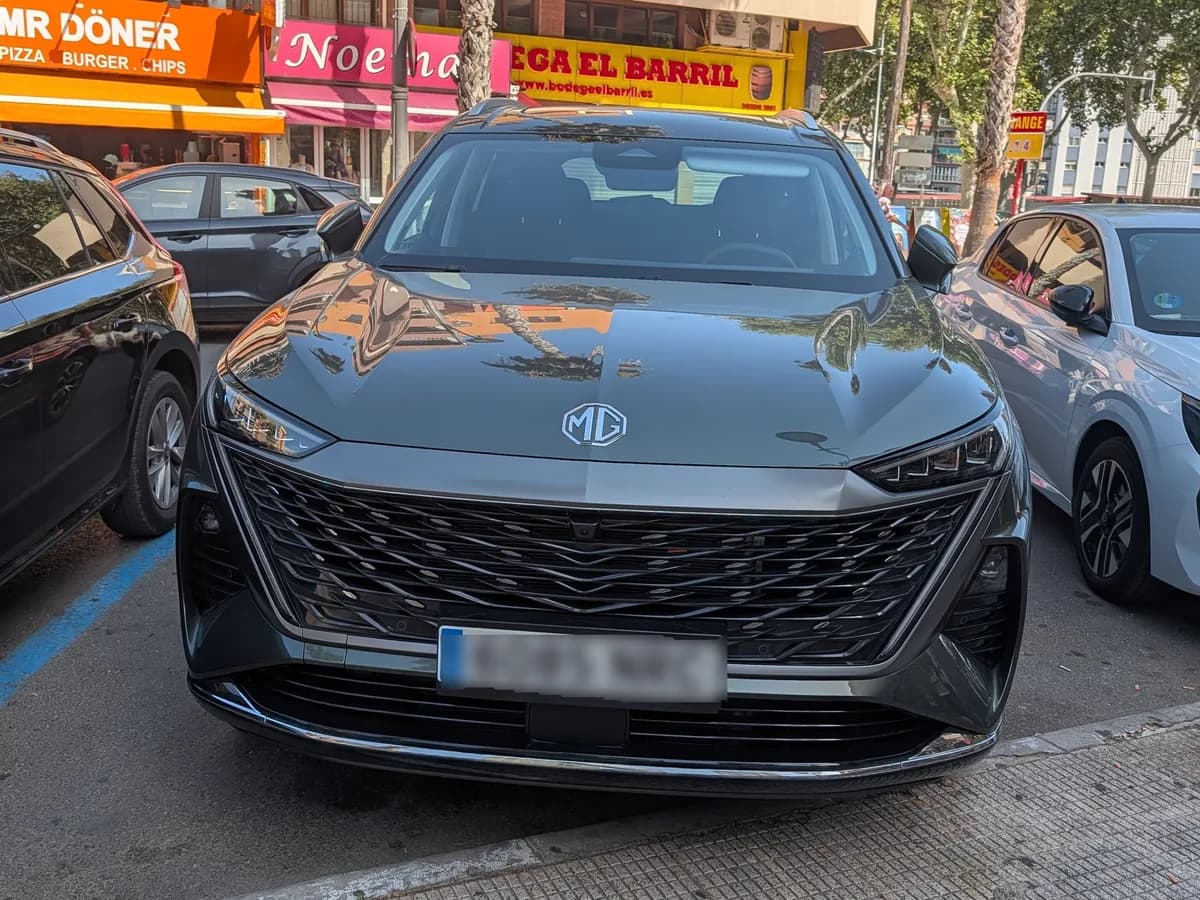
S9
SA
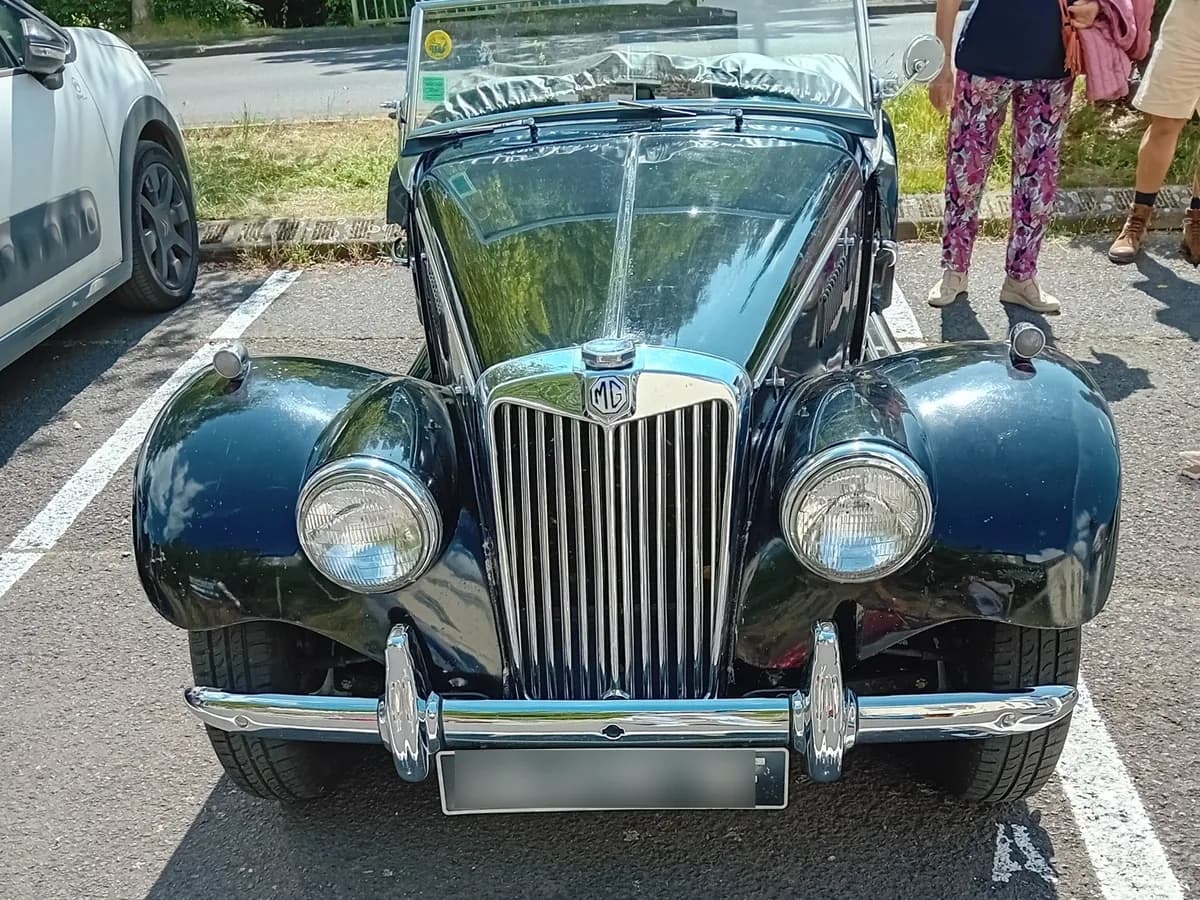
T-Type
T60
TF
U9
V80
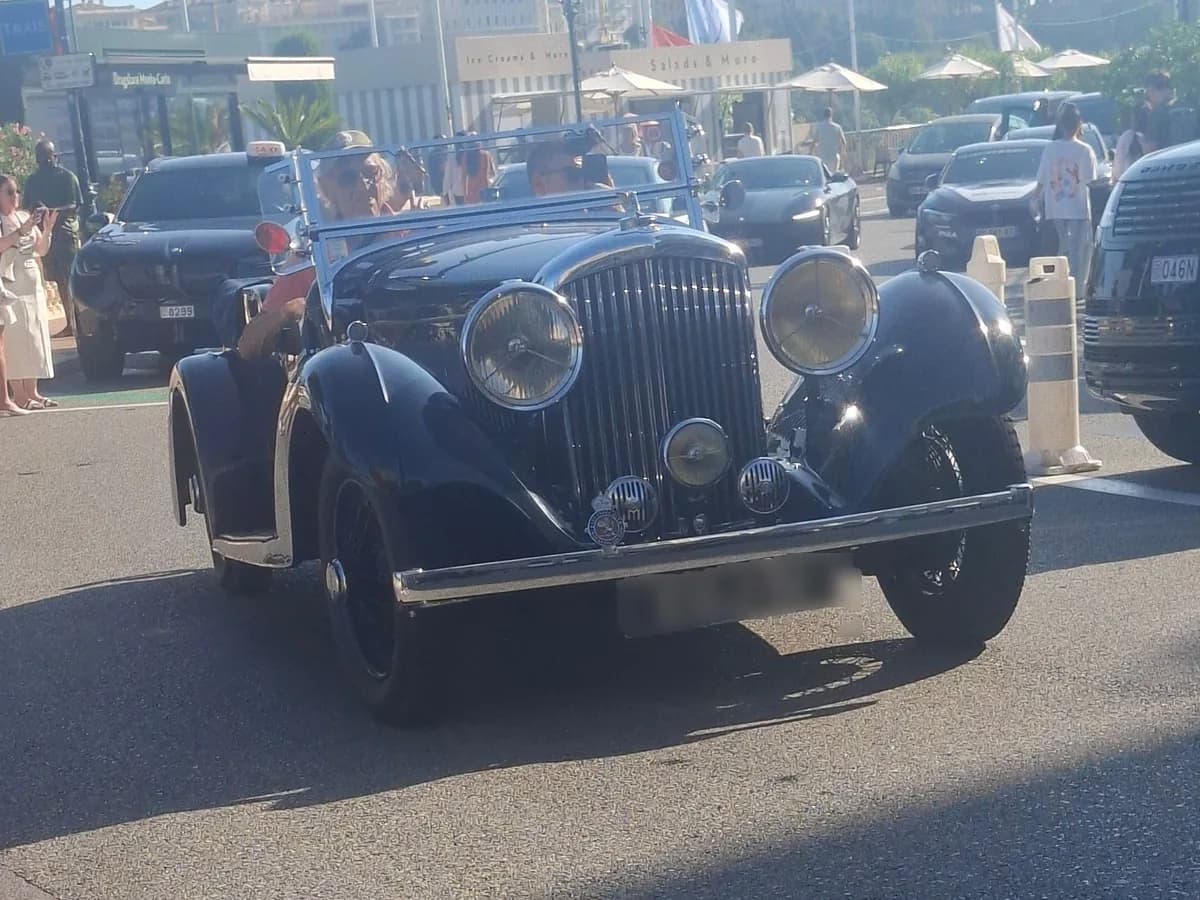
VA
VS
Whale
XPower SV
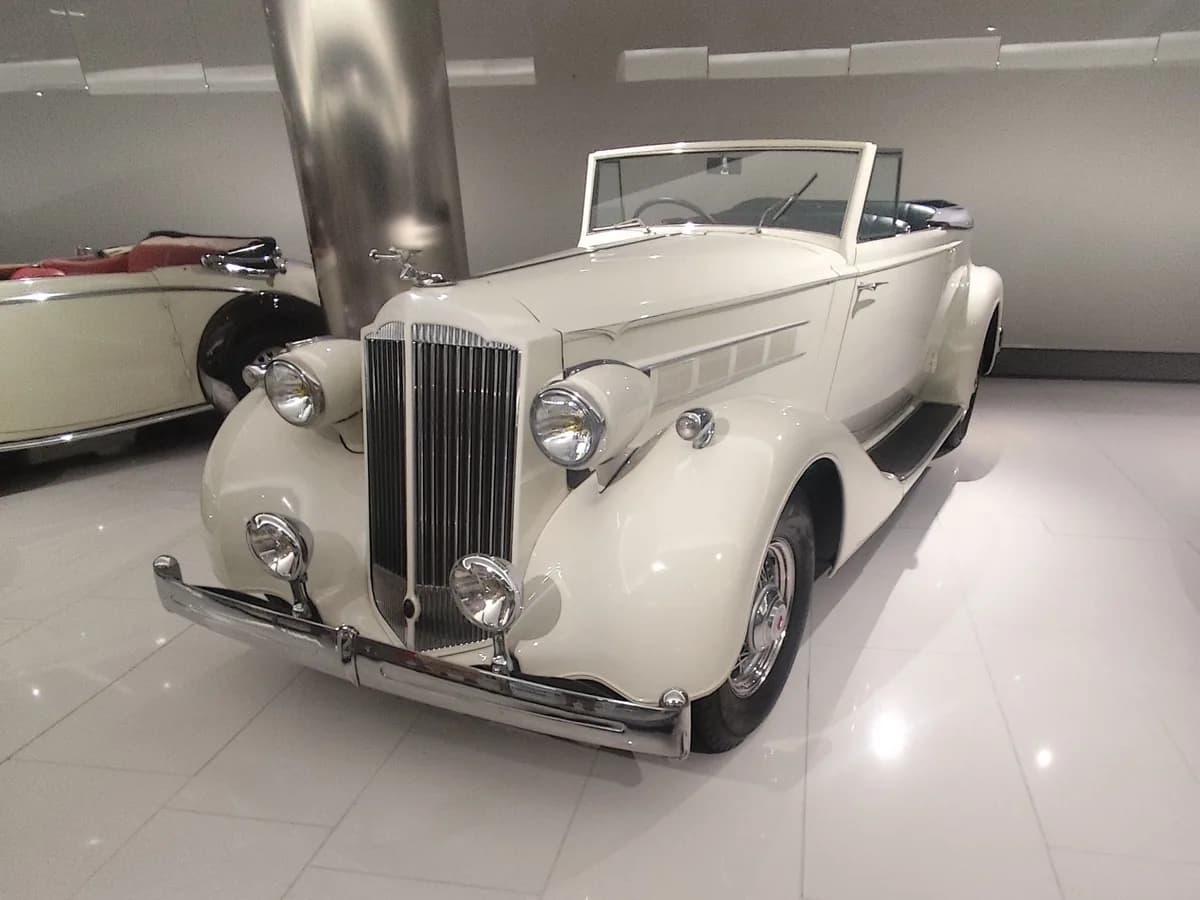
Y-Type
ZR
ZS
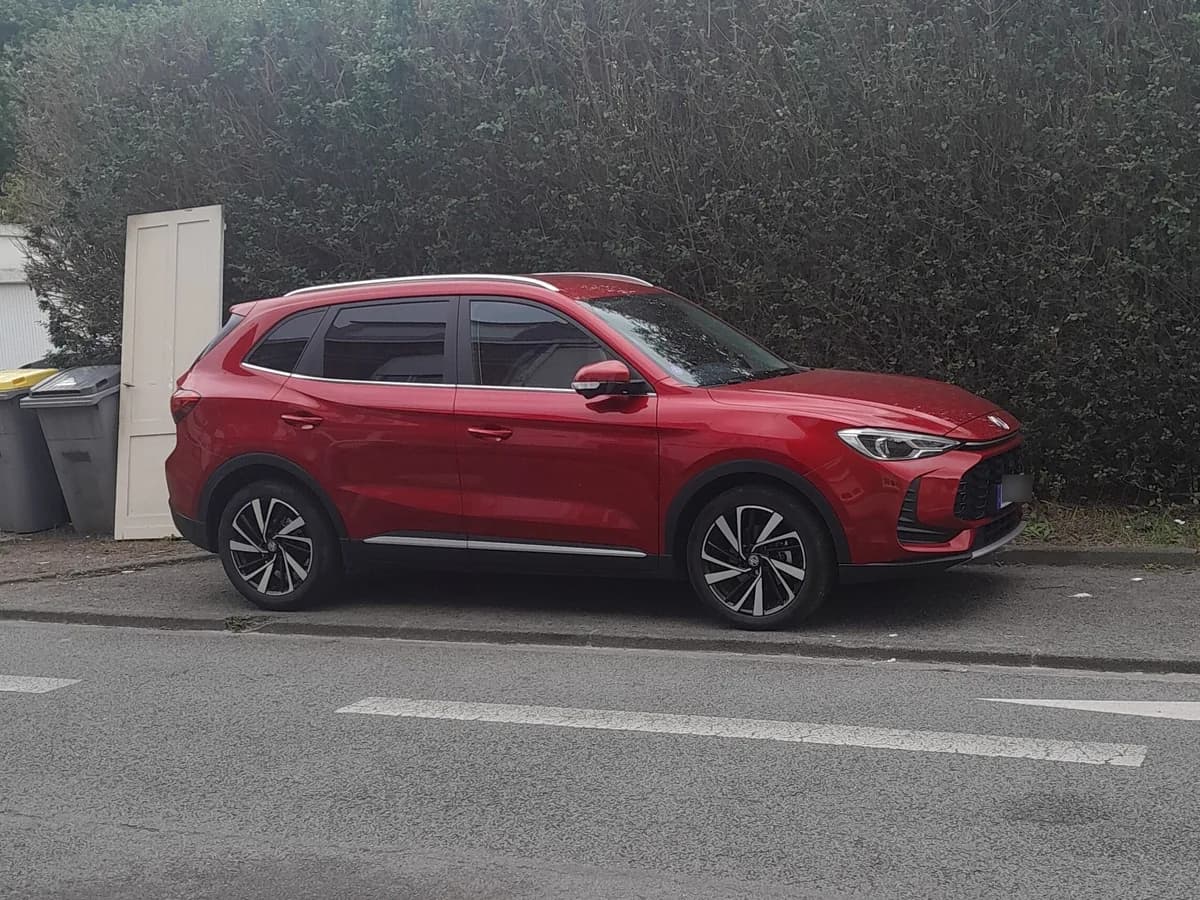
ZS SUV
ZT
ZT-T
MG overview
MG history
MG’s history began with Morris Garages, a sales and service business associated with Morris Cars. In 1924, Cecil Kimber introduced the MG 14/28, a sporting version derived from a Morris model. The project gradually developed into a recognisable car operation, with the emphasis shifting towards smaller and more accessible sports cars. The 1929 M-Type Midget helped broaden that formula, while the K3 Magnette strengthened MG’s competition reputation with a class victory at the 1933 Mille Miglia. After the Second World War, the TC helped popularise British sports cars among American customers. The MGA, introduced in 1955, brought a more streamlined shape and exceeded 100,000 sales during its seven-year production life according to MG. The 1962 MGB became one of the marque’s most widely distributed cars, combining monocoque construction with a long international career. MG later operated within Britain’s changing motor groups and produced cars including the Metro and F. A new phase followed Nanjing Automobile’s acquisition of MG in 2005. When Nanjing was acquired by SAIC Motor in 2007, MG came under SAIC ownership. (mgmotor.eu)
MG positioning
MG historically occupied a distinctive space between the affordable car and the small sports car. Its early roadsters relied on compact dimensions, relatively straightforward mechanical layouts and a more engaging driving experience than a conventional family car. The M-Type, TC, MGA and MGB helped establish that identity, while the Magnette showed that the badge could also be used on a more refined saloon. In its contemporary phase, MG is no longer restricted to two-seat cars: its range includes compact vehicles, SUVs and hybrid or electric powertrains. It is therefore more accurate to describe MG as a sporting heritage that has evolved into a broad automotive identity. The Cyberster maintains a visible connection with the classic roadsters, but its electric architecture, performance and equipment place it in a very different technical category. The continuity is primarily found in the styling language, the badge and the emphasis on driving appeal, rather than in a direct mechanical lineage. (mgmotor.eu)
Recognizing a MG in a photo
A classic MG can often be identified by its octagonal badge, upright grille and compact proportions, but these clues should always be read alongside the car’s period. The T-Type models covered here, spanning 1936 to 1953, generally use an open two-seat body, separate wings and a distinctly traditional layout. The MGB has a lower, more modern shape: its wings are integrated into the body and the GT version uses a fastback roofline. The MG B, Magnette and Y-Type belong to an earlier generation than the hatchbacks and SUVs introduced during the twenty-first century. Models such as the 3, 5, 6 and HS are easier to distinguish through their closed bodies, contemporary equipment and everyday-car proportions. Identification should also take the market and powertrain into account, because the same model name may cover several generations or variants. The Cyberster is visually distinctive as an electric roadster with scissor-style doors and modern lighting signatures. (mgmotor.eu)
Important MG models
The MG selection spans several distinct phases of the marque’s history. The T-Type represents the classic small-roadster period and includes five variants from 1936 to 1953. The B belongs to an earlier generation, while the Magnette and Y-Type show MG working in formats closer to the saloon. The P-Type and SA also reflect the breadth of the pre-war range. The Maestro, produced from 1983 to 1989, marks a transition towards a compact five-door car. In the modern era, the MG 3, 5 and 6 represent different approaches to the small car, compact saloon and family-car sectors, with careers recorded here from 2008 to 2024, 2012 to 2022 and 2009 to 2021 respectively. The HS, introduced in 2018, represents MG’s SUV direction. These models do not all carry the same historical significance, but together they show the gradual movement from a roadster-focused British marque to an international volume brand with a much broader product range.
References
- A Century of MGMG Motor Europe
- MG brand historySAIC Motor
- 10 modelos MG históricosMG Motor Europe Newsroom
- MG unveils two exciting concept cars at Goodwood Festival of Speed 2026MG Motor Europe Newsroom
- MG CybersterMG Motor Europe
- https://www.mgmotorlatam.com/en/mg-about-usmgmotorlatam.com
- https://www.mgmotor.de/brand-historymgmotor.de