
Murena
Introduced in 1980 as the successor to the Bagheera, the Matra Murena is a French rear-mid-engined, rear-wheel-drive coupe with three seats arranged across the front row. Designed by Antonis Volanis, its styling retained the practical hatchback concept of the earlier Matra while adopting a smoother, more contemporary shape and a substantially revised structure. One of its defining engineering features was a hot-dip galvanized steel chassis, intended to address the corrosion problems associated with the Bagheera. The range opened with a 1.6-liter four-cylinder engine and was soon expanded with a stronger 2.2-liter unit. Built at Matra’s Romorantin-Lanthenay plant and marketed as a Talbot-Matra, the Murena was the company’s final production sports coupe before the factory turned toward Espace production. (matra.com)
Variants by year
1980
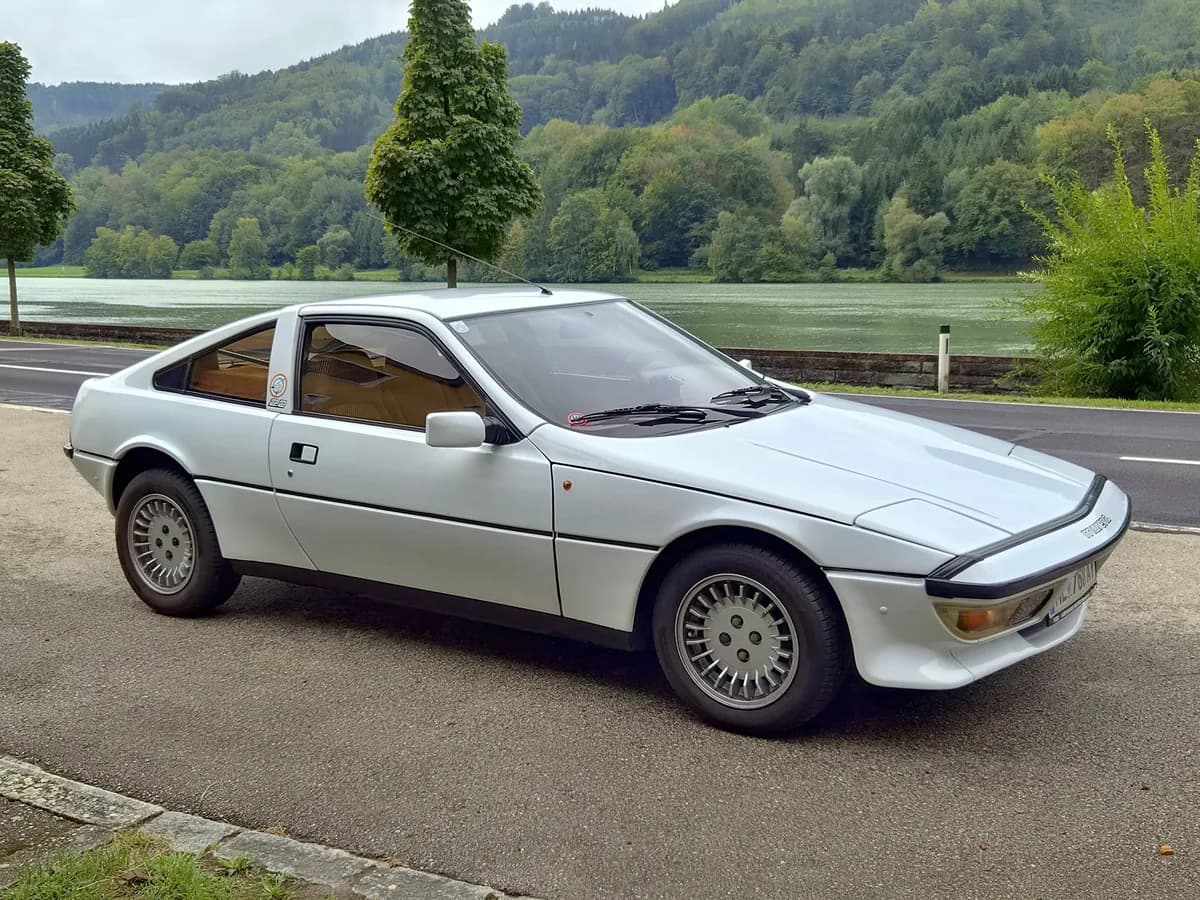
Model summary
Data from the ScanRacer library, organized to compare versions quickly.
Model introduction
Introduced in 1980 as the successor to the Bagheera, the Matra Murena is a French rear-mid-engined, rear-wheel-drive coupe with three seats arranged across the front row. Designed by Antonis Volanis, its styling retained the practical hatchback concept of the earlier Matra while adopting a smoother, more contemporary shape and a substantially revised structure. One of its defining engineering features was a hot-dip galvanized steel chassis, intended to address the corrosion problems associated with the Bagheera. The range opened with a 1.6-liter four-cylinder engine and was soon expanded with a stronger 2.2-liter unit. Built at Matra’s Romorantin-Lanthenay plant and marketed as a Talbot-Matra, the Murena was the company’s final production sports coupe before the factory turned toward Espace production. (matra.com)
History
The Murena was developed as a continuation of the Bagheera, but Matra aimed to solve several weaknesses of the earlier car. The project was associated with the M551 code for the 1.6-liter version and M552 for the 2.2-liter model. It retained the transverse engine behind the passenger compartment, rear-wheel drive and a practical rear hatch, while receiving a completely redesigned structure. The steel chassis was hot-dip galvanized to improve corrosion resistance, and Matra also worked on rigidity, aerodynamics and build quality. The car was unveiled at the Paris Motor Show in September 1980, during the transition from Simca to Talbot following PSA’s takeover of Chrysler Europe. Production began with the Murena 1.6, while the 2.2 arrived in 1981 with greater torque and a higher equipment level. A 142-hp performance development was later created from the 2.2, followed by the Murena S near the end of the model’s life. Production ended in 1983 as the Romorantin plant was prepared for the Matra-designed Espace. Matra records total Murena production at 10,680 cars between 1980 and 1983. (matra.com)
Generations
The Murena did not go through several conventional generations. Instead, it formed a single short-lived model line that evolved through engine, equipment and performance changes. The range began with the Murena 1.6, using a Simca-Talbot four-cylinder engine mounted transversely behind the passenger compartment and driving the rear wheels through a five-speed manual gearbox. The Murena 2.2 arrived in 1981 with the 2,155cc four-cylinder associated with the Talbot range. It generally brought a higher equipment level, including comfort features and larger wheels depending on specification and model year. In 1982, a 142-hp performance kit was offered for selected 2.2 cars. This should not be treated as a separate generation: it was an upgrade of the same basic car. The Murena S was the sporting culmination of the range, combining the performance preparation with equipment and chassis-related changes. Production figures for individual derivatives differ across secondary references, so identification is best based on the engine, model year, original equipment and chassis number rather than on an assumed generation structure. (autoencyclopedie.com)
Key differences
The main differences between Murena versions concern the engine and equipment level. The 1.6 is the simpler model, using a 1,592cc four-cylinder that keeps the car relatively light and affordable but offers less performance. The 2.2 uses a more torquey 2,155cc engine and generally includes a higher level of comfort and trim, with 14-inch alloy wheels on applicable specifications. Suspension settings and interior details also changed during production. The 142 kit added a more ambitious engine preparation to selected 2.2 cars; it was not a completely separate factory engine. The Murena S represents the sporting final version and should not automatically be confused with an ordinary 2.2 modified by a later owner. For reliable identification, the most useful clues are the engine type, wheel design, interior trim, original equipment and supporting paperwork. Later modifications can make visual classification difficult, especially when a standard 2.2 has received performance parts or replacement trim. (autoencyclopedie.com)
Photo recognition
The Murena is most easily recognized by its low hatchback coupe profile and its three seats arranged across a single front row. The center seat can carry a passenger or fold into an armrest when the car is used by two people. The engine is not located under the front hood: it sits transversely behind the passenger compartment, beneath the opening rear hatch. Composite body panels, extensive side glass and the car’s smooth aerodynamic shape distinguish it from the more angular Bagheera. The galvanized chassis is not an exterior identifier, but it is important during inspection. Buyers should still examine seams, suspension mounting points, subframes and surrounding components because galvanizing does not make every part of an old car immune to deterioration. Badges, wheel designs and trim can suggest whether a car is a 1.6 or 2.2, but modifications and replacements are common. The engine installation, original documentation and chassis number provide the most dependable confirmation. (lanemotormuseum.org)
Important versions
The Murena 1.6 is the entry point of the range and corresponds to the model’s initial engine offering. The 2.2, introduced in 1981, is generally sought for its stronger torque and more comprehensive equipment. The 142 kit is a sporting development of the 2.2, but its originality should be verified because similar upgrades may have been installed later by owners or dealers. The Murena S is the most powerful factory version from the final phase of production. For a 1980 example, the 1.6 designation is the most consistent with the model’s launch; any car described as a 1980 2.2 should be checked carefully against its documents and chassis number. Engine swaps, replacement interiors and later performance conversions mean that badges alone are not sufficient evidence of specification. (autoencyclopedie.com)
References
- Matra Murena - 1983Lane Motor Museum
- Matra Murena (1981-1984)Auto Encyclopédie
- Matra Murena : so kitsch, so french !CarJager
- Matra FAQ: Murena modelsMatra Enthusiasts Club
- Matra Murena - Sports CarsDiseño-art
- https://www.matrasport.dk/Cars/Murena/history.htmlmatrasport.dk
Frequently asked questions
- What years was the Matra Murena produced?
- ScanRacer's referenced versions cover 1980.
- How many Matra Murena examples are documented on ScanRacer?
- 1 published scan from 1 member, with the latest photo added in September 2026.