Isuzu D-Max 2011
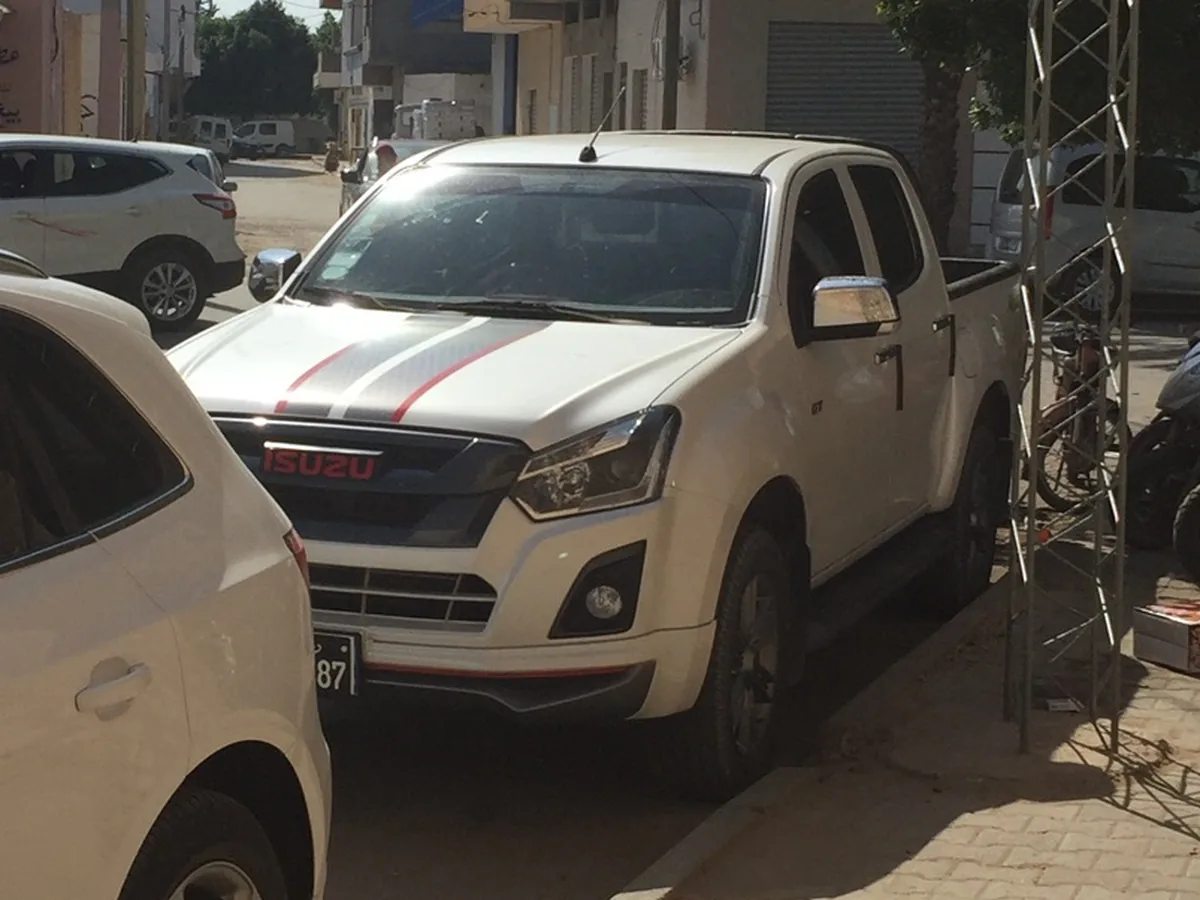
The 2011 Isuzu D-Max Base belongs to the first generation of the D-Max pickup, a line introduced in 2002 as the successor to the Isuzu Faster. In Base trim, it represents the simplest end of the range, with no specific equipment details provided in the dossier. Over time, the D-Max moved from a compact pickup concept toward a mid-size model designed to serve a wider set of needs. In 2011, it still sits within the first generation, before the full model overhaul that arrived in 2019. Its identity is tied mainly to the D-Max name itself: a robust pickup with a strong presence and the brand’s recognizable front-end styling.
History
The D-Max first appeared in 2002 as the successor to the Isuzu Faster, with the goal of offering a pickup that could meet a broad range of needs. Originally conceived as a compact pickup, it gradually evolved into a more versatile vehicle and eventually into a mid-size pickup. The year 2011 falls at the end of the first generation, which ran until that year before the arrival of a second generation. That places the 2011 Base version in an important transition phase in the model’s story. It still belongs to the original D-Max architecture, before the major changes in styling, performance, and safety that came later, including the 2019 full redesign. Within the dossier, the D-Max is portrayed as a robust model suited to drivers looking for a simple and versatile pickup.
Latest scans
Photos added by the community for this page.
Production
The first-generation D-Max was produced until 2011, placing the 2011 Base version at the end of that cycle. The dossier does not specify production sites, volumes, or manufacturing details unique to this trim. It does, however, make clear that a second generation followed, before a complete redesign in 2019. The 2011 Base therefore belongs to the final year of the first generation as described in the provided information. That timeline gives it a specific place in the model’s history, even though no more detailed production facts can be added.
Evolution
Variants
References
- Isuzu pick-up D-MAX has undergone a full model change in the first time in 8 yearsIsuzu Motors Limited
Annonce du changement complet du modèle D-MAX en 2019, après huit ans.
- Isuzu launches D-MAX and MU-X with newly developed diesel engines in ThailandIsuzu Motors Limited
Lancement du D-MAX avec un nouveau moteur diesel de 2,2 L et une transmission automatique à 8 vitesses en 2024.
- Isuzu Significantly Improves its D-MAX Pickup TruckIsuzu Motors Limited
Améliorations significatives du D-MAX en 2023, avec plus de cinq millions d'unités produites.
- https://www.isuzuphil.com/index.php/vehicles/d-maxisuzuphil.com
Source found by OpenAI web search for this model page.
- https://www.isuzu-motors.cz/d-maxisuzu-motors.cz
Source found by OpenAI web search for this model page.
- https://www.isuzu-motors.cz/d-max/isuzu-motors.cz
Source found by OpenAI web search for this model page.
- https://www.isuzu.at/d-max/isuzu.at
Source found by OpenAI web search for this model page.
- https://www.isuzu.at/d-max/modelle/isuzu.at
Source found by OpenAI web search for this model page.