
Isuzu
Built on automotive research begun in 1916, Isuzu is one of Japan’s oldest surviving vehicle manufacturers. The company produced Japan’s first domestically built passenger car under license, the Wolseley A9, in 1922, followed by its first truck, the CP, in 1924. Its identity gradually became centered on commercial vehicles, buses, and diesel engines, although Isuzu also developed compact cars, coupes, and four-wheel-drive vehicles. The Bellett, introduced in 1963, was an important milestone before the Gemini arrived in 1974. During the 1980s and 1990s, the Bighorn, Rodeo, Amigo, and Axiom expanded Isuzu’s presence in recreational vehicles and SUVs. After ending passenger-car development in the early 1990s, the company increasingly focused on trucks, buses, diesel powertrains, and pickups such as the D-Max.
Models from A to Z
Amigo
Ascender
Aska
Axiom
Bellett
Bighorn
Cameo
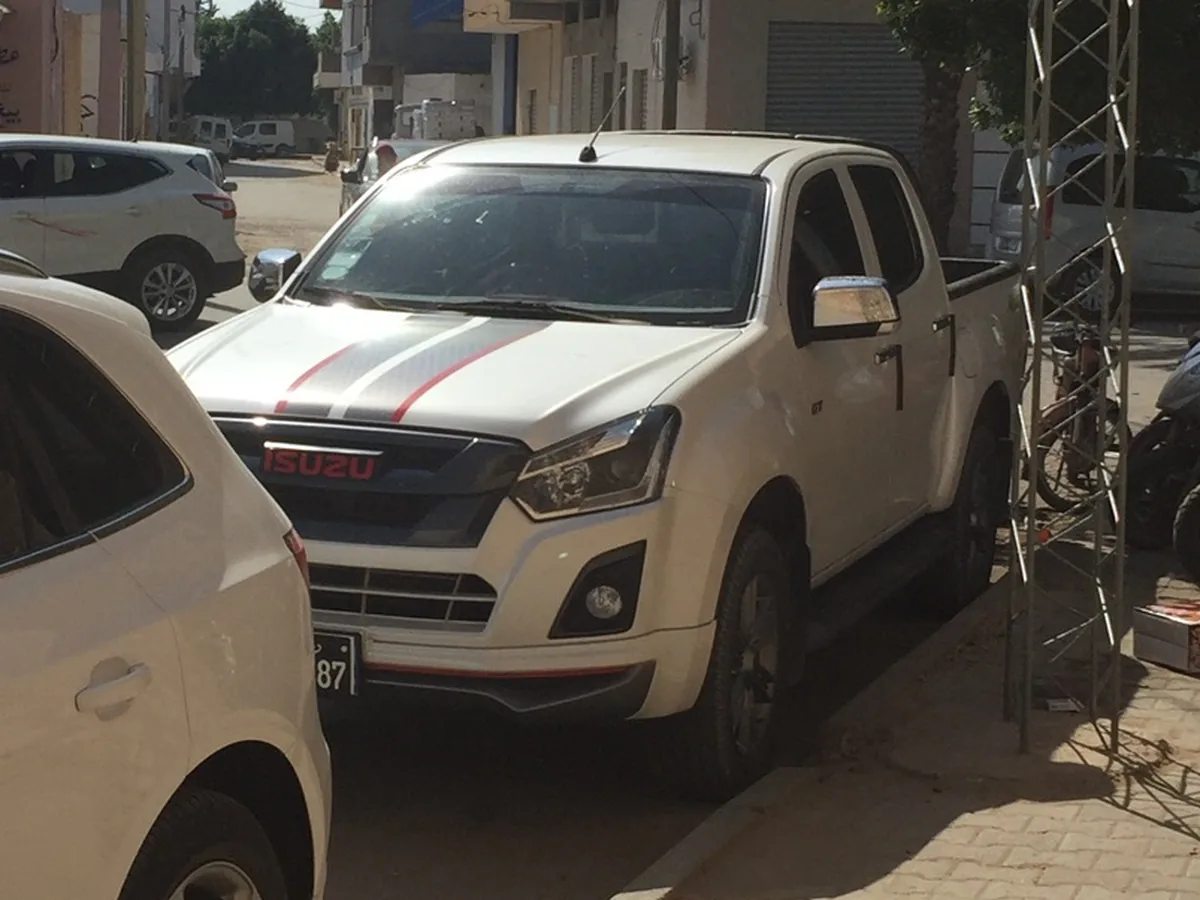
D-Max
Dragon Eye
Dragon Power
Faster
Florian
Geminett
Gemini
Giga
Hombre
I-Mark
Impulse
Ippon
MU
MU Wizard
MU-7
MU-X
Oasis
Panther
Piazza
Pickup
Rodeo
Trooper
VehiCross
Isuzu overview
Isuzu history
Isuzu’s origins date to 1916, when Tokyo Ishikawajima Shipbuilding and Engineering and Tokyo Gas and Electric Industrial began investigating automobile production. The Wolseley A9, assembled in Japan in 1922 under a technical agreement with Wolseley Motors, was followed by the CP truck in 1924. Isuzu then placed strong emphasis on diesel engineering: the air-cooled DA4 and DA6 diesel engines were developed in 1936. The Isuzu name was adopted as the company name in 1949. After the Second World War, the company built trucks, buses, and passenger cars. The Bellett, introduced in 1963, demonstrated that broader range through sedan and coupe body styles. Its successor, the Gemini, arrived in 1974 through cooperation with General Motors and used a technical basis related to the Opel Kadett. In 1981, the Bighorn established Isuzu in the four-wheel-drive sector, while the MU, sold as the Amigo in the United States, extended the recreational-vehicle range. In December 1992, Isuzu announced that it would phase out passenger-car development. The D-Max, launched in Thailand in 2002, later represented the company’s international emphasis on pickups and commercial vehicles.
Isuzu positioning
Isuzu is defined primarily by an industrial culture focused on professional transport. The manufacturer currently describes its business around trucks, buses, light commercial vehicles, and diesel engines. That focus explains the variety found across its history: compact cars such as the Gemini, coupes derived from the Bellett line, SUVs such as the Bighorn and Rodeo, and later pickups and trucks intended for commercial use. Isuzu also worked with major international partners, especially General Motors, creating vehicles that could be closely related or differently positioned depending on the market. As a result, an Isuzu range should not be interpreted solely through North American or European catalogs: the same name may refer to a different body, generation, or market role in Japan, Asia, Australia, or the United States. The common thread is a preference for durability, payload capability, traction, and diesel efficiency rather than a broad, conventional passenger-car lineup.
Recognizing a Isuzu in a photo
When identifying an older Isuzu, the original market can be as important as the body design. A 1960s Bellett is generally a compact rear-wheel-drive car offered as a sedan or coupe, while 1970s and 1980s Geminis have the proportions of a small family car and appeared in several body styles. The Bighorn is a taller, more rugged four-wheel-drive vehicle known as the Trooper in several export markets. The Rodeo and Amigo belong to Isuzu’s recreational-vehicle family and may share design elements depending on generation and region. The rarer Axiom is a mid-size SUV with a more angular appearance. For a dependable identification, check the name on the grille or tailgate, body style, lamp design, door count, registration country, and model code. Names, engines, and equipment varied substantially between countries, so a photograph alone may not always distinguish an export version from a Japanese-market model.
Important Isuzu models
The Bellett is a foundational model for the period covered: introduced in 1963, it directly preceded the Gemini and represents the era when Isuzu was still balancing passenger cars with industrial vehicles. The Gemini, launched in 1974, became one of the company’s longest-running nameplates and reflected technical cooperation with General Motors. The Bighorn, introduced in 1981 and sold as the Trooper in other markets, helped establish Isuzu in the family four-wheel-drive sector. The Rodeo, added to the international range in the late 1980s and introduced to the United States in 1991, shows the growing overlap between pickups and recreational vehicles. The Amigo was the American-market name for the three-door MU. The Axiom, offered in 2001, belongs to Isuzu’s final period of SUV sales in North America. The D-Max, launched in 2002, ultimately signaled the company’s stronger emphasis on pickups and commercial applications.
References
- HeritageIsuzu Motors Limited
- History of IsuzuIsuzu Motors Limited
- History of IsuzuIsuzu U.S.A.
- Isuzu Bellett Gemini Model PF50Toyota Automobile Museum
- No Lie: Isuzu to Stop Making Passenger CarsLos Angeles Times
- Our BusinessIsuzu Motors Limited
- https://www.isuzu.co.uk/about/isuzu.co.uk