
Elantra
Introduced in 1990, the Hyundai Elantra became one of the Korean manufacturer’s most significant compact models. Sold as the Avante in several markets, it gradually developed from a straightforward economy sedan into a broader family of cars with different body styles, higher equipment levels and dedicated performance versions. The name has covered sedans, a wagon, five-door hatchbacks and a coupe, while regional derivatives have included the Langdong, Lingdong and Yuedong sedans. The Elantra won the North American Car of the Year award in 2012 and received the honor again with its seventh generation in 2021. ScanRacer’s data covers the model from 1990 through 2023, including mainstream versions, body-style derivatives, the Elantra N and the Elantra N TCR racing car.
Variants by year
2023
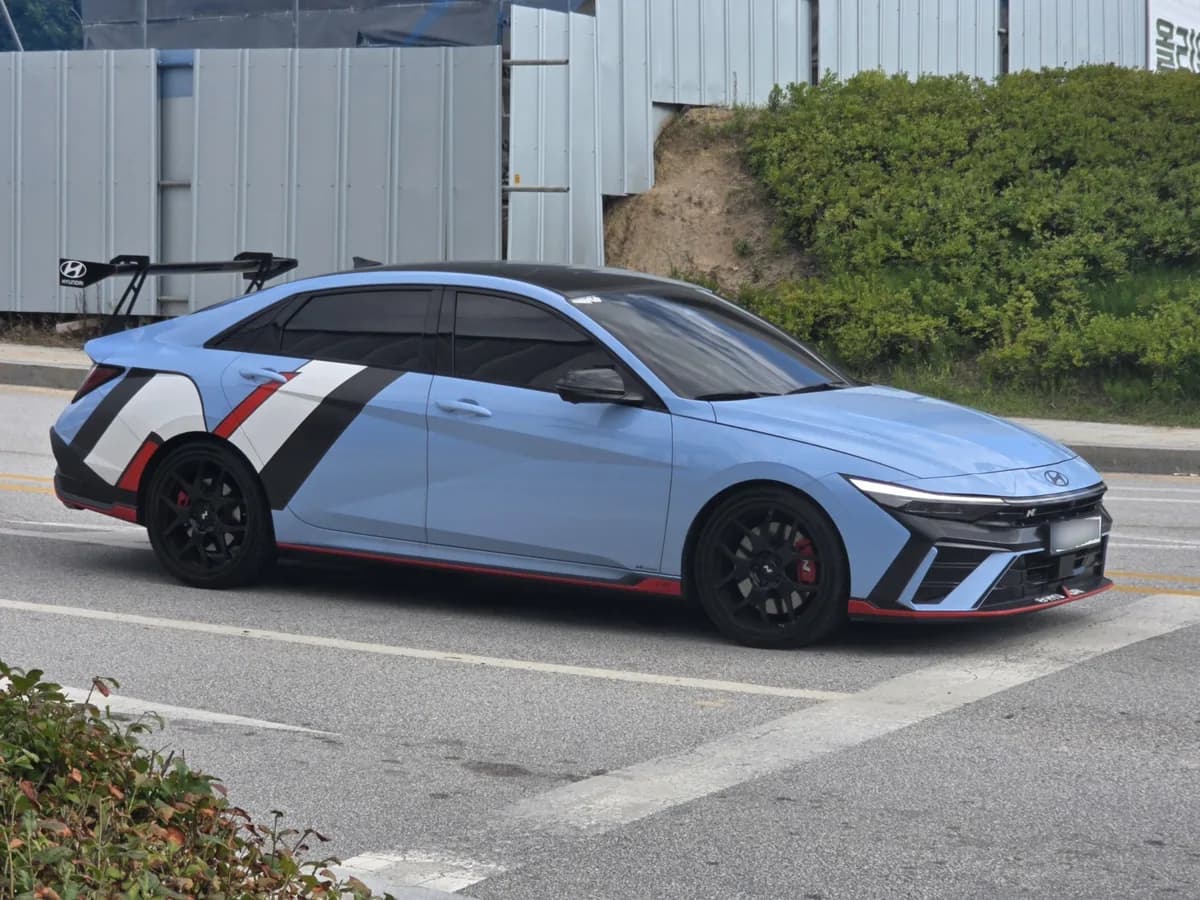 C
C2020
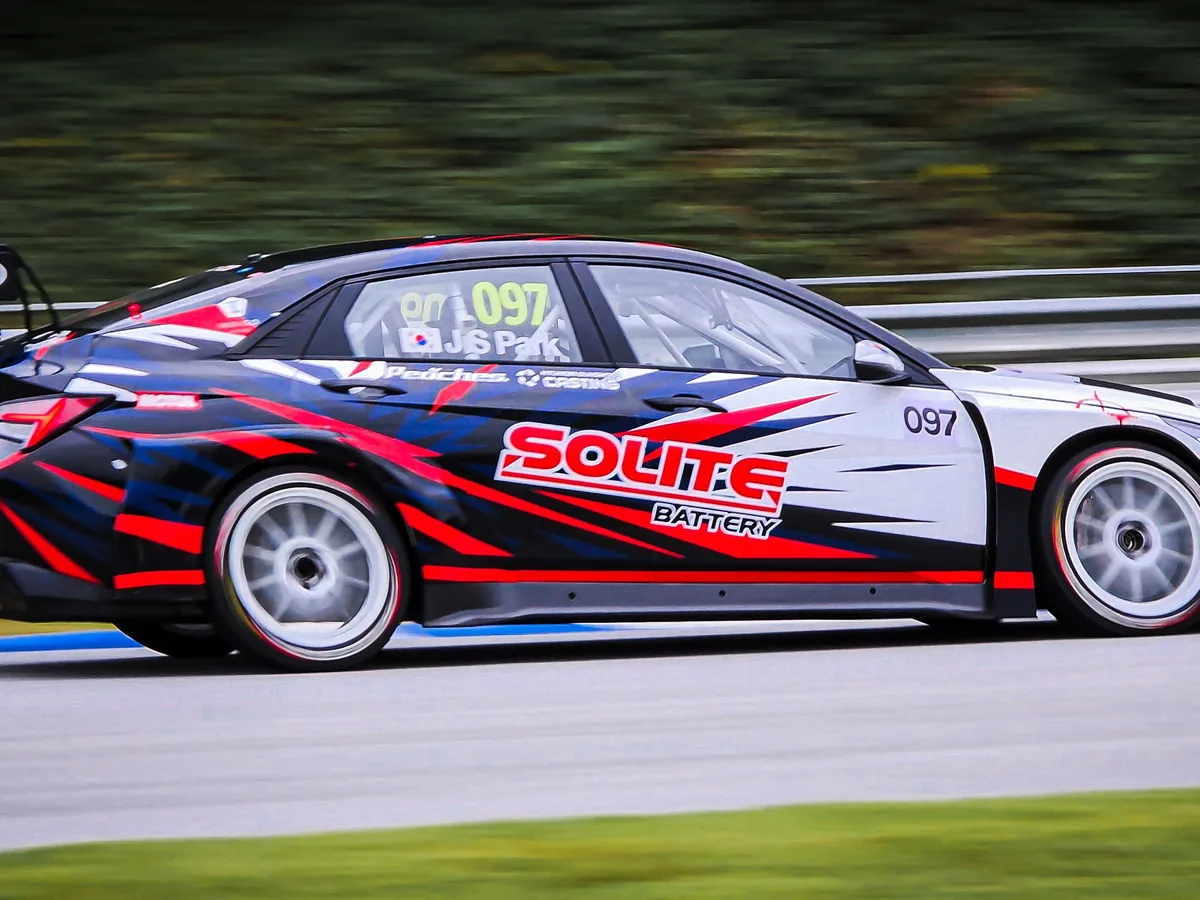 C
C2018

2017
2016
2015
2012
2010
2008
2006
2000
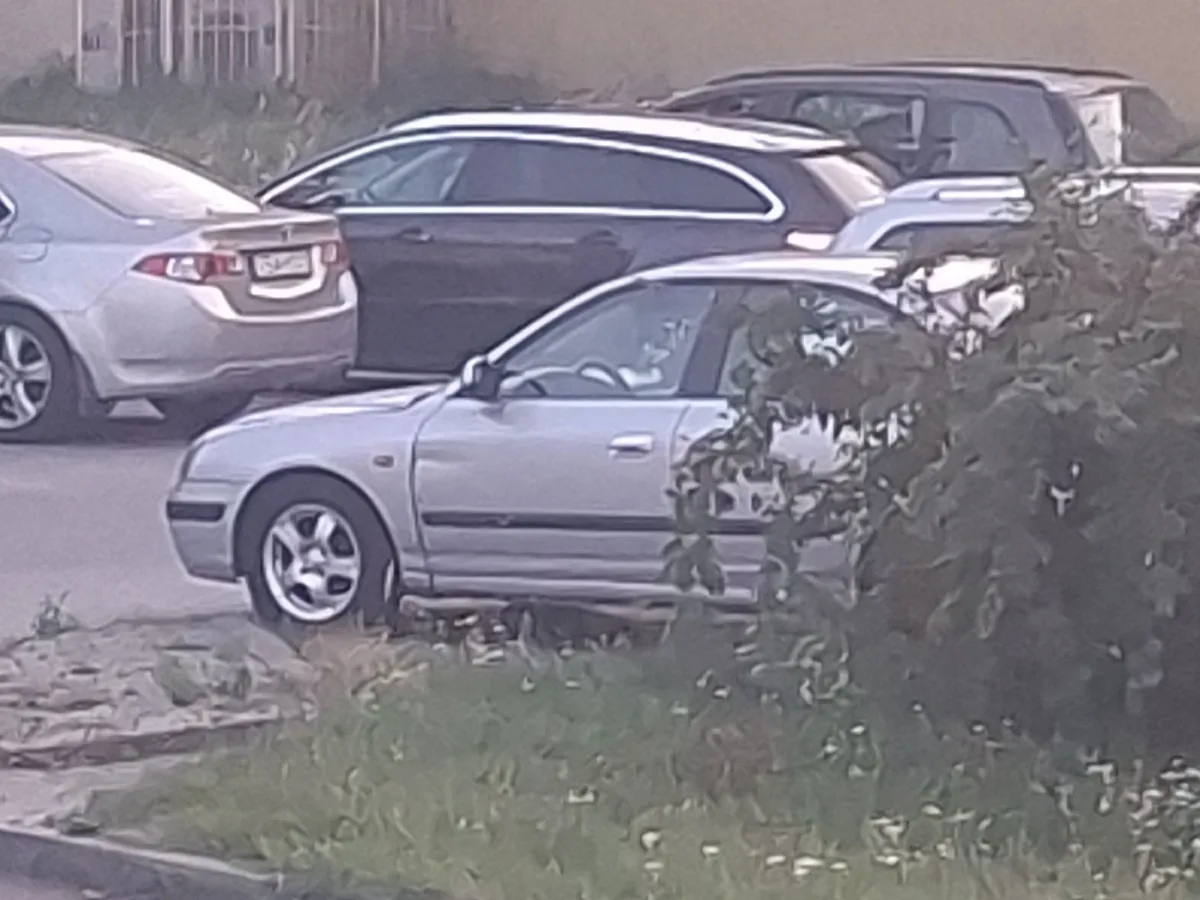 C
C1998
1995
1990
Model summary
Data from the ScanRacer library, organized to compare versions quickly.
Model introduction
Introduced in 1990, the Hyundai Elantra became one of the Korean manufacturer’s most significant compact models. Sold as the Avante in several markets, it gradually developed from a straightforward economy sedan into a broader family of cars with different body styles, higher equipment levels and dedicated performance versions. The name has covered sedans, a wagon, five-door hatchbacks and a coupe, while regional derivatives have included the Langdong, Lingdong and Yuedong sedans. The Elantra won the North American Car of the Year award in 2012 and received the honor again with its seventh generation in 2021. ScanRacer’s data covers the model from 1990 through 2023, including mainstream versions, body-style derivatives, the Elantra N and the Elantra N TCR racing car.
History
Hyundai introduced the Elantra in 1990 as the company expanded its international passenger-car range. The first generation established the model in the compact-car class, while the second generation, launched in the mid-1990s, broadened the family with a wagon body style in selected markets. The third generation, identified by the XD code, brought a more modern presentation and wider market visibility at the beginning of the 2000s. A fourth generation arrived in 2006, followed by the fifth generation in 2010 with a much more expressive design. That model won the 2012 North American Car of the Year award and helped raise the Elantra’s profile in North America. The sixth generation followed in 2016, accompanied by regional derivatives and, in some markets, coupe and five-door hatchback versions. The seventh generation was revealed in 2020 for the 2021 model year. It introduced a new platform, sharper styling, a hybrid model and the N Line and N performance branches. Motorsport extended that sporting direction through the Elantra N TCR, a circuit-racing car developed from the contemporary Elantra family. Model names and body-style availability varied by market, so production labels do not always align perfectly across countries.
Generations
Elantra generations are commonly identified as J1 for the 1990 launch model, J2 for the second generation introduced in the mid-1990s, XD for the 2000 third generation, HD for the 2006 fourth generation, MD for the fifth generation launched in 2010, AD for the sixth generation introduced in 2016, and CN7 for the seventh generation revealed in 2020. These codes are useful in parts catalogues, archives and enthusiast communities, but naming and model-year timing can vary between markets. The early Elantras were primarily compact sedans, followed by a wagon and a wider selection of body styles. The XD generation brought a more family-oriented design and broader international distribution. The MD and AD generations placed greater emphasis on styling, equipment and market-specific derivatives, including the coupe, GT hatchback and Chinese-market sedans sold under names such as Yuedong, Langdong and Lingdong. The CN7 introduced a lower, more geometric design language. It also expanded the range with hybrid technology, the N Line performance-oriented trim and the high-performance Elantra N. ScanRacer’s model coverage runs from 1990 to 2023, although an individual listed variant does not necessarily represent a complete worldwide generation or a single global specification.
Key differences
The main differences between Elantra versions concern body style and market. The Base sedan is the broadest reference in the available data, while Sedan may represent a separate body-style label or market designation depending on the year. Wagon identifies the estate version associated with the second generation. Hatch and GT Hatchback use five-door bodies and offer more cargo flexibility than the sedan; the North American GT introduced for 2013 was closely related to the European i30. The Coupe belongs to the MD-era family but uses a distinct two-door body. Yuedong, Langdong and Lingdong identify China-market derivatives rather than ordinary equipment grades. N and N TCR are also fundamentally different from standard trims: the former is a high-performance road car, while the latter is a TCR racing car. Engines, transmissions, equipment and production dates can change significantly by country, so a precise comparison should use the relevant market and model year rather than the badge alone.
Photo recognition
Start identification with the body style. A four-door sedan represents most Elantra production, but the 1990s wagon, GT hatchback and MD-era coupe can quickly narrow the date range. The XD generation from the early 2000s generally has a taller, rounder profile than later cars. The MD generation, launched around 2010, is commonly recognized by its flowing surfaces and prominent hexagonal grille. The AD generation from 2016 uses a more restrained shape and a broader-looking front end. The CN7, introduced for 2021, has a visibly lower stance and sharp diagonal character lines along the sides. N models add dedicated performance styling, stronger visual detailing and N badges. Identification should not rely on headlights, grille shape or wheels alone, because facelifts and regional specifications can change those details substantially. The Avante name on the badge or paperwork usually points to a market where Hyundai uses that designation. For a reliable match, combine the body style, rear-light design, dashboard layout, badge and production year.
Important versions
The Base sedan is the backbone of the range and covers the widest time span in ScanRacer’s data. The Wagon is a notable second-generation derivative, while the Coupe and GT Hatchback show how the Elantra family expanded during the early 2010s. The Yuedong, Langdong and Lingdong sedans are important for understanding China-market derivatives and should not be treated as simple trim levels. The N is the most performance-focused road version represented here. Hyundai developed it as a high-performance derivative of the seventh-generation Elantra. The N TCR is different again: it is a competition car derived from the Elantra and built for touring-car racing. These versions are especially relevant to enthusiasts, but their equipment, engineering purpose and specifications should not be compared directly with those of a standard production Elantra.
References
- Vehicle History: 1990 ElantraHyundai Worldwide
- Elantra, the daring ventureHyundai Worldwide
- Admired by over 11.5 million owners globally: 2018 Elantra brochureHyundai Motor India
- Elantra GT Makes North American Debut at Chicago Auto ShowHyundai Motor America Newsroom
- All-New 2021 Hyundai ELANTRA and ELANTRA Hybrid Make World PremiereHyundai Worldwide Newsroom
- Hyundai Motor Turns Up the Heat with First Images of Elantra NHyundai Motor Company Newsroom
- Elantra Wins at Mid-Ohio, Leads Hyundai 1-2 FinishHyundai Motor America Newsroom
- https://www.hyundainews.com/models/hyundai-elantra-2021-elantrahyundainews.com
Technical specifications
Structured data available for versions linked to this model.
| Version | Power | Torque | Top speed | Drivetrain | Fuel |
|---|---|---|---|---|---|
| Base | 120.1 KW @ 6200 RPM163 HP @ 6200 RPM161 BHP @ 6200 RPM | 150 lb-ft @ 4700 RPM203 Nm @ 4700 RPM | — | Front Wheel Drive / 6-speed manual | Gasoline |
Frequently asked questions
- What years was the Hyundai Elantra produced?
- ScanRacer's referenced versions cover 1990 - 2023.
- How many Hyundai Elantra examples are documented on ScanRacer?
- 4 published scans from 3 members, with the latest photo added in August 2026.
- What is the power output of the Hyundai Elantra?
- The sourced technical data lists 120.1 KW @ 6200 RPM163 HP @ 6200 RPM161 BHP @ 6200 RPM.