
Accord
Introduced in Japan in May 1976, the Honda Accord began as a three-door hatchback powered by a 1.6-liter CVCC engine. Honda developed it to combine low fuel consumption, reduced emissions, usable interior space, and comfort at a time of energy concerns and increasingly strict emissions regulations. A four-door sedan joined the range in 1977, and the Accord gradually became a major family car in several markets. Its history includes hatchback, sedan, coupe, wagon, and Aerodeck body styles, with names and model-year coverage varying by region. Across successive generations, the Accord grew in size and equipment while adopting more advanced suspension systems, stronger engines, improved safety technology, and eventually hybrid powertrains. The result is a nameplate whose character changed considerably over time, even as Honda retained its emphasis on practical everyday usability.
Variants by year
2023
2017
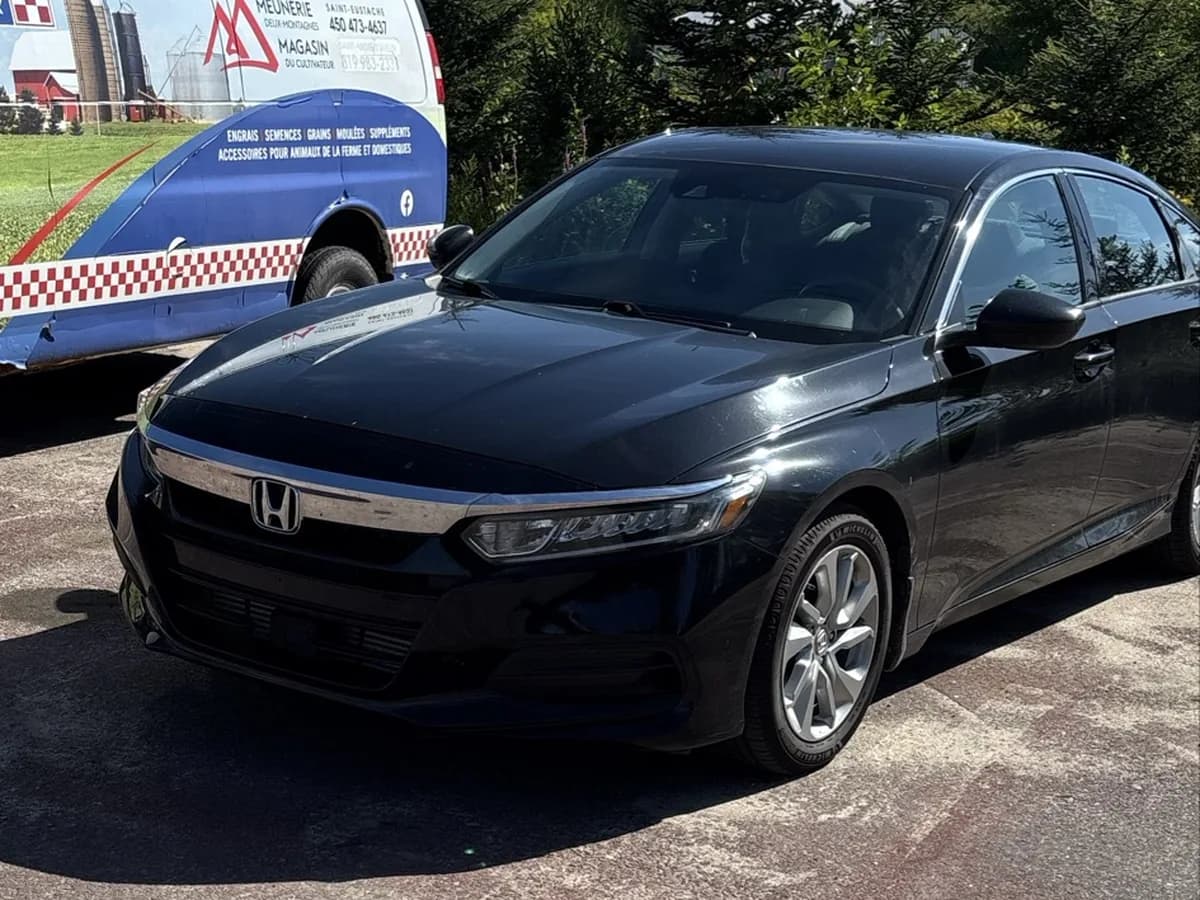
2015
2012
2008
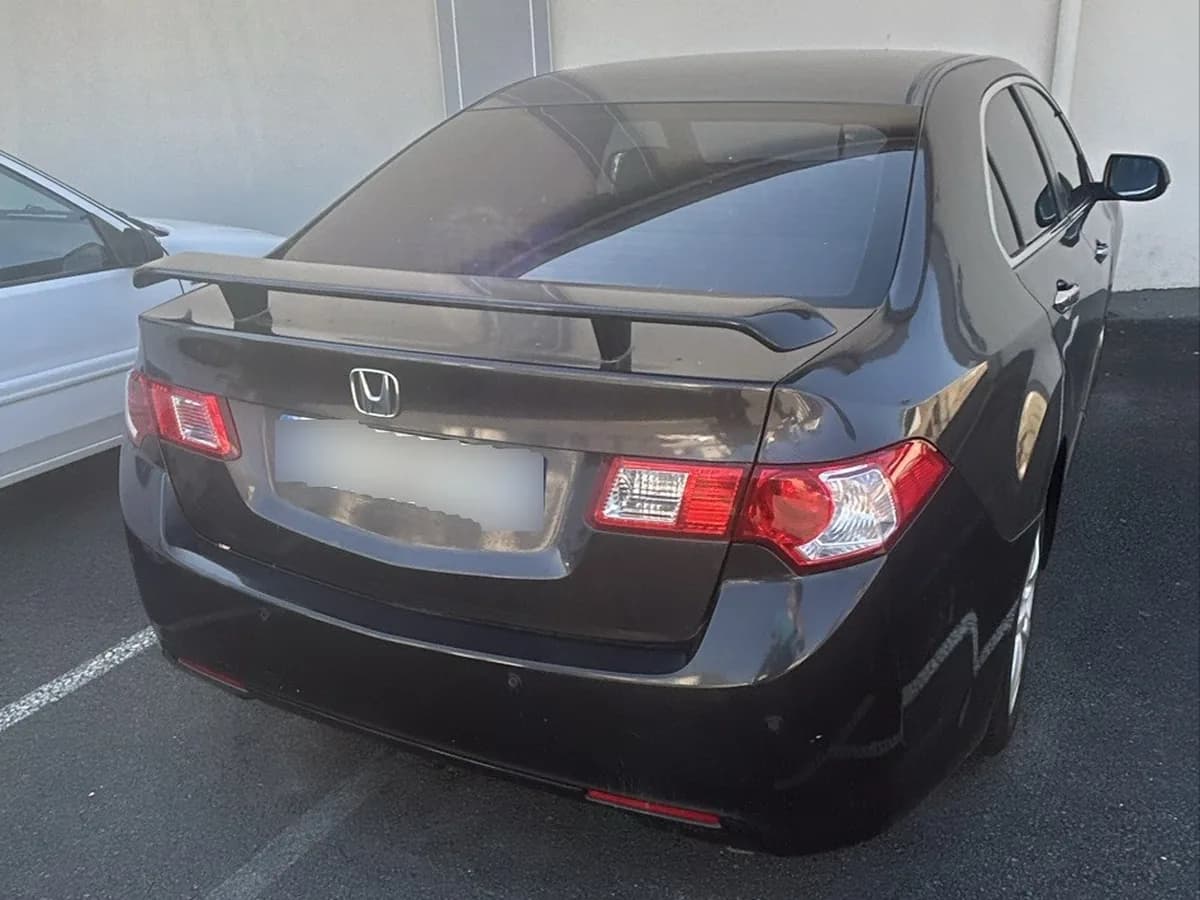
2007
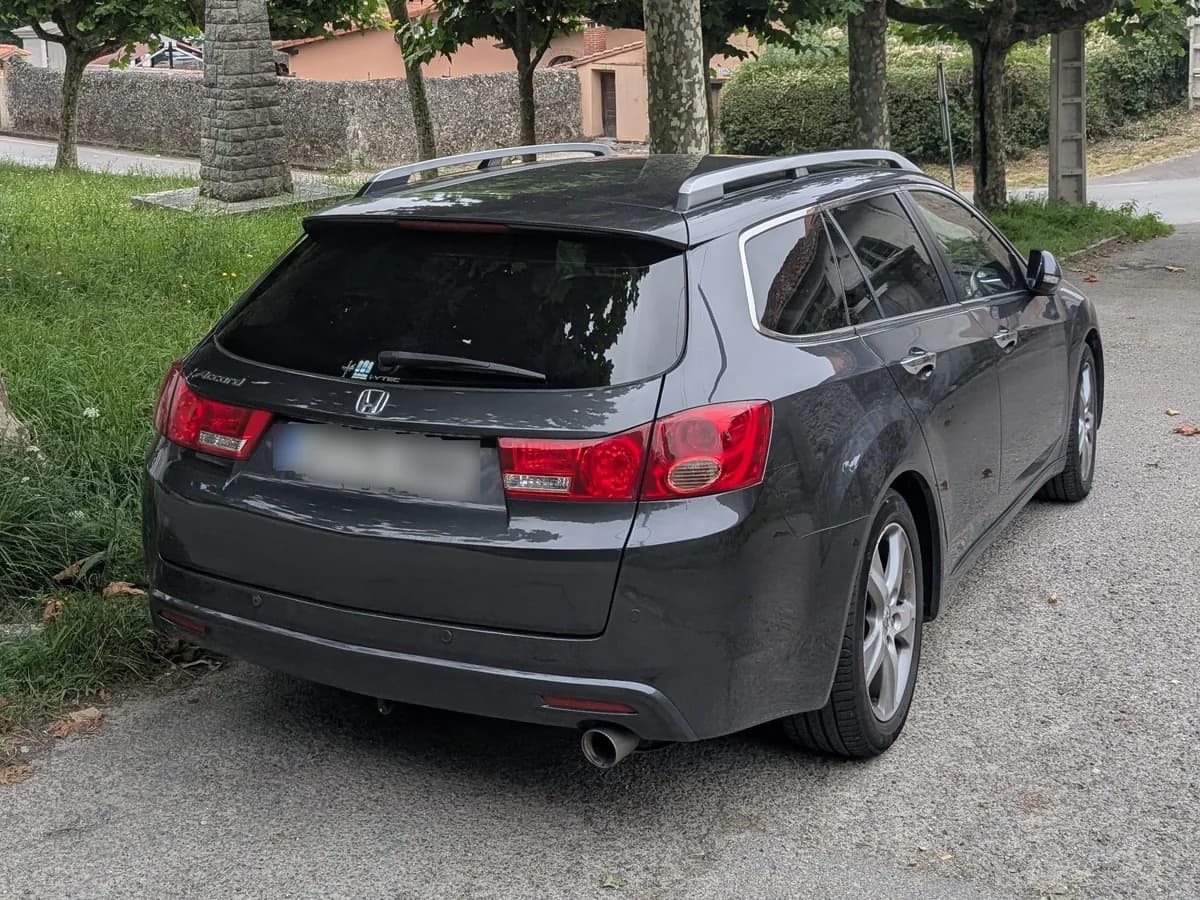
2002
1998
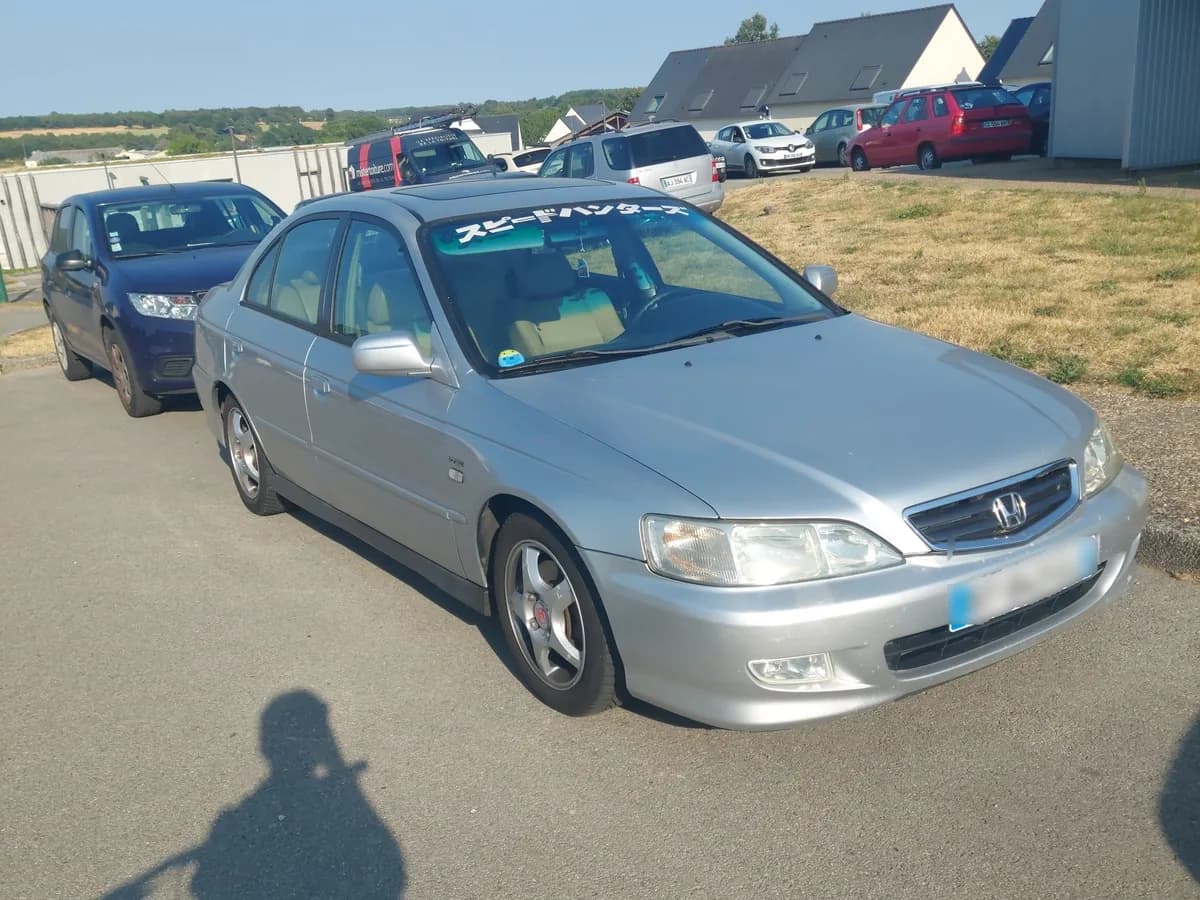 C
C1997
1994
1993
1991
1990
1989
1988
1986
1985
1981
1977
1976
Model summary
Data from the ScanRacer library, organized to compare versions quickly.
Model introduction
Introduced in Japan in May 1976, the Honda Accord began as a three-door hatchback powered by a 1.6-liter CVCC engine. Honda developed it to combine low fuel consumption, reduced emissions, usable interior space, and comfort at a time of energy concerns and increasingly strict emissions regulations. A four-door sedan joined the range in 1977, and the Accord gradually became a major family car in several markets. Its history includes hatchback, sedan, coupe, wagon, and Aerodeck body styles, with names and model-year coverage varying by region. Across successive generations, the Accord grew in size and equipment while adopting more advanced suspension systems, stronger engines, improved safety technology, and eventually hybrid powertrains. The result is a nameplate whose character changed considerably over time, even as Honda retained its emphasis on practical everyday usability.
History
The first Accord went on sale in Japan on May 7, 1976, and exports began during the same year, including shipments to the United States. Its CVCC engine was designed to meet the emissions requirements of the period without relying on the later combination of catalytic converters and exhaust-gas recirculation that became widespread. The four-door sedan arrived for the 1977 model year, broadening the car’s appeal and eventually becoming the central body style in the Accord family. Honda then developed region-specific versions rather than treating the model as an identical global product. The second generation, introduced in 1981, brought an important manufacturing milestone: Accord production began in the United States in 1982 at the Marysville, Ohio, plant. The third generation arrived in 1985 with a more aerodynamic design, double-wishbone suspension, and the Aerodeck body style in selected markets. From the fourth generation onward, the Accord moved firmly into the midsize family-car class and was offered as a sedan, coupe, or wagon depending on the region. Later generations increased performance and equipment, including the arrival of V6 power in some markets during the 1990s. The tenth generation introduced a new global architecture, while the 2023 model year shifted the U.S. lineup strongly toward hybrid power.
Generations
The dates below mainly follow the North American timeline, because generation names and launch schedules varied between Japan, Europe, and other markets. The first generation appeared in 1976 as a small three-door hatchback, followed by the sedan. The second generation, introduced from 1981 into the early 1980s, grew in size and marked the beginning of U.S. Accord production. The third generation arrived in 1985-1986 with a sharply styled body, pop-up headlights on several versions, and double-wishbone suspension. Around 1990, the fourth generation replaced the pop-up lamps with fixed headlights and presented a broader, more mature design. Sedan, coupe, and wagon body styles were available depending on the market. The fifth generation, sold during the mid-1990s, expanded the powertrain range and introduced VTEC technology and, in some versions, a V6 engine. The sixth generation appeared in the late 1990s. In North America it retained sedan and coupe body styles while dropping the wagon. The seventh, eighth, and ninth generations continued to add cabin space, safety equipment, and performance, with hybrid variants offered during selected model cycles. The tenth generation, launched from 2017-2018 depending on market, used a lower body and turbocharged engines. The eleventh generation, introduced for 2023, placed greater emphasis on hybrid power and a cleaner, more restrained design.
Key differences
The main differences between Accords are not determined by model year alone: body style and market are equally important. Early hatchbacks are substantially smaller than the later sedans. The coupe is a two-door personal version, while the wagon emphasizes cargo capacity and was offered during different periods in different regions. The Aerodeck, represented in the supplied library for a very limited period, is a specific third-generation body style and should not be treated as a generic name for every Accord wagon. Technical differences are equally significant. Third-generation cars are associated with double-wishbone suspension and, on many versions, pop-up headlights. Accords from the 1990s could be fitted with V6 engines, while later cars used turbocharged four-cylinder engines or hybrid systems depending on the market. Equipment, transmissions, and engines therefore cannot be assumed to interchange between Japanese, European, and North American cars from the same model year. Regional specifications are essential when identifying a vehicle or comparing parts.
Photo recognition
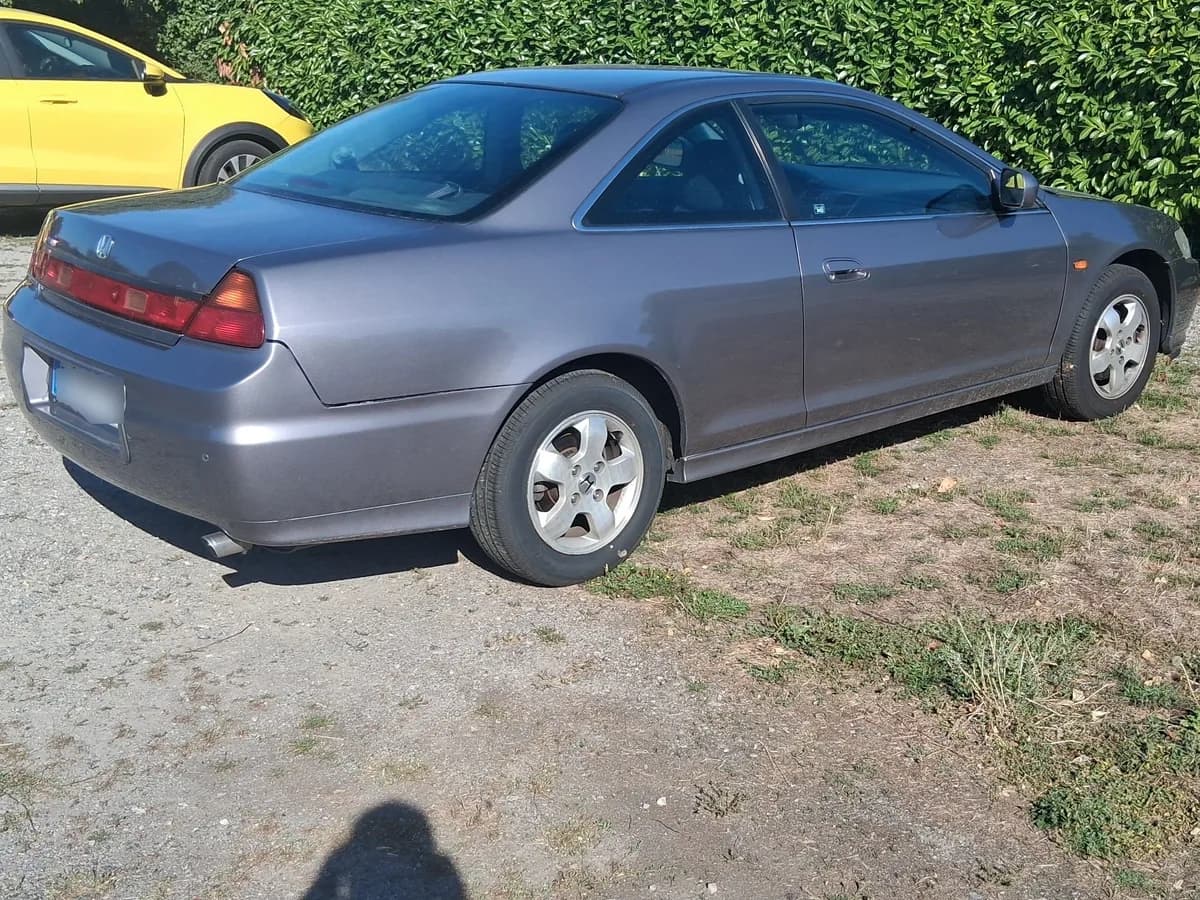
Start identification with the body style, glass shape, and headlamps. A 1976-1981 three-door hatchback is short, with a steep rear hatch and a relatively simple cabin. Second-generation cars retain a boxy appearance but look larger. Third-generation Accords are especially easy to recognize by their sharp side profile, low hood, and pop-up headlights when fitted. The Aerodeck has an extended roofline and a longer rear section than the standard hatchback. For 1990s and 2000s cars, check whether the vehicle has a separate trunk or a rear hatch, then compare the number of doors, taillight design, and exterior badges. A coupe has a shorter roofline and two doors. North American sedans may differ from Japanese or European versions in bumper design, lamps, mirrors, and overall dimensions. Trim badges can help, but they are not conclusive because names were reused across markets. The vehicle identification number is the most reliable way to confirm the market, engine family, production configuration, and factory equipment.
Important versions
The early Accord hatchbacks and sedans are essential to understanding how the nameplate developed from a practical compact into a midsize family car. The third generation deserves particular attention because of the Aerodeck body style, double-wishbone suspension, and pop-up headlights on selected versions. Coupes from 1988 through 2015 form a distinct branch of the range, generally with a lower, more personal profile than the sedan. Wagons, represented in the supplied coverage from 1991 through 2007, emphasize versatility and carried different names or specifications depending on the market. More recent hybrid versions show Honda’s changing priorities, moving from the small, efficient CVCC concept of the original car toward integrated gasoline-electric powertrains.
References
- Introducing the Accord / 1976Honda Global
- Accord--Accord, Torneo, Accord WagonHonda Global Newsroom
- Accord 50th Anniversary: Evolving with People and the TimesHonda Stories
- History of the Honda Accord, from 1976 to TodayCar and Driver
- https://global.honda/en/newsroom/worldnews/2016/4160630Celebrates-Four-Decades-Accord.htmlglobal.honda
- https://global.honda/en/tech/serial/ACCORD_50th_part01/?from=techtop_allglobal.honda
- https://global.honda/en/tech/serial/ACCORD_50th/?from=techtopglobal.honda
Technical specifications
Structured data available for versions linked to this model.
| Version | Power | Torque | Top speed | Drivetrain | Fuel |
|---|---|---|---|---|---|
| Base | 155.9 kw (212 hp) | 129 lb-ft @ 3500 RPM175 Nm @ 3500 RPM | — | Front Wheel Drive / CVT Automatic | Hybrid |
| Base | 71.4 KW @ 5300 RPM97 HP @ 5300 RPM96 BHP @ 5300 RPM | 103 lb-ft @ 3500 RPM140 Nm @ 3500 RPM | 109 mph (175 km/h) | Front Wheel Drive / 5-speed manual | Gasoline |
Frequently asked questions
- What years was the Honda Accord produced?
- ScanRacer's referenced versions cover 1976 - 2023.
- How many Honda Accord examples are documented on ScanRacer?
- 6 published scans from 6 members, with the latest photo added in September 2026.