
Focus
Launched in Europe in 1998 as a replacement for the Escort, the Ford Focus reshaped the compact-car class with its “New Edge” styling, broad body-style range and engaging road manners. The first generation won the 1999 European Car of the Year award, with the jury highlighting its handling and multi-link rear suspension. Across four European generations, the Focus was offered as a hatchback, sedan, Turnier estate, coupe, coupe-convertible and, later, the Active crossover. The range also included performance-focused ST and RS models, along with a Focus Electric offered in selected markets. The versions represented here span vehicles built from 1998 to 2022, but equipment, body styles and powertrains varied substantially by market and model year.
What about the car you photographed?
Upload a photo to get a suggested make, model and likely year.
No account needed for the result · Publish only if you choose
Variants by year
Make: Ford · Model: Focus
35 / 35 versions shown
2022
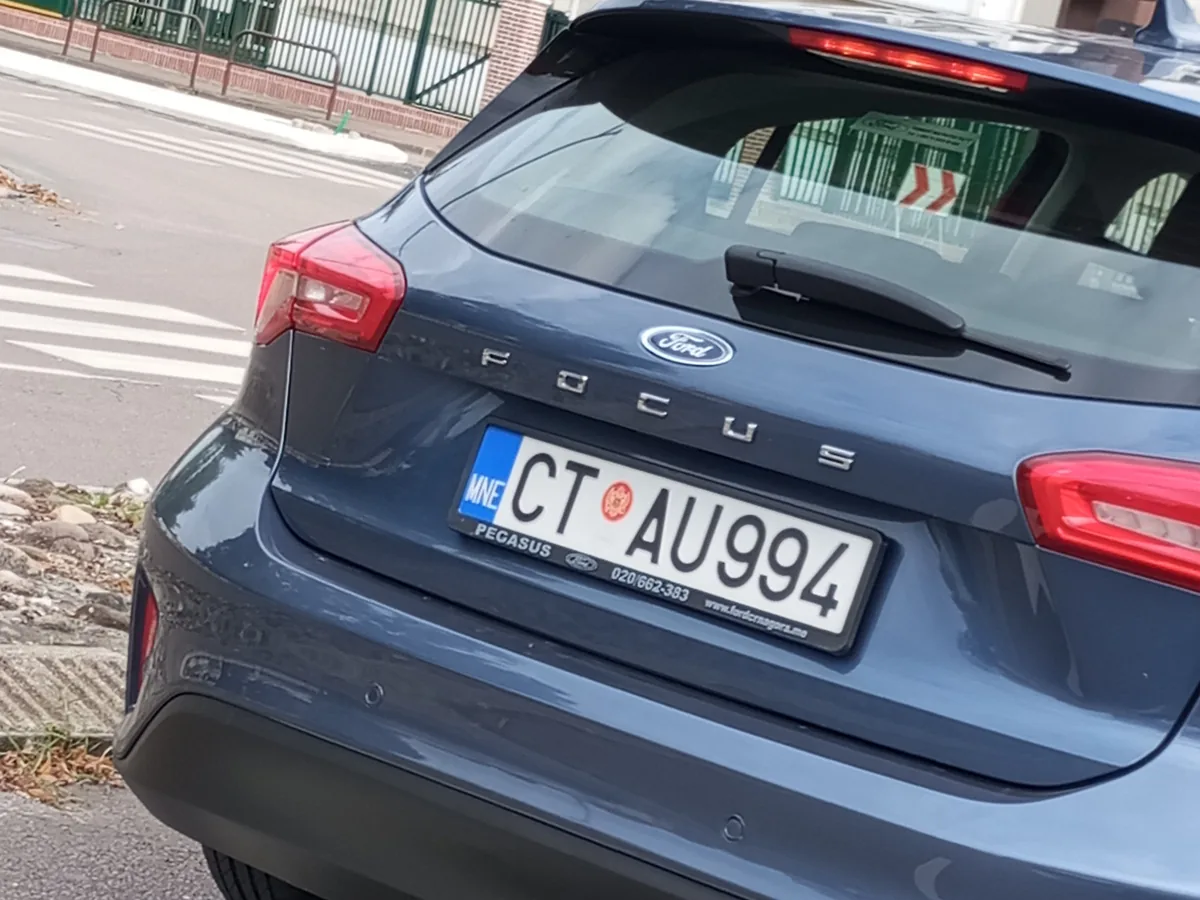
2018

 C
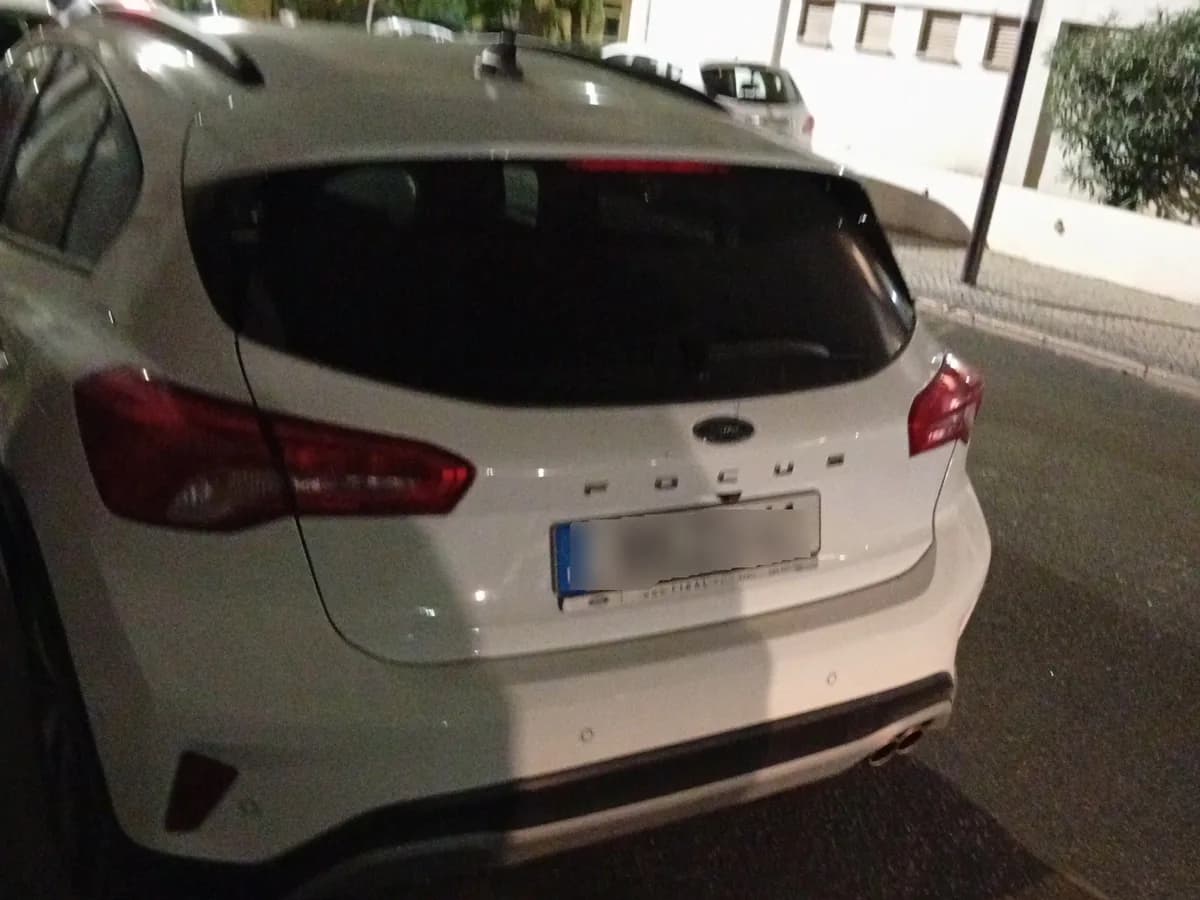
2015

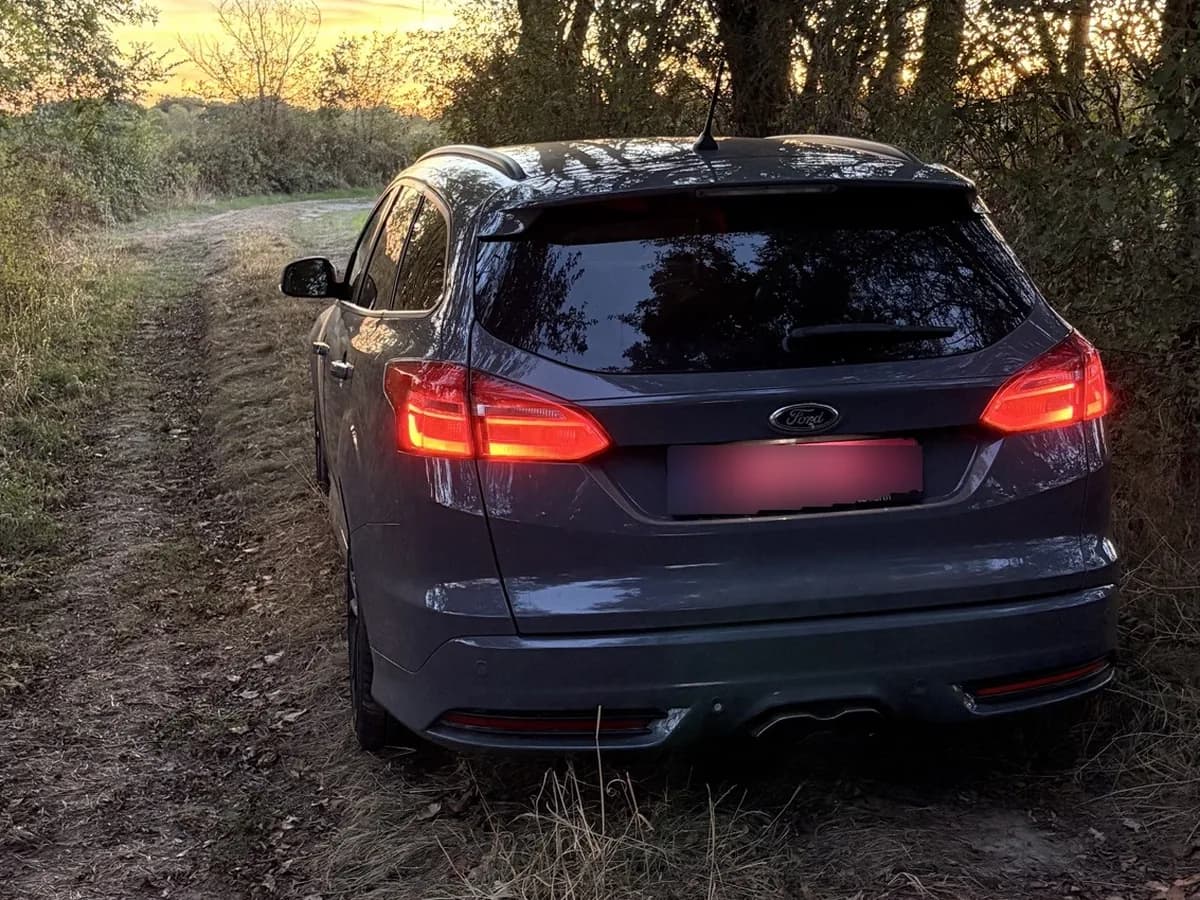
2014

2011
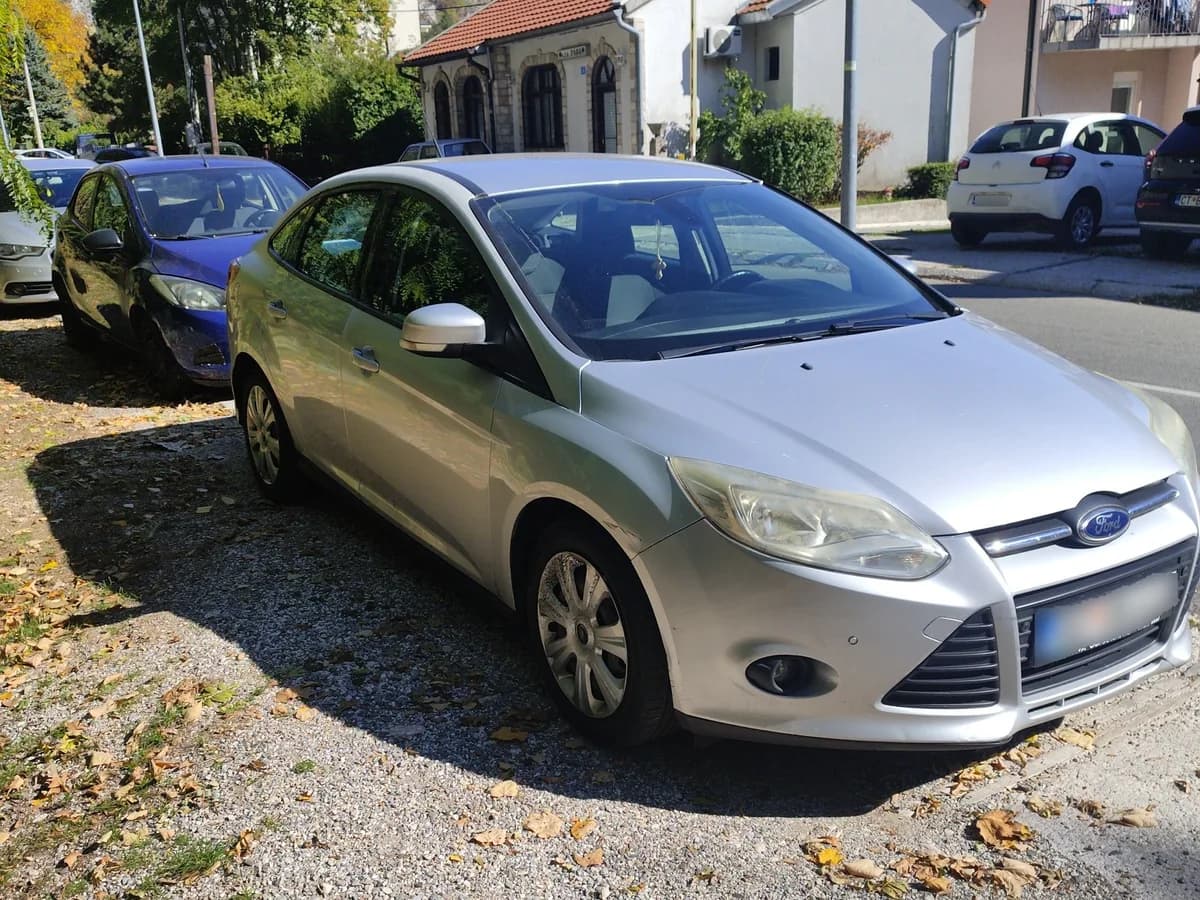
2009
2008
 C
2007
2006
2005
2002
1998
Ford Focus photos
Model summary
Data from the ScanRacer library, organized to compare versions quickly.
Model introduction
Launched in Europe in 1998 as a replacement for the Escort, the Ford Focus reshaped the compact-car class with its “New Edge” styling, broad body-style range and engaging road manners. The first generation won the 1999 European Car of the Year award, with the jury highlighting its handling and multi-link rear suspension. Across four European generations, the Focus was offered as a hatchback, sedan, Turnier estate, coupe, coupe-convertible and, later, the Active crossover. The range also included performance-focused ST and RS models, along with a Focus Electric offered in selected markets. The versions represented here span vehicles built from 1998 to 2022, but equipment, body styles and powertrains varied substantially by market and model year.
History
The Ford Focus arrived in 1998 as part of Ford’s effort to replace its European compact-car range and establish a more coherent global product strategy. Its “New Edge” design language used sharply defined surfaces, swept-back headlamps and high-mounted rear lamps to create a distinctive appearance. The styling was matched by an engineering emphasis on handling, including an independent multi-link rear suspension that became one of the car’s defining technical features. In 1999, the Focus was named European Car of the Year. The second generation appeared in the mid-2000s with more restrained styling and a lineup still built around hatchback, sedan and estate body styles. Depending on the market, it also spawned less common derivatives such as the Focus Coupe-Cabriolet. The 2002 Focus RS established a performance lineage that continued with a second-generation RS using a five-cylinder engine and RevoKnuckle front suspension. Unveiled in 2010 and introduced progressively from 2011, the third generation brought the international versions closer together. The fourth generation, revealed in 2018, moved to Ford’s C2 platform, added the Focus Active crossover and expanded the available driver-assistance technology. A 2021 update brought revised lighting, connectivity and selected powertrain changes rather than a wholly new generation.
Generations
The first generation, introduced in Europe from 1998, is identified by its “New Edge” styling, prominent rear pillars and high-mounted tail lamps. Depending on the country, it was sold as a three-door or five-door hatchback, sedan and estate. North American versions do not always match their European counterparts, so the market of origin is important when identifying an individual car. The second generation appeared in Europe around 2004-2005. Its design became more restrained, the dashboard layout more conventional and the Turnier estate remained an important part of the lineup. The CC coupe-convertible was a market-specific derivative of this era. In North America, Ford continued an updated version of the first-generation Focus for longer, creating different generation timelines between regions. The third generation was unveiled in 2010 and reached markets from 2011 onward. It brought sharper surfacing, a more unified global product strategy and, in selected regions, ST, RS and Electric versions. The fourth generation was revealed in 2018. Its main identifiers include a more technology-focused interior, the new Active crossover variant and hatchback, estate and sedan bodies in selected markets. The 2021 facelift introduced significant lighting and infotainment revisions without creating a new generation.
Key differences
Differences between Focus models go well beyond the number of doors. A hatchback has a rear liftgate and a short rear overhang, while the sedan uses a separate trunk. The Turnier Wagon adds a longer body and greater cargo capacity. The Active Hatch and Active Wagon names refer to crossover-styled fourth-generation versions, with more rugged visual treatment and a different positioning within the range rather than a completely separate model. Market variation is significant. Engines, transmissions, safety equipment and trim levels can differ substantially between European and North American cars from the same model year. RS models are dedicated performance derivatives and should not be confused with ST-Line trims, which mainly emphasize sporty appearance and equipment. The coupe, CC Cabriolet and X Road Wagon are comparatively uncommon derivatives tied to particular production periods or markets. For accurate identification, the body shape, production year, market of origin and factory badges should all be considered together.
Photo recognition
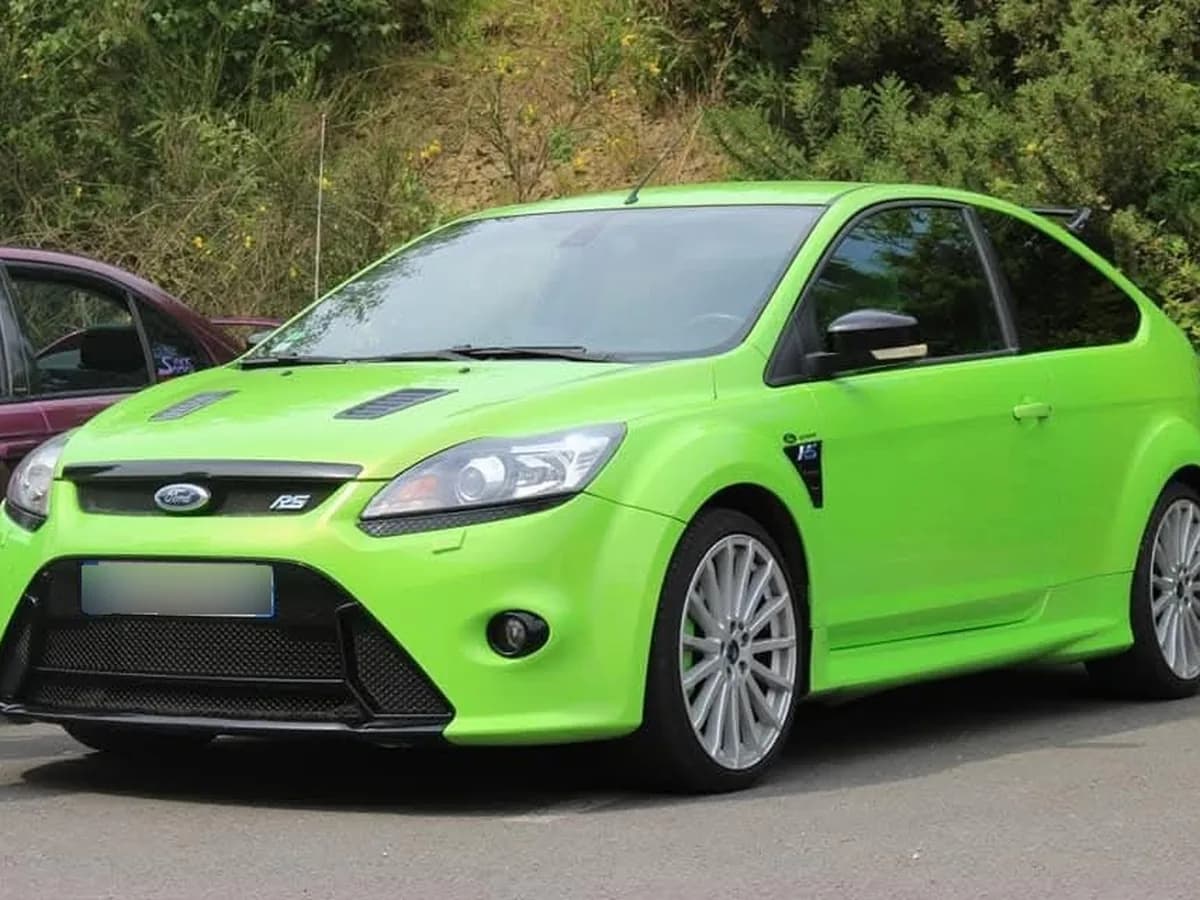
Start identification with the body style and lamp design. The first-generation Focus has highly expressive surfacing, triangular headlamps and tall or vertically oriented rear lamps depending on the body. The second generation uses softer shapes and a more conventional front end. The third generation is marked by a trapezoidal grille and a tighter profile; ST and RS models add distinctive bumpers, wheels and more prominent exhaust hardware. The fourth generation is recognizable by its wider grille, slim headlamps and a cabin centered around a large infotainment display. Active versions add protective-looking exterior trim and a crossover-inspired presentation. On an RS, look for aggressive air intakes, dedicated bumpers, a larger rear spoiler and RS badging, but confirm the identity through the vehicle identification number because visual conversions are possible. The Turnier estate is identified by its extended roofline, longer rear doors and larger rear-quarter glass. Badges alone should not be treated as conclusive evidence.
Important versions
The Focus RS holds a special position in the model’s history. The first version, launched in 2002, used a turbocharged 2.0-liter engine and a limited-slip differential; Ford states that production was limited to 4,501 cars. The second-generation RS combined a five-cylinder engine producing 305 PS with RevoKnuckle front suspension. The third-generation RS, revealed in 2015, introduced Ford Performance all-wheel drive with torque vectoring, a 2.3-liter EcoBoost engine and a Drift Mode. The Focus ST represents a separate performance branch aimed at broader everyday usability. The Focus Electric added a battery-powered version in selected markets. The Active Hatch and Active Wagon show how the fourth-generation range expanded toward crossover styling, while the CC Cabriolet, Coupe and X Road Wagon remained more specialized derivatives. Availability and specifications varied by country, so performance badges should always be checked against original documentation.
References
- Ford Focus : histoire du modèle et lancement de la quatrième générationFord Media Center
- Ford Unveils All-New FocusFord Media Center
- Ford Focus, Car of the Year 1999Car of the Year
- All-New Ford Focus RSFord Media Center
- Ford Focus: Advanced New Focus Leads Ford’s Geneva Line-upFord Media Center
- The New Ford FocusFord Media Center
- https://www.iseecars.com/car/ford-focus/generationsiseecars.com
Technical specifications
Structured data available for versions linked to this model.
| Version | Power | Torque | Top speed | Drivetrain | Fuel |
|---|---|---|---|---|---|
| Base | 224 KW @ 6500 RPM 305 HP @ 6500 RPM 300 BHP @ 6500 RPM | 325 lb-ft @ 2300-4500 RPM 441 Nm @ 2300-4500 RPM | 163.4 mph (263 km/h) | Front Wheel Drive / 6-speed manual | Gasoline |
| Base | 257 KW @ 6000 RPM 350 HP @ 6000 RPM 345 BHP @ 6000 RPM | 325 lb-ft @ 2000-4500 RPM 441 Nm @ 2000-4500 RPM | 165 mph (266 km/h) | All Wheel Drive / 6-speed manual | Gasoline |
| Base | 110.3 KW @ 3750 RPM150 HP @ 3750 RPM148 BHP @ 3750 RPM | 273 lb-ft @ 2000-3250 RPM370 Nm @ 2000-3250 RPM | 130 mph (209 km/h) | Front Wheel Drive / 8-speed automatic | Diesel |
| Base | 92 KW @ 6000 RPM125 HP @ 6000 RPM123 BHP @ 6000 RPM | 122 lb-ft @ 4000 RPM165 Nm @ 4000 RPM | 123 mph (198 km/h) | Front Wheel Drive / 5-Speed manual | Hybrid |
| Base | 110 KW @ 3750 RPM150 HP @ 3750 RPM148 BHP @ 3750 RPM | 273 lb-ft @ 2000-3250 RPM370 Nm @ 2000-3250 RPM | 130 mph (209 km/h) | Front Wheel Drive / 6-speed manual | Diesel |
Frequently asked questions
- What years was the Ford Focus produced?
- ScanRacer's referenced versions cover 1998 - 2022.
- How many Ford Focus examples are documented on ScanRacer?
- 20 published scans from 17 members, with the latest photo added in October 2026.
What about the car you photographed?
Upload a photo to get a suggested make, model and likely year.
No account needed for the result · Publish only if you choose