
XM
Launched in May 1989, the Citroën XM became the brand’s new flagship and gradually replaced the CX. Its five-door liftback body, designed by Bertone, combined sharp geometric lines with a large glass area and a cabin intended for long-distance travel. The XM’s defining feature was its Hydractive suspension, which combined Citroën’s hydropneumatic system with electronic control of springing and damping characteristics. This innovation helped the model win the 1990 European Car of the Year award. The range initially consisted of a five-door liftback, while an estate version known as the Break joined the lineup in 1991. Produced until 2000, the XM remains one of the last large Citroëns to combine hydraulic comfort, advanced electronics and a highly individual design.
Variants by year
1989
 C
CModel summary
Data from the ScanRacer library, organized to compare versions quickly.
Model introduction
Launched in May 1989, the Citroën XM became the brand’s new flagship and gradually replaced the CX. Its five-door liftback body, designed by Bertone, combined sharp geometric lines with a large glass area and a cabin intended for long-distance travel. The XM’s defining feature was its Hydractive suspension, which combined Citroën’s hydropneumatic system with electronic control of springing and damping characteristics. This innovation helped the model win the 1990 European Car of the Year award. The range initially consisted of a five-door liftback, while an estate version known as the Break joined the lineup in 1991. Produced until 2000, the XM remains one of the last large Citroëns to combine hydraulic comfort, advanced electronics and a highly individual design.
History
The Citroën XM was unveiled on May 23, 1989, as the brand’s new large touring car. It succeeded the CX at a time when Citroën was trying to preserve its technical identity while strengthening its position in the executive-car market. The project retained familiar principles, especially hydropneumatic suspension, but added electronic control capable of adapting the car’s behavior to driving conditions. This Hydractive system became the model’s central innovation and one of its strongest distinctions from conventional European executive cars. Styling was assigned to Bertone. The XM used a five-door liftback body with a low, taut profile, slim pillars and a rear hatch separated from the passenger compartment by an additional inner glass panel. Production took place at the Rennes-La Janais plant. A longer estate version with increased luggage capacity appeared in autumn 1991, while the CX Break continued for a transitional period. In 1990, the XM was named European Car of the Year. A significant update arrived in 1994 with the Y4 series, bringing a revised dashboard, exterior changes and more extensive use of multiplexed electronics. Production ended in June 2000, after approximately eleven years on the market.
Generations
The XM is not divided into several conventional generations, but its development is commonly described through two factory series: Y3 and Y4. The Y3 series covers the early cars sold from 1989 to 1994. Typical identifying features include the offset front badge, the single-spoke steering wheel fitted to many versions and the original dashboard design. This first period introduced the Hydractive suspension and saw the gradual expansion of the petrol and diesel engine range. The Y4 series appeared in 1994 and remained in production until the model’s end in 2000. The facelift did not alter the XM’s overall silhouette, but it updated several visible details: the badge moved to the center of the grille, the front bumper design changed and the rear spoiler was revised. Inside, the dashboard was redesigned with a more conventional layout and more integrated electronic systems. Safety and comfort equipment also evolved according to market and trim level. Both series retained the XM’s basic architecture and hydraulic suspension principle. The Y3 and Y4 labels should therefore be understood as major production phases rather than completely separate models. The estate followed the same development pattern, with Break versions corresponding to the different stages of the liftback range.
Key differences
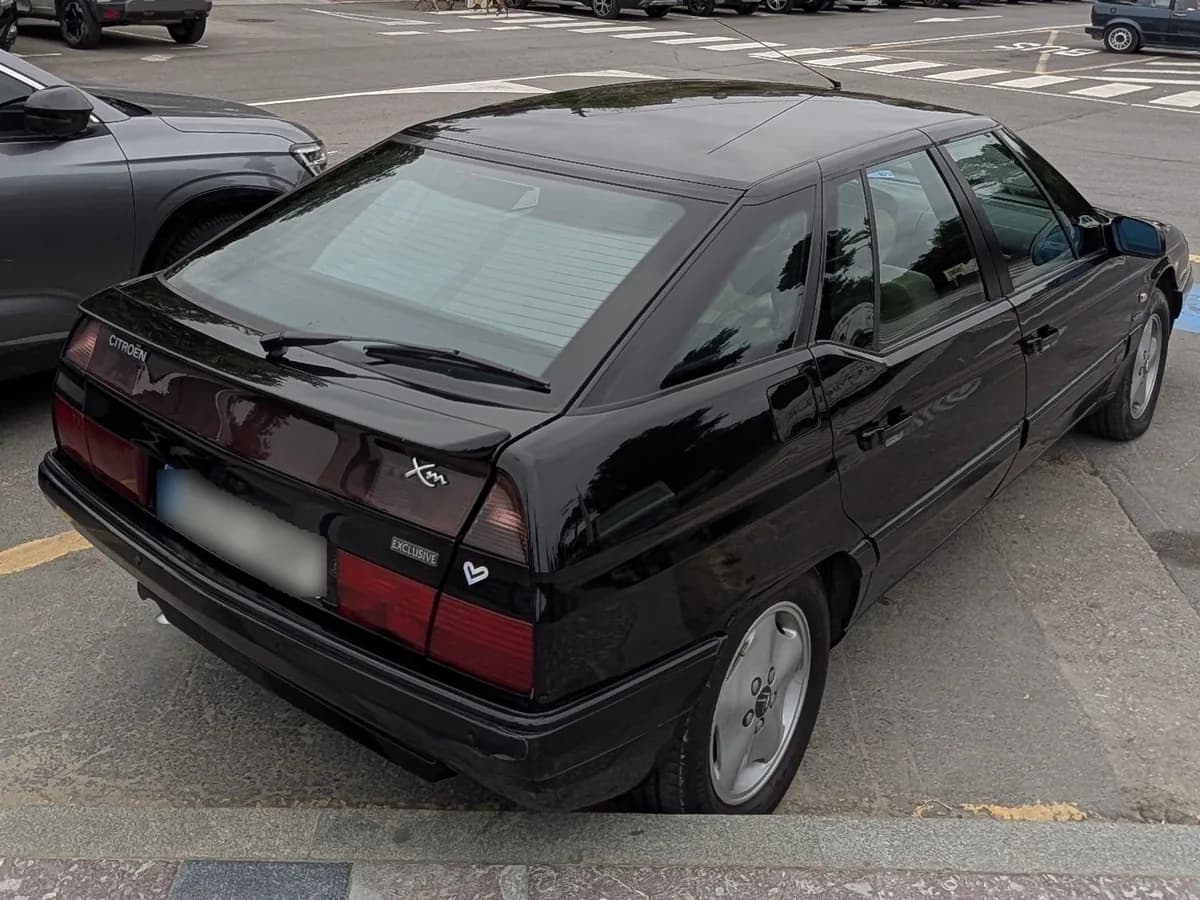
The most obvious difference concerns body style. The XM Liftback is a large five-door hatchback, visually shorter and lower than the Break estate. It emphasizes an aerodynamic profile and direct access to the luggage compartment, while retaining a separate inner glass panel intended to isolate the cabin from temperature changes and exterior noise. The Break uses an extended rear section, a longer roof and substantially greater cargo capacity. Its role is more family-oriented, professional or practical, without giving up the hydraulic comfort that defines the XM. Between the Y3 and Y4 series, the main differences involve styling, interior presentation and equipment. Early cars retain the original XM design details, while post-1994 models receive a revised front end, a redesigned dashboard and more advanced electronic systems. Engines, transmissions, trim levels and equipment could vary by model year and market. A car is therefore best identified by its production series, build date and equipment specification rather than by its commercial name alone.
Photo recognition
The XM is first identified by its very low, angular profile, long hood and extensive glasshouse. The Liftback has five doors, a sharply sloping hatch and a rear window visually framed by slim pillars. The separate inner glass panel, visible from the luggage area or passenger compartment, is a characteristic clue on hatchback versions. The early dashboard and single-spoke steering wheel can also help identify a Y3 car, although their presence may depend on trim level and market. To recognize a Y4, examine the front end: the double-chevron badge is mounted in the center of the grille and the bumper design is revised. The dashboard has a more modern and less dramatic appearance than the unit used in early cars. The Break is identified by its extended roof, model-specific rear doors and longer rear overhang. The XM should not be mistaken for a conventional three-box sedan: its rear hatch and fastback profile were part of the original design. Badges, wheel covers and equipment details may nevertheless vary with trim level and market.
Important versions
The XM range began with a Liftback offered with petrol and diesel engines. Notable versions include cars fitted with a V6, reconnecting the model with the tradition of large Citroën flagships, as well as turbocharged variants intended for fast long-distance travel. Turbo-diesel models later broadened the car’s appeal. Launched in 1991, the Break was the main body-style expansion and offered substantially greater practical capacity. The Y4 series introduced facelifted cars and several updated equipment features. Trim names and specifications varied between countries; Onyx, Prestige, Harmonie and Exclusive are among the series or levels most closely associated with the XM’s later career. V6, Turbo CT, turbo-diesel and Break versions are particularly sought after by enthusiasts today, although their desirability depends heavily on the condition of the hydraulic suspension, electronics and documented maintenance history.
The name “XM” follows Citroën naming, with its rules and its exceptions. Decode a Citroën name
References
- 25 Jahre Citroën XM: Erstes Serienfahrzeug mit elektronisch gesteuertem FahrwerkCitroën / Stellantis Media
- Cita con la historia: Citroën XM, la génesis de los fastbacks de los años 90Citroën / Stellantis Media
- La storia della Marca Citroën dalla VISA alla XMCitroën / Stellantis Media
- La Citroën XM a 25 ansCaradisiac
- Citroen XM (1989–2000) used car reviewRAC Drive
- https://www.autobild.de/marken-modelle/citroen/xm/autobild.de
- https://www.caradisiac.com/Citroen-XM-break-45368.htmcaradisiac.com
- https://classics.honestjohn.co.uk/reviews/citroen/xm/classics.honestjohn.co.uk
Frequently asked questions
- What years was the Citroën XM produced?
- ScanRacer's referenced versions cover 1989.
- How many Citroën XM examples are documented on ScanRacer?
- 3 published scans from 3 members, with the latest photo added in July 2026.