
C4
The Citroën C4 is now a raised-profile compact car, offered since 2020 with petrol, hybrid and electric powertrains depending on the market. The C4 name is much older, however: Citroën used it in the late 1920s before bringing it back in 2004 to replace the Xsara in the compact-car class. The first modern C4 stood out with both five-door hatchback and three-door coupé body styles, while the second generation, launched in 2010, adopted a more conventional appearance. The current generation returned to a more expressive crossover-inspired design and was joined by the four-door C4 X. Body styles, equipment and powertrains have varied by country and model year, so a vehicle’s exact specification should always be checked against its market documentation. (media.stellantis.com)
Variants by year
2025
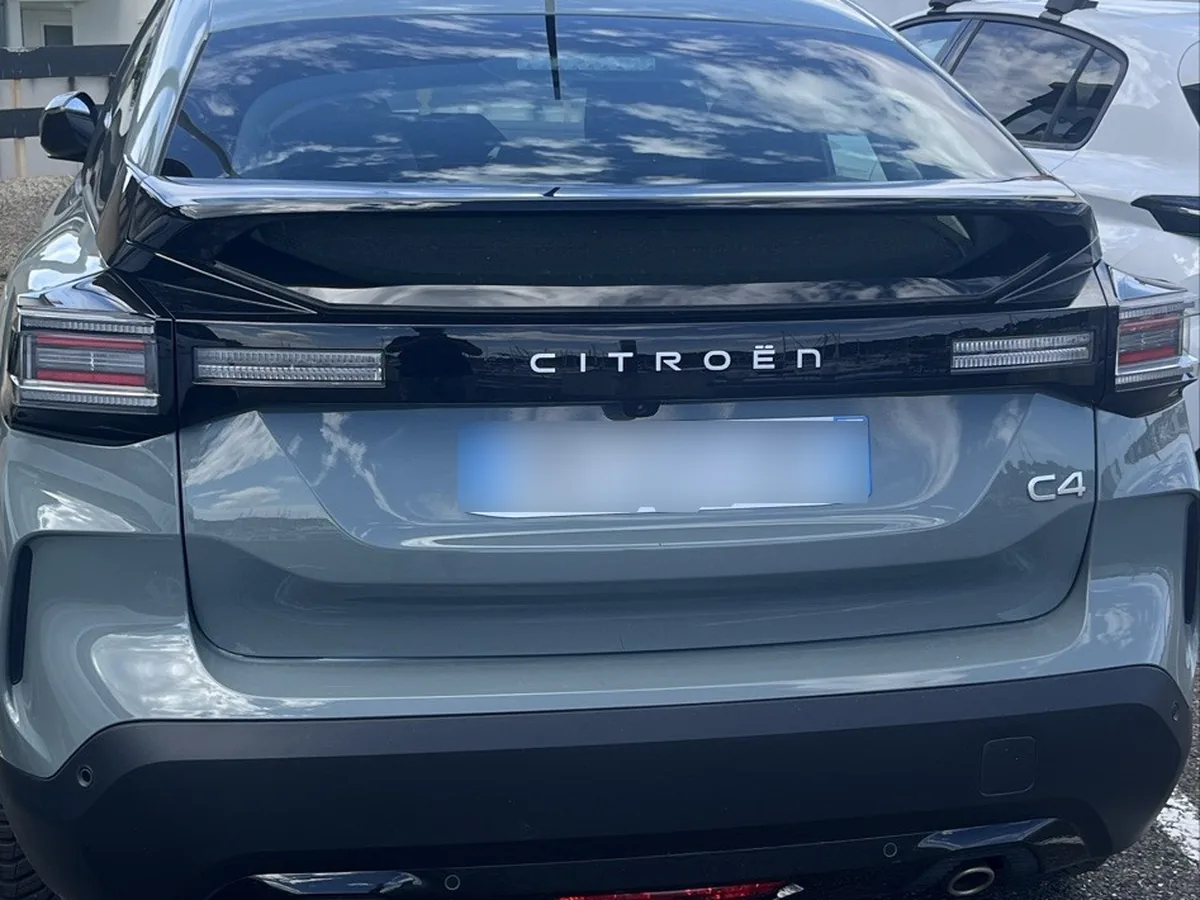 R
R2022
2020
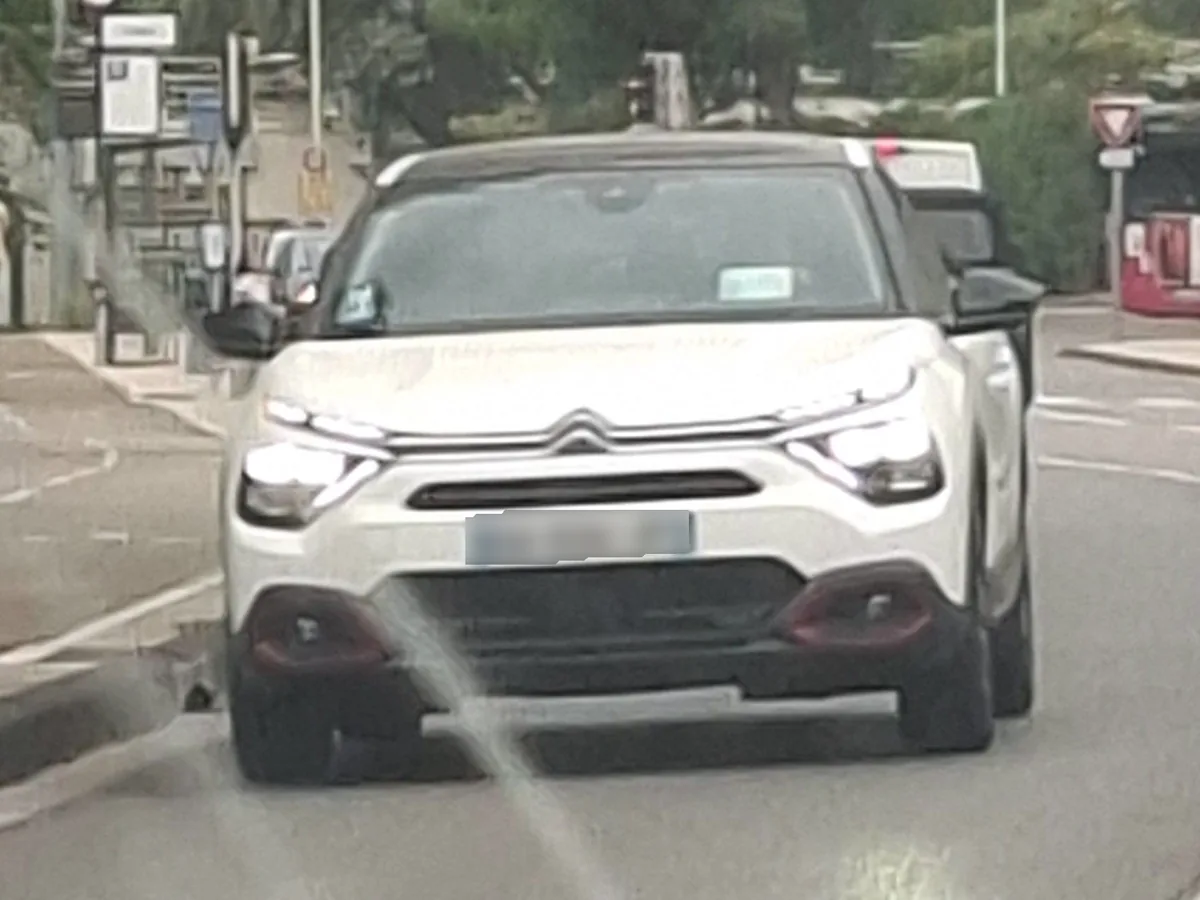
2016
2015
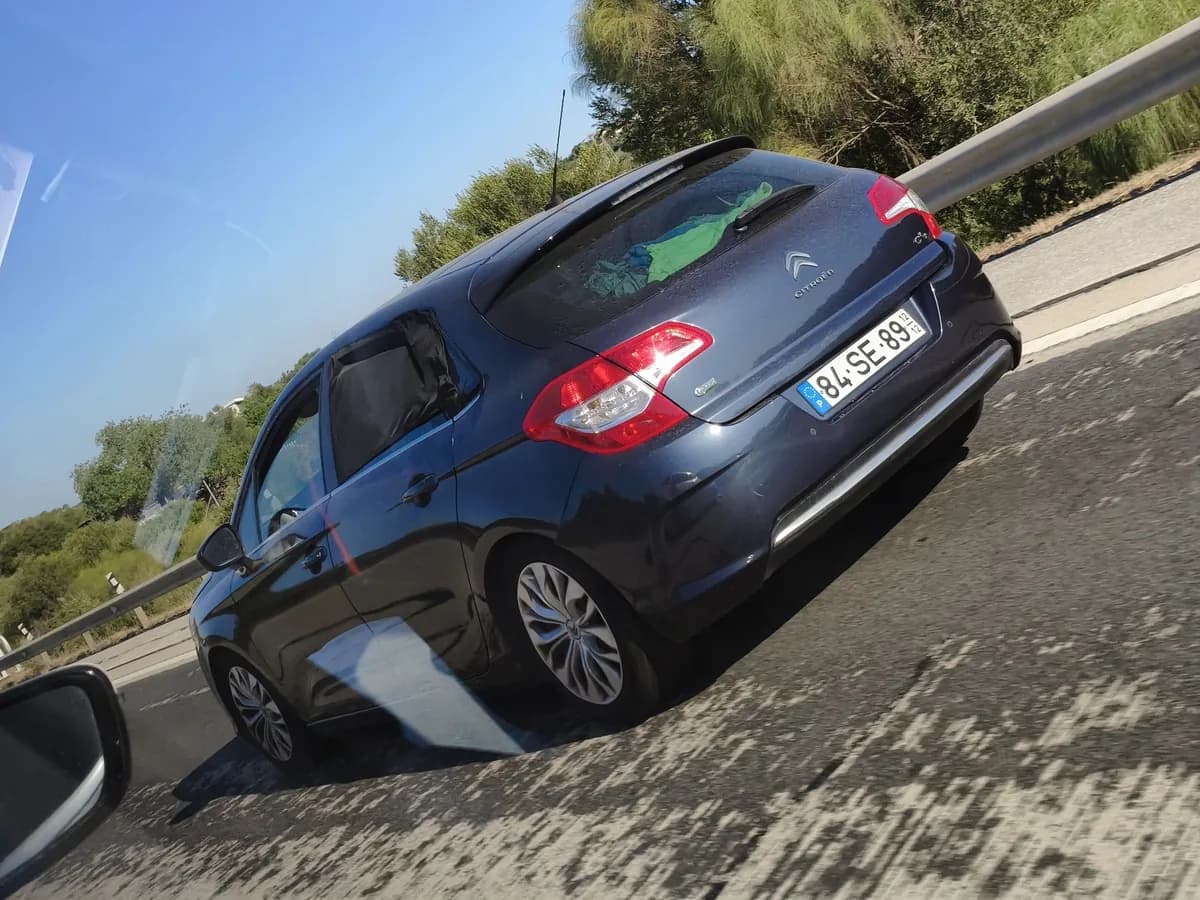
2012
2010
2007
2004
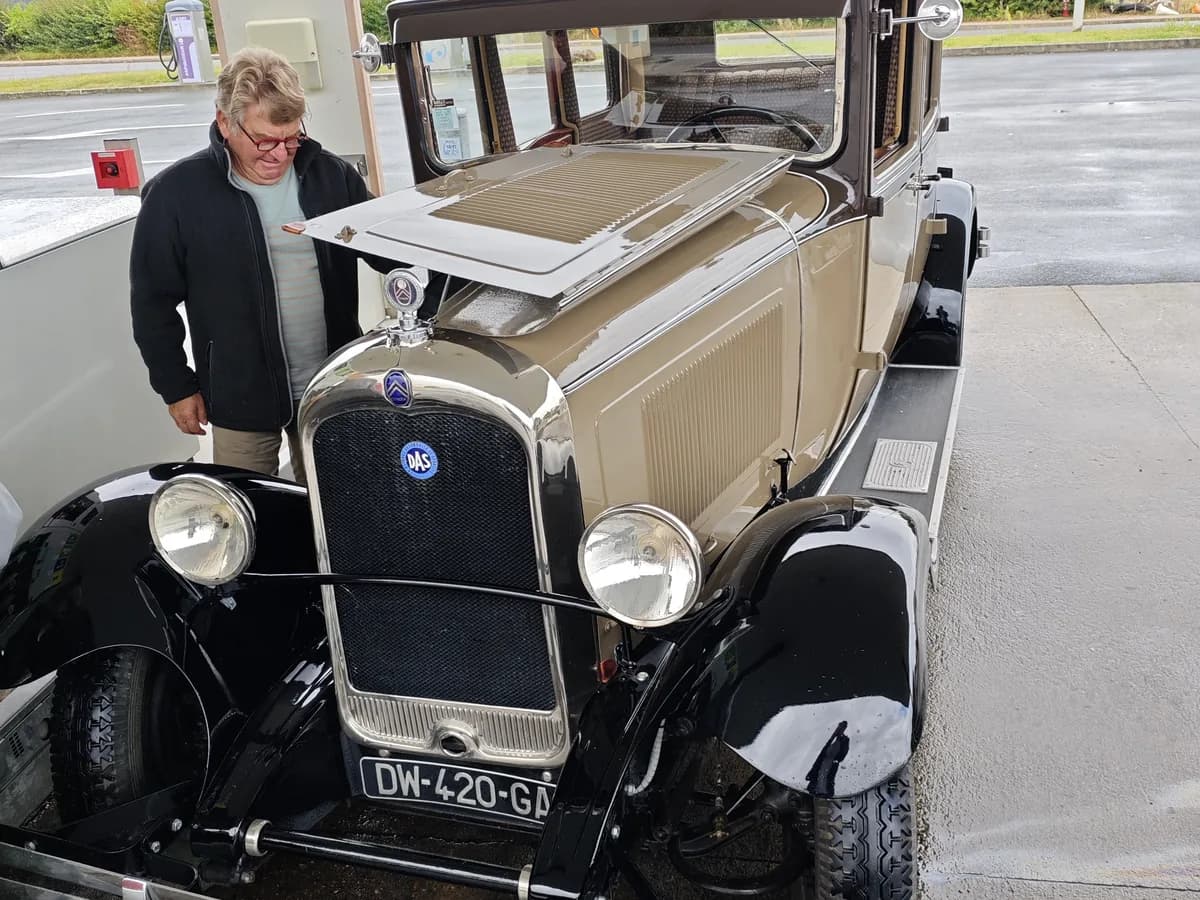
1928
Model summary
Data from the ScanRacer library, organized to compare versions quickly.
Model introduction
The Citroën C4 is now a raised-profile compact car, offered since 2020 with petrol, hybrid and electric powertrains depending on the market. The C4 name is much older, however: Citroën used it in the late 1920s before bringing it back in 2004 to replace the Xsara in the compact-car class. The first modern C4 stood out with both five-door hatchback and three-door coupé body styles, while the second generation, launched in 2010, adopted a more conventional appearance. The current generation returned to a more expressive crossover-inspired design and was joined by the four-door C4 X. Body styles, equipment and powertrains have varied by country and model year, so a vehicle’s exact specification should always be checked against its market documentation. (media.stellantis.com)
History
The first model to carry the Citroën C4 name appeared in the brand’s range between 1928 and 1930. That early car belongs to a very different period of Citroën history and should not be confused with the modern compact car introduced in 2004. The name was later revived to replace the Xsara and strengthen Citroën’s position in the European compact-car market. The first modern C4 was sold from 2004 to 2010. It was offered as both a five-door hatchback and a three-door coupé, with bold exterior styling and an unusual cabin layout that included a fixed steering-wheel hub. Styling and powertrain changes were introduced during its production run. (media.stellantis.com) The second generation arrived in 2010 and remained in production until 2018. Citroën moved towards a more conventional appearance while retaining the model’s family-oriented role. A significant update followed in 2015, bringing a revised lighting signature, additional equipment and updated engines. After a production gap, the C4 returned in 2020 with a taller, more sculpted body positioned between a compact hatchback and a crossover. This generation also introduced the electric ë-C4 and the C4 X, which uses a separate boot and three-box styling. In 2024, the range received further design changes and the 48-volt Hybrid 136 powertrain. (media.stellantis.com)
Generations
The first modern generation, produced from 2004 to 2010, is identified by its sharp styling and two distinct body styles. The five-door C4 has the proportions of a compact hatchback, while the three-door coupé uses a more sharply angled rear section and a sportier presentation. Inside, it features a centrally positioned instrument display and a fixed steering-wheel hub. A facelift introduced around 2008 changed selected exterior details, interior presentation and the engine range depending on the market. (largus.fr) The second generation was launched in 2010 and dropped the three-door coupé in favour of a more conventional five-door body. It has more regular proportions, a traditional dashboard layout and a stronger emphasis on comfort and family use. The 2015 update can be identified by its revised lighting signature and updated equipment. (autoexpress.co.uk) The third generation appeared in 2020. Its taller body, visual protective elements and sloping roofline give it a crossover-like appearance while retaining the role of a compact car. It is available with combustion powertrains and as the electric ë-C4. The C4 X, introduced from 2022, shares the general technical basis but replaces the hatchback opening with a separate boot and gives the rear a longer, three-box profile. The renewal presented in 2024 retained this basic architecture while modernising the front and rear design. (media.stellantis.com)
Key differences
The main differences between C4 models begin with body style. The 2004-2010 generation is the only one offered both as a five-door hatchback and a three-door model, commonly described as a coupé. The 2010-2018 generation used an exclusively five-door body with a more conventional shape. The C4 introduced in 2020 has a visually higher stance, a sloping roofline and crossover-inspired styling. The C4 X is not merely a trim level: it replaces the hatchback with a separate boot and uses a distinct three-box body. (largus.fr) Powertrains also separate the different periods. Earlier generations mainly used conventional petrol and diesel engines. The third generation added electric power under the ë-C4 name and later introduced a 48-volt hybrid system. The Hybrid 136 combines a three-cylinder petrol engine, a 48-volt battery and an electrified dual-clutch transmission; it is not designed for plug-in charging. Equipment, transmissions and commercial names can vary by country. (media.stellantis.com)
Photo recognition
To identify a first-generation C4, look for the compact front end, sharply raked windscreen and cabin with centrally displayed instruments. The three-door coupé has longer side doors and a more sharply angled rear than the five-door hatchback. The fixed steering-wheel hub is a useful interior clue, although its absence in a modified car or partial photograph is not conclusive. (media.stellantis.com) The second-generation C4 is easier to recognise from its conventional proportions and horizontal rear lamps. The 2015 facelift introduced a different front lighting signature and redesigned rear lamp units, depending on trim and market. The 2020 C4 has a taller bonnet, pronounced wheel-arch treatment, sculpted sides and a fastback-like roofline. The ë-C4 uses the same body but adds identification details associated with its electric powertrain. The C4 X has a longer rear section and a separate boot lid, unlike the C4 hatchback. (media.stellantis.com)
Important versions
The key body styles include the five-door C4 and three-door coupé sold from 2004 to 2010, followed by the five-door second-generation C4 introduced in 2010. The current generation broadened the model’s identity with crossover-inspired C4 styling and the electric ë-C4. The C4 X, introduced from 2022, is the four-door derivative with a separate boot. Recent model years also added the Hybrid 136 48-volt system alongside petrol, diesel and electric versions, depending on market. Labels such as “Sedan,” “X Sedan” or “Coupé SUV” may reflect regional or catalogue terminology; they should be checked against the actual body shape and market specification. (media.stellantis.com)
The name “C4” follows Citroën naming, with its rules and its exceptions. Decode a Citroën name
References
- New C4 and New ë-C4 - 100% ëlectric: Citroën reinvents the compact hatchbackCitroën / Stellantis Media
- The Citroën C4 New Range: What’s New in 2015Citroën / Stellantis Media
- Citroen C4: model overviewL’Argus
- Used Citroen C4 Mk2, 2010-2018 review and buyer’s guideAuto Express
- Citroën C4 and C4 X embrace 48V Hybrid technologyCitroën / Stellantis Media
- Citroën announces new hybrid powertrain for C4, C4 X, ë-C4 and ë-C4 XCitroën / Stellantis Media
- Citroën C4 X safety and identification documentCitroën / Stellantis
- https://carreliabilityreport.com/en/reliability/citroen-c4-2004-2010-essencecarreliabilityreport.com
Frequently asked questions
- What years was the Citroën C4 produced?
- ScanRacer's referenced versions cover 1928 - 2025.
- How many Citroën C4 examples are documented on ScanRacer?
- 4 published scans from 4 members, with the latest photo added in August 2026.