
C3
Launched in 2002 as the successor to the Saxo, the Citroën C3 is a B-segment hatchback that has steadily expanded its role within the French brand’s line-up. The first generation stood out with its rounded shape, forward-set windscreen and bright, practical cabin. The second-generation C3, introduced in 2009, kept that friendly character while adding more length, comfort and equipment. In 2016, Citroën moved toward a more expressive design, with Airbump® panels and extensive personalisation available on selected versions. The 2020 facelift updated the front end, lighting and interior options. In 2023 and 2024, the European range entered a new phase with a fourth-generation model, including the fully electric ë-C3 alongside petrol and hybrid powertrains.
Variants by year
2024
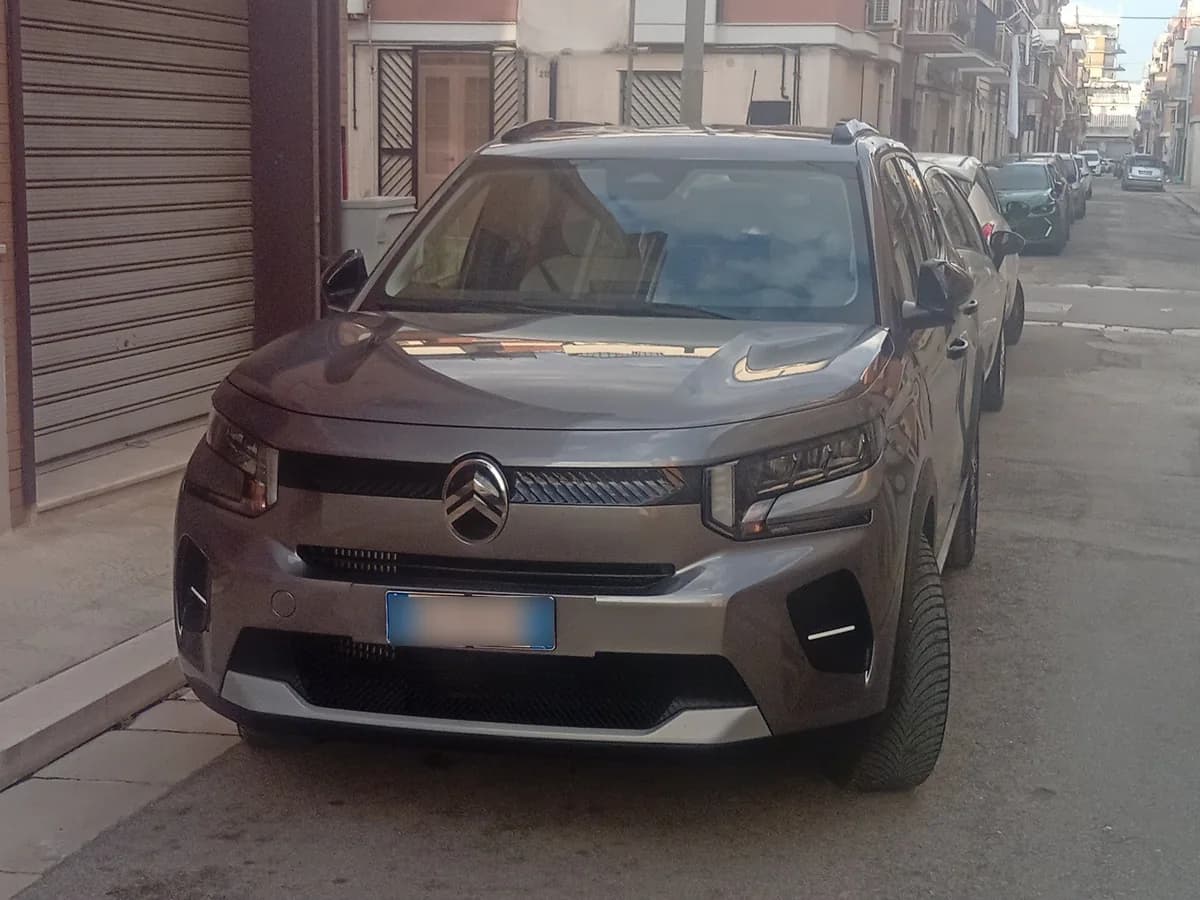
2021
2016
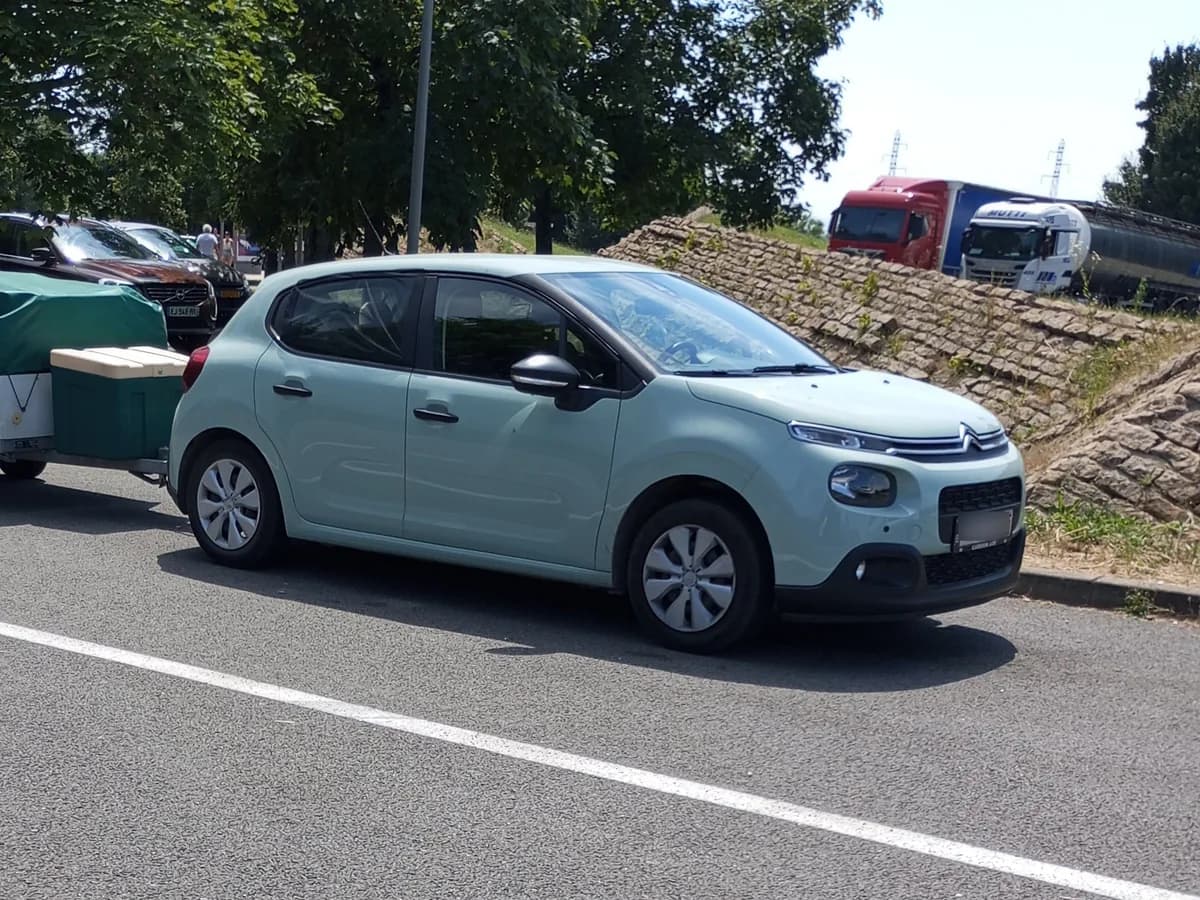
2009
2004
2002

Model summary
Data from the ScanRacer library, organized to compare versions quickly.
Model introduction
Launched in 2002 as the successor to the Saxo, the Citroën C3 is a B-segment hatchback that has steadily expanded its role within the French brand’s line-up. The first generation stood out with its rounded shape, forward-set windscreen and bright, practical cabin. The second-generation C3, introduced in 2009, kept that friendly character while adding more length, comfort and equipment. In 2016, Citroën moved toward a more expressive design, with Airbump® panels and extensive personalisation available on selected versions. The 2020 facelift updated the front end, lighting and interior options. In 2023 and 2024, the European range entered a new phase with a fourth-generation model, including the fully electric ë-C3 alongside petrol and hybrid powertrains.
History
The C3 arrived in 2002 as the successor to the Saxo and quickly became one of Citroën’s key small cars. The first generation used a five-door body with rounded styling, a short overall footprint and a cabin designed to make good use of urban dimensions. It was also the basis for the C3 Pluriel, revealed in 2003. Built until 2010, that three-door derivative offered several body configurations through its folding roof and removable side arches. The second-generation C3 was shown in 2009 and went on sale from 2010. It retained the previous car’s approachable shape while becoming larger and offering a Zenith panoramic windscreen on selected trims. A 2013 update brought revised front styling, upgraded equipment and the introduction of PureTech petrol engines within the range. The third generation, unveiled in 2016, placed greater emphasis on personalisation, comfort and connected technology. Selected versions could be equipped with Citroën ConnectedCAM. The 2020 facelift brought a redesigned front end, revised lighting and more colour combinations. In 2023, Citroën revealed the European fourth-generation model as the electric ë-C3, followed by petrol and hybrid C3 versions in 2024.
Generations
The first generation, introduced in 2002, is identified by its tall, rounded body, almond-shaped headlamps and unusually forward windscreen. Its priorities were visibility, ease of use and cabin practicality rather than a sporty appearance. The C3 Pluriel used related mechanical components but had a separate three-door body and a convertible roof system. The second generation, launched around 2009-2010, looks longer and more substantial. Its bonnet, lamps and dashboard were redesigned, while the Zenith windscreen became one of its most recognisable features on selected trims. The 2013 facelift was relatively restrained, focusing mainly on bumpers, lighting and equipment. Introduced in 2016, the third generation adopted a more upright front end, optional Airbump® side protection and extensive exterior personalisation, including contrasting roofs on some versions. The 2020 facelift can be identified by revised lighting and a front design influenced by Citroën’s newer styling language. The European fourth generation, revealed in 2023, represents a major change in direction. It has a taller stance, a new interpretation of the Citroën chevrons and an electric powertrain option. The 2024 range added petrol and Hybrid 100 versions alongside the ë-C3.
Key differences
The main differences between C3 generations concern body design, cabin presentation and powertrain strategy. The first-generation car focused on rounded proportions, clear visibility and a straightforward interior. The second generation added a more substantial body, the available Zenith windscreen and a gradual expansion of engines and equipment. The third generation placed much more emphasis on personalisation, optional Airbump® side panels, connected functions and driver assistance systems. Its 2020 facelift was not a separate generation: it mainly revised the front end, headlamps, colours and interior themes. The fourth generation represents a larger technical shift. It uses the Smart Car platform, has a taller body and offers a multi-energy line-up including petrol, 48-volt hybrid and electric versions. These cars should not be compared solely by their C3 name, because their engines, electronic systems and overall positioning differ considerably. Trim names and standard equipment may also vary between markets and model years.
Photo recognition
A first-generation C3 can be identified by its rounded shape, elongated headlamps and strongly forward-set windscreen. The C3 Pluriel is easy to distinguish through its three-door body, removable side arches and folding fabric roof. The second-generation car has tighter surfacing and may feature the large Zenith windscreen extending above the front occupants. The third generation, introduced in 2016, uses a split-level front design, more sculpted sides and, depending on specification, Airbump® panels along the lower doors. Contrasting roofs and coloured exterior details are also strongly associated with this generation. The 2020 facelift has slimmer front styling, redesigned LED headlamps and chevrons stretching toward the lights. The fourth generation has a taller, more upright stance, a large oval Citroën emblem and a horizontal lighting signature. The ë-C3 adds electric badging and the C-Zen Lounge dashboard concept. Country-specific trim details can vary, so body shape and lighting design are usually more reliable identification clues than equipment alone.
Important versions
The C3 Pluriel remains the most distinctive derivative of the first generation. Produced from 2003 to 2010 in a total of 115,097 examples, it could function as a hatchback, open-roof car, convertible, spider or pick-up-style configuration depending on the roof and side arches. The third generation gave the C3 several of its most recognisable features, including Citroën ConnectedCAM, Airbump® panels and extensive exterior personalisation. The 2020 facelift added Advanced Comfort seats on selected versions and, according to Citroën, expanded the available exterior combinations to 97. The fourth generation broadened the range with the electric ë-C3, followed by petrol and Hybrid 100 versions in 2024. Within the library’s available coverage, the Base designation spans a broad period from 2002 to 2024, while XTR is represented for 2004.
The name “C3” follows Citroën naming, with its rules and its exceptions. Decode a Citroën name
References
- Citroën C3 : la nouvelle offensive de CitroënStellantis Media
- Nouvelle Citroën C3Stellantis Media
- Nouvelle Citroën C3 : toujours plus de personnalité et de confortStellantis Media
- Citroën célèbre les 20 ans de la C3 PlurielStellantis Media
- Citroën dévoile la toute nouvelle ë-C3Stellantis Media
- The iconic Citroën C3 gets better in every wayStellantis Media
- Déjà 500 000 Citroën C3 produites à Poissy !Stellantis Media
- https://www.caradisiac.com/c3-le-guide-d-achat-de-la-citroen-la-plus-vendue-salon-de-l-auto-caradisiac-184294.htmcaradisiac.com
Frequently asked questions
- What years was the Citroën C3 produced?
- ScanRacer's referenced versions cover 2002 - 2024.
- How many Citroën C3 examples are documented on ScanRacer?
- 4 published scans from 3 members, with the latest photo added in August 2026.