
El Camino
The Chevrolet El Camino is an American coupe utility that combines a passenger-car cabin, an open cargo bed, and more refined styling than a conventional pickup. Introduced for the 1959 model year, it followed the success of Ford’s Ranchero, disappeared after 1960, and returned in 1964 on a midsize platform related to the Chevrolet Chevelle. Through 1981, its development is commonly divided into five broad styling phases: 1959-1960, 1964-1967, 1968-1972, 1973-1977, and 1978-1981. Depending on the model year and trim, the El Camino could be configured as a straightforward utility vehicle, a more comfortable personal car, or a performance-oriented machine. Six-cylinder and V8 power were available at different points in its production history, while SS versions gave the model a direct connection to Chevrolet’s muscle-car era. (gm.com)
Variants by year
1981
1977
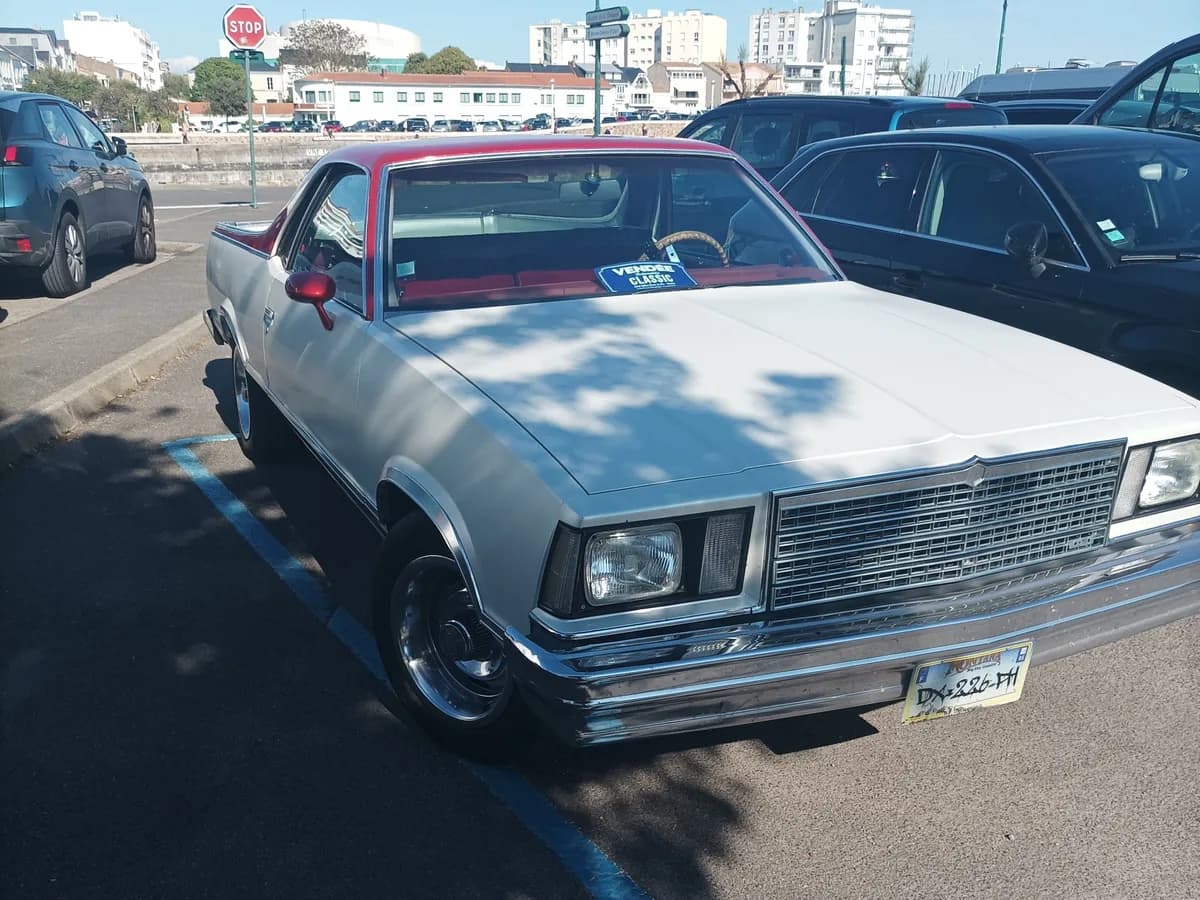
1975
1972
1971
1970
1969
1968
1967

1966
1965
1964
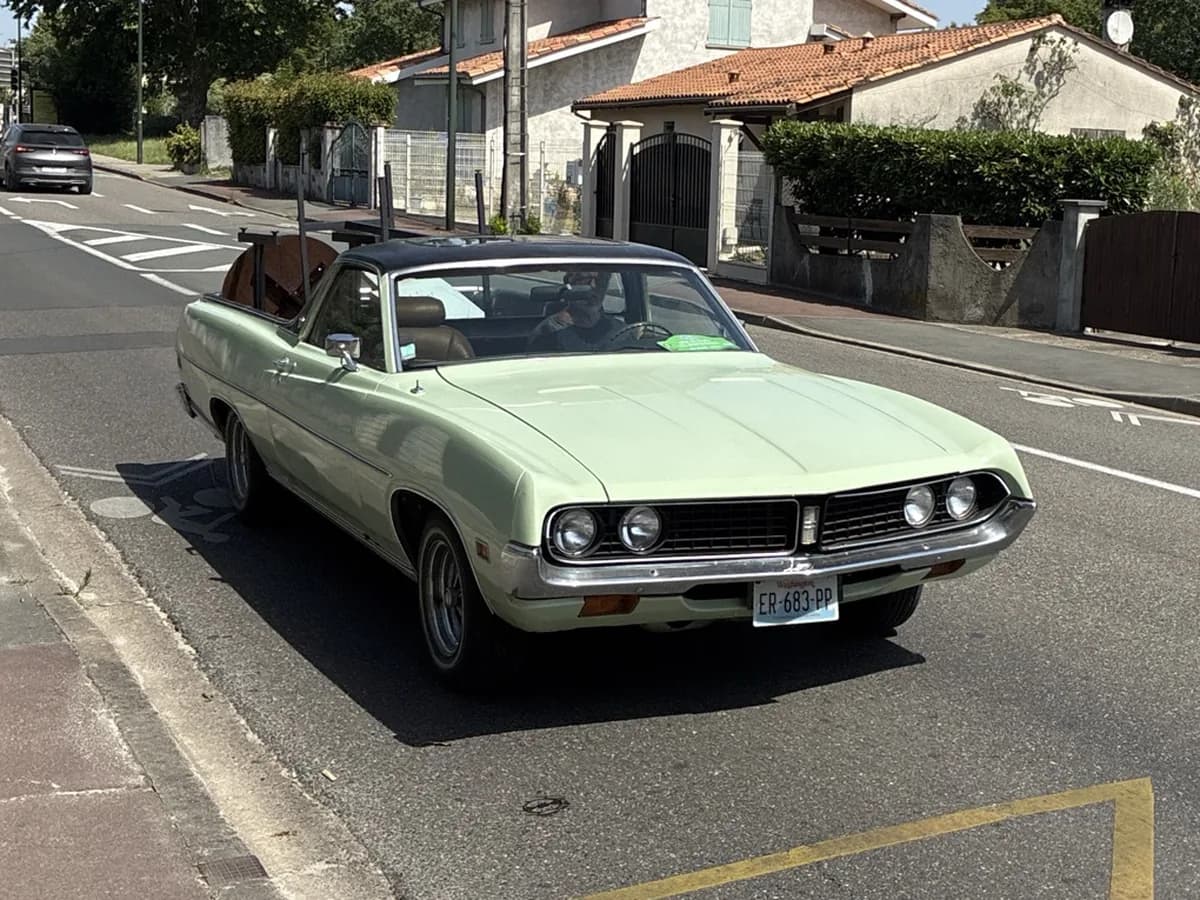
1960
1959
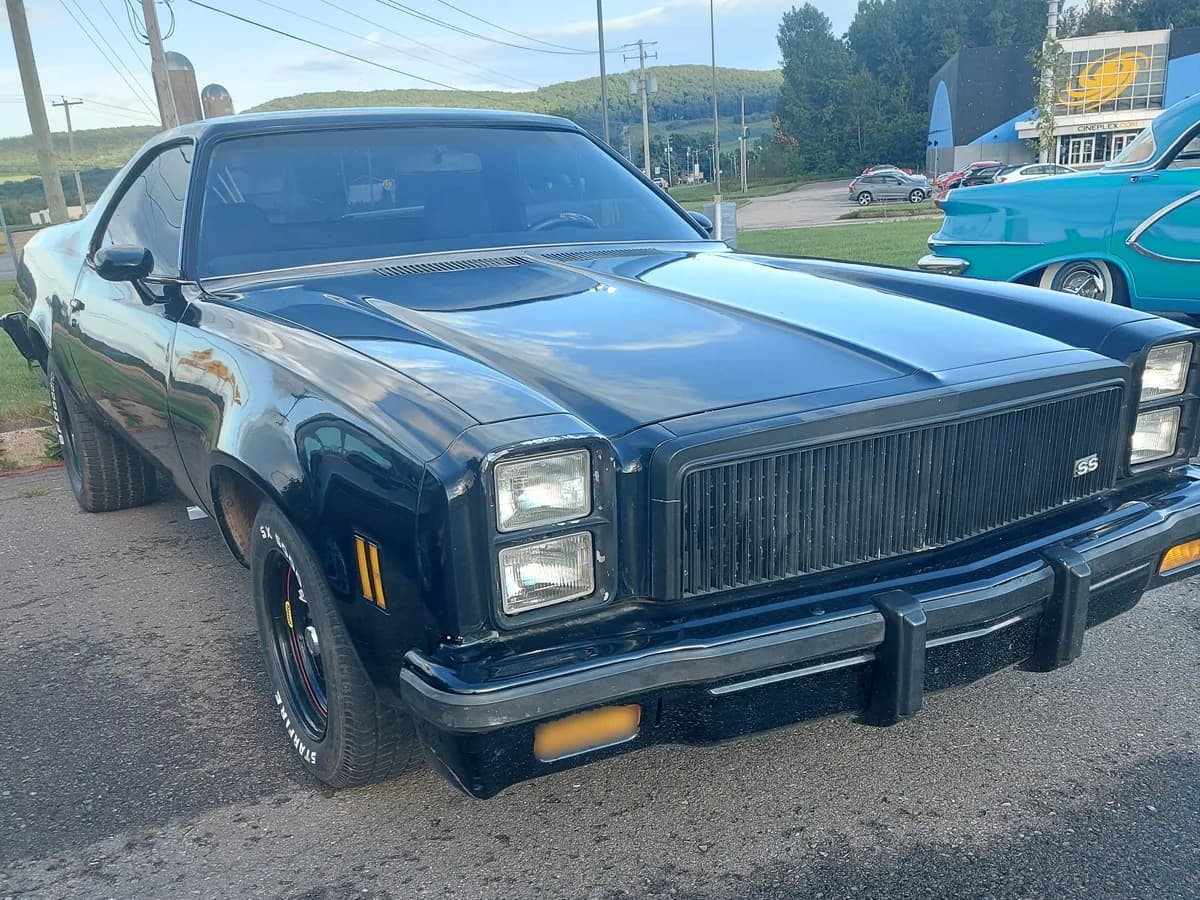 R
R1958
Model summary
Data from the ScanRacer library, organized to compare versions quickly.
Model introduction
The Chevrolet El Camino is an American coupe utility that combines a passenger-car cabin, an open cargo bed, and more refined styling than a conventional pickup. Introduced for the 1959 model year, it followed the success of Ford’s Ranchero, disappeared after 1960, and returned in 1964 on a midsize platform related to the Chevrolet Chevelle. Through 1981, its development is commonly divided into five broad styling phases: 1959-1960, 1964-1967, 1968-1972, 1973-1977, and 1978-1981. Depending on the model year and trim, the El Camino could be configured as a straightforward utility vehicle, a more comfortable personal car, or a performance-oriented machine. Six-cylinder and V8 power were available at different points in its production history, while SS versions gave the model a direct connection to Chevrolet’s muscle-car era. (gm.com)
History
Chevrolet introduced the El Camino for the 1959 model year, following Ford’s Ranchero by two years. The first version used the styling and passenger-car architecture of Chevrolet’s full-size range, while replacing the rear body with an integrated cargo bed. Six-cylinder and V8 engines were offered, and buyers could specify many of the comfort and appearance features associated with Chevrolet cars. Although 22,246 were sold in 1959, sales declined in 1960 and Chevrolet discontinued the model after that second year. (gm.com) The El Camino returned in 1964 on Chevrolet’s midsize Chevelle platform. Smaller and more performance-focused, it shared much of its engineering and available equipment with Chevrolet’s other intermediate models. A larger redesign arrived for 1968, bringing the SS 396 and, in 1970, SS 454 performance versions. After another major change for 1973, the El Camino retained its coupe-utility layout while adopting bulkier styling and responding to changing regulations and market conditions. The generation introduced for 1978 moved to a more compact G-body architecture. It continued through 1987, although the model range considered here ends with the 1981 model year. (motortrend.com)
Generations
The first generation covers the 1959 and 1960 model years. It is identifiable by full-size Chevrolet proportions, integrated rear fenders, and a relatively long cargo bed. The 1959 model carries the dramatic styling of that year’s Chevrolet passenger cars, while the 1960 version uses a more restrained design. (gm.com) The second generation ran from 1964 through 1967. Built from the Chevelle’s midsize architecture, it was shorter and more manageable than the original. Exterior details changed from year to year, but the basic two-door coupe-utility profile remained consistent. Six-cylinder and V8 engines were available, along with a broader range of comfort and performance equipment. (motortrend.com) The third generation, covering 1968-1972, brought a wider body and a more muscular appearance. The SS 396 and SS 454 became its most notable performance derivatives. The fourth generation, from 1973 to 1977, used a larger and more squared-off design. The fifth generation began in 1978. It was more compact, followed the G-body format, and gradually adopted the rectangular-headlamp styling associated with Chevrolet’s early-1980s models. (assets.ctfassets.net)
Key differences
The main differences between El Camino model groups involve their platforms and proportions. The 1959-1960 cars are full-size vehicles closely related in appearance to Chevrolet’s contemporary passenger cars. The 1964-1967 models are smaller and directly connected to the Chevelle. The 1968-1972 cars are wider and offered the strongest performance identity, particularly through the SS models. The 1973-1977 generation adopted a larger, more formal body with year-by-year changes to the front end and trim. From 1978 onward, the El Camino became more compact and moved to the G-body architecture. (motortrend.com) Trim level also changes the character of the vehicle. A standard model emphasizes practical equipment, while Custom and SS versions could add distinctive exterior details, comfort features, and more powerful engines depending on the year. Badges, grilles, and emblems should be checked against period documentation because many surviving El Caminos have been restored, modified, or converted to resemble higher-performance versions.
Photo recognition
To identify an El Camino, first examine the relationship between the cabin and the bed. It is a two-door body with a bulkhead behind the passenger compartment, not a conventional pickup with a separate cab and box. The 1959-1960 models have the sculpted fenders and full-size proportions of contemporary Chevrolet passenger cars. The 1964-1967 models are lower and more compact, with an obvious visual connection to the Chevelle. The 1968-1972 cars have wider flanks and a more muscular profile; a hood bulge, special grille, or SS emblems may indicate a performance version, although none of those details alone proves authenticity. (gm.com) The 1973-1977 generation looks larger and more formal. The 1978-1981 cars are more compact, follow the G-body design language, and use rectangular headlamps on applicable model years. To confirm a model year, compare the grille, tail lamps, moldings, badges, identification plate, and body codes with a period brochure or GM document for that specific year.
Important versions
The most important versions begin with the standard models, which best represent the El Camino’s combination of passenger-car comfort and practical utility. During the 1960s, Custom trims added more equipment and visual appeal. The 1968-1969 SS 396 and the 1970 SS 396 and SS 454 stand at the performance-focused peak of the coupe-utility formula; exact engines, outputs, and equipment depended on the model year and option codes. (assets.ctfassets.net) For the 1973-1981 period, factory trim names should be separated from later conversions and restorations. Late SS badges, special-edition appearances, and aftermarket body treatments may be significant to collectors, but they should be checked against period documentation. Reliable identification depends on the model year, vehicle identification number, body codes, and surviving factory records rather than on a single emblem.
References
- 1959 Chevrolet El CaminoGeneral Motors Heritage Collection
- 1959 Chevrolet El Camino BaseHagerty
- Buyer’s Guide: 1968-1972 Chevrolet El CaminoMotorTrend
- 1970 Chevrolet El Camino SS 396 Vehicle Valuation ReportHagerty
- 1979 Chevrolet El Camino Vehicle Information KitGeneral Motors Heritage Archive
- 1987 Chevrolet El Camino Vehicle Valuation ReportHagerty
- https://www.hagerty.com/valuation-tools/chevrolet/el_caminohagerty.com
- https://chevroletelcamino.com/el-camino-history/chevroletelcamino.com
Frequently asked questions
- What years was the Chevrolet El Camino produced?
- ScanRacer's referenced versions cover 1958 - 1981.
- How many Chevrolet El Camino examples are documented on ScanRacer?
- 4 published scans from 4 members, with the latest photo added in August 2026.