
Chevelle
Introduced for the 1964 model year, the Chevrolet Chevelle was a rear-wheel-drive intermediate positioned between the compact Chevy II and Chevrolet’s full-size cars. Built on GM’s A-body architecture, it combined practical family versions with a broad range of body styles, including coupes, sedans, convertibles, and station wagons. Its significance went beyond everyday transportation. By the middle of the 1960s, the Chevelle Malibu SS and later the SS 396 had given the relatively compact Chevrolet a serious performance identity. The 1968 redesign created a second visual chapter, followed by the Colonnade-style redesign for 1973. Across its career, the Chevelle therefore changed considerably in appearance, proportions, and trim structure while retaining a wide model range. That breadth is central to understanding the nameplate: a basic sedan, a family wagon, a Malibu coupe, and an SS 454 may share the Chevelle name while representing very different versions of the same Chevrolet line.
Variants by year
1976
1974
1973
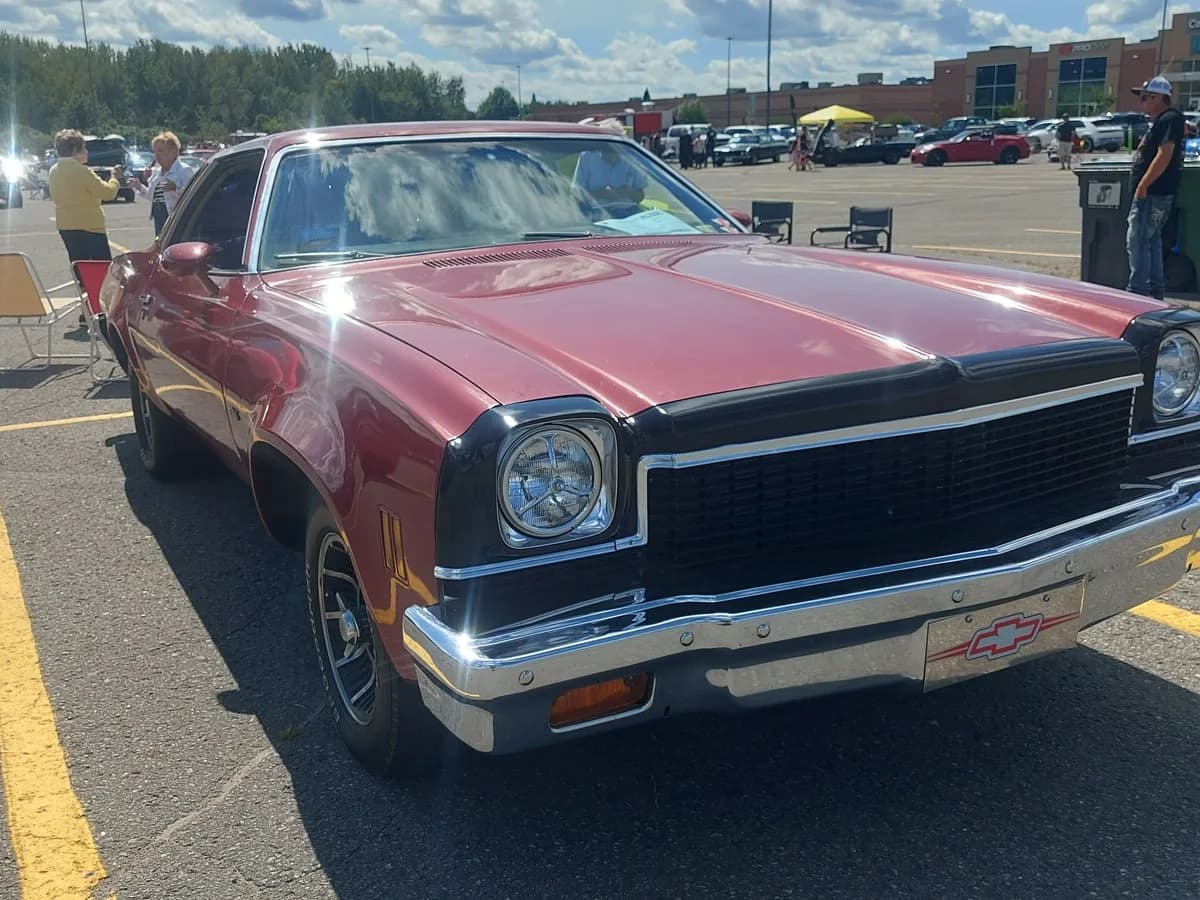 SR
SR1971
1970
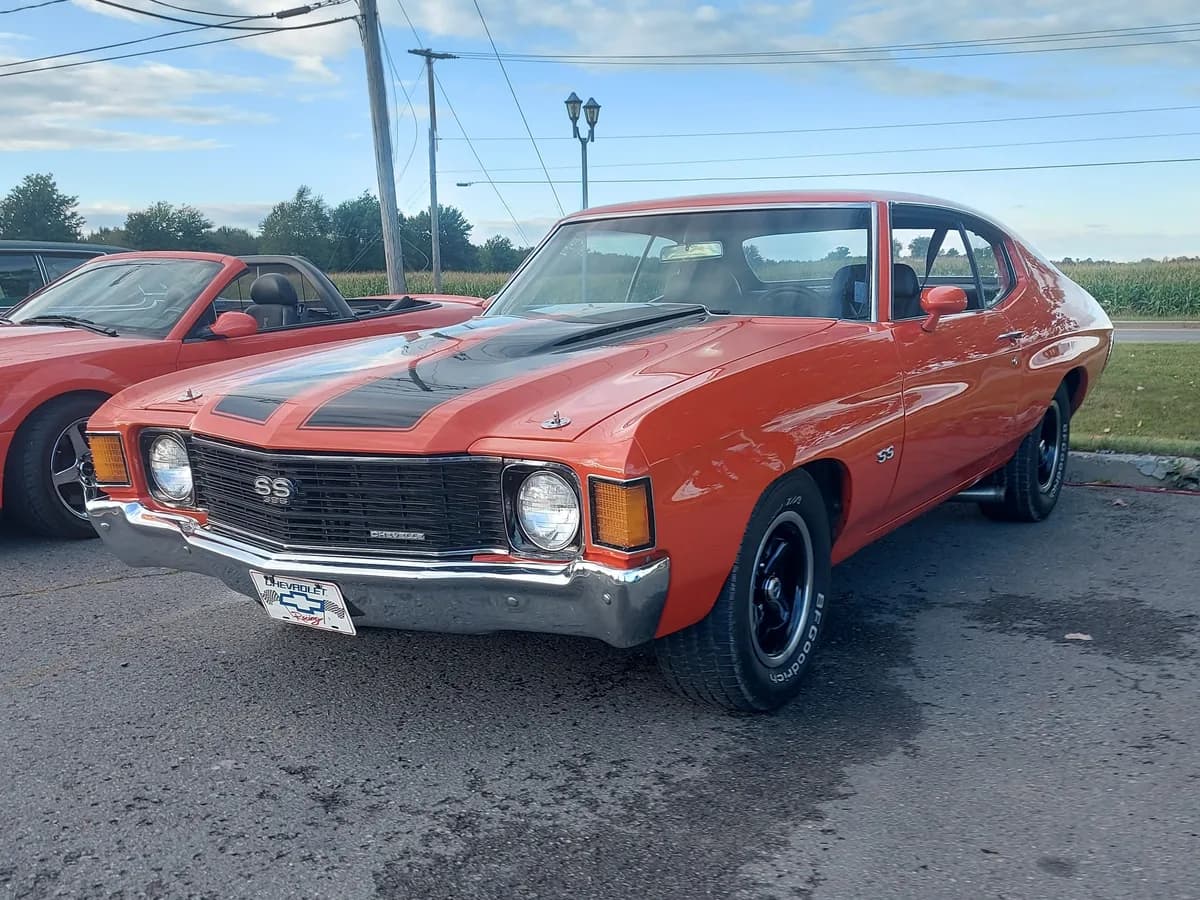
1969
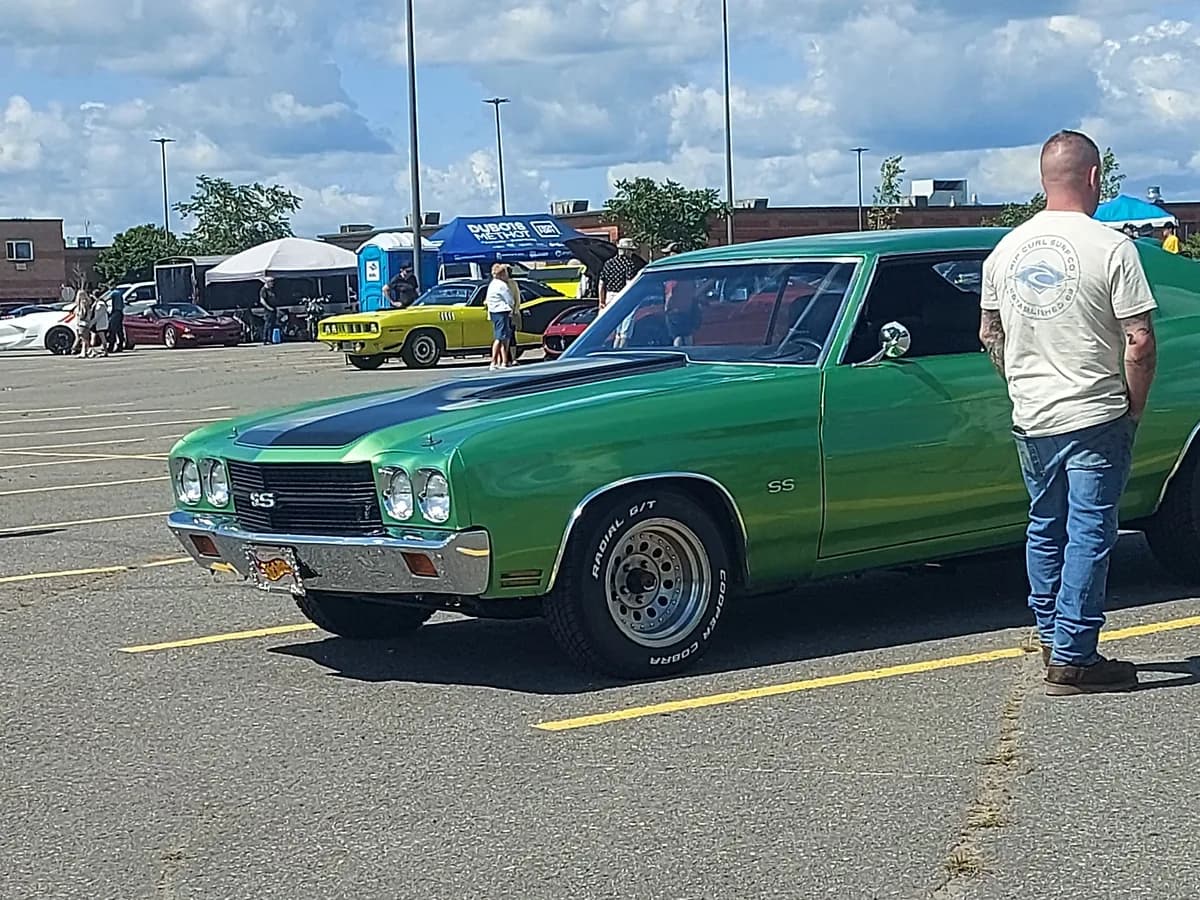 SRSR
SRSR1968
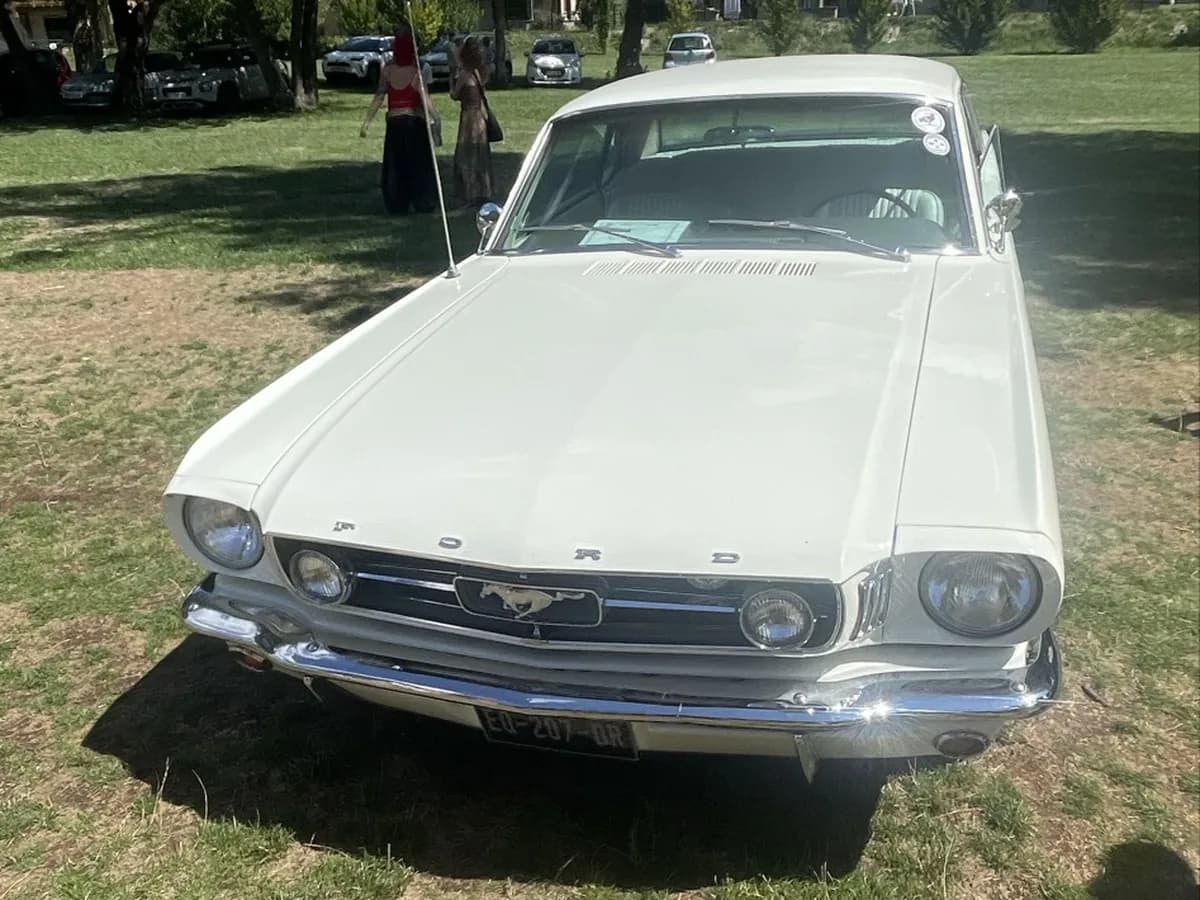 SR
SR1967
 SR
SR1966
1965
1964
1963
Model summary
Data from the ScanRacer library, organized to compare versions quickly.
Model introduction
Introduced for the 1964 model year, the Chevrolet Chevelle was a rear-wheel-drive intermediate positioned between the compact Chevy II and Chevrolet’s full-size cars. Built on GM’s A-body architecture, it combined practical family versions with a broad range of body styles, including coupes, sedans, convertibles, and station wagons. Its significance went beyond everyday transportation. By the middle of the 1960s, the Chevelle Malibu SS and later the SS 396 had given the relatively compact Chevrolet a serious performance identity. The 1968 redesign created a second visual chapter, followed by the Colonnade-style redesign for 1973. Across its career, the Chevelle therefore changed considerably in appearance, proportions, and trim structure while retaining a wide model range. That breadth is central to understanding the nameplate: a basic sedan, a family wagon, a Malibu coupe, and an SS 454 may share the Chevelle name while representing very different versions of the same Chevrolet line.
History
The Chevelle arrived for 1964 as Chevrolet’s new intermediate car. Its body-on-frame A-body architecture and 115-inch wheelbase supported a wide family of vehicles on a common foundation. The range included Chevelle 300 and Malibu series, coupes, sedans, a convertible, and station wagons. The El Camino also returned in 1964 on a related Chevelle-based structure, although it remained a distinct body style. The early years gradually established the model’s performance reputation. The Malibu SS was available from the beginning, while a limited Chevelle Z16 with a 396-cubic-inch V8 appeared in 1965. More sculpted bodywork arrived for 1966, and 1967 became the final year of that first design. Chevrolet introduced completely new sheetmetal for 1968, with a rounder profile and a more prominent SS 396 identity. The 1970 redesign brought another major visual change and added the SS 454, offered with LS5 and, optionally, LS6 big-block engines. For 1973, the Chevelle adopted the Colonnade body style, recognizable by its fixed roof pillars and the loss of the convertible. The nameplate continued through the 1977 model year before Chevrolet reorganized its intermediate range around the Malibu. GM’s Heritage Archive maintains Chevelle vehicle-information files for model years from 1964 through 1977, providing period documentation for the model’s evolution.
Generations
The first generation is generally identified with the 1964–1967 model years. It has relatively straight body lines, a horizontal grille, and a more conventional roof treatment on sedan versions. The coupes became more expressive from 1966 onward. Two- and four-door station wagons were offered for 1964 and 1965, after which the two-door wagon was dropped. This generation also introduced the early Malibu SS models and the larger-engine versions that appeared in 1965 and 1966. The second generation covers 1968–1972. The body became rounder, with fuller fenders and a fastback-like roofline on the coupes. The 1970 model stands apart with a squarer front end, dual headlamps, and a revised SS appearance. This period produced the best-known performance Chevelles, including the SS 454 and its optional LS6 engine. The 1971 and 1972 cars received important detail changes to the grille, lamps, and bumpers but retained the basic 1968 body structure. The third generation began in 1973 with the Colonnade design. Coupes and sedans used fixed roof pillars, while the convertible disappeared from the range. The styling became more formal, and safety requirements had a greater influence on the body. Model years 1974 through 1977 continued the same basic formula with annual trim and appearance revisions. Chevrolet’s final Chevelle models therefore look substantially different from the first A-body cars despite sharing the nameplate.
Key differences
The most obvious difference is body design. A 1964–1967 Chevelle has straighter surfaces and roof treatments that vary noticeably by series, while a 1968–1972 car has fuller sides and a fastback-style coupe profile. The 1973 redesign introduced the Colonnade body, fixed roof pillars, and the end of convertible production. Trim terminology also matters. Malibu identified a more upscale version within the Chevelle range rather than a completely separate model. SS added a performance-oriented identity, but its equipment and engine requirements changed by year. From 1968 through 1970, SS versions were tied to big-block engines; for 1971 and 1972, SS availability expanded across more V8 combinations, creating greater variation between cars that may look similar. A badge alone is therefore not enough to identify an authentic specification. SS 396, SS 454, family sedans, and station wagons can share exterior components or reproduction trim. Serial-number information, body codes, cowl tags, drivetrain codes, and period documentation are essential when determining whether a car retains its original configuration. This is especially important for high-value SS cars, which are often recreated from ordinary Chevelle bodies.
Photo recognition
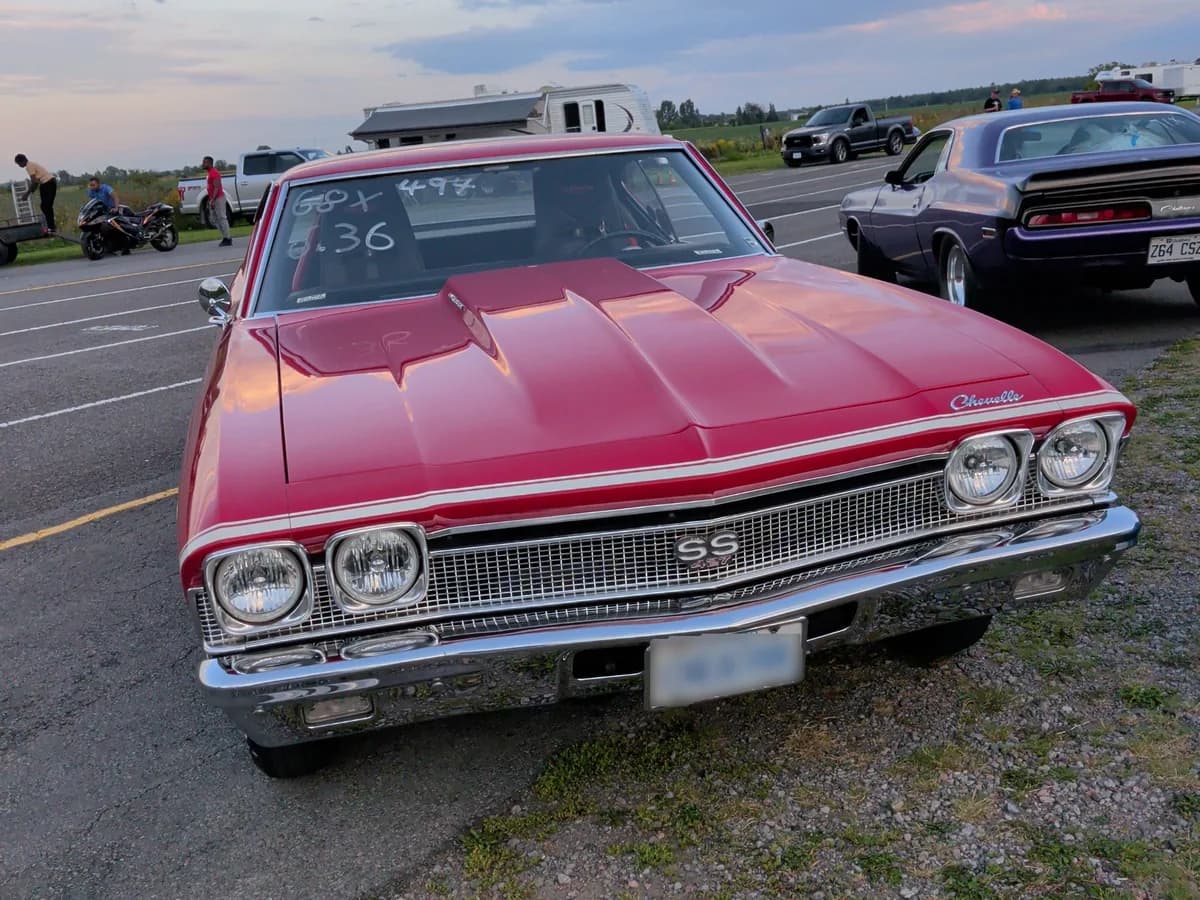
Start identification with the body shape rather than the badges. The 1964 and 1965 cars have a relatively narrow-looking front treatment, with horizontal grilles and year-specific tail-lamp designs. The 1966 and 1967 coupes gained more sculpted rear quarters; front-end details and roof shape then help separate the two model years. The 1968 and 1969 cars have rounded profiles and a strongly sloping coupe roof. The 1970 model is especially recognizable by its dual headlamps, split grille with a body-color center bar, and rectangular taillamps built into the rear bumper. For 1971, the front end changed to single headlamps with wraparound turn signals, while 1972 retained the basic shape with a wider grille and revised details. From 1973 onward, fixed roof pillars and distinctive side-window shapes identify the Colonnade body. SS verification requires more than stripes, wheels, hood designs, or badges, since these parts can be reproduced or added later. Inspect the VIN, cowl tag, body codes, drivetrain markings, and surviving factory paperwork. On an alleged SS 454 or LS6 car, consistent documentation is more persuasive than appearance alone.
Important versions
The key versions begin with the 1964 Chevelle 300, Malibu, and Malibu SS. The limited-production 1965 Z16, associated with a 396-cubic-inch V8, represents an early high-performance milestone. The SS 396 name became one of Chevrolet’s defining performance badges during the later 1960s. The high point of the Chevelle’s performance reputation is the SS 454 offered from 1970 through 1972. In 1970, the LS5 and LS6 engines placed the Chevelle among the most recognizable American muscle cars of the period. SS coupes and convertibles are generally the most sought-after body styles, while ordinary sedans, station wagons, and Malibu models better represent the practical side of the range. After the 1973 Colonnade redesign, the SS identity changed as the body became more formal and the model moved further from its peak muscle-car image.
References
- Buyer’s Guide: The 1964-1967 Chevrolet ChevelleHemmings
- Market Analysis: 1968-’72 Chevrolet Chevelle SS Shows its StrengthHemmings
- Chevrolet Chevelle and Malibu turn 50Hemmings
- https://www.chevrolet.com/content/chevrolet/na/us/en/the-block/articles/2024/august/slammer-redux-chevrolet-performances-1969-chevelle-now-has-the-sp502-605-crate-engine.htmlchevrolet.com
- https://books4cars.com/cars/Chevrolet/Chevelle/1970/Brochurebooks4cars.com
- https://classiccarsarena.com/index.php/chevrolet/chevelle/evolutionclassiccarsarena.com
- https://dewiki.de/Lexikon/Chevrolet_Chevelledewiki.de
Technical specifications
Structured data available for versions linked to this model.
| Version | Power | Torque | Top speed | Drivetrain | Fuel |
|---|---|---|---|---|---|
| Base | 276 KW @ 5600 RPM 375 HP @ 5600 RPM 370 BHP @ 5600 RPM | 415 lb-ft @ 3600 RPM 563 Nm @ 3600 RPM | — | Rear Wheel Drive / 4-Speed manual | Gasoline |
Frequently asked questions
- What years was the Chevrolet Chevelle produced?
- ScanRacer's referenced versions cover 1963 - 1976.
- How many Chevrolet Chevelle examples are documented on ScanRacer?
- 9 published scans from 6 members, with the latest photo added in August 2026.
- What is the power output of the Chevrolet Chevelle?
- The sourced technical data lists 276 KW @ 5600 RPM 375 HP @ 5600 RPM 370 BHP @ 5600 RPM.