
Camaro
Introduced as a 1967 model, the Chevrolet Camaro is an American front-engine, rear-wheel-drive performance car developed by Chevrolet as demand grew for compact sporty coupes. From the beginning, it was offered in both coupe and convertible forms, with a range that extended from a six-cylinder version to more powerful V8-powered models. Rally Sport, Super Sport and Z/28 designations later became central to the Camaro’s identity, linking appearance, road performance and competition influence. The model progressed through six generations, with production interrupted between 2002 and 2009. Within the coverage represented here, model years run from 1967 through 2018, including coupe and convertible body styles as well as historical designations used during the Camaro’s early years.
What about the car you photographed?
Upload a photo to get a suggested make, model and likely year.
No account needed for the result · Publish only if you choose
Variants by year
Make: Chevrolet · Model: Camaro
22 / 22 versions shown
2019
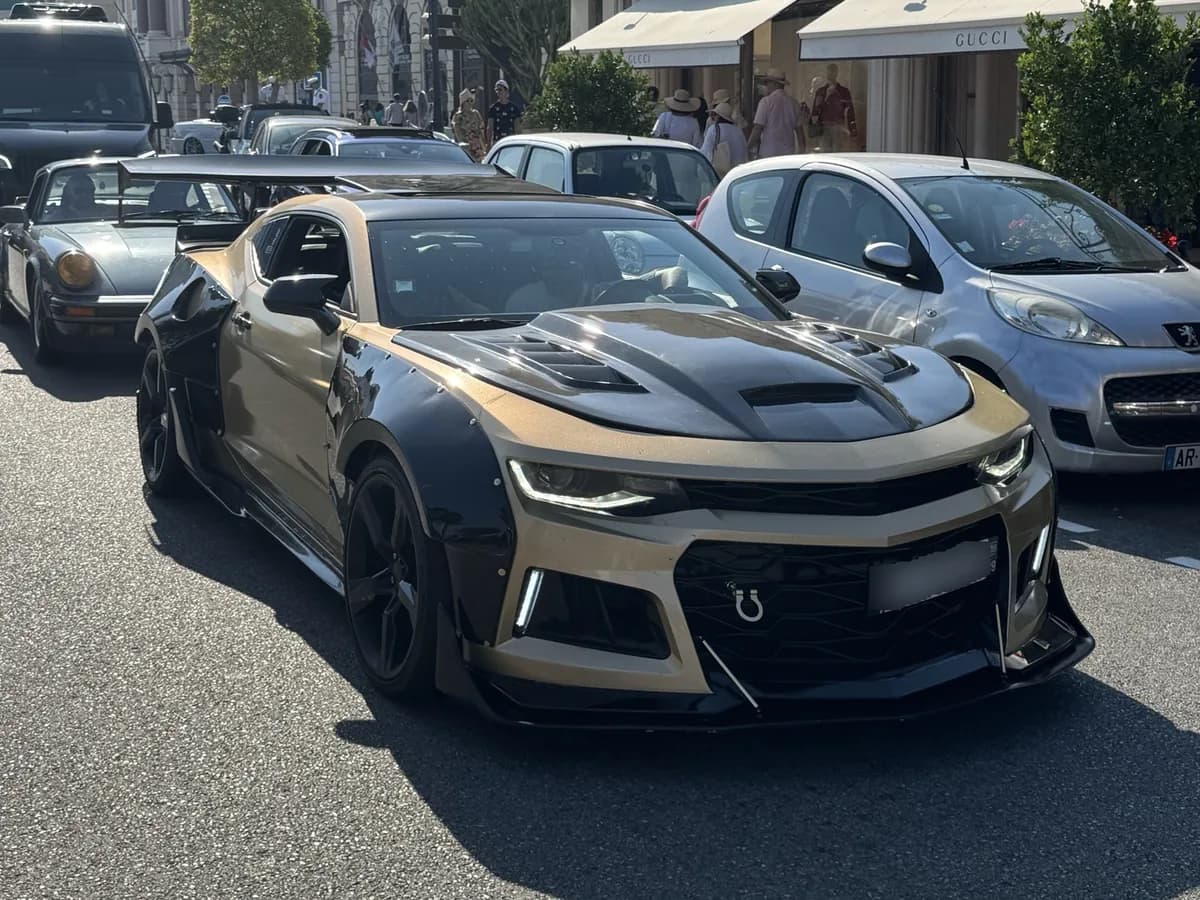
2018
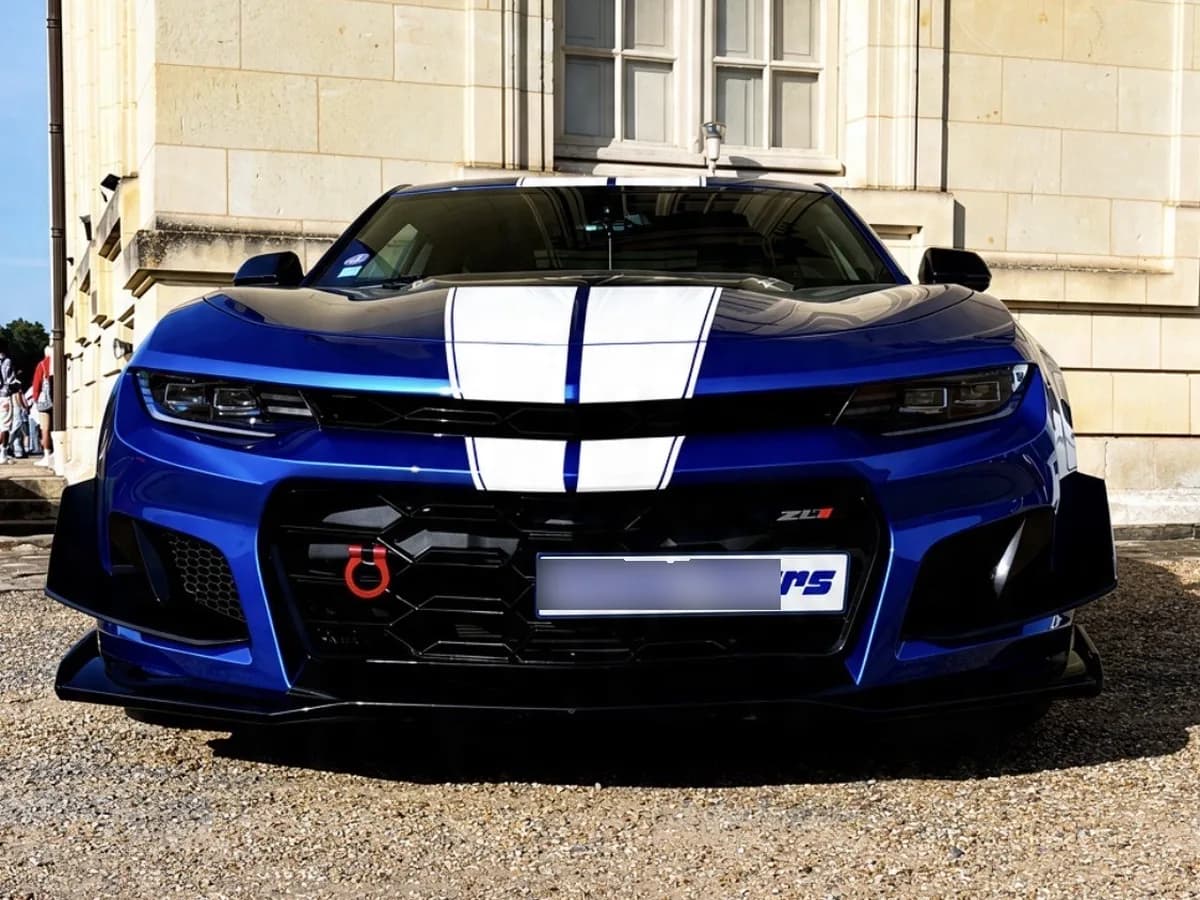 SR
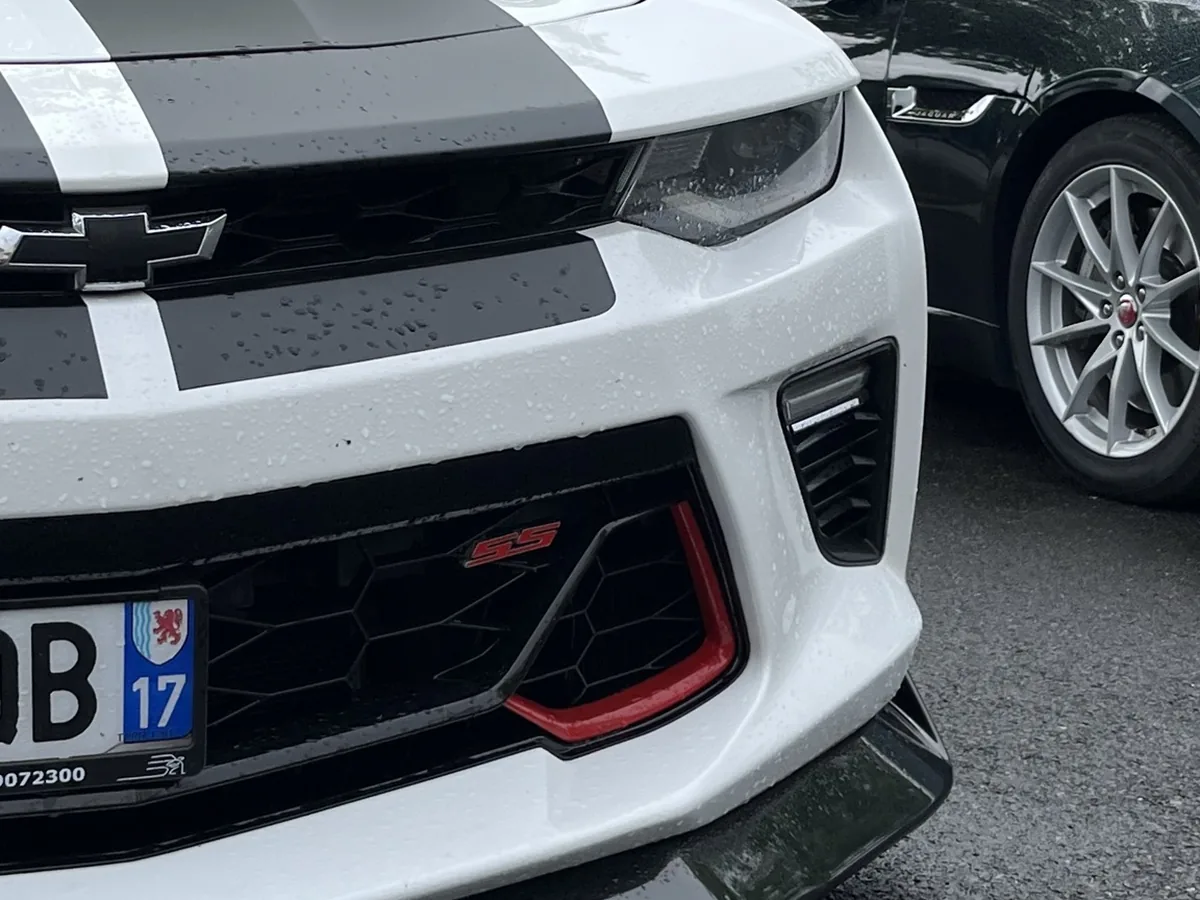
SR2015
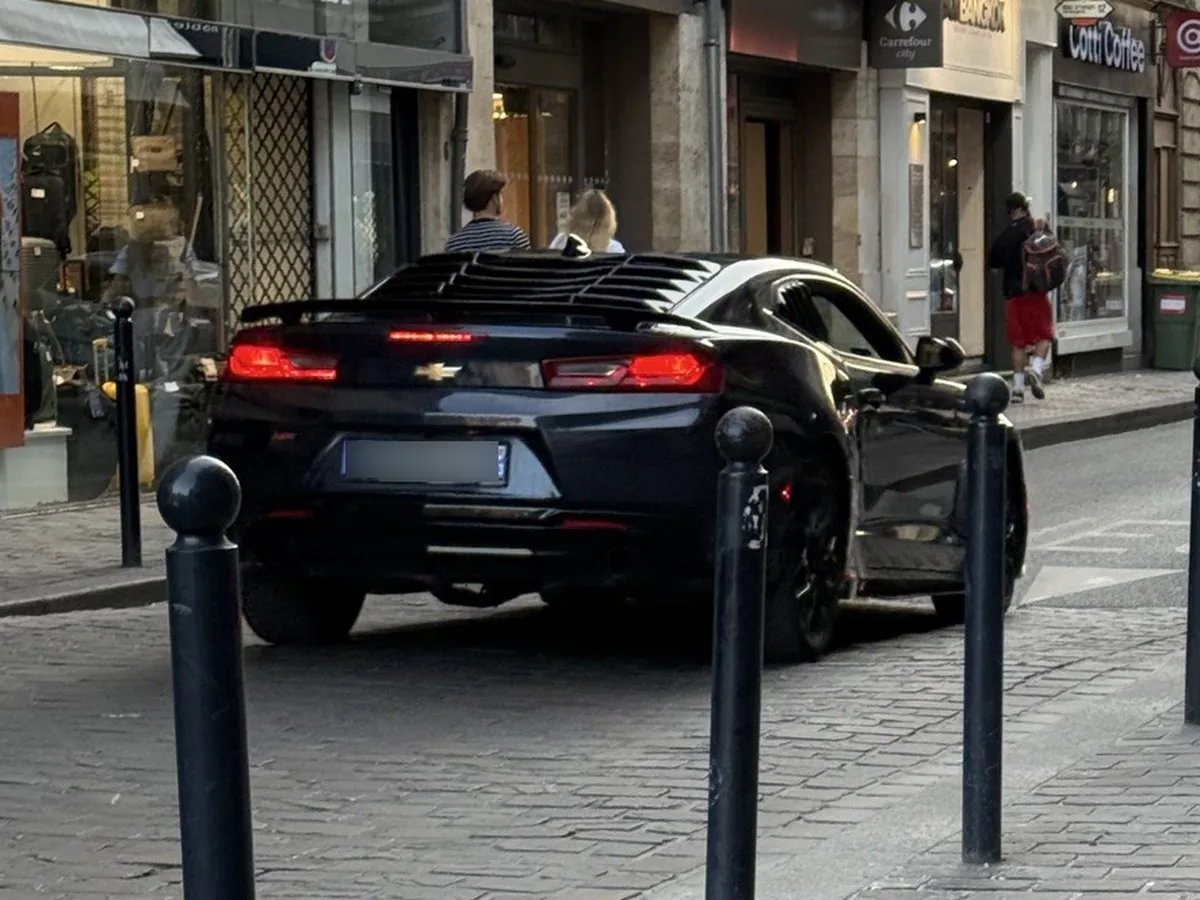
2013
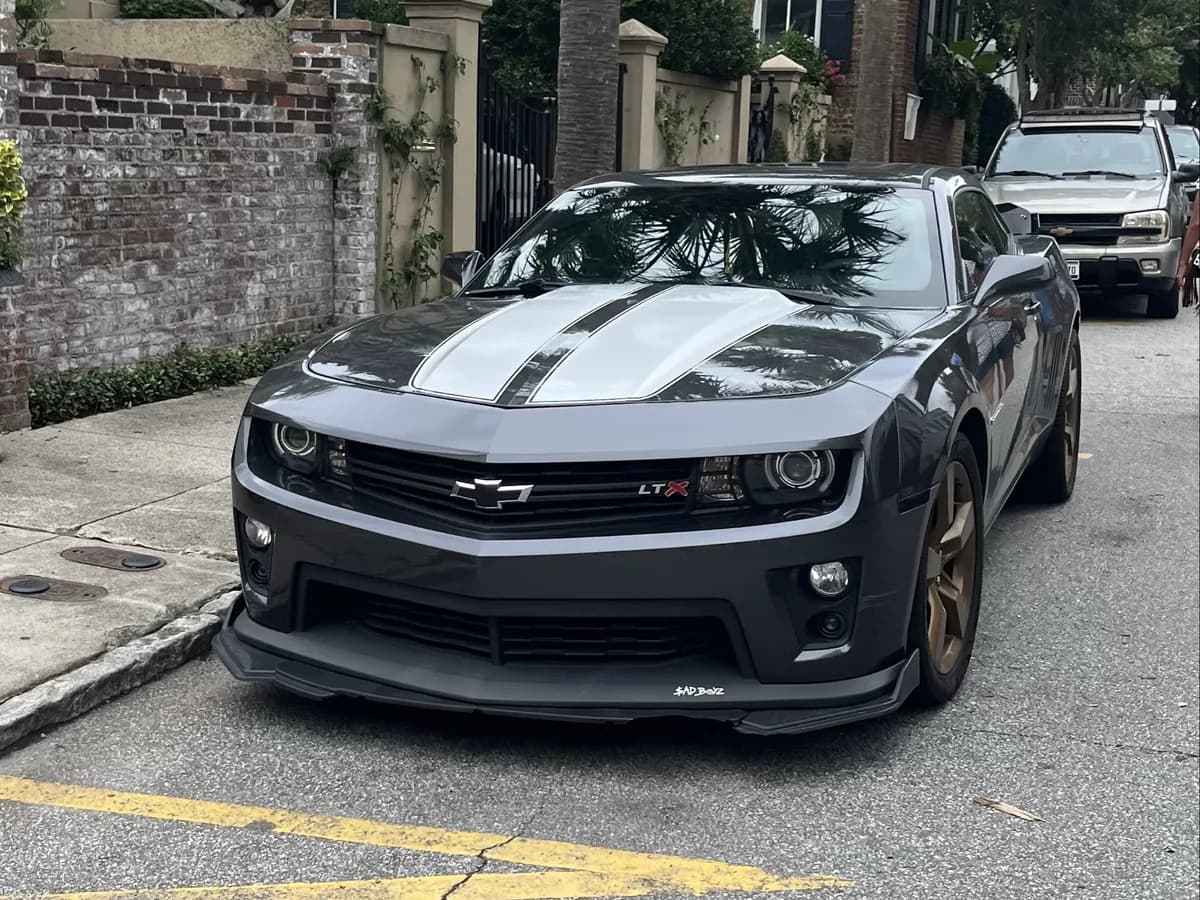
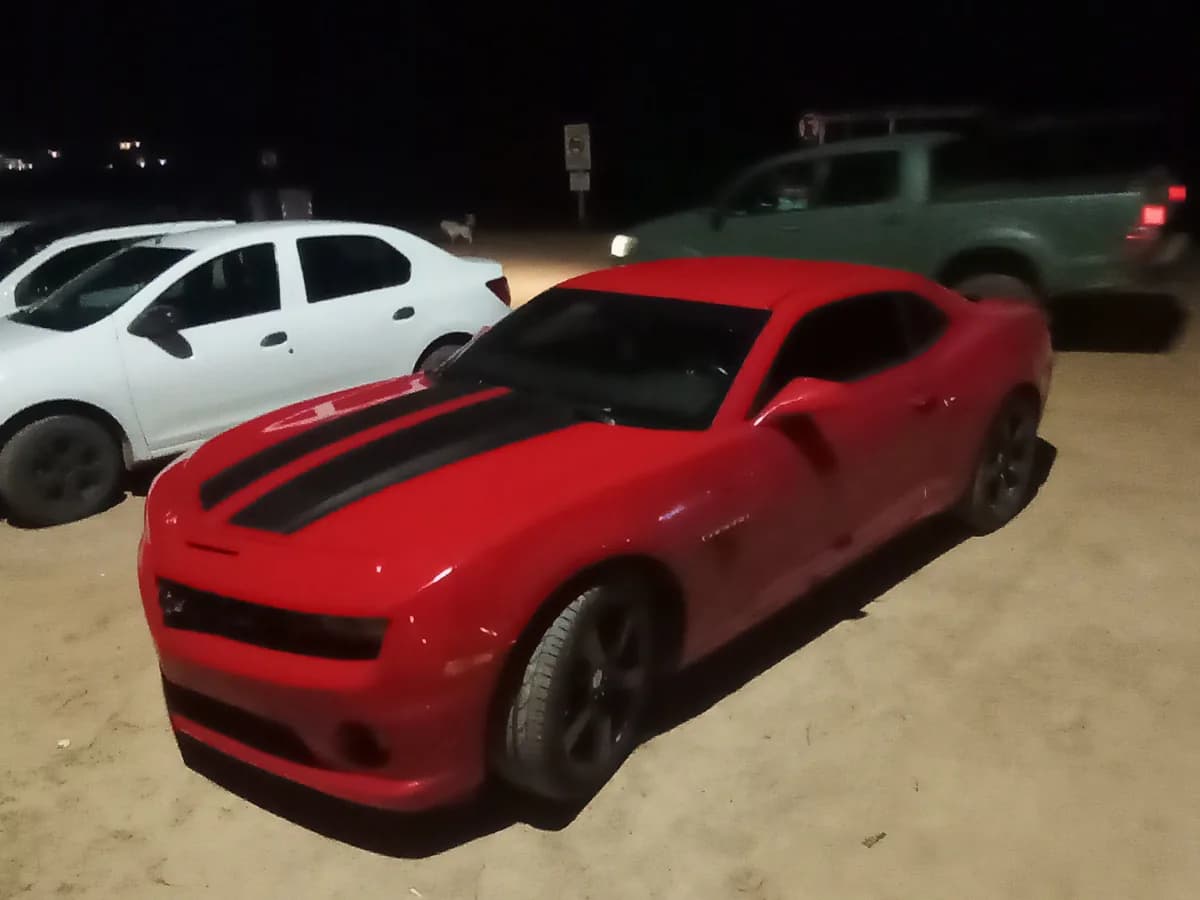
2011
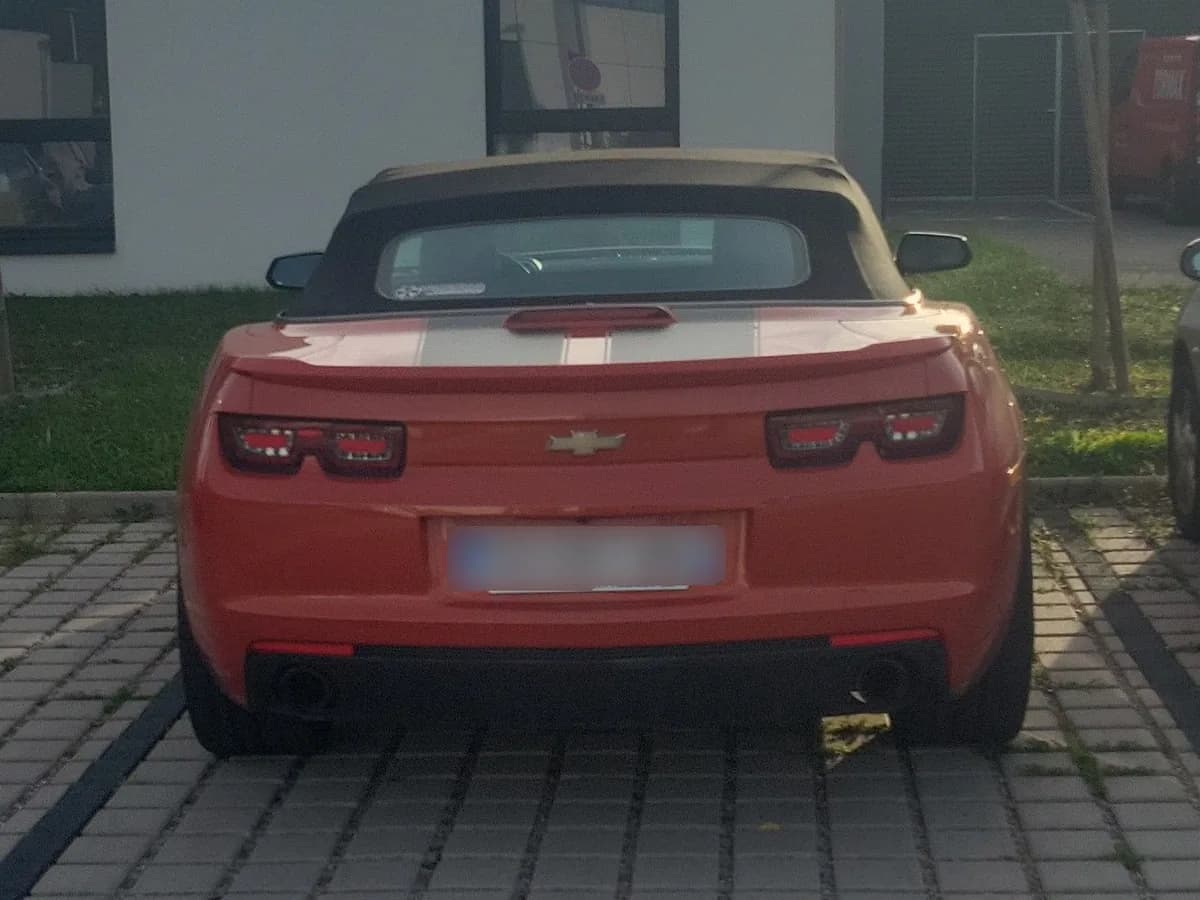
2009
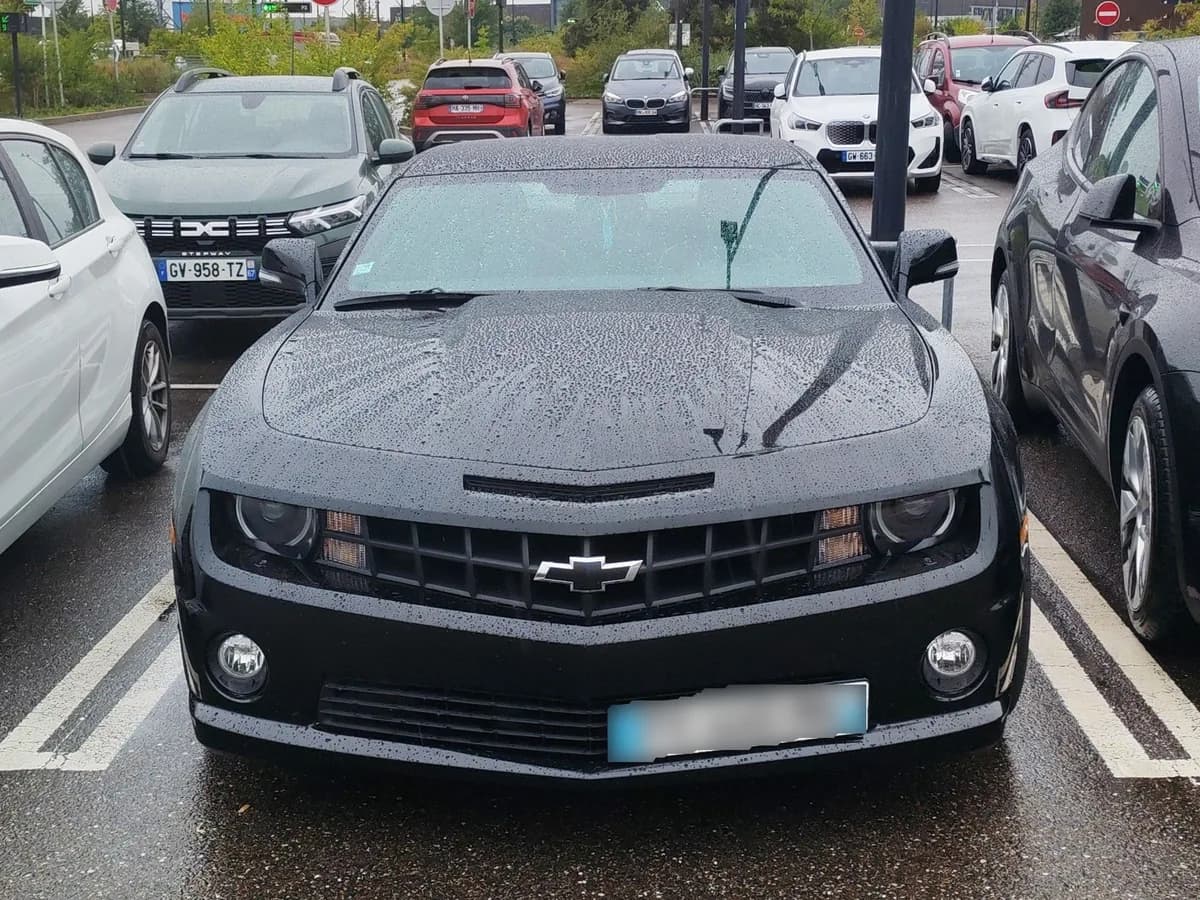
1997
1993
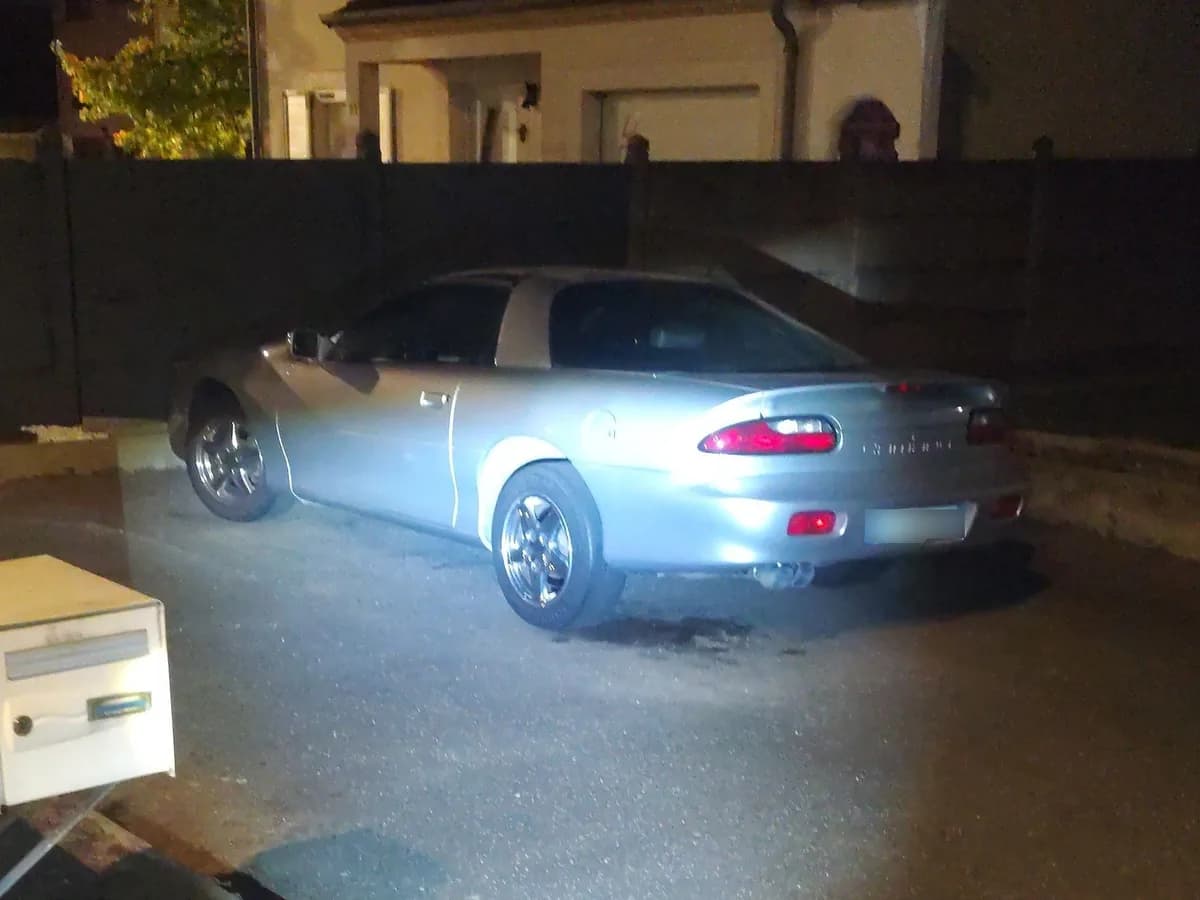
1992
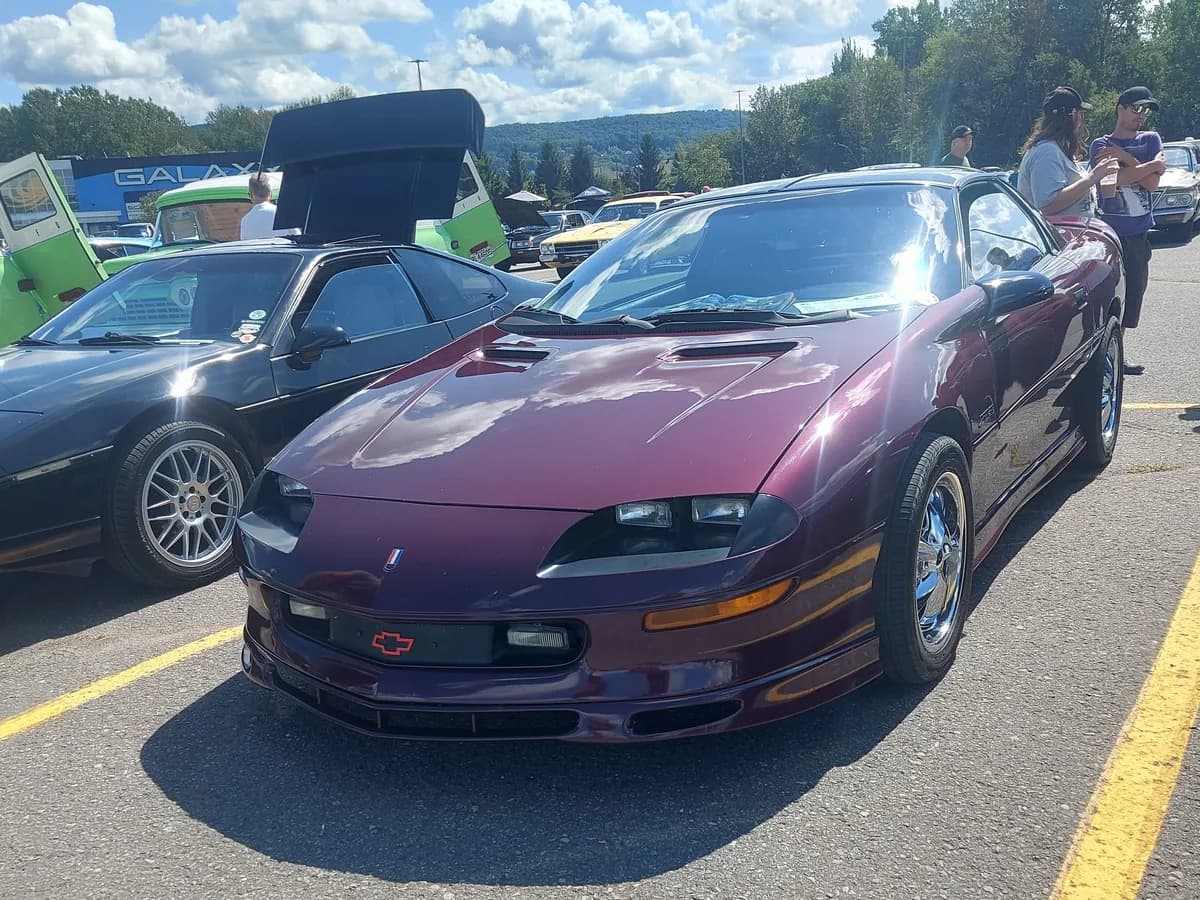
1986

1981
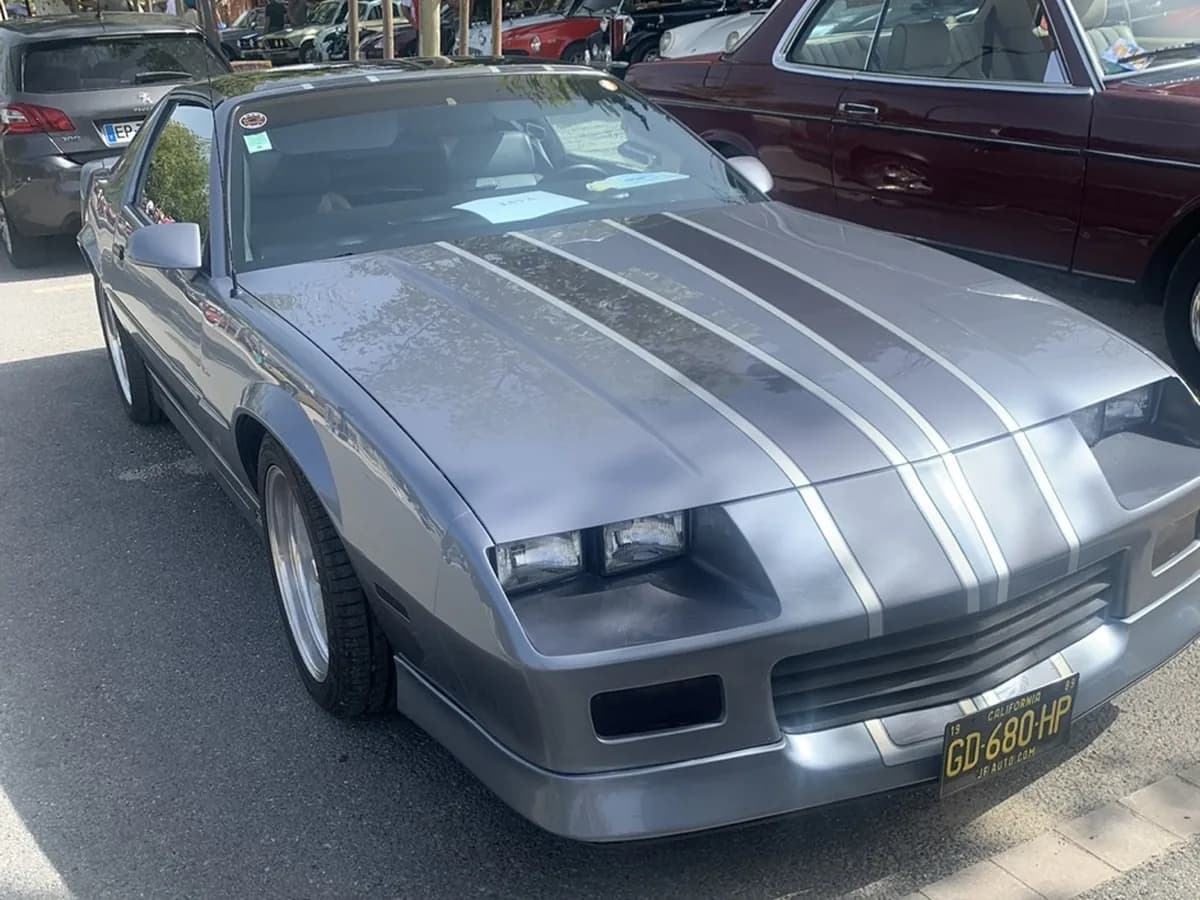
1977
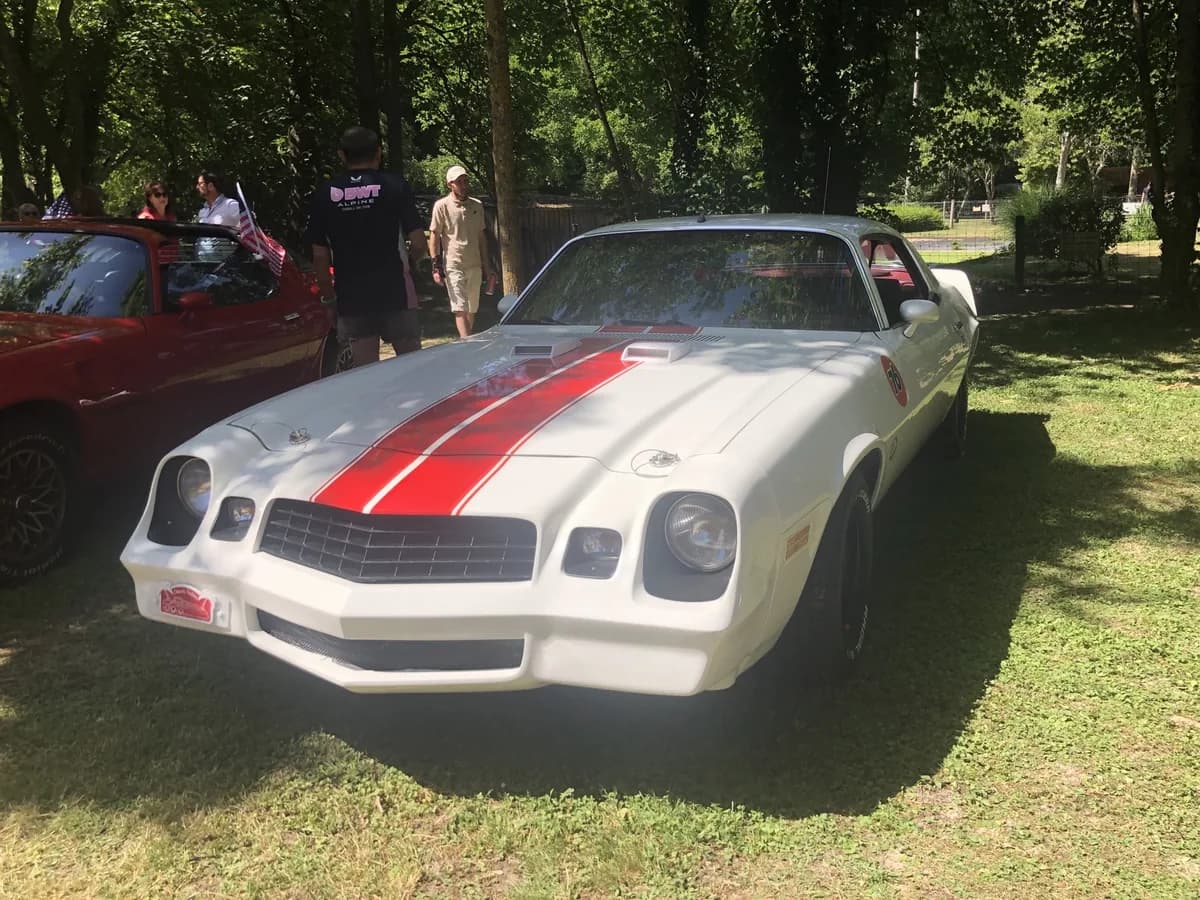
1973
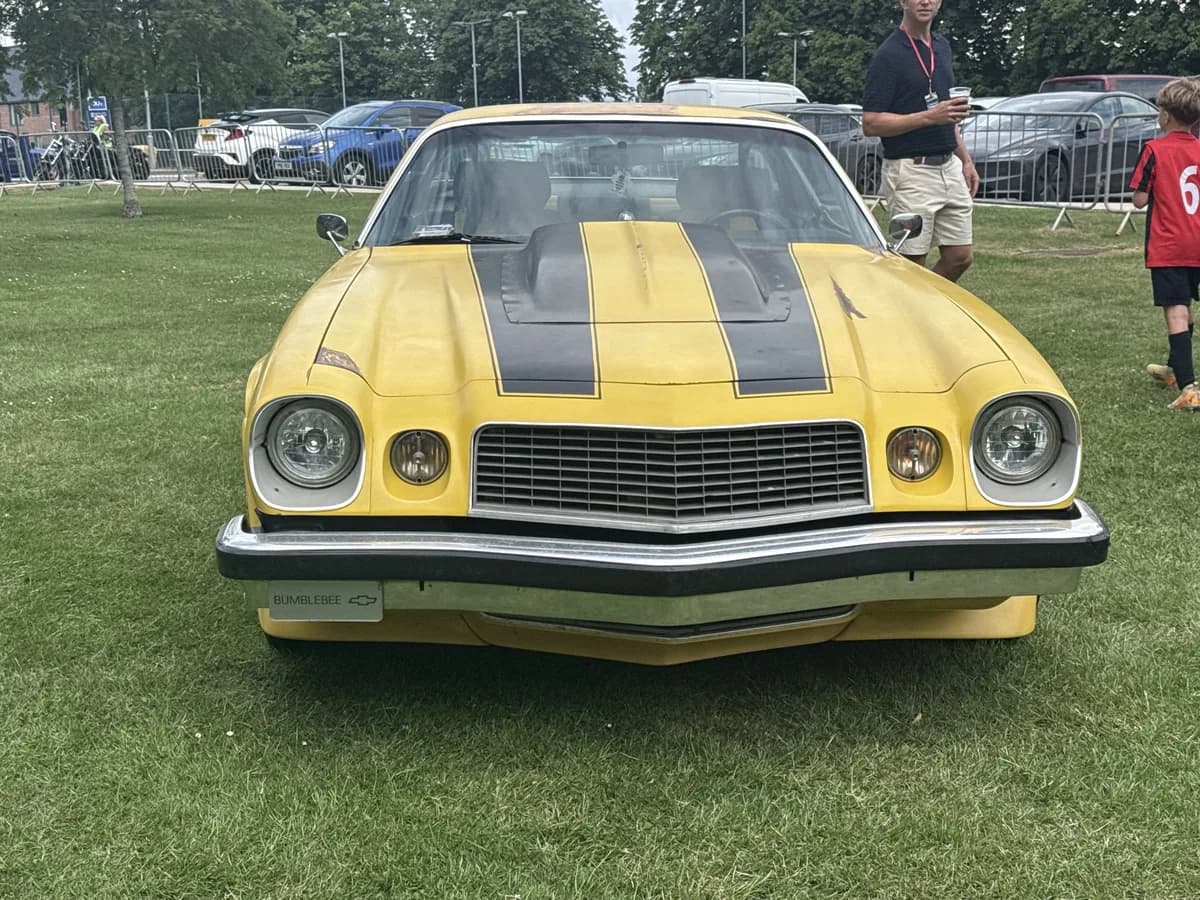
1970
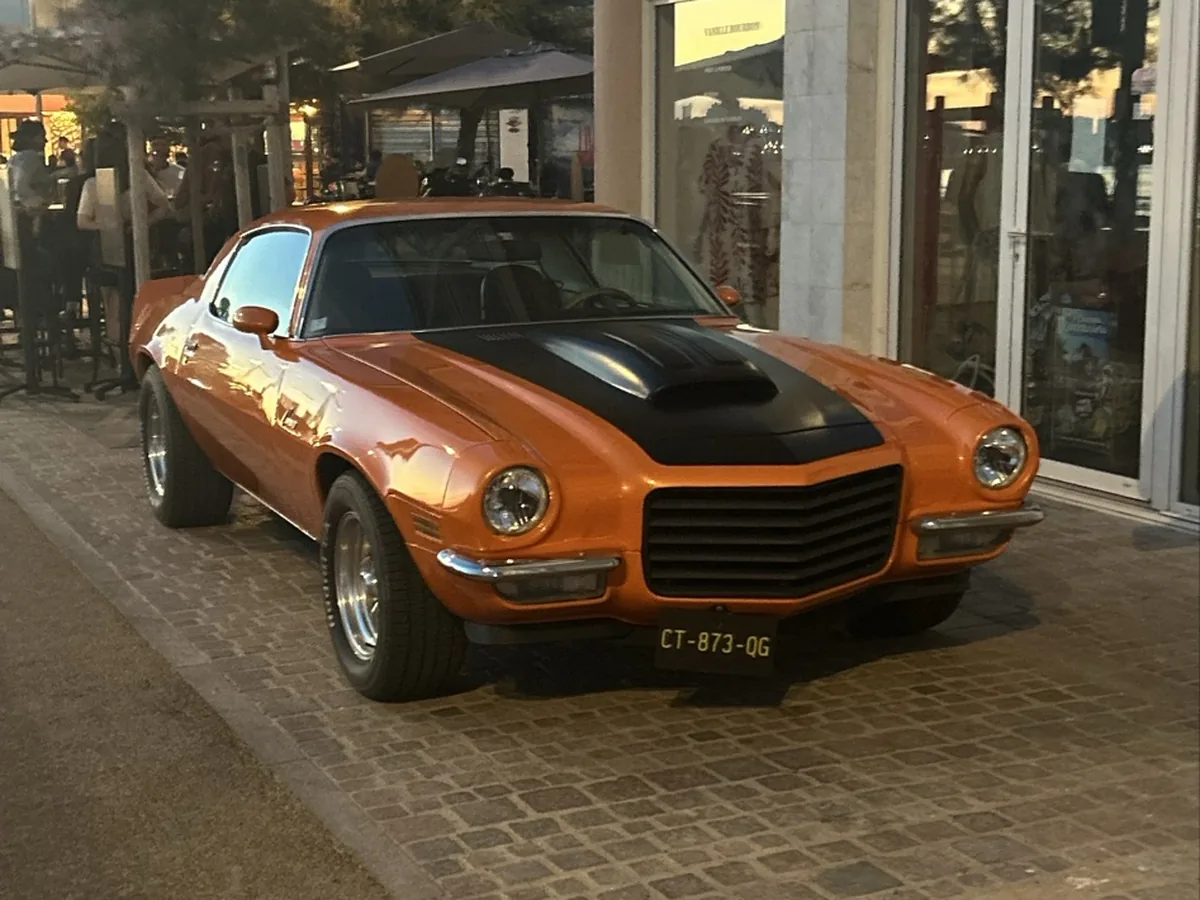
1969
1967
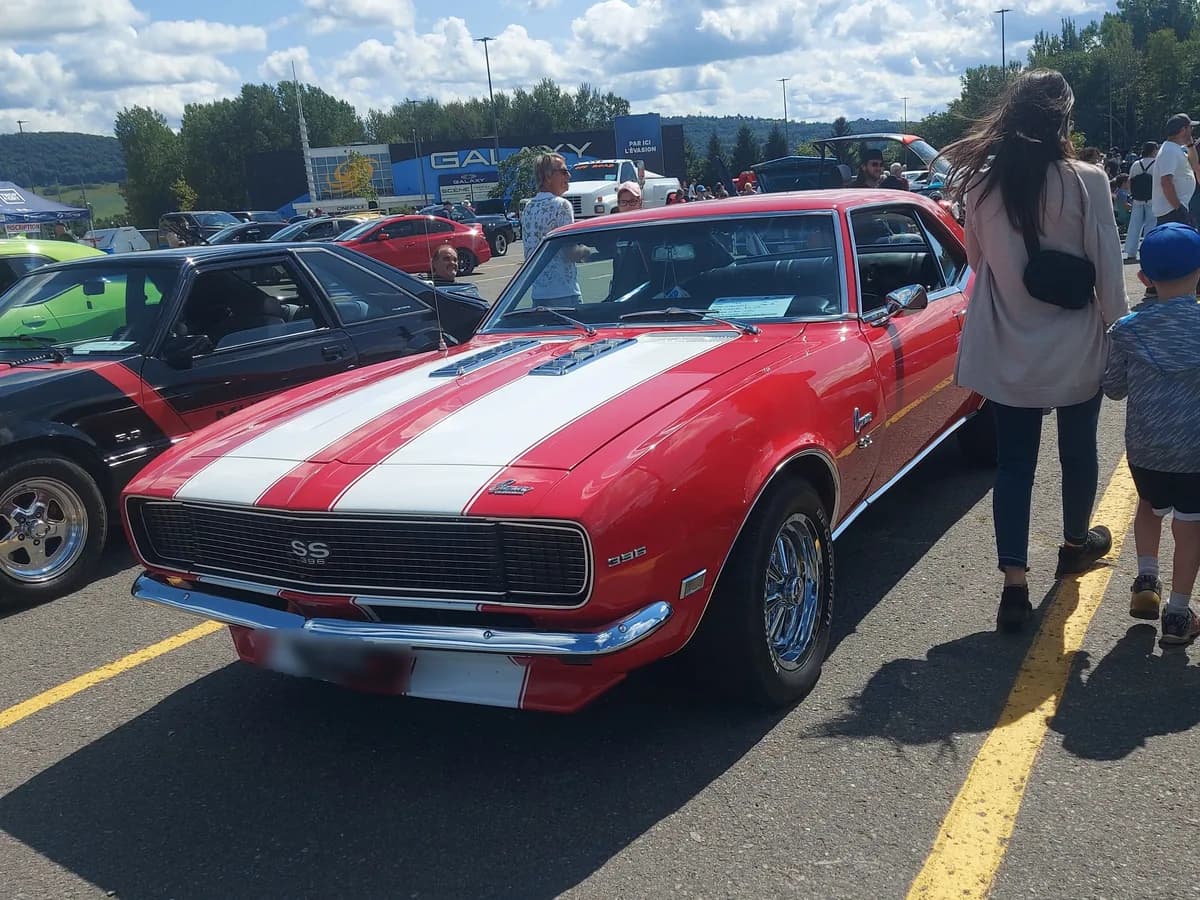 SR
SRChevrolet Camaro photos
Model summary
Data from the ScanRacer library, organized to compare versions quickly.
Model introduction
Introduced as a 1967 model, the Chevrolet Camaro is an American front-engine, rear-wheel-drive performance car developed by Chevrolet as demand grew for compact sporty coupes. From the beginning, it was offered in both coupe and convertible forms, with a range that extended from a six-cylinder version to more powerful V8-powered models. Rally Sport, Super Sport and Z/28 designations later became central to the Camaro’s identity, linking appearance, road performance and competition influence. The model progressed through six generations, with production interrupted between 2002 and 2009. Within the coverage represented here, model years run from 1967 through 2018, including coupe and convertible body styles as well as historical designations used during the Camaro’s early years.
History
The Camaro appeared in late 1966 as a 1967 model. Its first generation, produced from 1967 through 1969, used a structure combining a unitized body with a front subframe. It was available as both a coupe and a convertible, with a broad range of six-cylinder and V8 engines. The Z/28 was introduced in connection with Trans-Am racing homologation, while Rally Sport and Super Sport packages gave buyers different styling and performance directions. The second generation arrived for 1970 with a longer, lower body. It remained in production through 1981 and was not offered as a factory convertible. The third generation debuted for 1982 with sharper styling and brought fuel injection and new aerodynamic thinking into the Camaro range. The fourth generation followed in 1993 and continued the modernization of the model until production ended after 2002. Chevrolet returned the Camaro for 2010 with a fifth generation whose design drew heavily on the original car. The sixth generation went on sale for 2016, using a lighter architecture and placing greater emphasis on structural rigidity, chassis behavior and onboard technology. The research scope represented here ends with the 2018 model year.
Generations
The first generation covers the 1967–1969 model years. Its compact proportions, slim pillars and, on 1967 cars, front vent windows are useful visual clues. Coupe and convertible models share the same basic design, while RS, SS and Z/28 equipment changed the car’s appearance or performance focus. The second generation ran from 1970 through 1981. Its lower, smoother body did away with the factory convertible. The most substantial styling revisions came during the run, particularly for 1974 and 1978, when the front and rear treatments were extensively redesigned. The third generation, built from 1982 to 1992, introduced sharper lines, distinctive glass areas and a stronger aerodynamic influence. The fourth generation, from 1993 to 2002, developed a rounder shape and more modern powertrains, including the LS1 V8 on selected models after the 1998 update. Following the 2003–2009 production gap, the fifth generation covered 2010–2015 and used a deliberately retro-influenced design. The sixth generation began for 2016 and stood apart through a more compact, lighter architecture. It continued to be offered as both a coupe and convertible through the 2018 model years represented here.
Key differences
The main differences between Camaro generations involve body design, chassis development and powertrain technology. Cars from 1967 through 1969 are most closely associated with Chevrolet’s original compact coupe and convertible formula. The 1970–1981 generation is longer and lower, but it was not sold as a factory convertible. The 1982–1992 generation brought a clear styling and technology break, with sharper surfaces and a greater role for fuel injection. The 1993–2002 generation moved toward a rounder body and a more contemporary presentation. After the production hiatus, the 2010 Camaro returned with styling cues drawn from the first generation. The sixth generation differed through a lighter structure, increased rigidity and more advanced chassis systems. These are broad identification categories only: equipment, engines and exterior details can vary according to model year, market and individual version.
Photo recognition
When identifying an older Camaro, begin with the overall shape and glass design. 1967–1969 cars are compact coupes or convertibles with relatively upright proportions; front vent windows are especially useful evidence for a 1967 model. The 1970–1981 generation is lower and longer, and its coupe body has no factory convertible counterpart. Changes to the front and rear treatments can then help separate model years within that extended run. A 1982–1992 Camaro usually has a sharper, more angular profile and a strongly sloped rear glass or hatchback treatment, depending on the body style. Cars from 1993–2002 are visibly rounder. The fifth generation, introduced for 2010, deliberately echoes several themes from the first-generation design. The sixth generation, launched for 2016, looks tighter and more sculpted. RS, SS and Z/28 badges provide useful clues, but they should not be treated as proof of an exact model year on their own.
Important versions
The represented versions include Convertible and Coupe body styles, along with a Base designation covering selected model years in the 1970s. The 1967–1968 Hardtop Coupe and 1967–1968 Convertible entries identify the model’s earliest years, while the 1969 Hardtop Coupe and 1969 Convertible entries isolate the final year of the first generation. In the broader Camaro story, RS, SS and Z/28 are also important designations: RS was primarily appearance-oriented, SS placed greater emphasis on performance, and Z/28 was tied to a more direct competition influence. Exact equipment and naming can vary by model year and market, so badges should be checked against period documentation.
References
- 1968 Chevrolet Camaro Vehicle Information KitGeneral Motors
- A Visual History of the Chevrolet Camaro, from 1967 to TodayCar and Driver
- Camaro sets the performance and efficiency benchmarkChevrolet Media
- GM to retire Camaro at the end of the 2024 model yearChevrolet Newsroom
- https://www.quarto.com/books/9780760353363/the-complete-book-of-chevrolet-camaro-2nd-editionquarto.com
- https://www.houseofamericancars.com/history-of-chevrolet-camaro-car/houseofamericancars.com
- https://classiccarsarena.com/chevrolet/camaro/evolutionclassiccarsarena.com
Technical specifications
Structured data available for versions linked to this model.
| Version | Power | Torque | Top speed | Drivetrain | Fuel |
|---|---|---|---|---|---|
| Base | 149 KW @ 5200 RPM203 HP @ 5200 RPM200 BHP @ 5200 RPM | 225 lb-ft @ 4000 RPM305 Nm @ 4000 RPM | 124.9 mph (201 km/h) | Rear Wheel Drive / 5-speed manual | Gasoline |
| Base | 432 KW @ 6100 RPM587 HP @ 6100 RPM579 BHP @ 6100 RPM | 556 lb-ft @ 3800 RPM754 Nm @ 3800 RPM | 155 mph (249 km/h) | Rear Wheel Drive / 6-speed manual | Gasoline |
| Base | 182.7 KW @ 5200 RPM248 HP @ 5200 RPM245 BHP @ 5200 RPM | 280 lb-ft @ 4000 RPM380 Nm @ 4000 RPM | — | Rear Wheel Drive / 4-speed manual | Gasoline |
| Base | 318 KW @ 5900 RPM432 HP @ 5900 RPM426 BHP @ 5900 RPM | 420 lb-ft @ 4600 RPM569 Nm @ 4600 RPM | 155 mph (249 km/h) | Rear Wheel Drive / 6-speed manual | Gasoline |
Frequently asked questions
- What years was the Chevrolet Camaro produced?
- ScanRacer's referenced versions cover 1967 - 2019.
- How many Chevrolet Camaro examples are documented on ScanRacer?
- 81 published scans from 49 members, with the latest photo added in September 2026.
What about the car you photographed?
Upload a photo to get a suggested make, model and likely year.
No account needed for the result · Publish only if you choose