
DeVille
The Cadillac DeVille became a standalone series for the 1959 model year, after the name had been used for an upscale Series 62 body style in the late 1940s. For almost half a century, it represented Cadillac’s full-size luxury car for a broad customer base, offered as a coupe, sedan and, for a limited period, a convertible. Early DeVilles were defined by large bodywork, V8 power and rear-wheel drive. The line later changed direction with the downsizing introduced in the late 1970s and the switch to front-wheel drive in 1985. Later generations added the Northstar V8, more electronic equipment and a more restrained design language. The DeVille name disappeared after the 2005 model year, when the sedan continued under the DTS name.
What about the car you photographed?
Upload a photo to get a suggested make, model and likely year.
No account needed for the result · Publish only if you choose
Variants by year
Make: Cadillac · Model: DeVille
47 / 47 versions shown
1999
1993
1985
1976
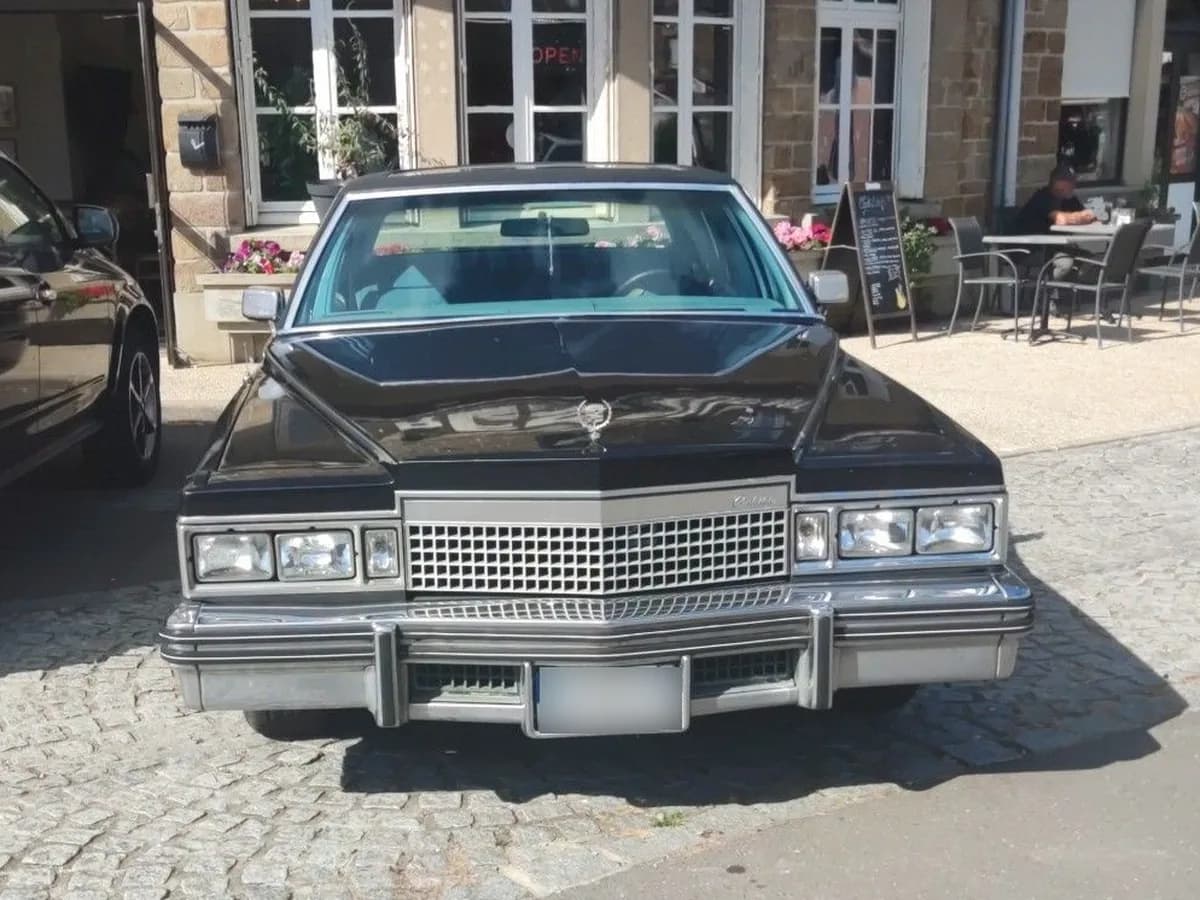
1973
1972
1971
1970
1969
1968
1967
1966
1965
1964
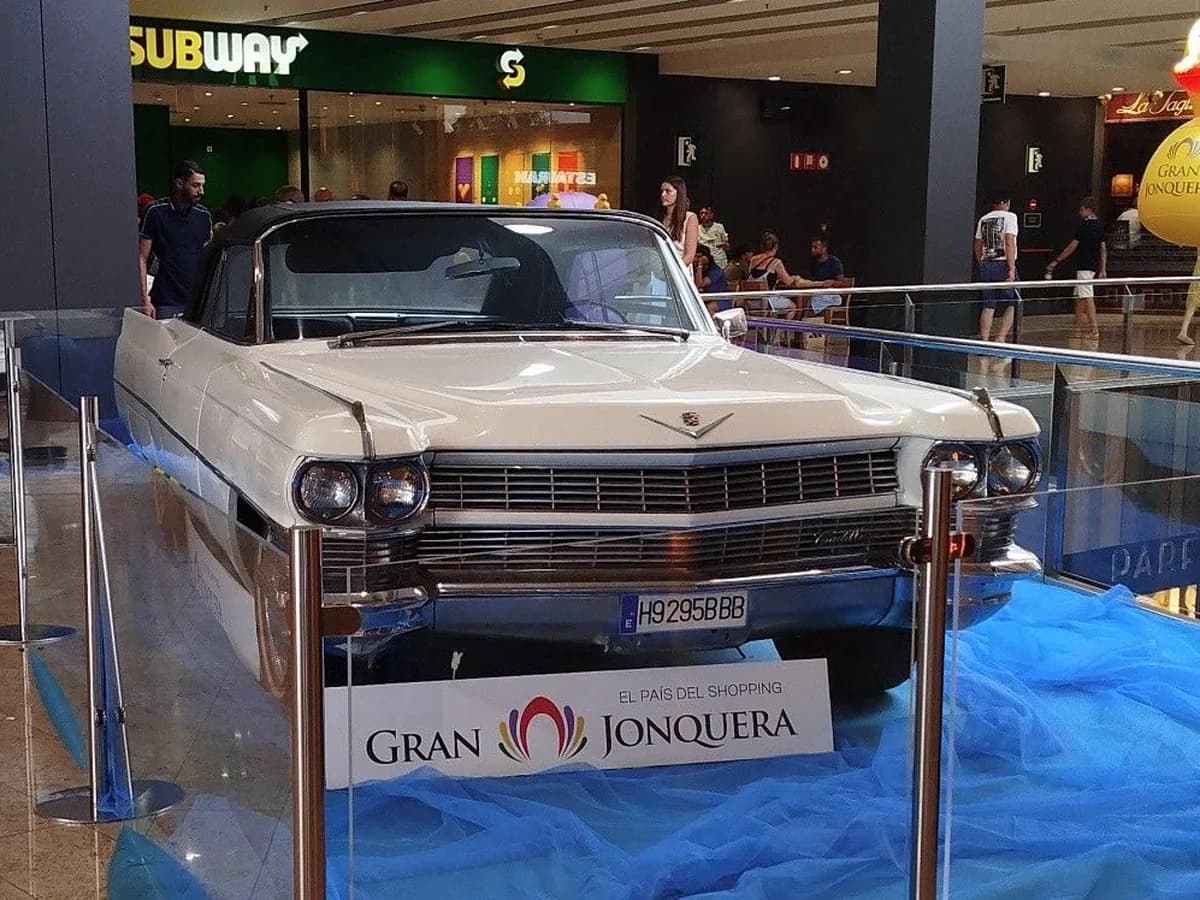
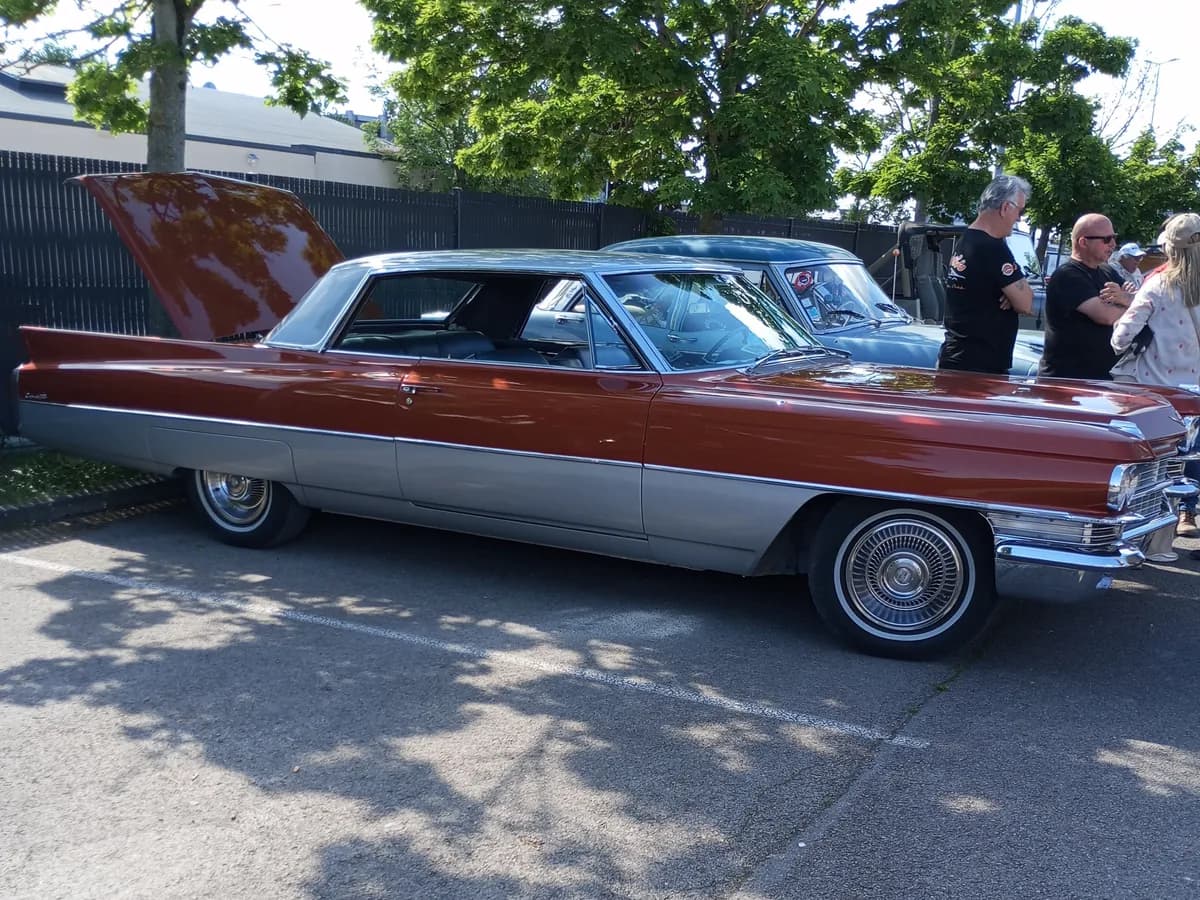
1963
1962
1961
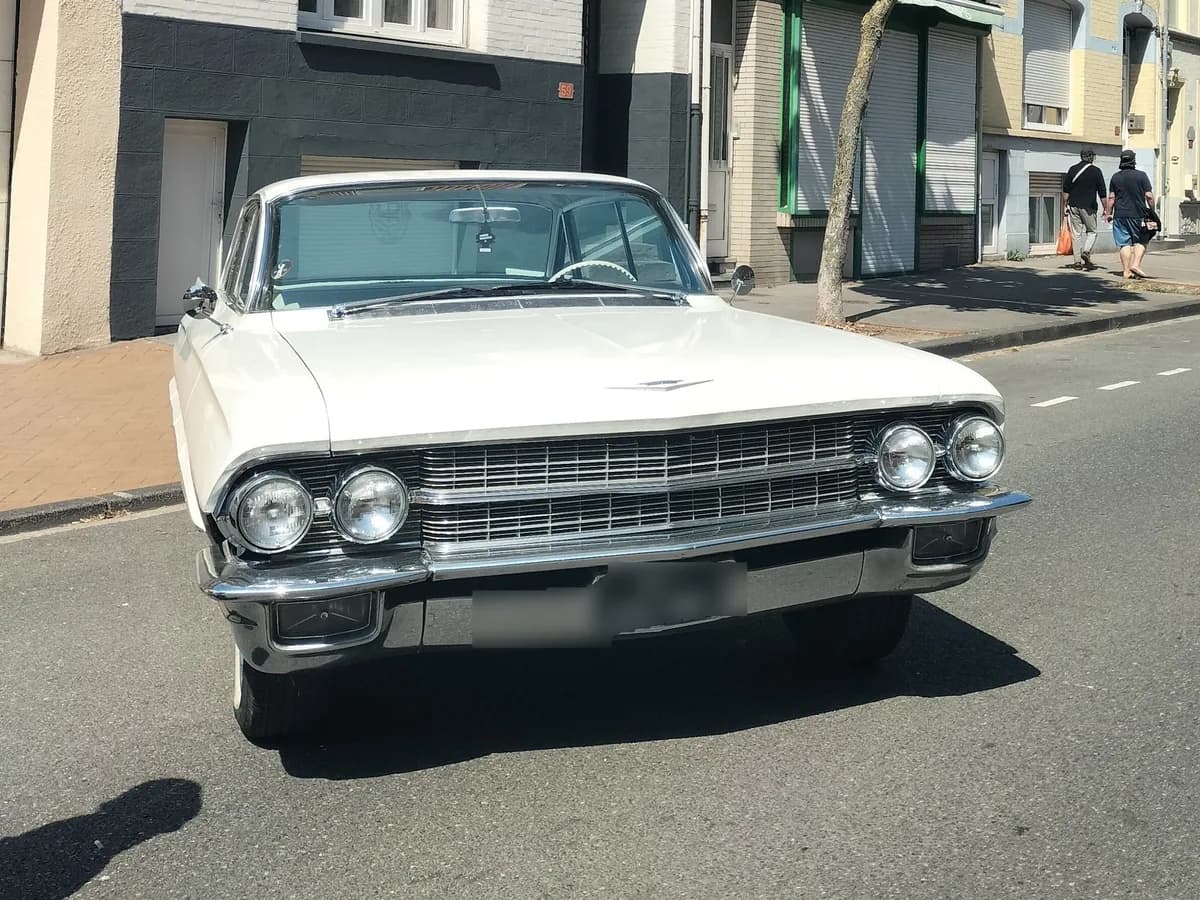
1960
1959
1958
Cadillac DeVille photos
Model summary
Data from the ScanRacer library, organized to compare versions quickly.
Model introduction
The Cadillac DeVille became a standalone series for the 1959 model year, after the name had been used for an upscale Series 62 body style in the late 1940s. For almost half a century, it represented Cadillac’s full-size luxury car for a broad customer base, offered as a coupe, sedan and, for a limited period, a convertible. Early DeVilles were defined by large bodywork, V8 power and rear-wheel drive. The line later changed direction with the downsizing introduced in the late 1970s and the switch to front-wheel drive in 1985. Later generations added the Northstar V8, more electronic equipment and a more restrained design language. The DeVille name disappeared after the 2005 model year, when the sedan continued under the DTS name.
History
The DeVille name first appeared on a 1949 Cadillac Series 62, notably on a pillarless coupe. Cadillac then used it to identify an especially luxurious body style within the range. For the 1959 model year, DeVille became a separate series, available as a coupe and sedan. This opening period coincided with the peak of American tailfin styling: the 1959 Cadillac is identified by its large rear fins, twin bullet-shaped taillamps and extensive chrome detailing. The 1960s brought cleaner, more restrained lines. The range expanded to include several body styles, including a DeVille convertible offered during the middle of the decade and through 1970. In the early 1970s, the cars reached their greatest dimensions before the 1977 downsizing, which reflected changing economic and regulatory conditions. DeVilles from 1977 through 1984 remained rear-wheel drive but adopted more compact proportions. The 1985 model year represented a major technical break: the DeVille moved to a transverse-engine, front-wheel-drive layout. The 1990s generations placed greater emphasis on comfort, safety and electronics, while the Northstar V8 reinforced the car’s premium status. The 2000 redesign introduced more aerodynamic bodywork, LED taillamps and optional Night Vision. After 2005, the same basic luxury-sedan role continued under the DTS name.
Generations
The first generation is generally associated with the 1959–1960 model years and is the most visually extravagant. It retains the large American proportions and the prominent rear fins that define the 1959 Cadillac. The second generation, from 1961 through 1964, adopted a cleaner design with tighter surfaces while maintaining a highly luxurious presentation. The third generation, covering approximately 1965 to 1970, is identified by sharper body lines and a broad selection of body styles, including coupe, sedan, hardtop and convertible depending on the year. The fourth generation, from 1971 through 1976, represents the largest DeVilles. Cars from 1977 through 1984 form a fifth period, marked by downsizing and a more formal body design. The sixth generation, introduced for 1985, brought front-wheel drive and a substantially more modern engineering layout. The seventh generation arrived for 1994 with revised styling and continued front-wheel-drive architecture, while Northstar engines became associated with higher-level versions. The eighth generation began for 2000 with new bodywork, an updated interior and more electronic equipment. Published references do not always divide the model in exactly the same way, particularly when production years and model years are treated differently; the periods above are therefore a practical guide rather than a universally fixed naming system.
Key differences
The main differences between DeVille models are determined by their era. Cars from 1959 through 1976 were large rear-wheel-drive American luxury cars, commonly offered as separate coupe and sedan versions. DeVilles from the 1960s and early 1970s emphasized generous dimensions, soft-riding comfort and large-displacement V8 engines. The 1977–1984 period introduced smaller body dimensions and a more rational design while retaining rear-wheel drive. The clearest technical break arrived in 1985 with front-wheel drive and a transverse engine. DeVilles from 1985 through 1993 were more compact and angular than their predecessors. The 1994–1999 models adopted rounder styling and could be equipped with the Northstar V8 depending on the model year and trim. Higher-level names such as d’Elegance and Concours generally indicated equipment and presentation differences rather than completely separate body shells. From 2000 onward, the design became more aerodynamic and electronic features played a larger role in the car’s identity.
Photo recognition
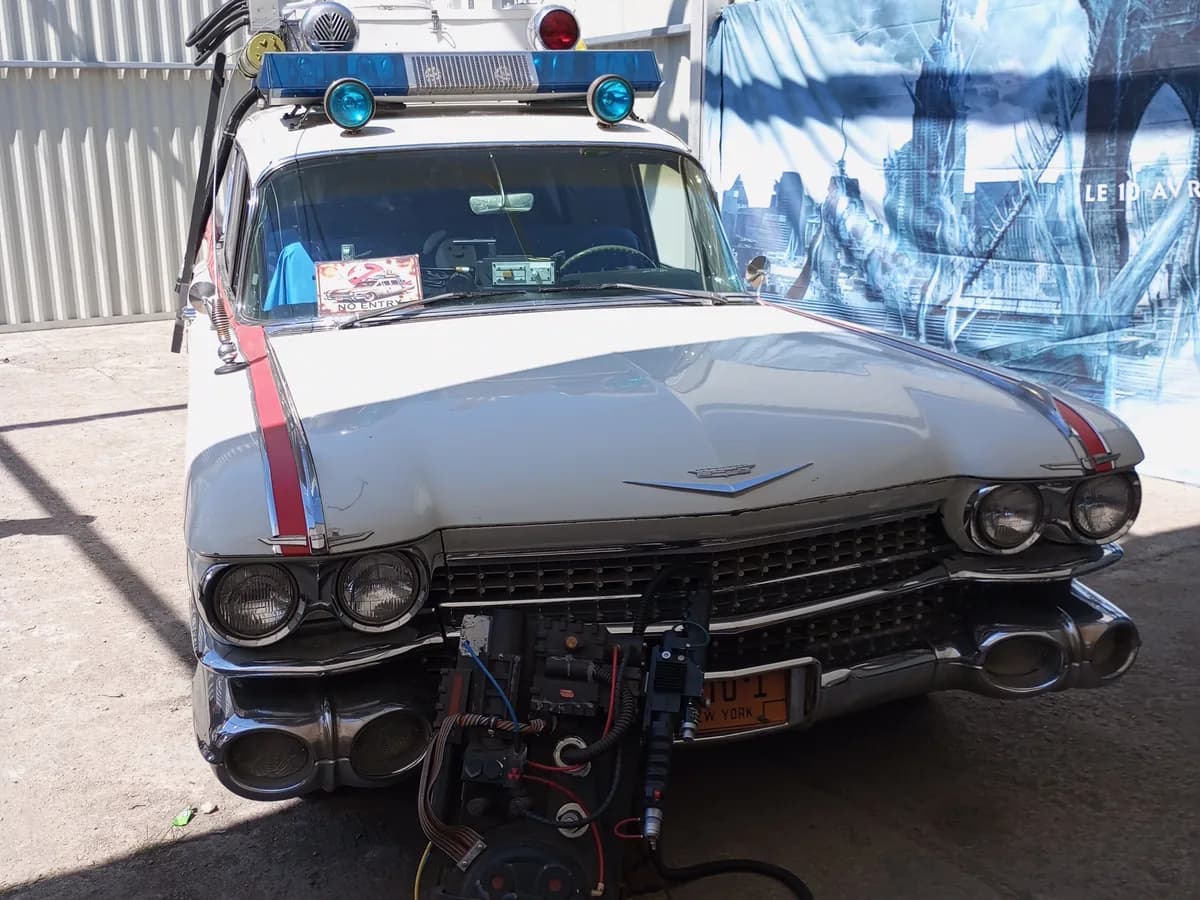
A 1959–1960 DeVille is immediately recognizable by its very tall rear fins, twin vertical taillamps housed in separate pods and imposing proportions. Cars from 1961 through 1964 have much smaller fins and a cleaner, more linear body. For 1965–1970 models, look for sharper side lines, a broad horizontal grille and, depending on the version, either a pillarless hardtop roof or a convertible top. DeVilles from 1971 through 1976 are especially long and massive. The 1977–1984 generation looks shorter, with squarer styling and more balanced proportions. From 1985 onward, front-wheel drive is not easily confirmed from exterior details alone, but the narrower body and angular surfaces help identify the period. The 1994–1999 cars are rounder, with smooth flanks and a relatively upright rear end. DeVilles from 2000 through 2005 use more aerodynamic bodywork, vertical LED taillamps and a cleaner, more restrained front fascia.
Important versions
Notable versions include the 1959 Coupe DeVille, which became a defining example of Cadillac’s tailfin styling, along with the sedans and coupes of the 1960s. The DeVille convertible, offered from 1964 through 1970 depending on the model year, is one of the most distinctive body styles. Large 1971–1976 DeVilles represent the peak of the series’ dimensions, while the 1977–1984 cars illustrate the downsizing era. The 1985 DeVille is significant because it introduced front-wheel drive to the line. During the 1990s, d’Elegance and Concours represented different approaches, emphasizing traditional comfort or a more performance-oriented presentation. The 2000–2005 DeVille DTS added a more technological character and richer equipment, while the DHS version placed greater emphasis on rear-passenger comfort.
References
- Cadillac DeVille Model Years and HistoryJ.D. Power
- Cadillac DeVille/DTS Used Car Buyer’s GuideAutoweb
- Cadillac DeVille HistoryCars.com
- 1949 Cadillac Coupe DevilleGeneral Motors Heritage Collection
- https://www.klassiekerweb.nl/en/merken/cadillac/cadillac-deville/klassiekerweb.nl
- https://classiccarsarena.com/index.php/cadillac/deville/buyers-guideclassiccarsarena.com
- https://carontologia.com/en/cars/cadillac/devillecarontologia.com
- https://www.cars.com/research/cadillac-deville/?msockid=34064a54d2596f6b29fa5ce2d3de6e20cars.com
Frequently asked questions
- What years was the Cadillac DeVille produced?
- ScanRacer's referenced versions cover 1958 - 1999.
- How many Cadillac DeVille examples are documented on ScanRacer?
- 5 published scans from 4 members, with the latest photo added in August 2026.
What about the car you photographed?
Upload a photo to get a suggested make, model and likely year.
No account needed for the result · Publish only if you choose