
Skylark
The Buick Skylark changed roles several times during its long American production history. Introduced as an upscale version of the compact Special in the early 1960s, it later became an intermediate car offered as a coupe, sedan, and convertible. Gran Sport and GS models also gave the Skylark name a genuine performance identity, especially in the late 1960s and early 1970s. After a break for the 1973 model year, Buick reused the name on a hatchback and sedan-based compact, then on front-wheel-drive cars built from GM X- and N-body architectures. The 1980s and 1990s cars therefore share little mechanically with the classic Skylarks of the 1960s. That history accounts for the wide range of body styles, trim levels, and visual identities associated with the name. Identification should begin with the model year and platform rather than with the Skylark badge alone.
What about the car you photographed?
Upload a photo to get a suggested make, model and likely year.
No account needed for the result · Publish only if you choose
Variants by year
Make: Buick · Model: Skylark
50 / 50 versions shown
1996
1991
1988
1985
1980
1979
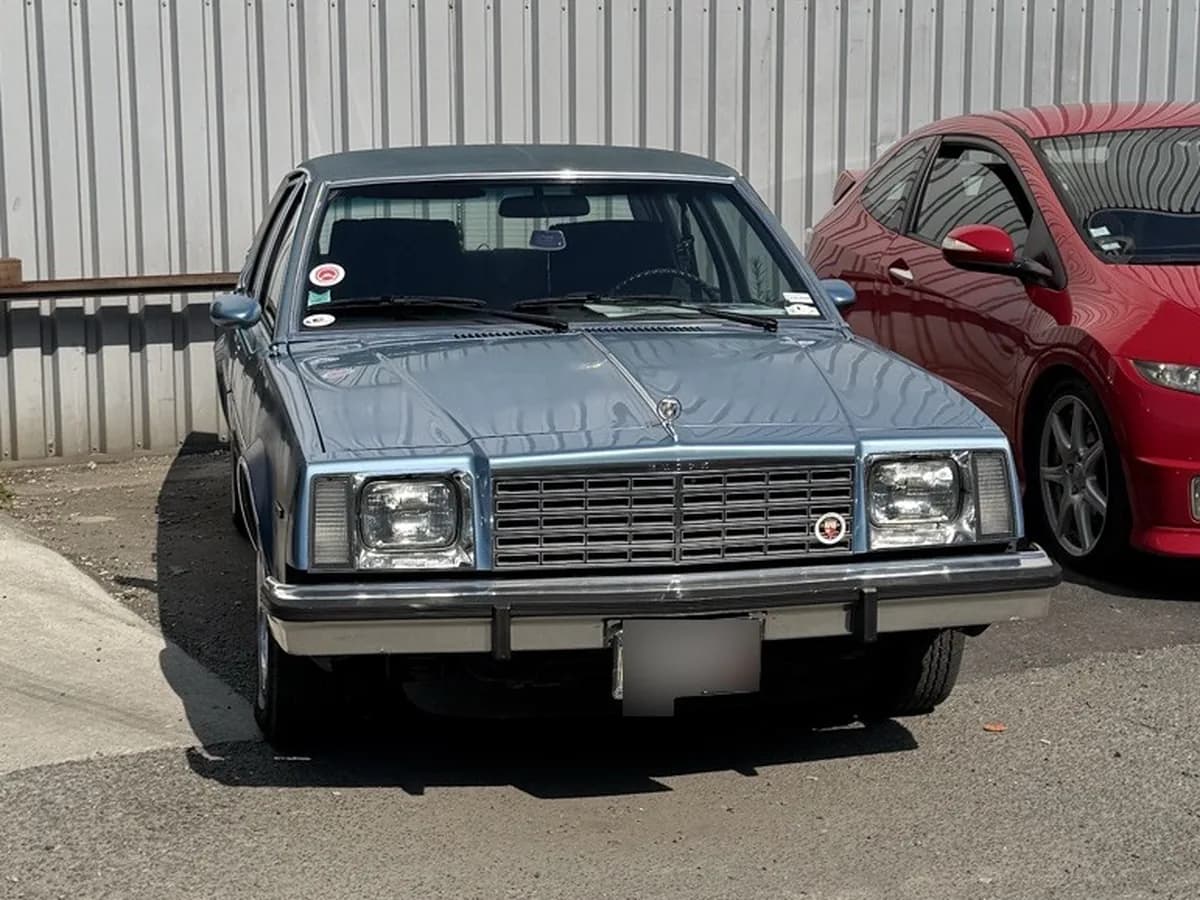
1974
1972
1971
1970
1969
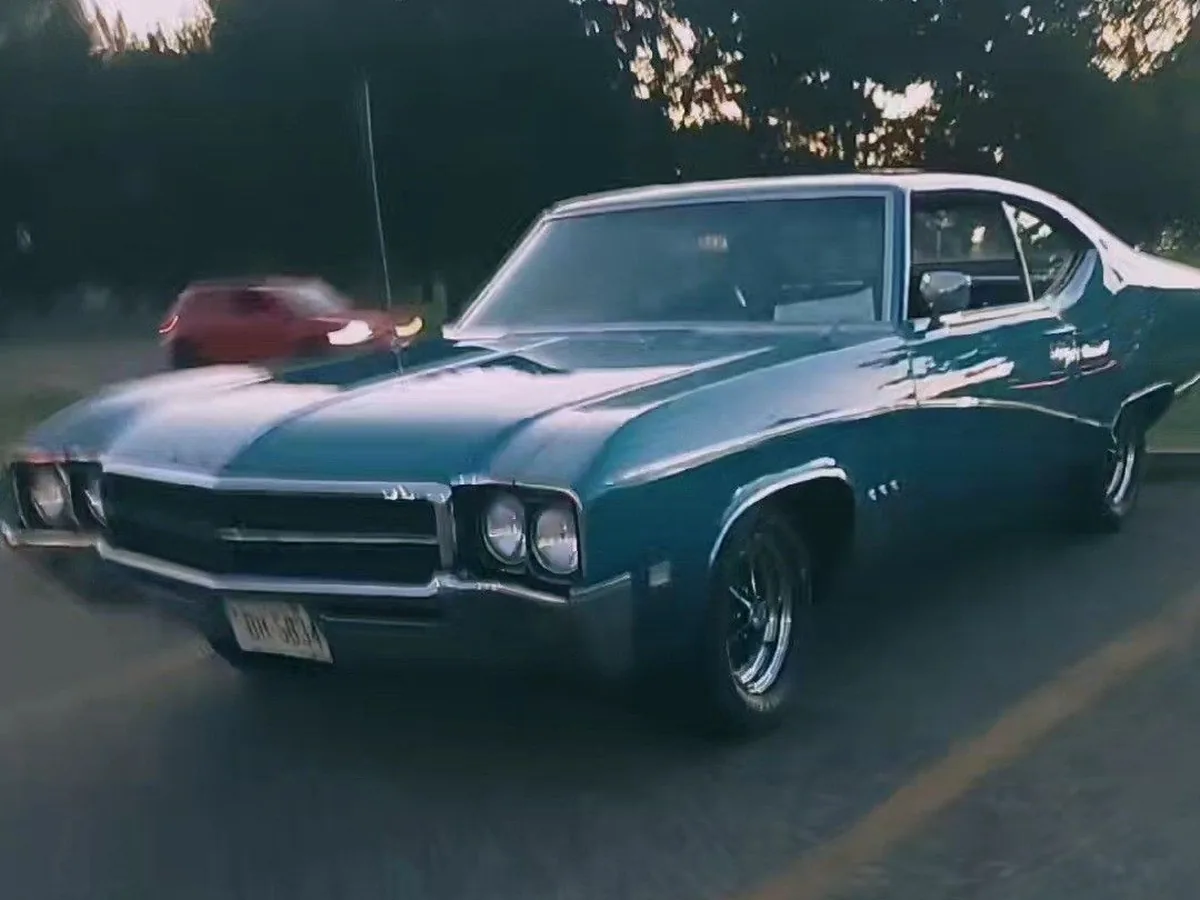
1968
1967
1966
1965
1964
1963
1962
Buick Skylark photos
Model summary
Data from the ScanRacer library, organized to compare versions quickly.
Model introduction
The Buick Skylark changed roles several times during its long American production history. Introduced as an upscale version of the compact Special in the early 1960s, it later became an intermediate car offered as a coupe, sedan, and convertible. Gran Sport and GS models also gave the Skylark name a genuine performance identity, especially in the late 1960s and early 1970s. After a break for the 1973 model year, Buick reused the name on a hatchback and sedan-based compact, then on front-wheel-drive cars built from GM X- and N-body architectures. The 1980s and 1990s cars therefore share little mechanically with the classic Skylarks of the 1960s. That history accounts for the wide range of body styles, trim levels, and visual identities associated with the name. Identification should begin with the model year and platform rather than with the Skylark badge alone.
History
The Skylark name first appeared on a limited series of Buick convertibles for 1953 and 1954, then returned during the 1961 model year as an upscale version of the Special. The 1961 Skylark stood out with features such as a vinyl roof, turbine-style wheel covers, and a more richly trimmed interior. For 1962 and 1963, Buick added a convertible while retaining the car's compact dimensions and its more formal positioning above the regular Special. From 1964 onward, Skylark became a separate Buick series. Its identity moved increasingly toward the intermediate-car market, and the first Gran Sport versions arrived in 1965. The 1968 redesign brought a new body and more clearly separated wheelbases for two- and four-door models. GS 400, GS 455, and GSX versions then gave Buick a strong presence in the American muscle-car market. Production of the intermediate Skylark ended after 1972, and the Century name temporarily took its place. The badge returned for 1975 on two-door bodies within GM's compact X-body family, then moved to front-wheel-drive architecture for 1980. A further N-body redesign appeared during the mid-1980s, followed by another update for the 1990s. ScanRacer's chronology ends in 1996, but that catalog boundary should not automatically be interpreted as the end of Skylark production in every market.
Generations
The Skylark is best understood through several major phases, using platform and market position rather than relying on one universally consistent generation numbering system. The first phase covers Special-based compact cars from 1961 through 1963, followed by the 1964-1967 Skylarks that became a separate series and offered a broader body-style range. The next phase, from 1968 through 1972, belongs to GM's redesigned intermediate-car family, with coupes, sedans, convertibles, and performance variants appearing in different combinations by year. After the name disappeared for 1973, Skylark returned in 1975 within GM's compact X-body family. Two-door versions could be configured as a coupe or hatchback, while the related sedan initially used another Buick name. This phase is recognizable by its smaller proportions and the availability of V6 and V8 power depending on model year. The 1980 redesign brought the most important technical break: front-wheel drive, a transversely mounted engine, and a more compact body. A move to GM's N-body architecture during the mid-1980s produced a more aerodynamic shape available as both coupe and sedan. The final 1990s phase adopted a sharply creased body, a forward-pointing grille, and a more contemporary interior. Generation labels vary between reference works, so model year, body style, and platform are the most reliable identification tools.
Key differences
The differences between Skylarks are substantial enough that the badge alone cannot identify a car reliably. Models from the 1960s and early 1970s used front-engine, rear-wheel-drive intermediate-car architecture, with relatively long bodies and performance-oriented GS variants. The 1975-1979 cars were smaller and could be fitted with a hatchback body, making them visually distinct from the earlier coupes and convertibles. The 1980 model year marked the move to front-wheel drive and a transversely mounted engine. That change transformed the mechanical layout, proportions, and driving character. N-body cars from the mid-1980s adopted smoother styling and a clearer separation between coupe and sedan. During the 1990s, the Skylark became more sharply creased and received a more contemporary interior and exterior treatment. Trim levels, engines, transmissions, and equipment varied by year, assembly location, and market. A specification should therefore not be assigned automatically to every Skylark in a broad date range. Names such as GS, Custom, Limited, or Felber Pasha should be checked against the exact model year, vehicle identification number, and original documentation.
Photo recognition
Start identification with body style and model period rather than trim details. A 1961-1963 Skylark usually has more upscale presentation than a regular Special and may feature a vinyl roof or convertible body. The 1964-1967 cars have intermediate proportions and an expanding range of body styles. The 1968-1972 models use a lower, more sculpted body; GS cars have specific trim, often with less brightwork than standard Skylarks and with distinctive hood or grille treatments. A 1975-1979 Skylark is identified by its smaller overall size and, on certain versions, a hatchback body. From 1980 onward, look for front-wheel-drive clues such as a transverse engine layout, shorter proportions, and the absence of a traditional longitudinal powertrain. Mid-1980s N-body cars have smoother, more aerodynamic styling. The 1990s models are marked by a pointed grille and a bright side character line that rises toward the rear. Final identification should rely on the vehicle identification number, body tag, factory documentation, and model-year brochures. Badge changes, replacement parts, repainting, and modified GS-style trim can make visual identification alone misleading. Export and coachbuilt examples may also differ from standard U.S.-market cars.
Important versions
The 1962-1963 Skylarks are important because they show the name's upscale position within Buick's compact range. The coupes, convertibles, and hardtops of the 1960s form the core of the classic Skylark family, while Gran Sport, GS 400, GS 455, and GSX versions represent the performance-oriented derivatives most sought by enthusiasts. The 1968-1972 period is especially valuable for comparing Skylark Custom and GS models and for studying the coexistence of several body styles. The 1974 Skylark hatchback, where documented, should be distinguished from the compact generations that followed. The 1980-1985 cars are historically significant because they introduced front-wheel drive to the nameplate. Coupe and sedan versions from the 1980s and 1990s then show how Skylark evolved into a modern compact family car. The 1980 Felber Pasha designations should be verified independently, since they do not represent a conventional Buick factory trim level in the same sense as Custom, Limited, or GS.
References
- 1961 Buick Special SkylarkHagerty
- Buick Skylark MarketCLASSIC.COM
- The 1994 Buick Skylark Owner's ManualBuick / General Motors
- 1953 Buick SkylarkGeneral Motors Heritage Collection
- https://academickids.com/encyclopedia/index.php/Buick_Skylarkacademickids.com
- https://musclecarclub.com/buick-skylark/musclecarclub.com
- https://automobilisto.de/en/catalog/buick/skylarkautomobilisto.de
Technical specifications
Structured data available for versions linked to this model.
| Version | Power | Torque | Top speed | Drivetrain | Fuel |
|---|---|---|---|---|---|
| Base | 147 KW @ 4100 RPM 200 HP @ 4100 RPM 197 BHP @ 4100 RPM | — | 105.7 mph (170 km/h) | Rear Wheel Drive / 3-Speed automatic | Gasoline |
Frequently asked questions
- What years was the Buick Skylark produced?
- ScanRacer's referenced versions cover 1962 - 1996.
- How many Buick Skylark examples are documented on ScanRacer?
- 2 published scans from 2 members, with the latest photo added in August 2026.
- What is the power output of the Buick Skylark?
- The sourced technical data lists 147 KW @ 4100 RPM 200 HP @ 4100 RPM 197 BHP @ 4100 RPM.
What about the car you photographed?
Upload a photo to get a suggested make, model and likely year.
No account needed for the result · Publish only if you choose