
Buick
Buick Motor Company was incorporated in 1903 in Flint, Michigan, before becoming General Motors’ first major acquisition in 1908. That origin gives Buick a distinctive place in American automotive history: it is an early surviving marque associated with comfortable vehicles, engineering ambition, and a position generally above GM’s mainstream offerings. Its story includes large sedans and prestige cars from the 1930s through the 1980s, sporty coupes such as the Skylark and GS, and a long transition toward family-oriented vehicles. In 2026, Buick’s U.S. range is built around four SUVs: the Envista, Encore GX, Envision, and Enclave. Earlier names including Roadmaster, Special, Super, Electra, LeSabre, Century, and Skylark remain important for understanding how Buick’s styling, powertrains, and market position changed over time.
Models from A to Z
Allure
Apollo
Cascada
Centurion
Century
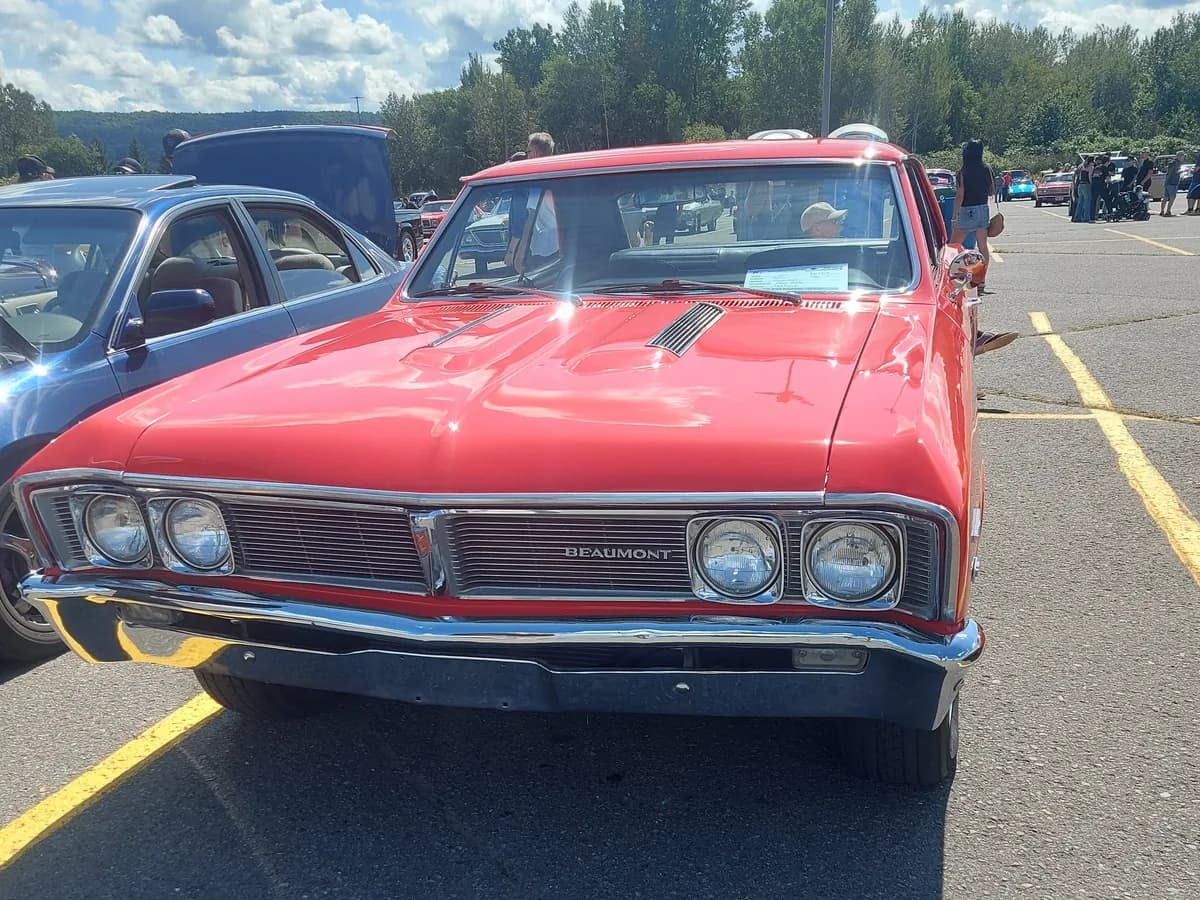
Electra
Encasa
Enclave
Encore
Envision
Envista
Estate Wagon
Excelle
GL6
GL8
GS
Invicta
LaCrosse
LeSabre
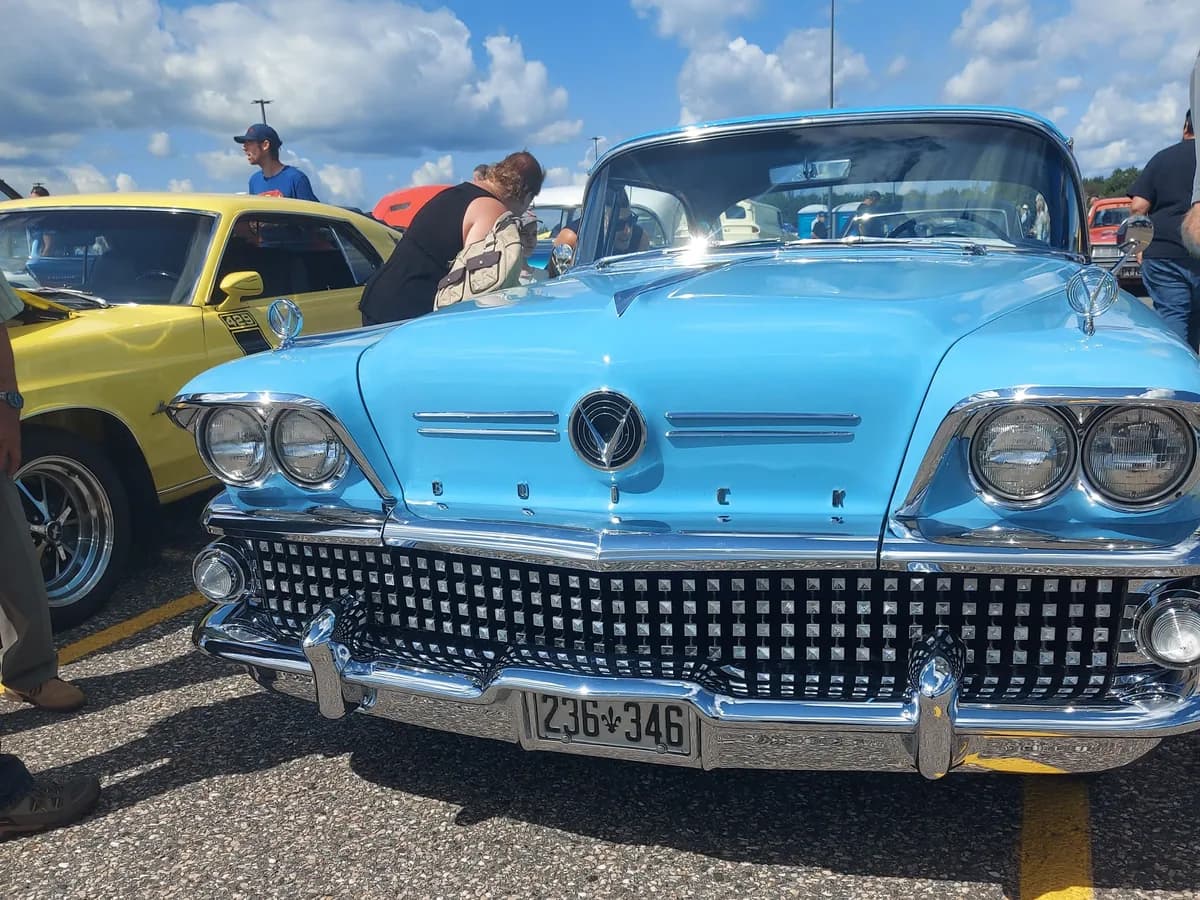
Limited
Lucerne
New Century
Park Avenue
Rainier
Reatta
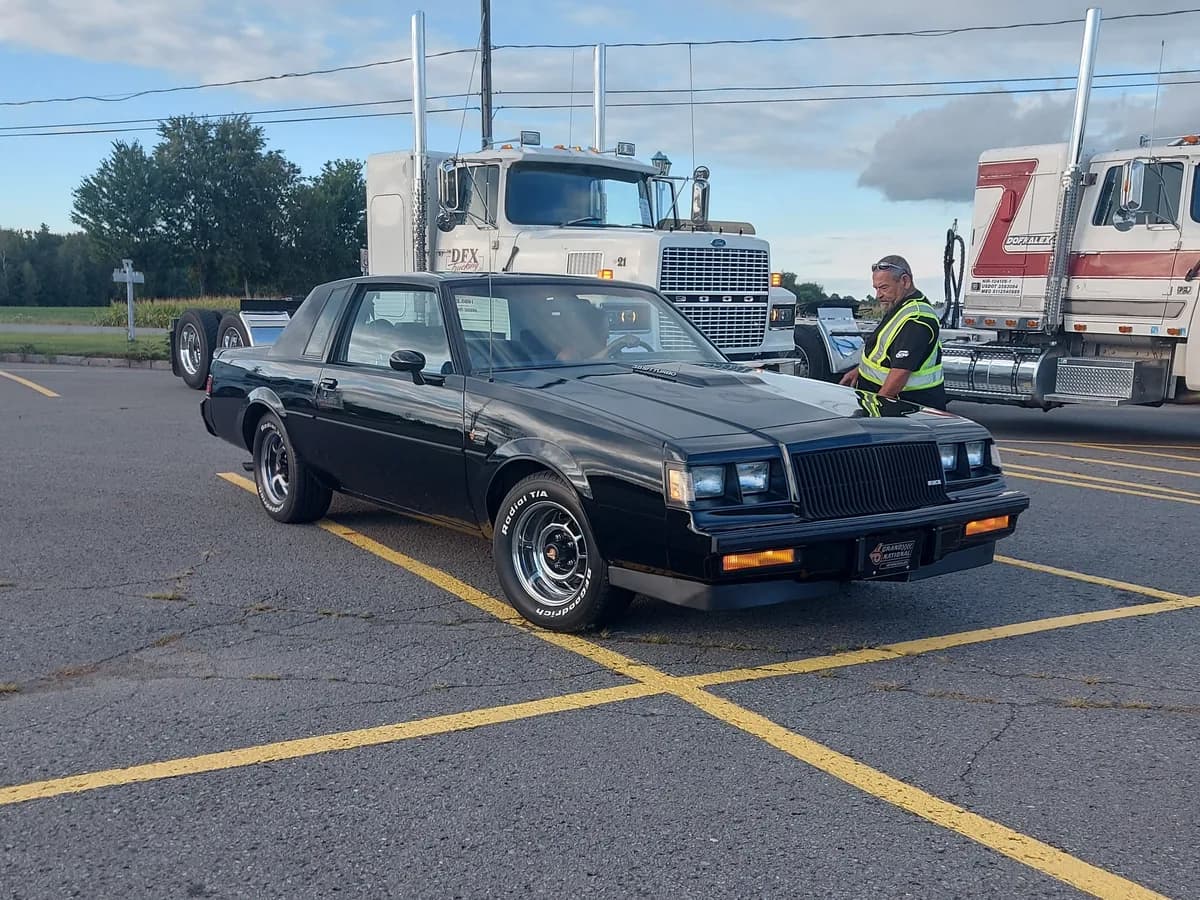
Regal
Rendezvous
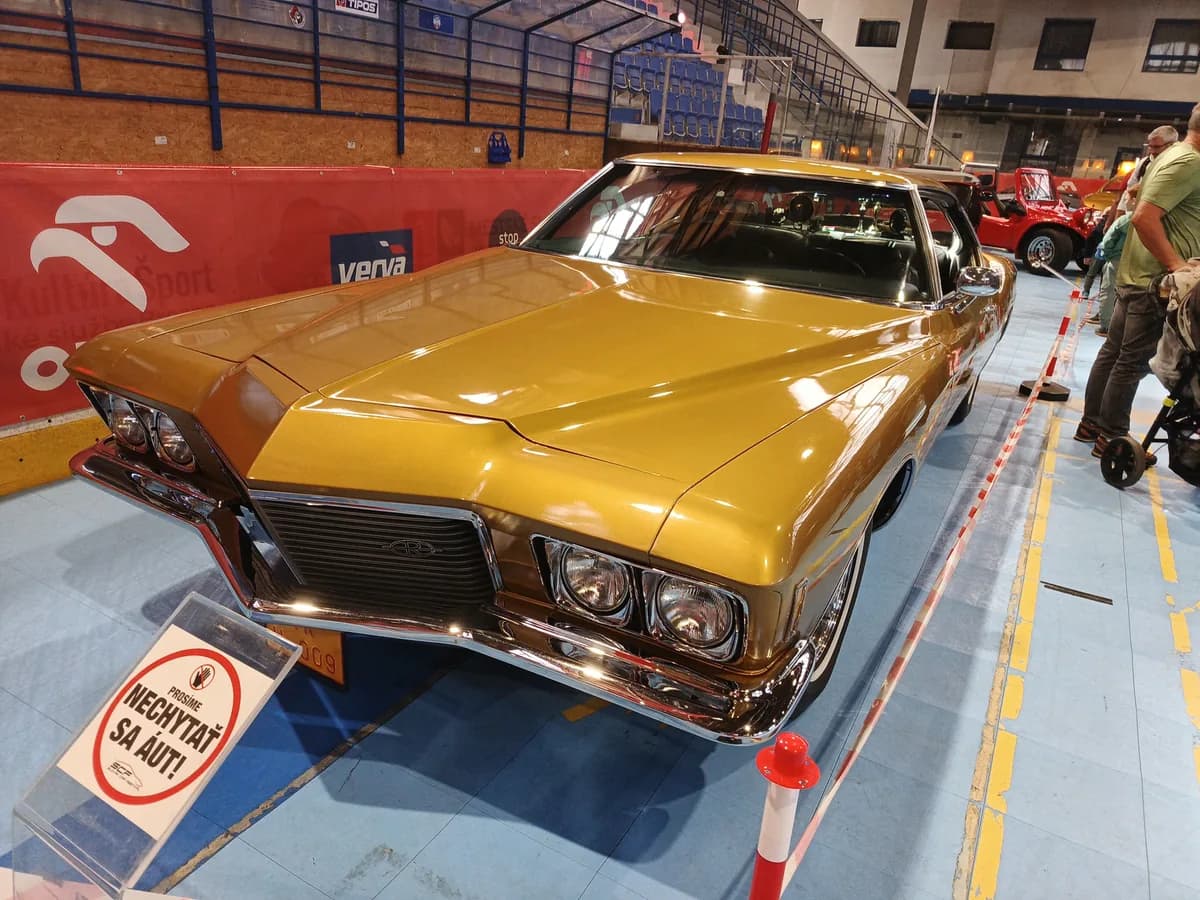
Riviera
Roadmaster
Royaum
Sail
Skyhawk
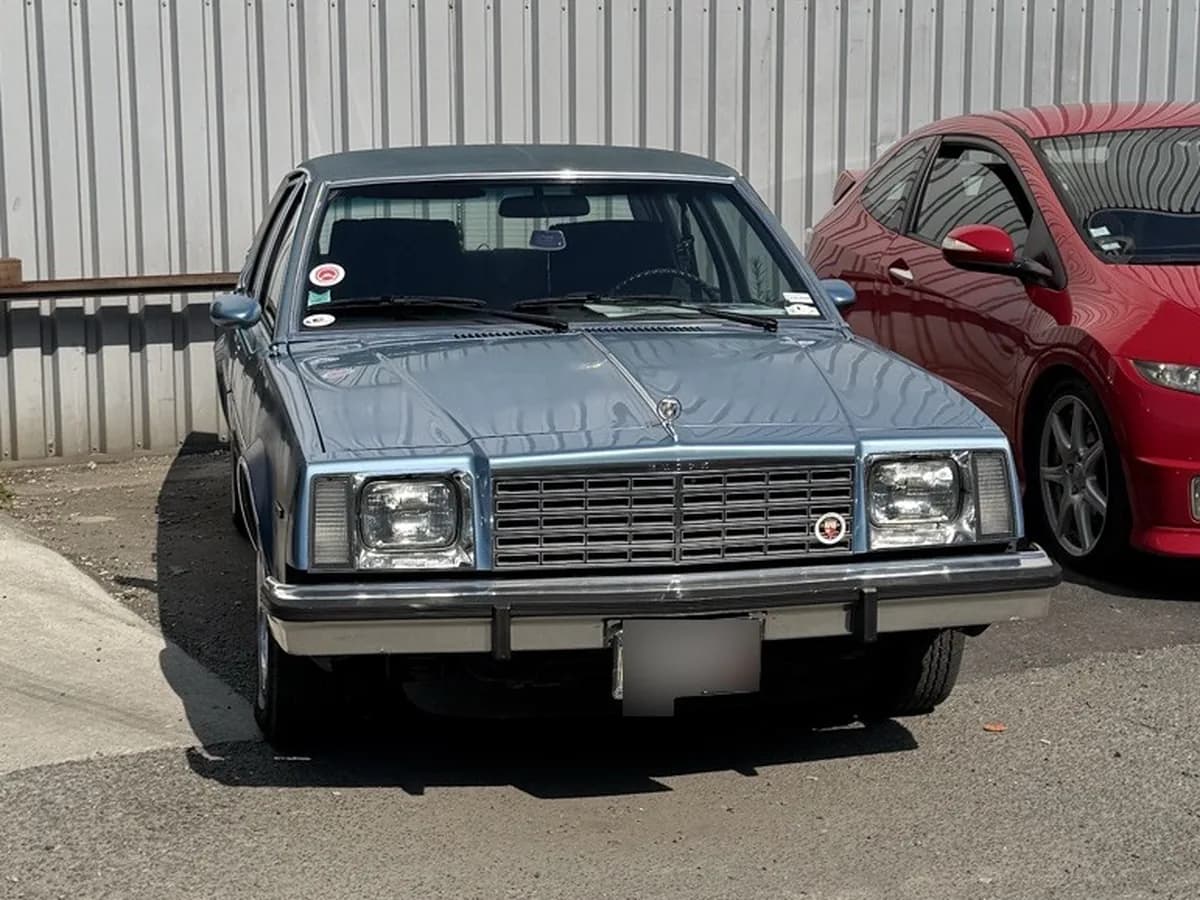
Skylark
Special
Super
Terraza
Velite
Verano
Wildcat
Buick overview
Buick history
Buick’s beginnings are linked to David Dunbar Buick and engineer Walter Marr’s work on overhead-valve engines. The first Buick offered for public sale, the 1904 Model B, was built in Flint; General Motors states that only 37 were produced that year. William C. Durant soon became a decisive figure in the company’s management and promotion. Buick’s early commercial success later provided an industrial and financial foundation for the creation of General Motors in 1908. Through the twentieth century, Buick developed a structured range that ran from the Special to larger cars such as the Super, Roadmaster, and Limited. The brand also introduced several notable developments. GM identifies the 1949 Roadmaster as the industry’s first production hardtop, while Buick’s Dynaflow automatic transmission appeared on selected 1948 models. In 1959, Buick substantially reorganized its naming strategy with the LeSabre, Invicta, and Electra. The Special later received Buick’s first production V6 in 1962. After decades defined by sedans, coupes, and station wagons, Buick progressively shifted toward SUVs and a comfort-focused premium offering.
Buick positioning
Buick has historically occupied a space between General Motors’ mainstream brands and Cadillac. That interpretation is supported by the structure of its product lines: Buick vehicles were typically more richly equipped and more ambitious than entry-level GM products, without consistently taking on Cadillac’s full luxury status. Today, Preferred, Sport Touring, and Avenir trims express that approach across Buick’s SUV range, offering different levels of equipment, appearance, and comfort. The 2026 U.S. lineup shows a clear focus on family vehicles: the Envista is a crossover, the Encore GX a small SUV, the Envision a compact SUV, and the Enclave a midsize model seating up to seven. It is therefore reasonable to view modern Buick as a brand centered on comfort, design, and onboard technology rather than traditional large sedans. That is an interpretation of the current range, not a summary of Buick’s entire history, which also includes luxury coupes, full-size cars, station wagons, and performance-oriented GS models.
Recognizing a Buick in a photo
The most recognizable Buick identifier is the tri-shield emblem, derived from a crest associated with David Buick’s family. The three-shield badge appeared in a recognizable form from 1959, coinciding with the launch of the LeSabre, Invicta, and Electra lines. Earlier cars may instead carry script lettering or a single shield, while some Buick models in the 1970s also used the Buick Hawk motif. Identifying a classic Buick requires combining the badge with the body style, grille, and series-specific details. The 1949 Roadmaster is particularly notable for its pillarless hardtop silhouette. During the 1950s and 1960s, substantial dimensions, extensive chrome trim, and shared GM design cues can make different series difficult to distinguish at a glance. Model lettering on the fenders, grille, or trunk is often more dependable than overall styling alone. On recent Buick vehicles, the horizontal badge and sculpted body surfaces are useful visual clues, while trim names such as Avenir and Sport Touring help separate versions within the same model family.
Important Buick models
The Roadmaster represents Buick’s tradition of large, comfortable, prestige-oriented automobiles; its return in the early 1990s also revived a full-size rear-drive sedan and station wagon. The Special played several roles within the range, from accessible model to important engineering platform, especially when it received Buick’s first production V6 in 1962. The Super and Limited illustrate the higher levels of Buick’s pre-1959 hierarchy. The LeSabre and Electra later defined Buick’s large American cars for several decades, with the Electra associated with the upper end of the range and the Electra 225 name. The Skylark name covered compact cars, coupes, and convertibles, while GS versions strengthened Buick’s sporting image during the 1960s and 1970s. Century, Invicta, and Wildcat add further context by showing how Buick differentiated its products through size, price, styling, and performance. Together, these names explain why Buick’s historical catalog extends well beyond its present SUV-focused lineup.
References
- 1905 Buick Model C | GM Heritage CollectionGeneral Motors
- GM Heritage: An Iconic LegacyGeneral Motors
- Buick Motor Division HistoryBuick Heritage Alliance
- Timeless Style: 120th Anniversary of BuickBuick
- 2026 Buick SUV LineupBuick
- 2026 Model ShowcaseBuick News
- https://automotivehistory.org/may-19-1903-buick-is-founded/automotivehistory.org
- https://www.encyclopedia.com/history/encyclopedias-almanacs-transcripts-and-maps/david-buickencyclopedia.com