Bugatti Type 37 1926
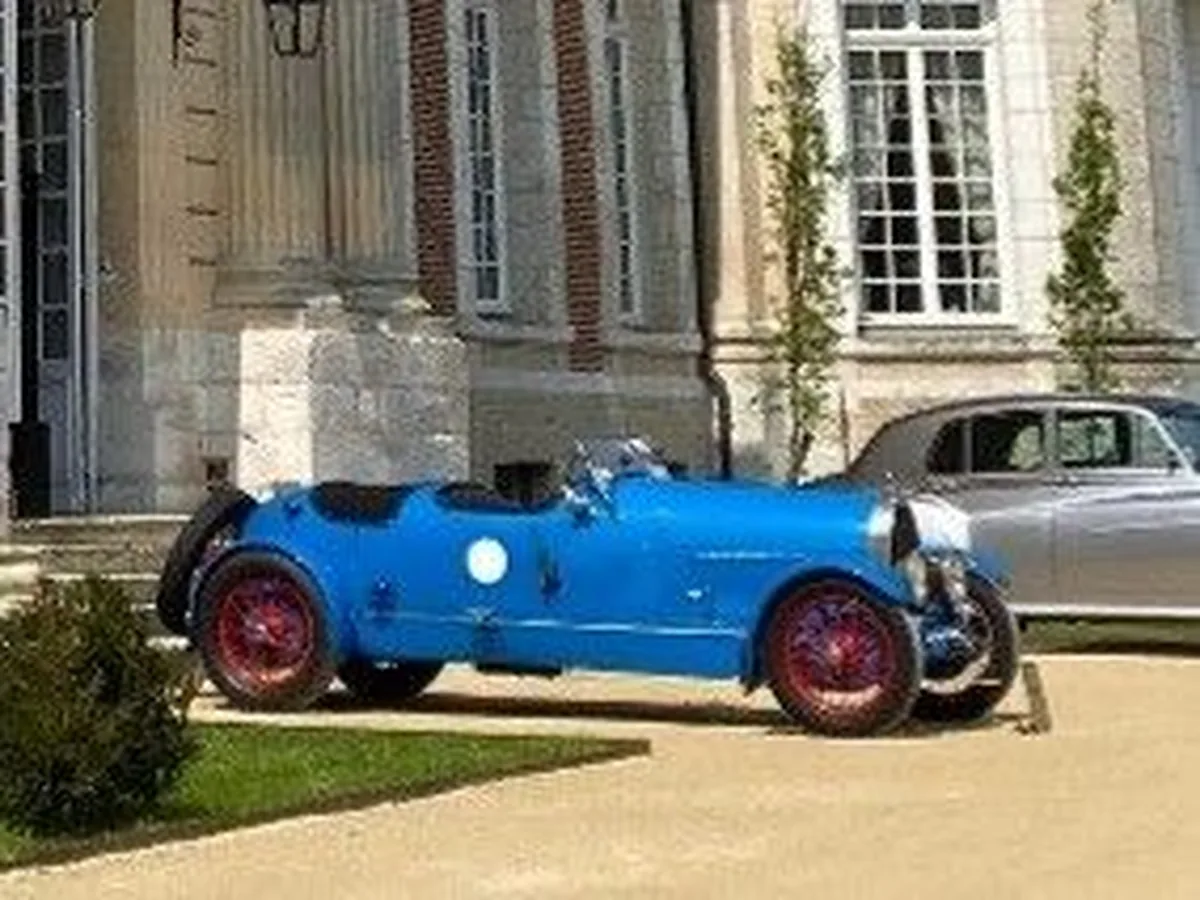
The 1926 Bugatti Type 37 Base version represents a significant race car designed for the 1.5-liter category. It shares its chassis and body style with the famed Type 35 but features specific components like Rudge wire wheels and smaller brake drums. Powered by a 1.5-liter four-cylinder engine derived from the Type 28’s eight-cylinder unit, it delivers 60 horsepower, enabling the car to reach a top speed of approximately 150 km/h. This version was aimed at private racers and competitive events within its class, embodying technical excellence and competitive prowess during its era.
Curious about this car?
Explore Type 37, then try your own photo.
No account needed for the result · Publish only if you choose
History
Launched in 1926, the Bugatti Type 37 quickly established itself as the successor to the Bugatti Brescia in the 1.5-liter racing category. This model leveraged the proven chassis of the Type 35 while incorporating specific adjustments such as Rudge wire wheels and smaller brake drums to enhance handling and performance. Its 1.5-liter four-cylinder engine, derived from the eight-cylinder Type 28 unit, produced 60 horsepower, granting a top speed near 150 km/h — a notable achievement at the time. The Type 37 played a vital role in motorsport, participating in prestigious events and offering private drivers a competitive and reliable racing car.
Latest scans
Photos added by the community for this page.
Production
Total production of Bugatti Type 37 cars is estimated between 290 and 300 units, including about 67 of the supercharged Type 37A version. The majority were base models like the 1926 variant, primarily operated by private drivers. These cars helped cement Bugatti's reputation in motorsport through their reliability and performance well suited for the 1.5-liter racing class.
Evolution
Variants
References
- Bugatti Type 37 - Saga BugattiMotorlegend
Provides detailed history and specifications of the Bugatti Type 37.
- 1927 Bugatti Type 37 | Christie'sChristie's
Offers detailed specifications and historical context for the 1927 Bugatti Type 37.
- https://classiccars.fandom.com/wiki/Bugatti_Type_37classiccars.fandom.com
Source found by OpenAI web search for this model page.
- https://www.supercars.net/blog/1925%E2%86%921933-bugatti-type-37/supercars.net
Source found by OpenAI web search for this model page.
- https://www.motorlegend.com/histoire-automobile/saga-bugatti/bugatti-type-37/6%2C13207%2C13204.htmlmotorlegend.com
Source found by OpenAI web search for this model page.
- https://www.guide-automobiles-anciennes.com/VOITURE/bugatti-type-37-2646.htmguide-automobiles-anciennes.com
Source found by OpenAI web search for this model page.