BMW X1 2015
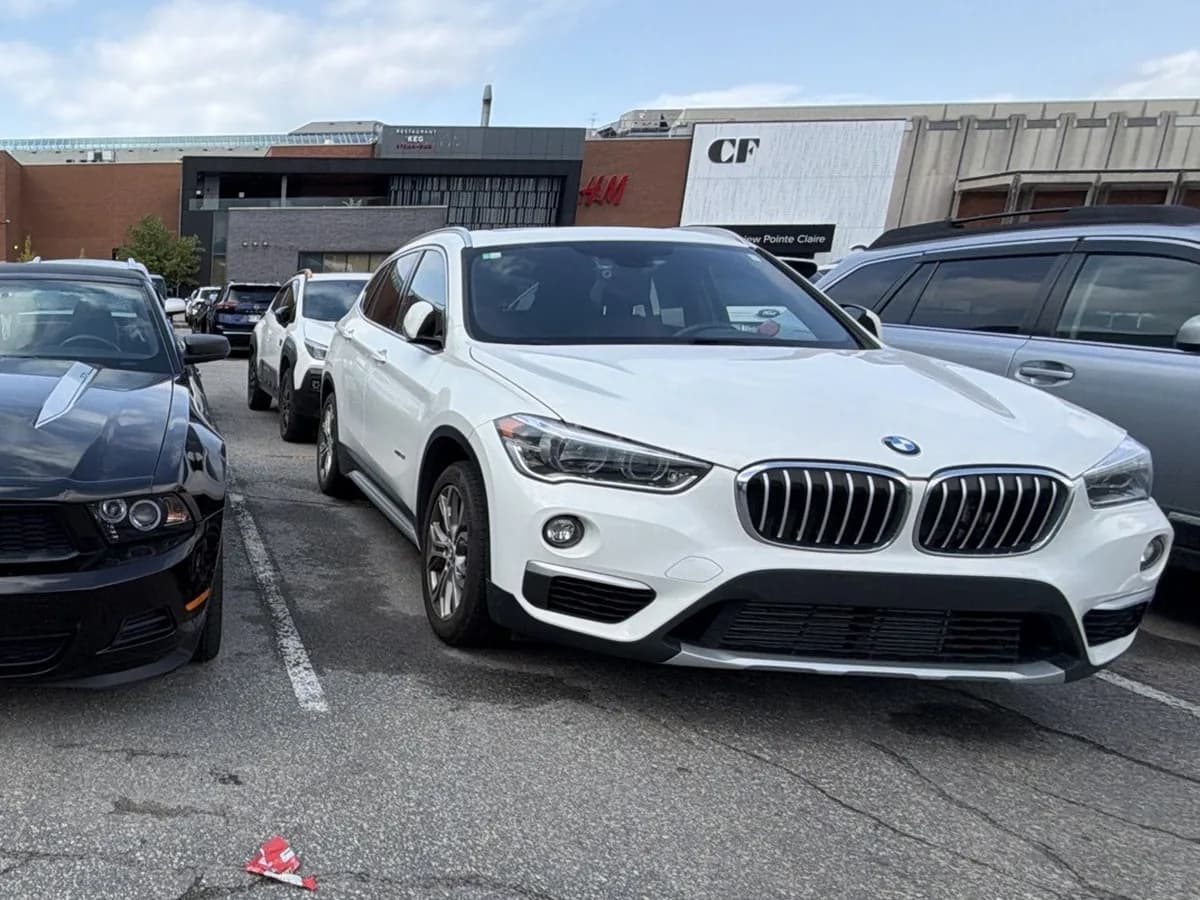
The BMW X1 Base 2015 belongs to a turning point in BMW’s compact SUV story. The X1 was first introduced in 2009 as the brand’s smallest SUV, positioned below the X3 and built around a rear-wheel-drive layout. In 2015, the second generation arrived and brought a major shift to a front-wheel-drive platform shared with the BMW 2 Series Active Tourer and the Mini Countryman. The Base version sits at the entry point of that new generation, offering the model’s core identity in its simplest form while keeping the X1’s place in BMW’s lineup.
Curious about this car?
Explore X1, then try your own photo.
No account needed for the result · Publish only if you choose
History
The BMW X1 was developed as BMW’s smallest SUV, clearly placed below the X3 when it debuted in 2009. That first generation used the BMW 3 Series E90 platform and featured a rear-wheel-drive layout, giving the model a technical character that set it apart from more conventional compact SUVs. In 2015, BMW moved the X1 into its second generation, known as F48, and changed the car’s foundations in a major way. The switch to a front-wheel-drive platform marked a new direction for the model. This generation also brought turbocharged three- and four-cylinder engines, along with sDrive front-wheel-drive and xDrive all-wheel-drive versions. The X1 Base 2015 belongs to this transition as the entry-level expression of the new generation.
Latest scans
Photos added by the community for this page.
Production
The second-generation BMW X1 was produced from 2016 to 2022 according to the dossier provided. The presence of a 2015 version should therefore be understood as a transition point between the outgoing E84 generation and the new F48 that was introduced that year. No production details specific to the Base trim are given in the documentation, and no additional information on plant, volume, or build timing is provided.
Evolution
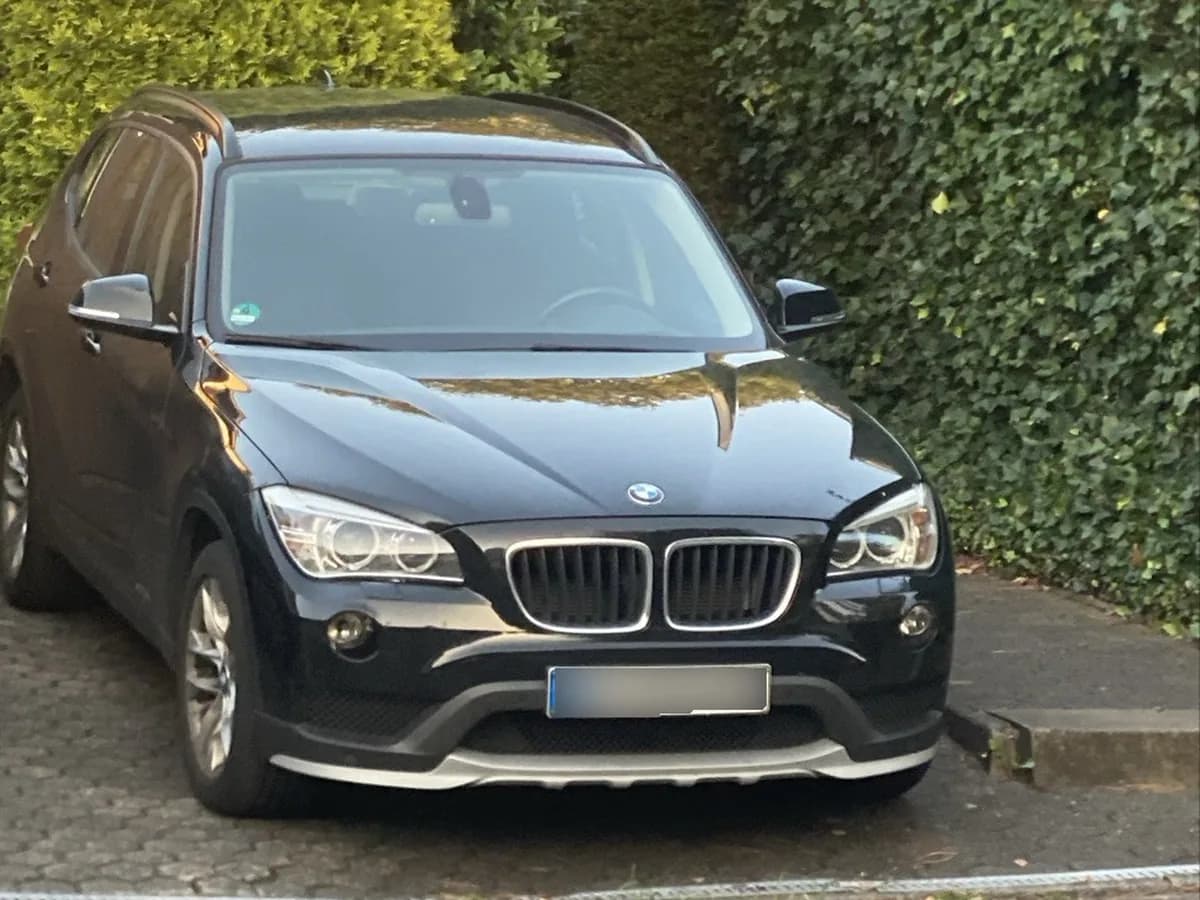
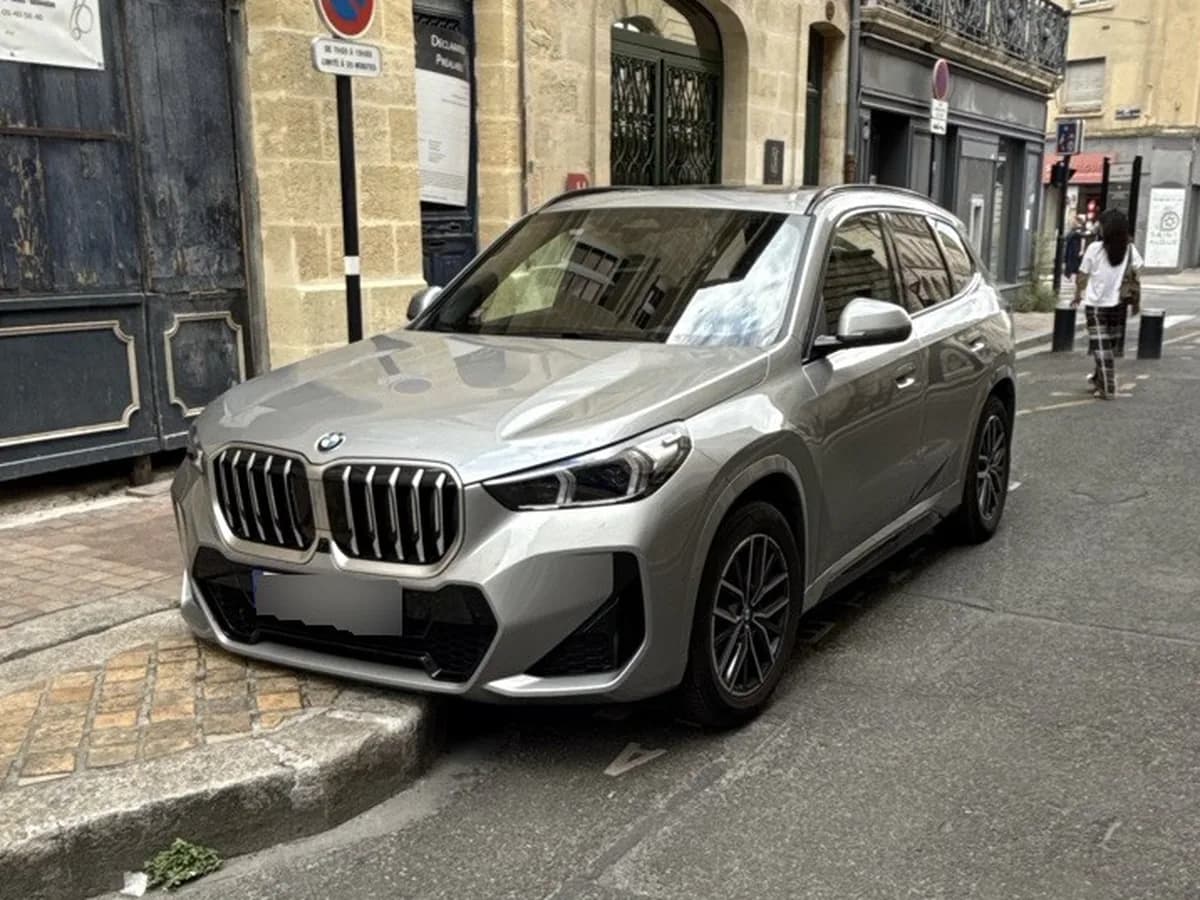
For the BMW X1, the most important change in 2015 was its architecture. The model moved away from the rear-wheel-drive approach of the first generation and adopted a front-wheel-drive platform. That shift was accompanied by a broader modernisation of the powertrain range, including turbocharged three- and four-cylinder engines. The lineup was then organised around sDrive and xDrive naming, separating front-wheel-drive versions from all-wheel-drive ones. The Base trim sits at the start of that range, with no extra equipment or unique details specified in the dossier. It mainly reflects the X1’s new direction from 2015 onward.
Variants
References
- The all-new BMW X1 and the first-ever BMW iX1BMW Group
Introduction of the third generation BMW X1 and the first fully electric version, the BMW iX1.
- BMW X1 のラインアップに新たなエントリー・モデルとなる「オリジナル」を追加BMW Group
Announcement of the BMW X1 sDrive20i original, an entry-level model with advanced technology.
- https://www.bmw.co.jp/ja/press/2026/20260513-2.htmlbmw.co.jp
Source found by OpenAI web search for this model page.
- https://www.bmw.co.jp/ja/press/2023/20230217_2.htmlbmw.co.jp
Source found by OpenAI web search for this model page.
- https://www.bmw.co.jp/ja/press/2024/20240529.htmlbmw.co.jp
Source found by OpenAI web search for this model page.
- https://www.bmw.co.jp/ja/topics/brand-and-technology/news/press.htmlbmw.co.jp
Source found by OpenAI web search for this model page.
- https://www.bmw.co.jp/ja/press/2023/20230526.htmlbmw.co.jp
Source found by OpenAI web search for this model page.