Power
426 KW @ 6250 RPM 579 HP @ 6250 RPM 571 BHP @ 6250 RPM
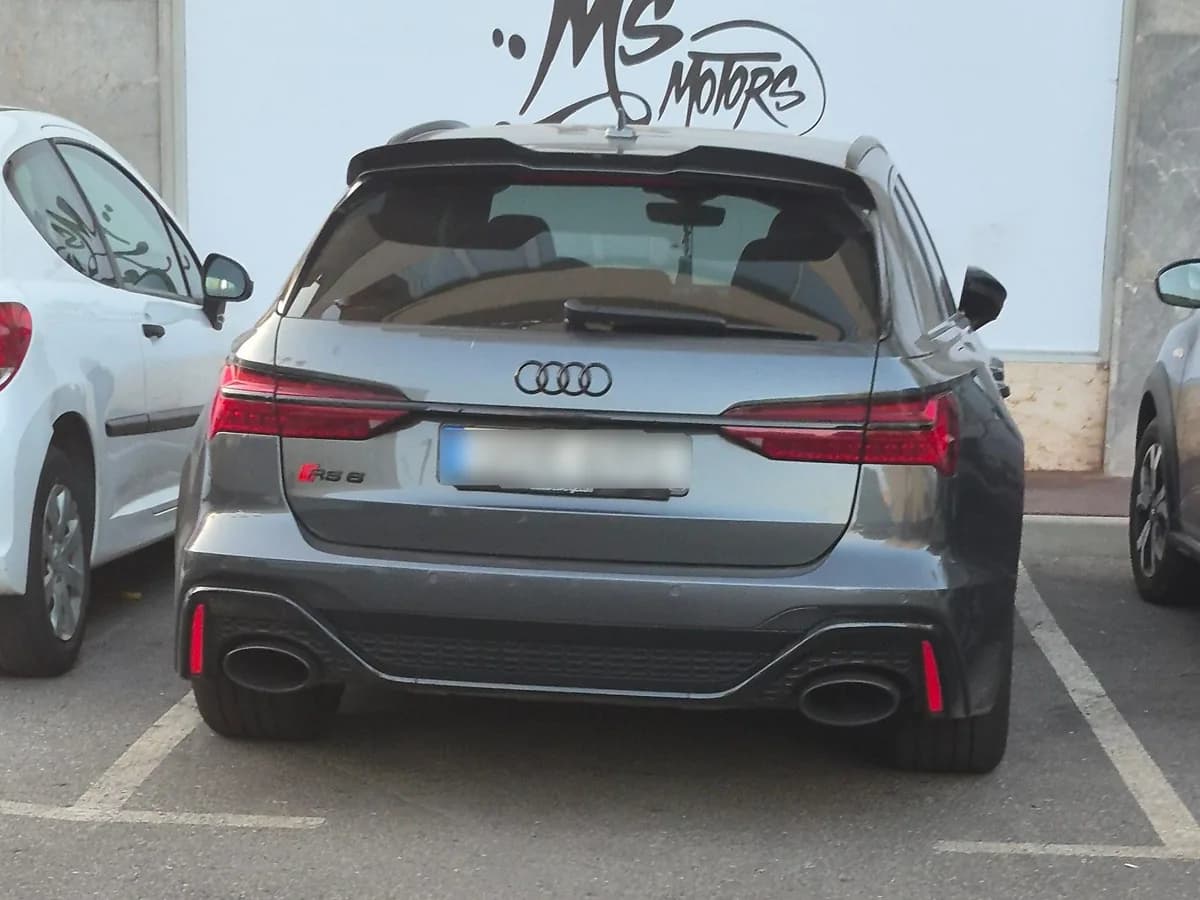
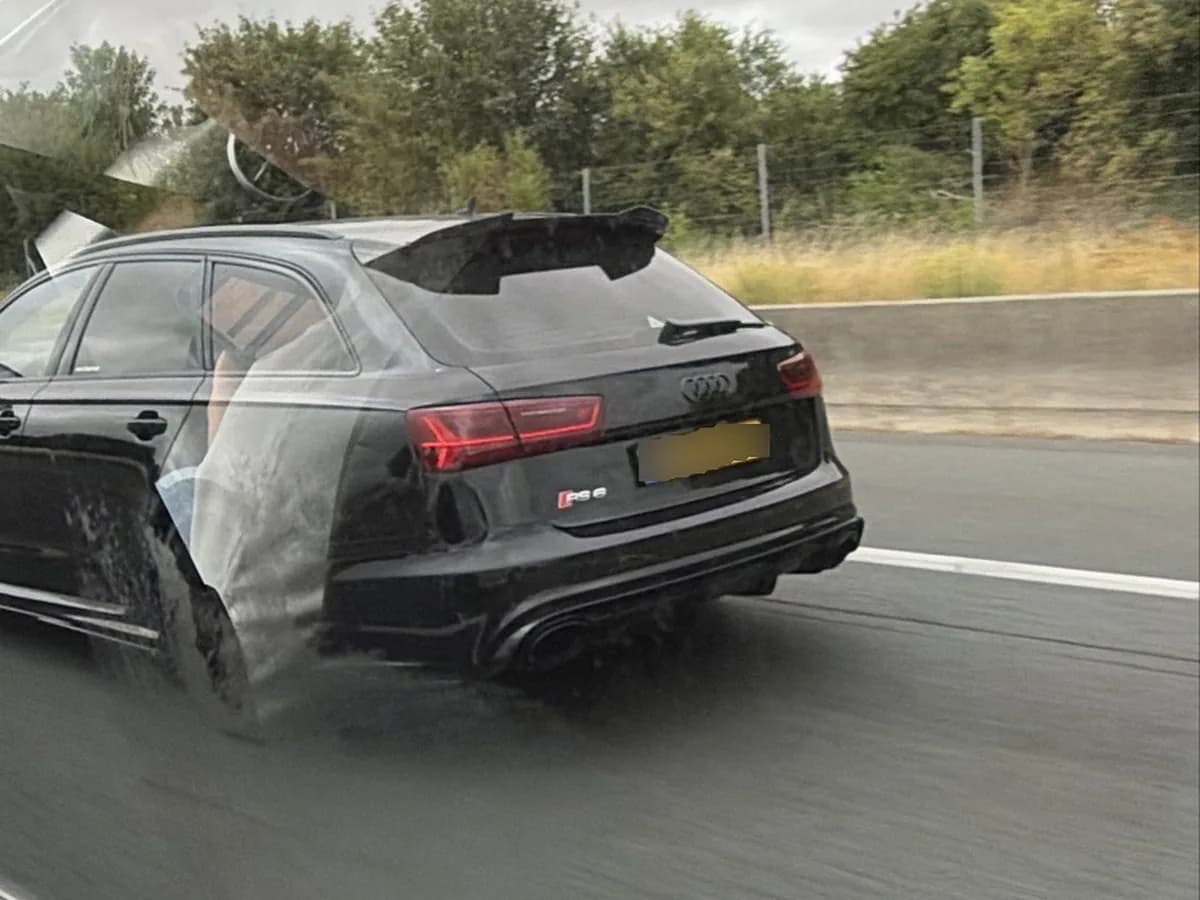
The 2013 Audi RS 6 Avant introduced the model’s third generation, known internally as the C7. Instead of the previous car’s twin-turbo V10, Audi fitted a twin-turbocharged 4.0-liter V8 producing 560 PS, paired with an eight-speed tiptronic automatic transmission and quattro all-wheel drive. The new RS 6 followed a more measured engineering approach, with a lighter powertrain, a more rearward engine position and improved axle-load distribution. Although its peak output was slightly lower than the preceding generation’s, the C7 was quicker and more efficient. Cylinder-on-demand technology could temporarily shut down four cylinders under light loads, while the Avant body retained considerable everyday practicality. Wider bodywork, large air intakes, distinctive exhaust outlets and RS-specific chassis hardware gave the car the visual and dynamic identity expected from Audi’s high-performance estate.
Curious about this car?
Explore RS6, then try your own photo.
No account needed for the result · Publish only if you choose
Shown publicly at the Geneva Motor Show in March 2013, the C7 Audi RS 6 Avant represented a major technical change from the preceding C6. Audi reduced both displacement and cylinder count while retaining twin turbocharging, using a 3,993 cc TFSI V8 rated at 560 PS and 700 Nm. Power went through an eight-speed tiptronic transmission to a quattro system with a crown-gear center differential. Audi quoted a 0–100 km/h time of 3.9 seconds. The C7 was also the first RS 6 generation to receive adaptive air suspension as standard equipment, with a 20 mm lower ride height and sport-oriented calibration. A Dynamic Ride Control sports suspension was available depending on specification. RS models were assembled at Audi’s Neckarsulm facility in Germany. Unlike the first two generations, the C7 was sold exclusively as an Avant estate, while the RS 7 Sportback served as Audi’s related high-performance five-door model in selected markets.
Photos added by the community for this page.
Source: autoevolution
The C7 RS 6 is frequently used as an example of successful downsizing within Audi’s performance range. It lost two cylinders compared with its predecessor, yet its official acceleration figure improved. Audi also stated that cylinder-on-demand could temporarily turn the V8 into a four-cylinder engine during light-load operation. The system allowed the car to retain the character and output of a large performance engine without using all eight cylinders continuously in every driving situation.
Production of the C7 Audi RS 6 Avant began in 2013, and Audi’s model history places the generation’s production period through 2018. As with earlier RS 6 generations, the car was associated with Audi’s Neckarsulm site in Germany, where the brand carried out specialized assembly of its RS models. The Avant was developed as a high-performance derivative of the A6 family, receiving dedicated bodywork, suspension, braking and drivetrain components. The sources consulted do not provide a verified worldwide production total for the C7 RS 6 or for the 2013 model year alone. A precise production figure would therefore be speculative and has been omitted. The documented manufacturing location and model-period information are more reliable than unsupported volume estimates.
Automotive reviewers generally viewed the C7 RS 6 as a better-balanced car than its predecessor. Car and Driver praised the twin-turbo V8’s urgency, the fast automatic transmission and the way the estate combined extreme performance with family practicality. Top Gear emphasized its high-speed ability, improved cornering behavior and broad usability. Autocar offered a more qualified assessment, describing the generation as extremely fast and capable without necessarily making it the outright benchmark in every area of its class. The broad critical consensus was therefore positive but measured: the C7 represented a clear improvement in agility, efficiency and overall coherence, while remaining a heavy luxury estate with the running costs associated with a highly sophisticated performance car.
The C7 RS 6 evolved by pursuing overall efficiency rather than simply chasing a higher power figure. Replacing the V10 with a twin-turbo V8 reduced powertrain mass, while moving the engine farther back improved the car’s balance. Audi also reported a weight reduction of roughly 120 kg compared with the previous generation and a lower proportion of mass over the front axle. Cylinder deactivation, stop-start technology and the eight-speed transmission helped reduce fuel use during lighter driving. Standard adaptive air suspension added an unusual degree of comfort to a car with this level of performance. The range later expanded with the more powerful RS 6 performance, but the 2013 model represents the regular 560-PS version. Its significance lies in combining high-speed ability, sharper dynamics and estate-car usability in a more technically efficient package.
Supports the C7 generation’s technical development, weight reduction, acceleration, cylinder deactivation, suspension and Neckarsulm assembly context.
Supports the 4.0-liter twin-turbo V8, 560 PS output, eight-speed tiptronic transmission and quattro drivetrain.
Supports contemporary road-test observations concerning performance, practicality, transmission, all-wheel drive and chassis behavior.
Supports press-reception points about speed, handling, practicality and the contrast with the previous V10 generation.
Supports the standard and performance output distinction and the publication’s more nuanced assessment of the C7.
Supports the 2013 debut of the RS 6 Avant at the Geneva Motor Show and its position within the A6 family.
Source found by OpenAI web search for this vehicle page.
Source found by OpenAI web search for this vehicle page.