
Q5
The Audi Q5 is a premium family SUV introduced in 2008 to sit between the Q3 and Q7 in Audi’s sport-utility range. From the beginning, it combined a raised body, Audi-inspired cabin design, and quattro all-wheel drive on selected versions and markets. The first generation established the Q5 in the midsize premium SUV segment, while later generations placed greater emphasis on digital technology, efficiency, and flexible interior space. The wider family has also included performance-oriented SQ5 derivatives and the sleeker Q5 Sportback body style. The Q5 e-tron should be treated separately: despite the similar name, it is a China-specific electric SUV rather than simply an electric version of the conventional Q5. Model years, engines, equipment, and even body styles vary by market, so a year-based identification should always be checked against regional specifications. (audi-mediacenter.com)
What about the car you photographed?
Upload a photo to get a suggested make, model and likely year.
No account needed for the result · Publish only if you choose
Variants by year
Make: Audi · Model: Q5
7 / 7 versions shown
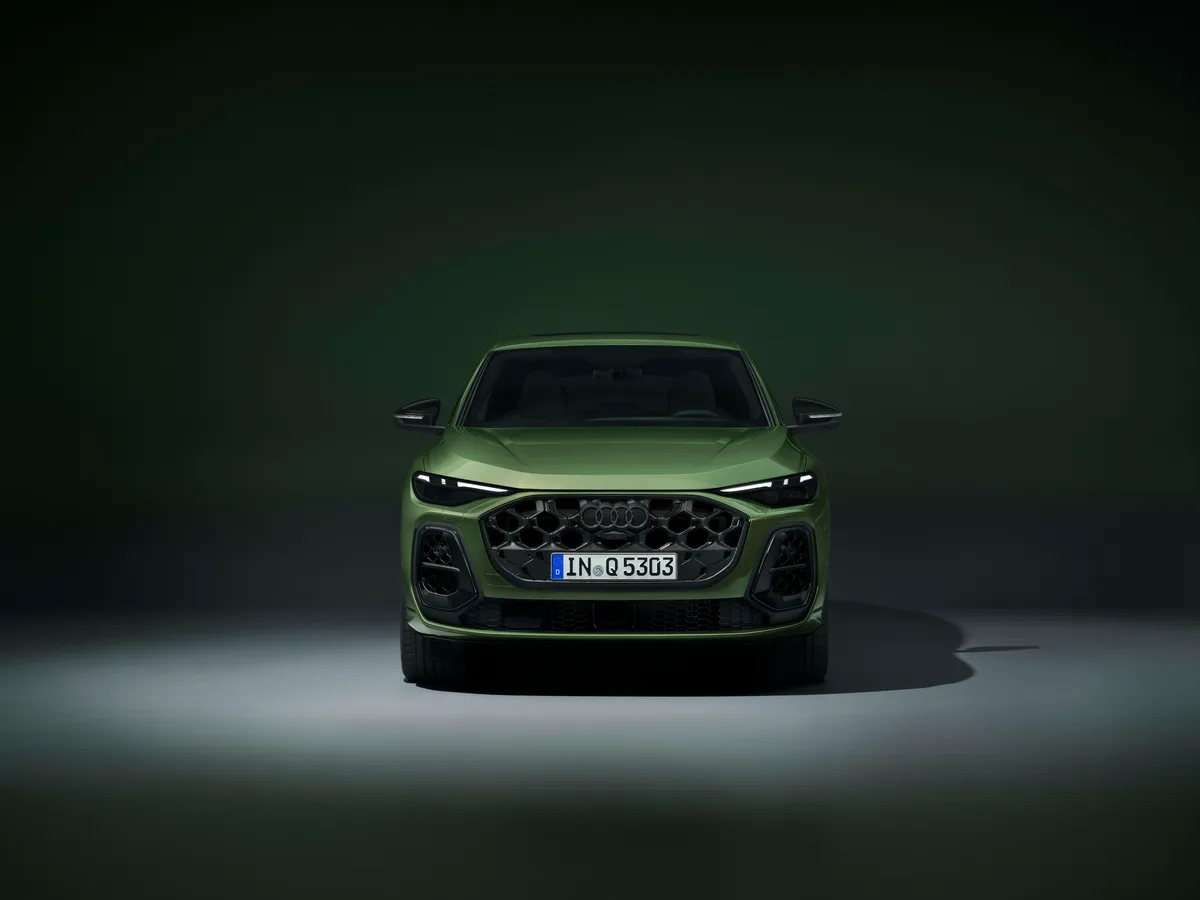
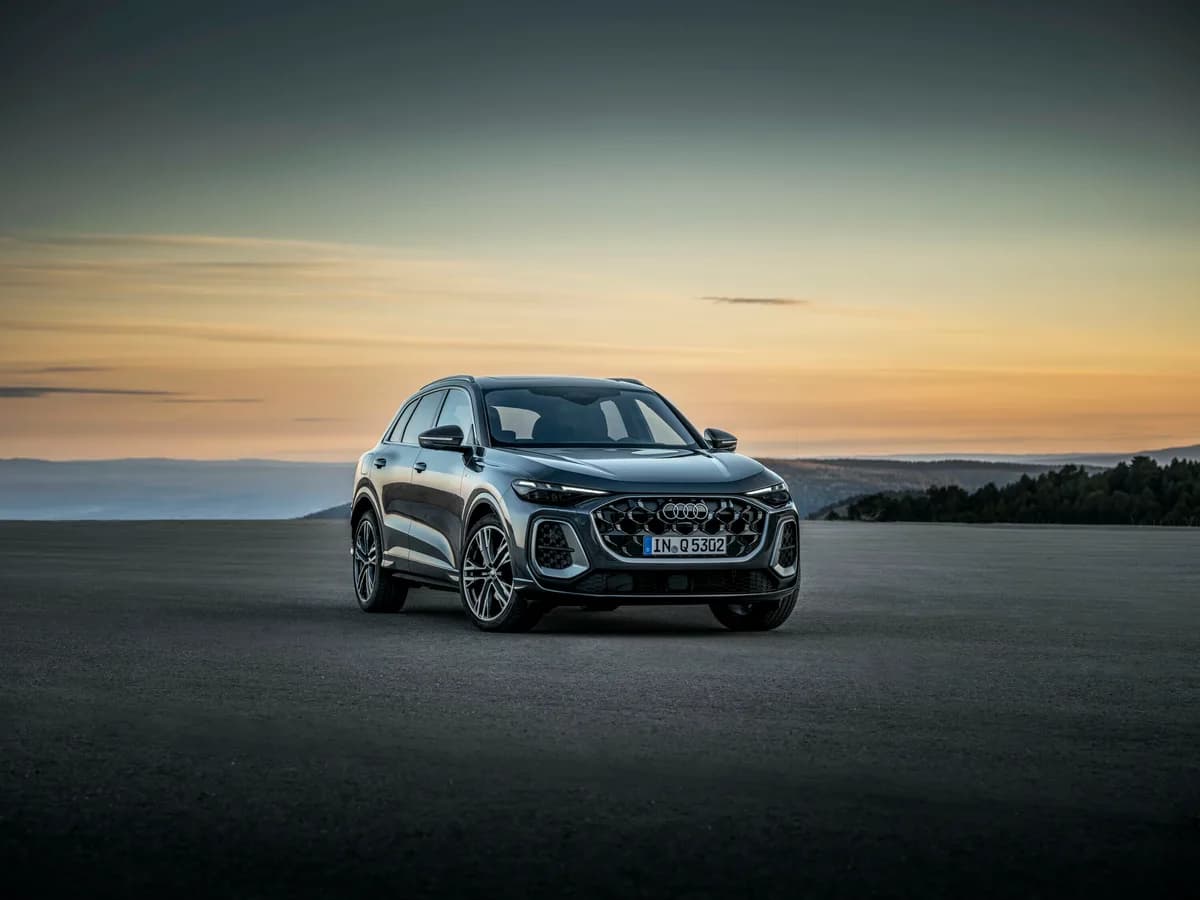
2025
2022
2021
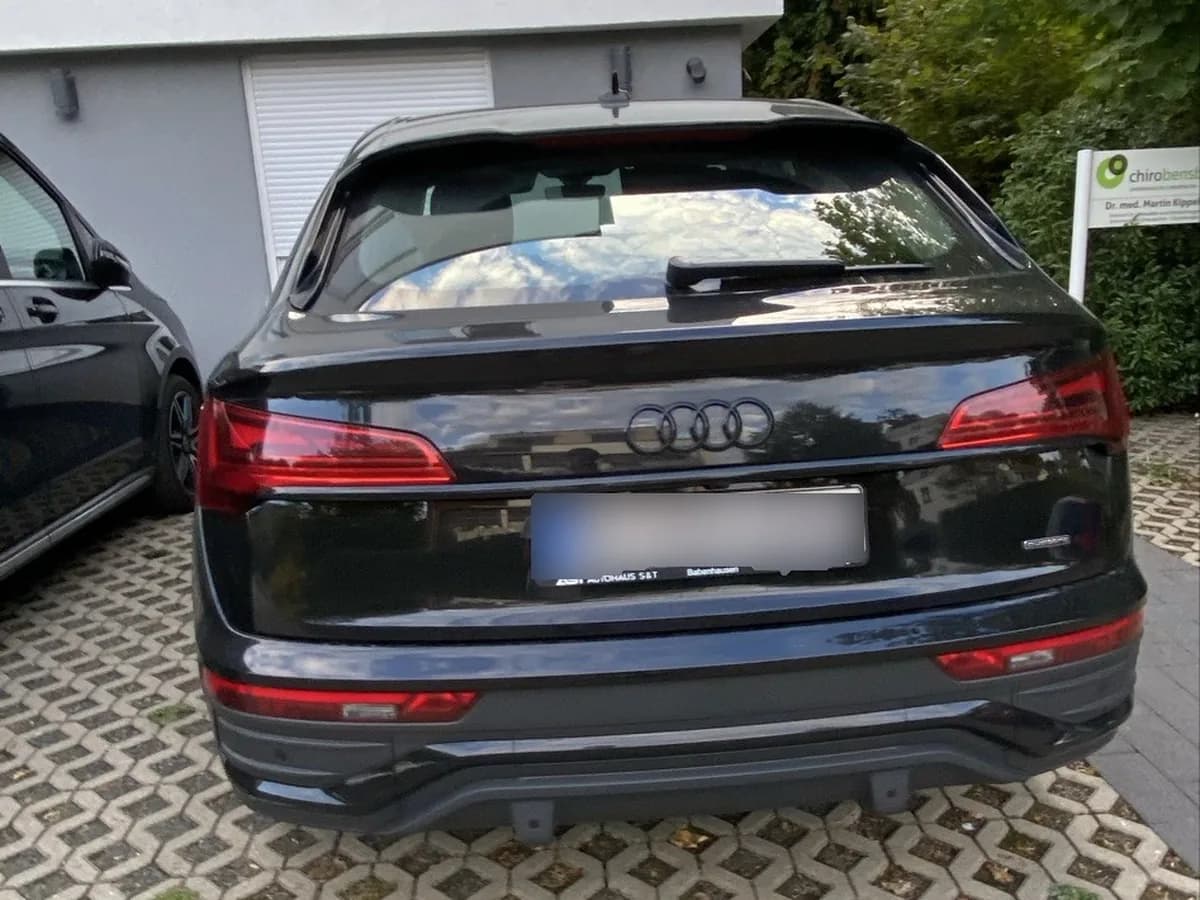
2020
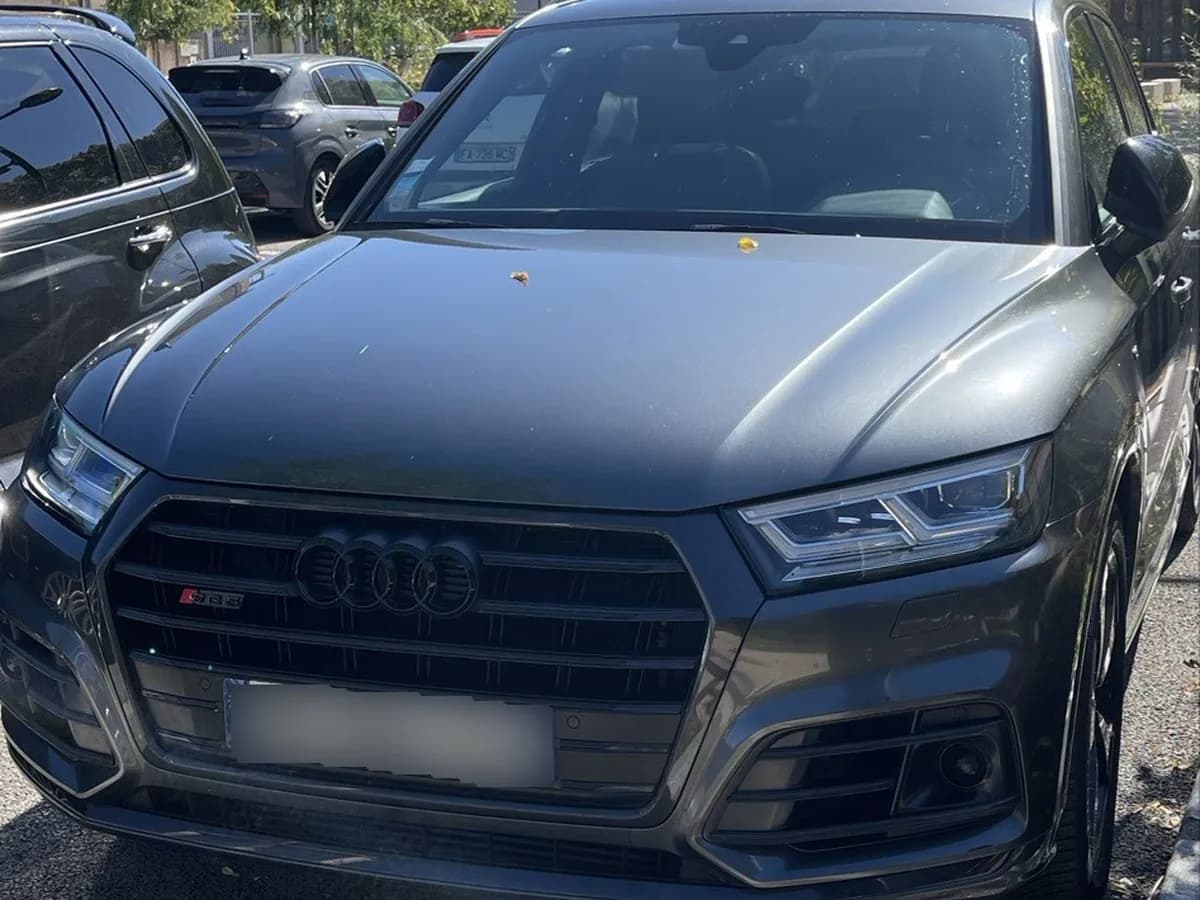
2017
 R
2008

Audi Q5 photos
Model summary
Data from the ScanRacer library, organized to compare versions quickly.
Model introduction
The Audi Q5 is a premium family SUV introduced in 2008 to sit between the Q3 and Q7 in Audi’s sport-utility range. From the beginning, it combined a raised body, Audi-inspired cabin design, and quattro all-wheel drive on selected versions and markets. The first generation established the Q5 in the midsize premium SUV segment, while later generations placed greater emphasis on digital technology, efficiency, and flexible interior space. The wider family has also included performance-oriented SQ5 derivatives and the sleeker Q5 Sportback body style. The Q5 e-tron should be treated separately: despite the similar name, it is a China-specific electric SUV rather than simply an electric version of the conventional Q5. Model years, engines, equipment, and even body styles vary by market, so a year-based identification should always be checked against regional specifications. (audi-mediacenter.com)
History
Audi introduced the Q5 in 2008, making it the company’s second series-production SUV after the Q7. The first generation, commonly identified by the internal code 8R, remained on sale for almost a decade. It received a substantial update in the early 2010s, including revised exterior details and equipment, and continued in production until 2017 in many markets. Petrol and diesel engines, transmissions, and quattro availability differed according to regional product plans. The second generation arrived for the 2018 model year in several markets. It modernized the exterior while preserving the Q5’s established proportions, and it expanded the use of driver-assistance systems, connected infotainment, and electrified powertrains. Audi added the Q5 Sportback in 2020, giving the range a more sharply sloping roofline and a sportier visual character. Plug-in hybrid versions were also offered in selected markets. Audi revealed the third generation on September 2, 2024, for the 2025 model year. It introduced the Q5 to Audi’s Premium Platform Combustion and brought a more advanced MHEV plus electrical system to the launch range. Separately, the Q5 e-tron introduced in China in 2022 is a distinct electric SUV developed for that market, not merely an electric derivative of the conventional Q5. (audi-mediacenter.com)
Generations
The first-generation Q5, commonly associated with the 8R code, covers approximately 2008 to 2017. It is recognizable by rounded body volumes, Audi’s Singleframe grille, and a cabin layout closely related to other Audi models of the period. The early-2010s facelift revised several exterior and interior details without changing the vehicle’s overall architecture. The second generation, generally linked to the FY designation, arrived for the 2017 or 2018 model year depending on market. It brought sharper surfacing, a wider grille, and a more digital interior. This generation also provided the basis for the Q5 Sportback, introduced from 2020, with a more dramatically sloping rear roofline. A later update added newer lighting signatures and additional connected equipment. Audi presented the third generation in 2024 for the 2025 model year. The manufacturer describes it as the brand’s first SUV based on the Premium Platform Combustion. Its visual cues include a taller front section, tauter side lines, digital rear-light technology, and an interior organized around a broader screen-based interface. Model-year overlap is possible in market catalogs, especially where the outgoing and new Q5 were sold at the same time, so the registration year alone may not identify the generation. (audi-mediacenter.com)
Key differences
The clearest differences between Q5 generations concern design language and technology. The 8R Q5 has a more conventional presentation, with many physical controls and less digital instrumentation. The FY generation introduced more sculpted bodywork, a more integrated central display, and a broader range of driver-assistance features. Its facelift pushed the design further with more distinctive lighting signatures. The third-generation Q5 stands apart through its taller grille, tighter surfacing, full-width rear-light treatment, and newer electronic architecture. It uses Audi’s Premium Platform Combustion and launched with partially electrified powertrains. The Sportback is primarily distinguished by its sloping roof and redesigned rear hatch, while the SQ5 adds performance-focused styling and chassis specifications. The Q5 e-tron belongs in a separate category: it is a China-specific electric model built around a different technical concept from the conventional combustion-engine Q5. (audi-mediacenter.com)
Photo recognition
To identify an 8R Q5, look for rounded bodywork, a relatively low Singleframe grille, and simpler headlamp graphics. Early-2010s facelift models have a more detailed front end and revised rear lamps, but they retain the first generation’s basic proportions. The FY Q5 is usually recognizable by its broader grille, more sculpted sides, and cabin with a newer central display. Facelifted examples have more expressive lighting signatures and bumper designs. The Q5 Sportback has a clearly descending roofline from the rear doors onward, whereas the conventional SUV retains a more upright rear hatch. The third-generation Q5 uses a taller front treatment, narrow headlamps, a continuous rear light strip, and tighter body surfacing. Trim details can vary significantly with equipment level and market. A China-market Q5 e-tron should be identified separately because it has a dedicated electric design and proportions rather than being a direct visual or mechanical equivalent of the combustion-engine Q5 sold in Europe or North America. (audi-mediacenter.com)
Important versions
The key versions to separate are the conventional Q5 SUV, the Q5 Sportback, and the SQ5. The standard SUV emphasizes a more practical body shape and a taller rear section. The Sportback, introduced during the second generation and renewed for the third, uses a more sharply sloping roofline. The SQ5 is the performance-oriented member of the family, with dedicated engines, chassis settings, and exterior details that vary by market. Q5 TFSI e plug-in hybrid versions were offered in selected markets during the second generation. The 2022 Q5 e-tron should be treated separately because Audi describes it as an electric SUV developed specifically for China. In ScanRacer’s data, the labels “Base,” “SUV,” “Sportback,” and “e-tron” organize the available records; they should not be assumed to represent equivalent trim levels across countries. (audi.com)
The name “Q5” follows Audi naming, with its rules and its exceptions. Decode a Audi name
References
- The new Audi Q5 SUV: proven concept in its third generationAudi MediaCenter
- Dynamic and versatile: the second-generation Audi Q5 SportbackAudi
- Sporty, practical and elegant: The Q5 Sportback and the SQ5 Sportback TDIAudi
- Sporty and elegant plug-in hybrid: the Audi Q5 Sportback TFSI e quattroAudi MediaCenter
- Audi Q5 e-tronAudi MediaCenter
- Tested: 2018 Audi Q5 2.0T QuattroCar and Driver
- https://www.iseecars.com/car/audi-q5/generationsiseecars.com
- https://www.caranddriver.com/reviews/a65009609/2025-audi-q5-sq5-drive/caranddriver.com
Technical specifications
Structured data available for versions linked to this model.
| Version | Power | Torque | Top speed | Drivetrain | Fuel |
|---|---|---|---|---|---|
| Base | 269.9 kw (367 hp) | 368.8 lb-ft (500 Nm) | 1391 mph (2239 km/h) | All Wheel Drive / 7- automatic speed S Tronic | Plug-in Hybrid |
| Base | 269.9 kw (367 hp) | 368.8 lb-ft (500 Nm) | 149 mph (240 km/h) | All Wheel Drive / 7-automatic speed dual clutch | Plug-in Hybrid |
Frequently asked questions
- What years was the Audi Q5 produced?
- ScanRacer's referenced versions cover 2008 - 2025.
- How many Audi Q5 examples are documented on ScanRacer?
- 27 published scans from 11 members, with the latest photo added in September 2026.
- What is the power output of the Audi Q5?
- The sourced technical data lists 269.9 kw (367 hp).
What about the car you photographed?
Upload a photo to get a suggested make, model and likely year.
No account needed for the result · Publish only if you choose