
100
Introduced in 1968, the Audi 100 was the model that helped establish the brand’s long-term independence within the Volkswagen Group. This longitudinal-engine, front-wheel-drive executive car evolved through four generations, from C1 to C4, with sedan, coupé and Avant body styles offered at different stages. The second generation introduced Audi’s five-cylinder petrol engine, which became one of the company’s defining technical features, while the C3 stood out in the 1980s for its carefully optimized aerodynamics, fully galvanized body and the arrival of direct-injection diesel technology. In the ScanRacer library, the Audi 100 is covered from 1968 to 1990, with Avant, Sedan and Coupé variants represented according to the available model years.
What about the car you photographed?
Upload a photo to get a suggested make, model and likely year.
No account needed for the result · Publish only if you choose
Variants by year
Make: Audi · Model: 100
11 / 11 versions shown
1990

1982
1977
1976
1970
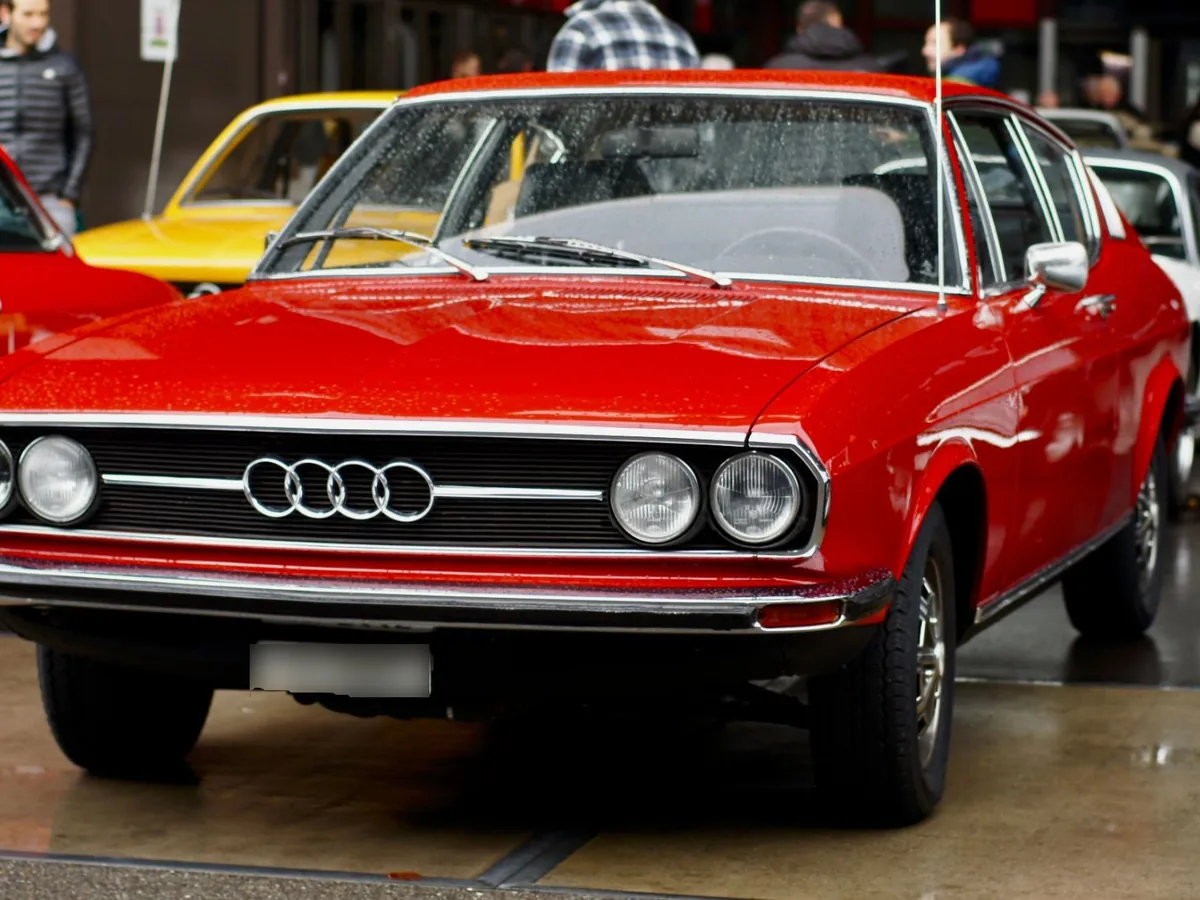
1969
1968
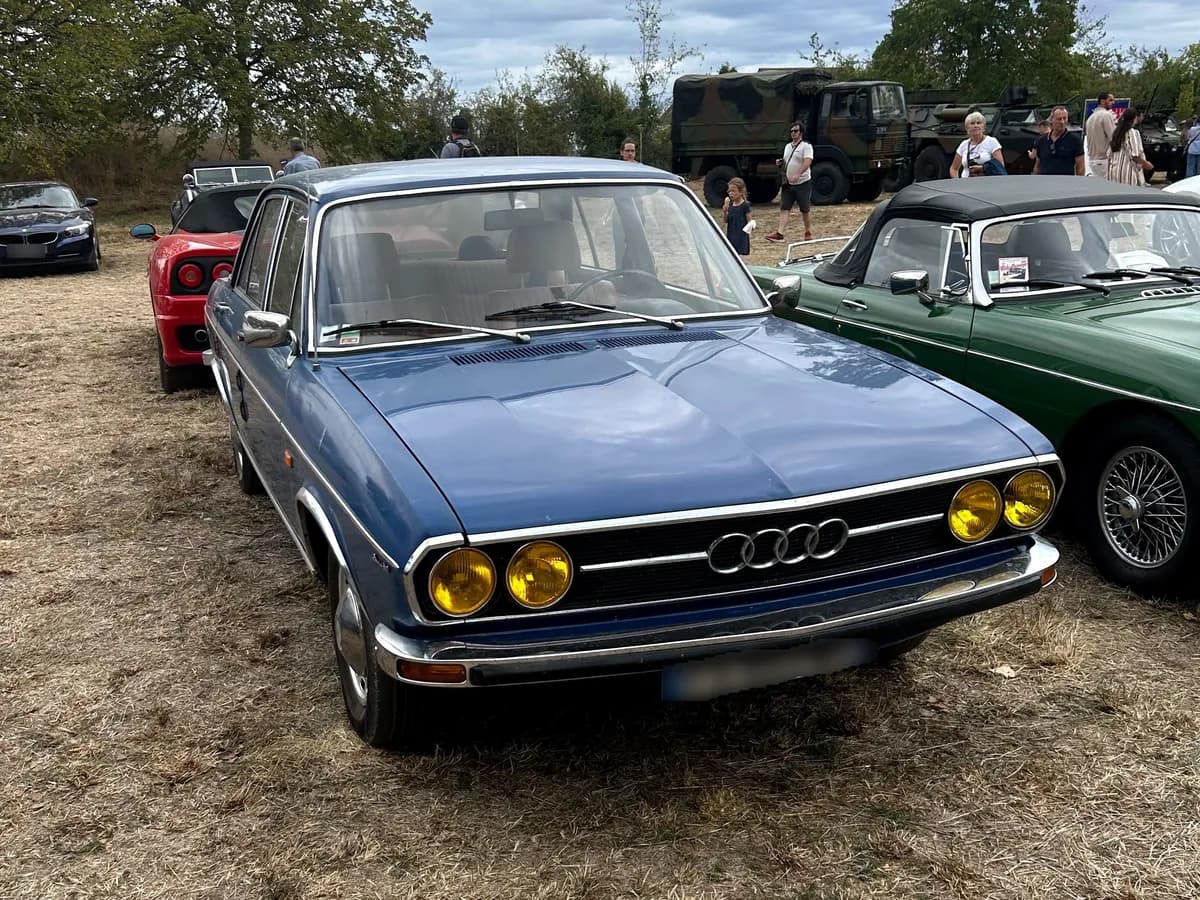
Audi 100 photos
Model summary
Data from the ScanRacer library, organized to compare versions quickly.
Model introduction
Introduced in 1968, the Audi 100 was the model that helped establish the brand’s long-term independence within the Volkswagen Group. This longitudinal-engine, front-wheel-drive executive car evolved through four generations, from C1 to C4, with sedan, coupé and Avant body styles offered at different stages. The second generation introduced Audi’s five-cylinder petrol engine, which became one of the company’s defining technical features, while the C3 stood out in the 1980s for its carefully optimized aerodynamics, fully galvanized body and the arrival of direct-injection diesel technology. In the ScanRacer library, the Audi 100 is covered from 1968 to 1990, with Avant, Sedan and Coupé variants represented according to the available model years.
History
The first Audi 100 was introduced in November 1968. Developed discreetly in Ingolstadt, it was not directly derived from the company’s earlier DKW foundations and quickly became essential to the brand’s future. The first generation, known as the C1, was offered as a two- or four-door sedan before the Coupé S appeared in 1970. The coupé used a sportier fastback profile and launched with a 1.9-liter four-cylinder engine producing 115 hp. Audi built approximately 30,687 Coupé S cars, helping explain its modern collector appeal. Introduced in 1976, the C2 expanded the range and moved the model further upmarket. From 1977, the Audi 100 GL 5E brought fuel-injected five-cylinder power to the series, while a five-door hatchback with a large tailgate joined the range as the Audi 100 Avant. The C3, launched in 1982, pushed the same concept further with a notably aerodynamic body. The C4 arrived in 1990 and continued the Audi 100 name until the series was renamed A6 in 1994.
Generations
The C1 covers 1968 to 1976. It is recognizable by its restrained styling, slim pillars and two- or four-door bodywork. The Coupé S, introduced in 1970, became the most distinctive derivative of the first generation. The C2 was unveiled in August 1976. It remained a front-wheel-drive car with a longitudinal engine, but gained more space, comfort and body-style options. The two- and four-door sedans were joined by a five-door Avant with a large tailgate from September 1977. The arrival of the GL 5E five-cylinder marked an important mechanical step for the series. The C3 appeared from 1982 and stood out through its exceptionally smooth shape and an advertised drag coefficient of 0.30. Audi also developed full body galvanization, five-cylinder diesel engines and, late in the decade, TDI technology for this generation. Avant and quattro versions broadened its practical and dynamic range. The C4 arrived in 1990. It introduced a more contemporary appearance and continued the model’s move toward the premium segment. Although it initially retained the Audi 100 name, this generation provided the direct transition to the Audi A6.
Key differences
The differences between generations are visible in both bodywork and engineering. The C1 is the most compact and simplest in presentation, with the Coupé S providing its strongest individual identity. The C2 looks larger and more comfort-oriented; its fuel-injected five-cylinder is one of its key developments. The C2 Avant uses a large tailgate and should not be confused with a conventional sedan with a separate trunk. The C3 is best identified by its highly aerodynamic shape, flush-fitting glass and more geometric styling. It also introduced major improvements in corrosion protection and diesel technology. The C4 looks more closely related to early-1990s Audi models and offers a more upscale finish. Model names, engines and equipment could differ by market, so precise identification should also consider the type code, production year and manufacturer plate.
Photo recognition
To identify an Audi 100, begin with the overall profile and body style. A C1 has a slim, traditional shape, while the Coupé S uses a fastback rear end and two-door bodywork. The C2 is recognizable by its larger glass area and, in Avant form, by its large rear tailgate. C2 sedans could be supplied with either two or four doors depending on configuration. The C3 has a notably smooth, streamlined body with glass integrated closely into the surrounding panels. Later examples may carry features associated with TDI technology or quattro drive, although neither was available across the entire range. The C4, introduced in 1990, looks broader and more modern, with front-end styling closer to Audi models of the 1990s. Bumpers, lighting details and engines varied by market, so these clues should be combined with the vehicle’s type code, year and documentation.
Important versions
The first Audi 100 and the Coupé S represent the origins of the family. The 1970 Coupé S was especially important to Audi’s sporting image and remains a sought-after version. Within the C2 range, the Audi 100 GL 5E introduced a fuel-injected five-cylinder petrol engine, listed by Audi Tradition as a 2.2-liter unit producing 136 hp. The C2 Avant broadened the model’s usefulness with its five-door body. The C3 is central to understanding Audi’s technical development: it combined advanced aerodynamics, a galvanized body, five-cylinder engines and, on selected versions, quattro drive. The C3 100 TDI demonstrated the arrival of turbocharged direct-injection diesel technology in the range. The C4, introduced in 1990, formed the final chapter under the Audi 100 name before the transition to the A6.
The name “100” follows Audi naming, with its rules and its exceptions. Decode a Audi name
References
- New book from Audi Tradition: Audi 100 Coupé SAudi MediaCenter
- Audi 100: Modelle, Technische Daten, PreiseADAC
- https://automobilisto.de/en/archive/audi/100automobilisto.de
- https://www.autobild.de/marken-modelle/audi/100/autobild.de
- https://www.audi-mediacenter.com/en/press-releases/new-book-from-audi-tradition-audi-100-coupe-s-17074/downloadaudi-mediacenter.com
Frequently asked questions
- What years was the Audi 100 produced?
- ScanRacer's referenced versions cover 1968 - 1990.
- How many Audi 100 examples are documented on ScanRacer?
- 3 published scans from 3 members, with the latest photo added in September 2026.
What about the car you photographed?
Upload a photo to get a suggested make, model and likely year.
No account needed for the result · Publish only if you choose