
Abarth
Founded in Turin on March 31, 1949, by Carlo Abarth and Guido Scagliarini, Abarth first became known for racing cars, exhaust systems, and tuning kits designed to improve the performance of production vehicles. The first car produced by Abarth & C. was the 204 A Roadster, based on the Fiat 1100. During the 1950s and 1960s, the company built its reputation around compact, lightweight, agile cars, with the Fiat Abarth 500, 750, and 850 becoming its best-known representatives. After Fiat acquired the company in 1971, the Abarth name remained linked to competition, technical preparation, and performance versions. The modern period includes models such as the 500, 595, 695, 124 Spider, 500e, Pulse, Fastback, and 600e, illustrating the brand’s transition from small-displacement combustion cars toward electrified performance models.
Models from A to Z
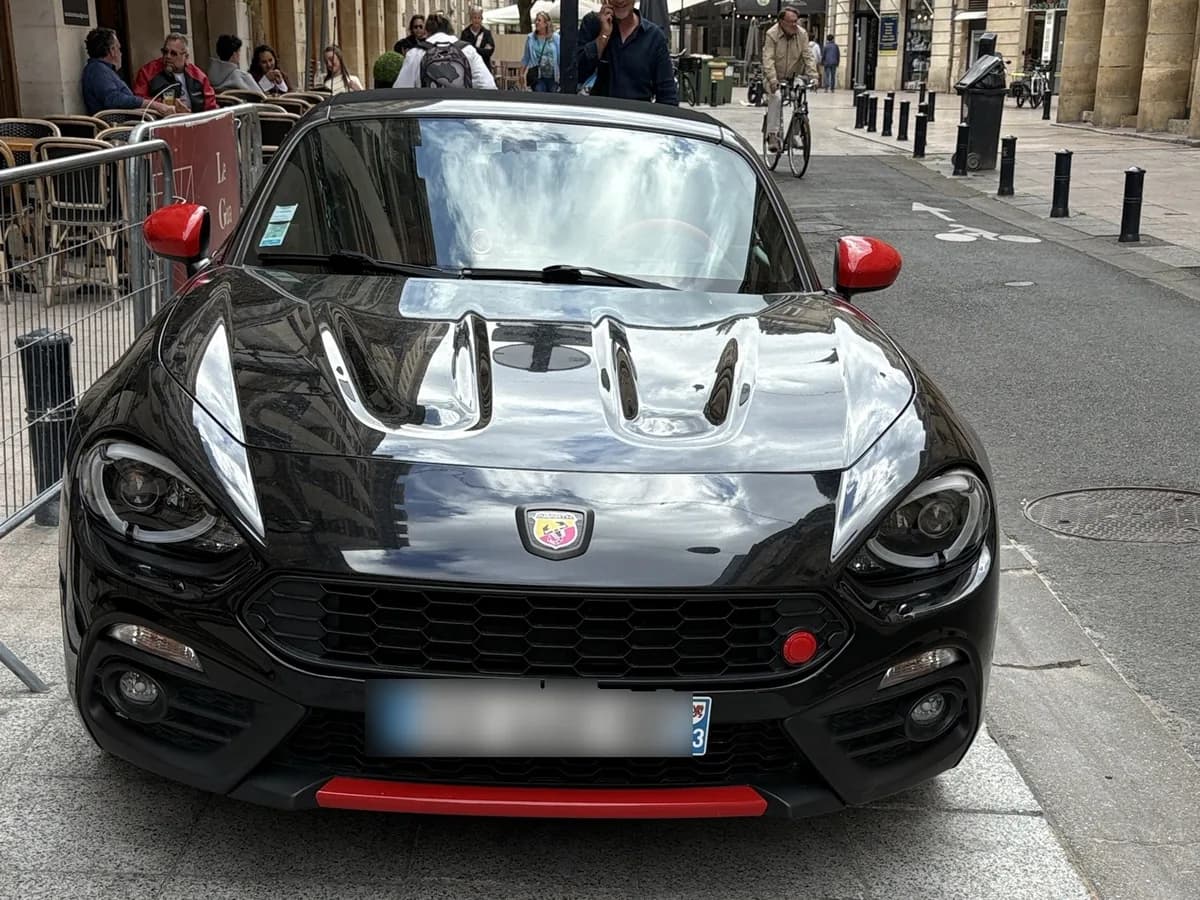
124
207A Boano Spyder Corsa
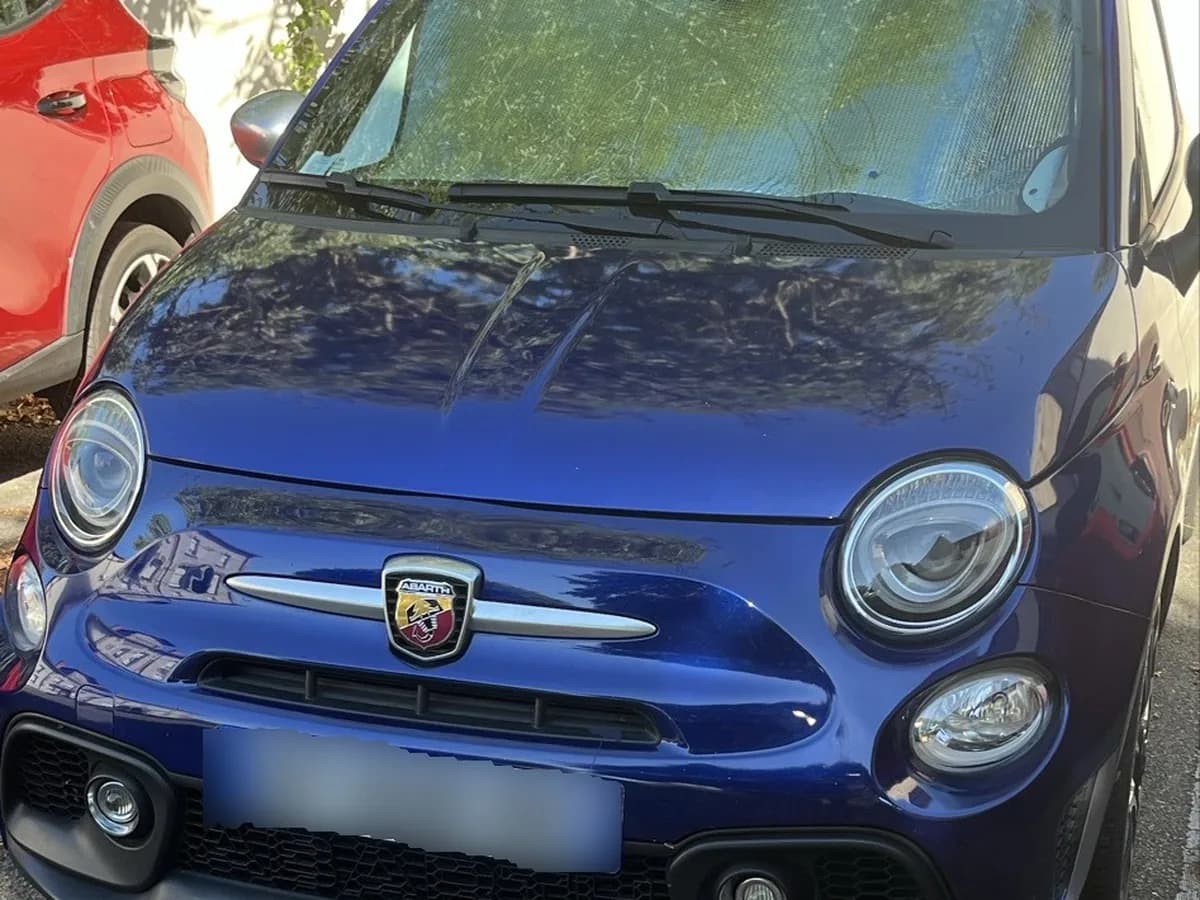
500-595-695

500e
600e
Fastback
Grande Punto
OT 1300
Pulse
Punto Evo
Abarth overview
Abarth history
Carlo Abarth, born in Austria, moved to Italy after a career in motorcycle and automobile competition. In 1949, he founded Abarth & C. with Guido Scagliarini. The company began by developing racing cars and mechanical components before making performance conversion kits widely known. This approach became a lasting part of the brand’s identity: start with a compact car, reduce weight, improve the engine, and sharpen the chassis and driving response. Abarth’s racing successes during the 1950s played a major role in establishing its reputation. The company worked extensively with Fiat-based cars using small-displacement engines, including the Fiat 500 and 600 and their Abarth 750 and 850 derivatives. Record cars, exhaust systems, hill-climb preparations, and competition programs all contributed to the marque’s image. More specialised projects, such as the 207A Boano Spyder Corsa and OT 1300, also demonstrate that Abarth’s early activity went beyond modifying ordinary road cars. Fiat acquired Abarth in 1971. The name subsequently became associated with the group’s sporting activities, including the Fiat 124 Abarth Rally and Fiat 131 Abarth Rally programs. After a quieter period, Abarth returned as a performance brand with the Grande Punto, Punto Evo, and especially the 500 family, later expanded through the 595 and 695. The 2016 124 Spider revived the two-seat roadster concept. Since 2022, the range has entered a new phase with the electric 500e and the more powerful 600e.
Abarth positioning
Abarth occupies a distinctive position in the automotive industry. The brand was not built primarily around large sports cars, but around compact vehicles modified to deliver more performance and personality. Its identity combines small dimensions, low weight, sharper mechanical response, and unmistakable visual details. This explains why the Fiat 500, 595, and 695 became central to the modern range. Abarth’s positioning has nevertheless changed over time. Early products were closely connected with racing and mechanical preparation. More recent models are generally performance derivatives of Fiat vehicles, with specific calibration or hardware for the engine, transmission, steering, brakes, wheels, tires, and exhaust system. In Brazil, the Pulse and Fastback extended this formula into the SUV segment. In Europe, the 500e and 600e demonstrate the brand’s move toward electric power while retaining an overtly sporty character. Abarth is therefore best understood as a performance interpretation of compact, mainstream-based vehicles rather than as a conventional grand-touring or supercar manufacturer.
Recognizing a Abarth in a photo
The clearest identification feature is the scorpion badge, usually found on the grille, tailgate, steering wheel, or wheel centers. Modern models also use a more assertive body design than their Fiat counterparts, including revised bumpers, larger air intakes, side skirts, spoilers, diffusers, and dedicated alloy wheels. The 500, 595, and 695 are often recognisable by their small hatchback shape, competition-inspired details, and twin exhaust outlets, although equipment differs by trim level and market. The Abarth 124 is easier to separate from a standard Fiat 124 Spider because of its two-seat roadster body, sportier exhaust system, aerodynamic additions, and the black hood offered on certain versions. Older Abarth cars require more careful inspection. Badges, the underlying Fiat model, coachbuilt bodywork, and period mechanical components can all be relevant clues. The 500e and 600e replace the traditional engine note with an electric powertrain and use dedicated Abarth badges, bumpers, wheels, and wider-looking body treatments. Market differences are important, so a single badge or color should not be treated as definitive proof of identity.
Important Abarth models
The models covered here represent several stages in Abarth’s development. The 207A Boano Spyder Corsa, listed in the library for 1955, reflects the period of competition cars and specialised coachbuilt bodies. The OT 1300, dated to 1965, belongs to a more ambitious generation of sports and racing cars. The 500-595-695 family forms the centre of Abarth’s modern revival. Based on the Fiat 500, it applies the brand’s traditional formula to a small production car through more power, revised chassis tuning, stronger brakes, sportier equipment, and a more aggressive appearance. The Grande Punto and Punto Evo show how the same concept was extended to larger hatchbacks, while the 2016 Abarth 124 brought the marque’s performance identity to a two-seat roadster. The newer models reflect Abarth’s geographic and technical expansion. The Pulse and Fastback were developed for Brazil, applying the scorpion treatment to SUV-shaped vehicles. The 500e became Abarth’s first fully electric model, introduced in 2022. The 600e continues that transition with a more powerful electric SUV and hardware aimed at sharper handling, while retaining the visual language and performance-oriented character associated with the brand.
References
- Abarth Cars | HistoryAbarth
- HeritageAbarth / FCA Heritage
- Abarth Celebrates 72nd AnniversaryStellantis Media
- More Abarth than ever: Abarth goes electric and more globalStellantis Media
- The New Abarth 600e, the most powerful Abarth everStellantis Media
- Fiat confirms the arrival of Abarth in BrazilStellantis Media
- Fastback Abarth recebe primeiros prêmios um mês após seu lançamentoStellantis Media
- https://www.abarth.com/end-of-line-modelsabarth.com