
Zastava
The Zastava page brings together the models, variants, and years available in the ScanRacer library. It acts as an entry point for exploring detailed pages, comparing generations, and finding community photos.
Models from A to Z
10
125PZ
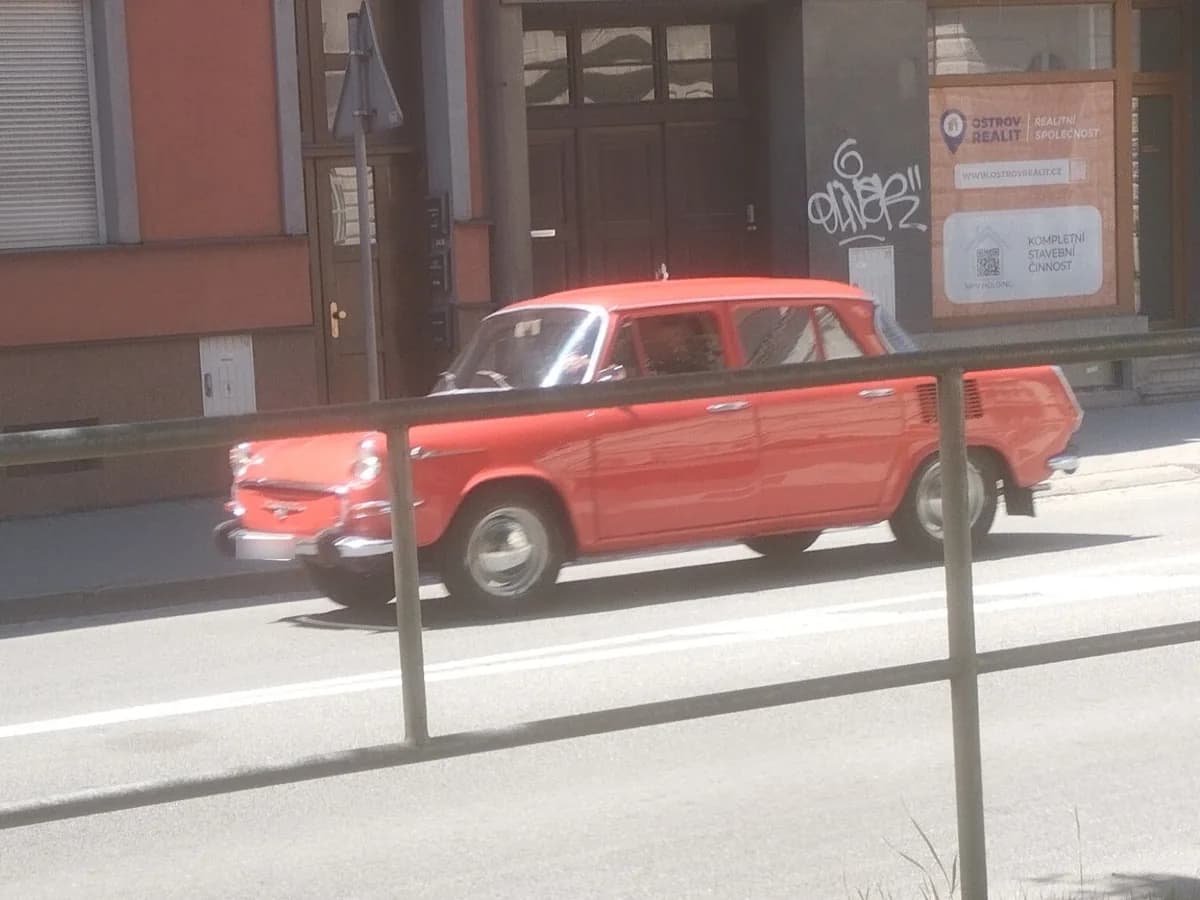
1300-1500
750
850 900 AK
AR 51 55
Florida
Skala
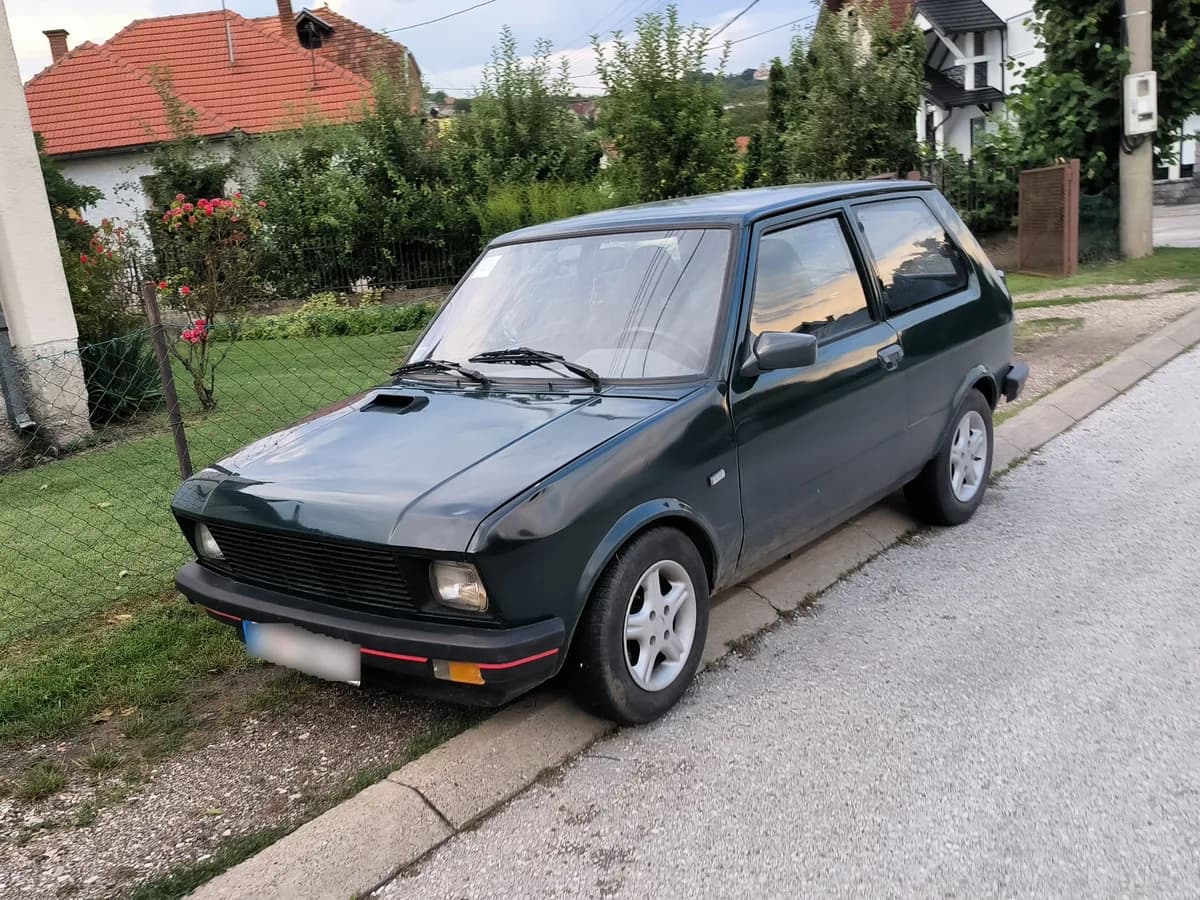
Yugo
Zastava overview
Zastava history
Founded in 1853 in Kragujevac, Serbia, Zastava began as a cannon foundry before diversifying into firearms production. In the 1930s, the company started assembling Ford-designed trucks for the Yugoslav Army. After World War II, Zastava signed a cooperation agreement with Fiat in 1954, beginning the assembly of models such as the Fiat 1400 and Fiat 1100 B. In 1955, production of the Fiat 600 under the name Zastava 750 commenced, with over 923,000 units produced by 1985. In the 1970s and 1980s, Zastava exported its compact models, notably the Yugo, to Western Europe, North and South America. Automobile production ceased in 2008, with the company being acquired by Fiat and renamed Fiat Automobili Srbija. (la-voiture.fr)
Zastava positioning
Zastava held a unique position in the automotive market, offering affordable vehicles tailored to local conditions. Its most iconic model, the Zastava 750, nicknamed "Fića," remained in production for 30 years, reflecting its popularity and reliability. The Yugo, exported under this name, was one of the most affordable European vehicles in the United States during the 1980s, although its reputation was marred by quality issues. Despite these challenges, Zastava left a lasting impact on the automotive industry, notably as the first Yugoslav car manufacturer to produce vehicles under Fiat license. (la-voiture.fr)
Recognizing a Zastava in a photo
To identify a Zastava, look for compact models with simple lines, often featuring design elements inspired by Fiat. The Zastava 750, for instance, is recognizable by its small size and square shape. The Yugo, on the other hand, showcases 1980s design characteristics, with a compact body and clean lines. The "Zastava" or "Yugo" badges are also key indicators. (la-voiture.fr)
Important Zastava models
Among Zastava's flagship models, the Zastava 750, nicknamed "Fića," is the most iconic, with over 923,000 units produced between 1955 and 1985. The Zastava 101, based on the Fiat 128, was produced for 37 years, from 1971 to 2008. The Yugo, exported under this name, was one of the most affordable European vehicles in the United States during the 1980s, although its reputation was marred by quality issues. The Zastava 10, produced in 2006, was a version of the Fiat Punto intended for the Serbian market. (la-voiture.fr)
References
- Histoire de la marque ZastavaLa Voiture
- https://www.wikicars.org/en/Zastavawikicars.org
- https://wikicars.org/en/Zastava_Koralwikicars.org
- https://carbaze.com/brand/zastavacarbaze.com
- https://automobile.fandom.com/wiki/Zastavaautomobile.fandom.com
- https://www.hobbydb.com/subjects/zastava-automobiles-brandhobbydb.com
- https://autowiki.fi/index.php/Zastavaautowiki.fi