
Beetle
The Volkswagen Beetle is one of the few cars whose basic silhouette remains instantly recognizable across several generations. Introduced as the Type 1 in the late 1930s, it was defined for decades by a rear-mounted, air-cooled flat-four engine and straightforward rear-wheel drive. Its international career extended far beyond German production: the original Beetle continued to be built in Mexico until 2003, with total production exceeding 21.5 million vehicles. Volkswagen later reinterpreted the shape through the New Beetle, launched in the late 1990s, and the lower, more dynamic Beetle introduced in 2011. Across its long history, the name has covered sedans, convertibles, modern coupes, and Dune versions developed with a leisure-oriented visual identity.
What about the car you photographed?
Upload a photo to get a suggested make, model and likely year.
No account needed for the result · Publish only if you choose
Variants by year
Make: Volkswagen · Model: Beetle
12 / 12 versions shown
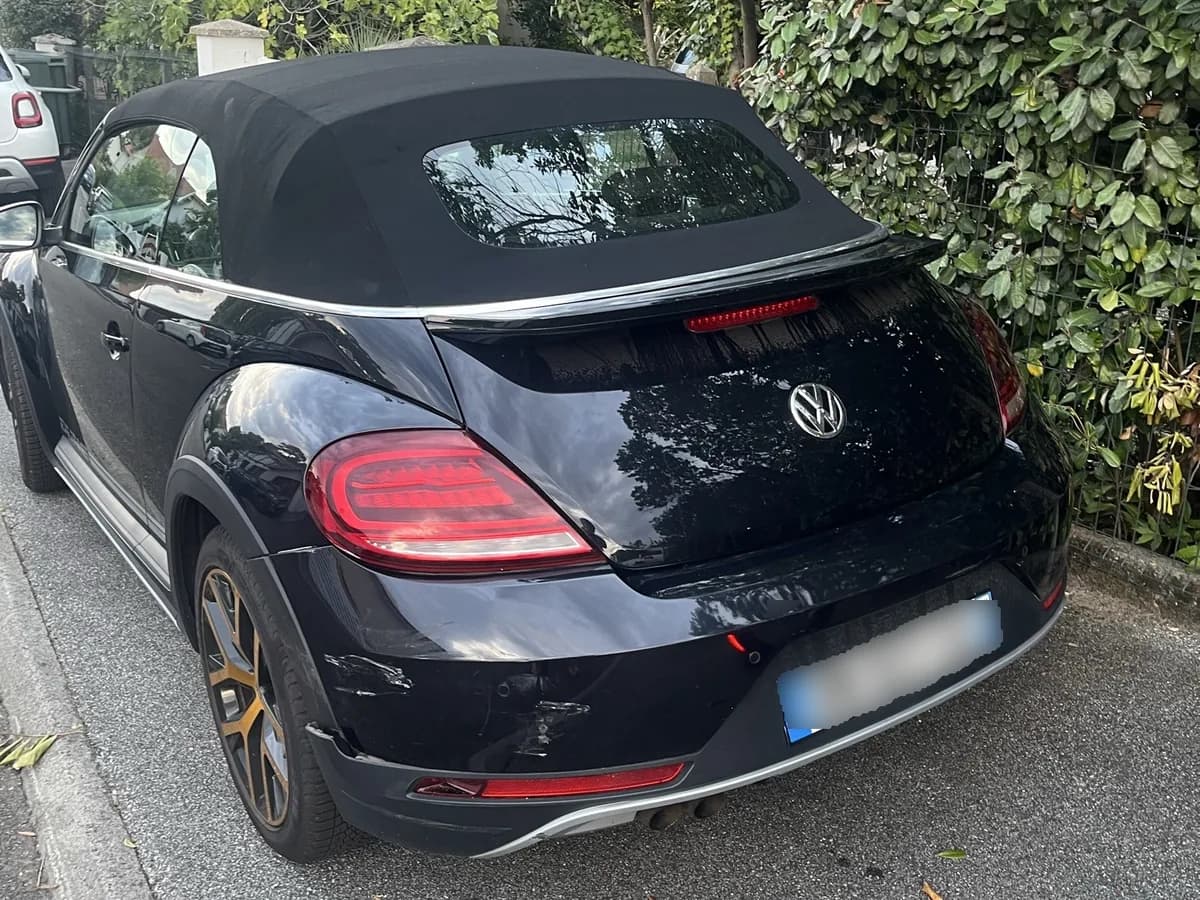
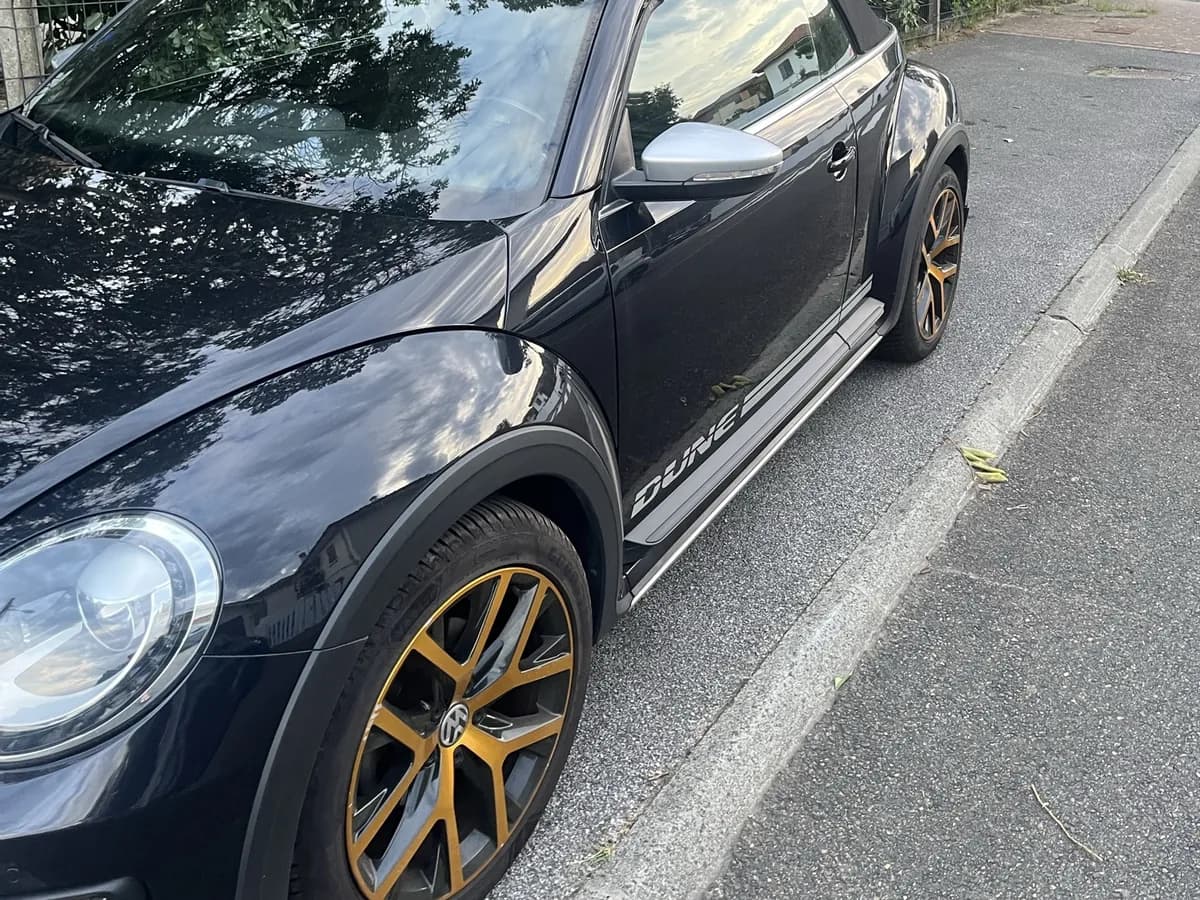
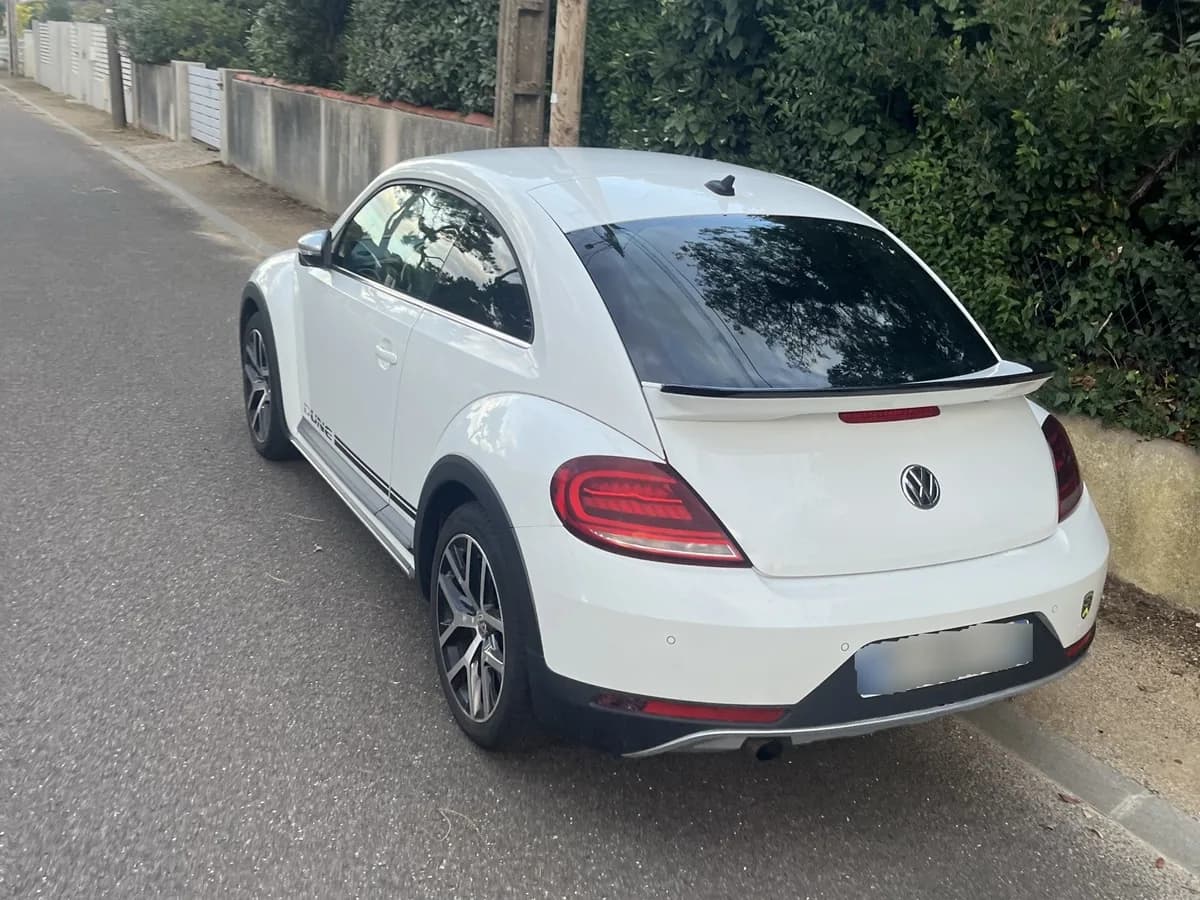
2016
2012
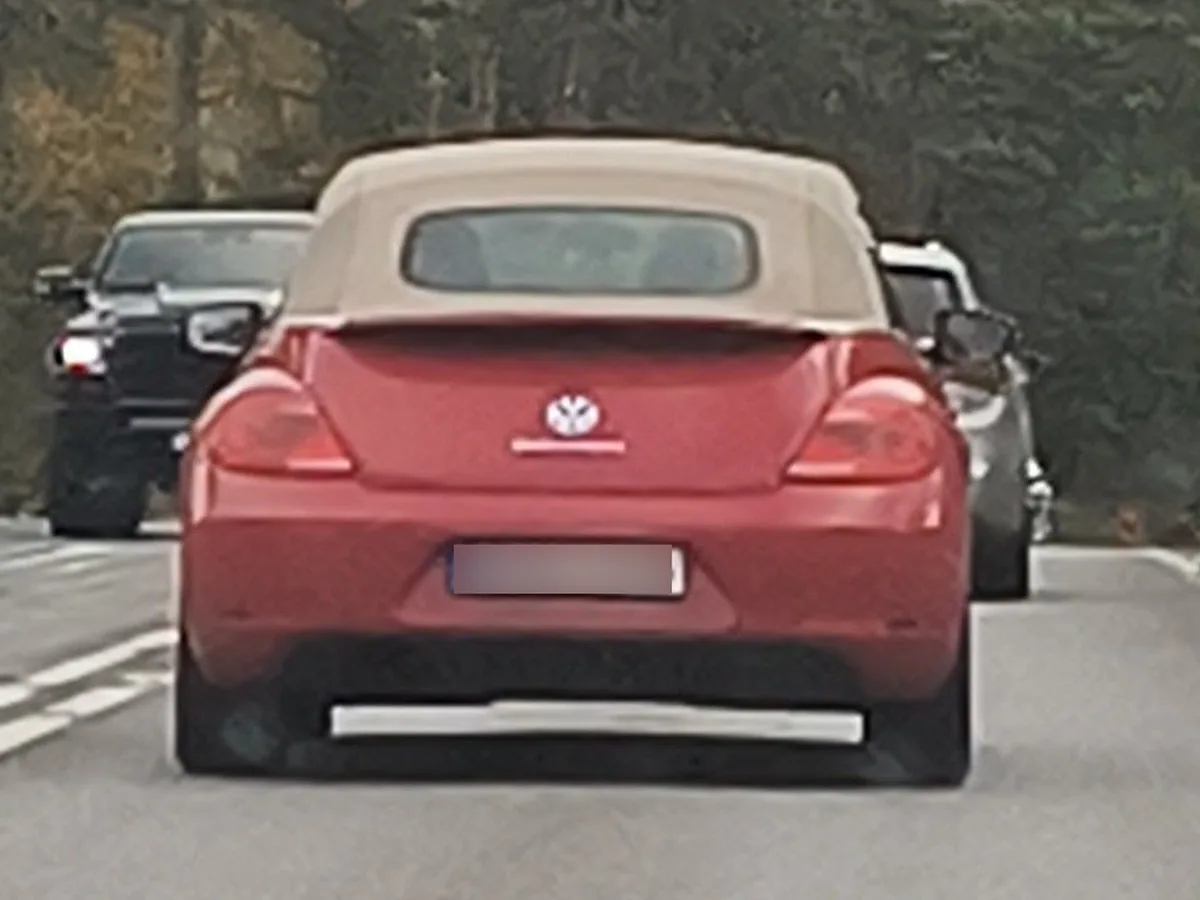
2011
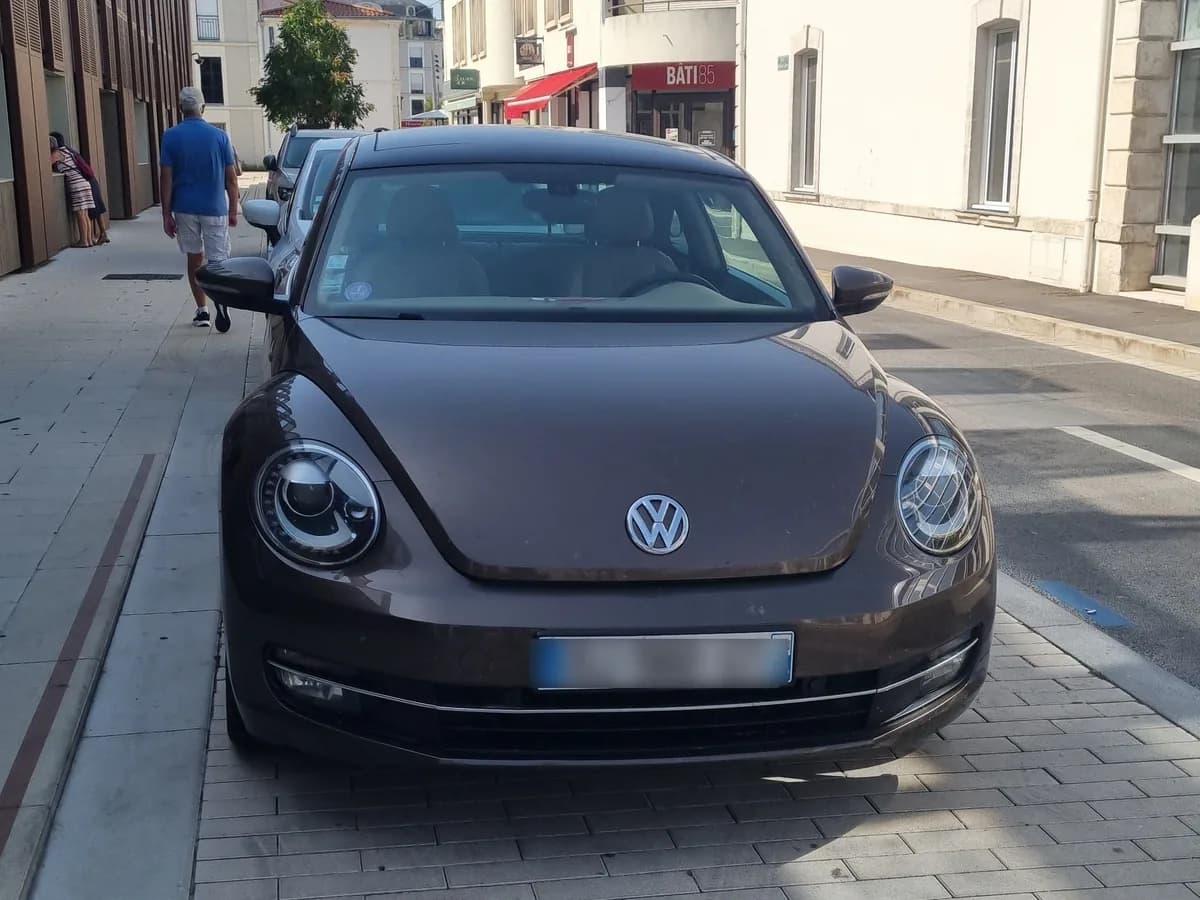
2006
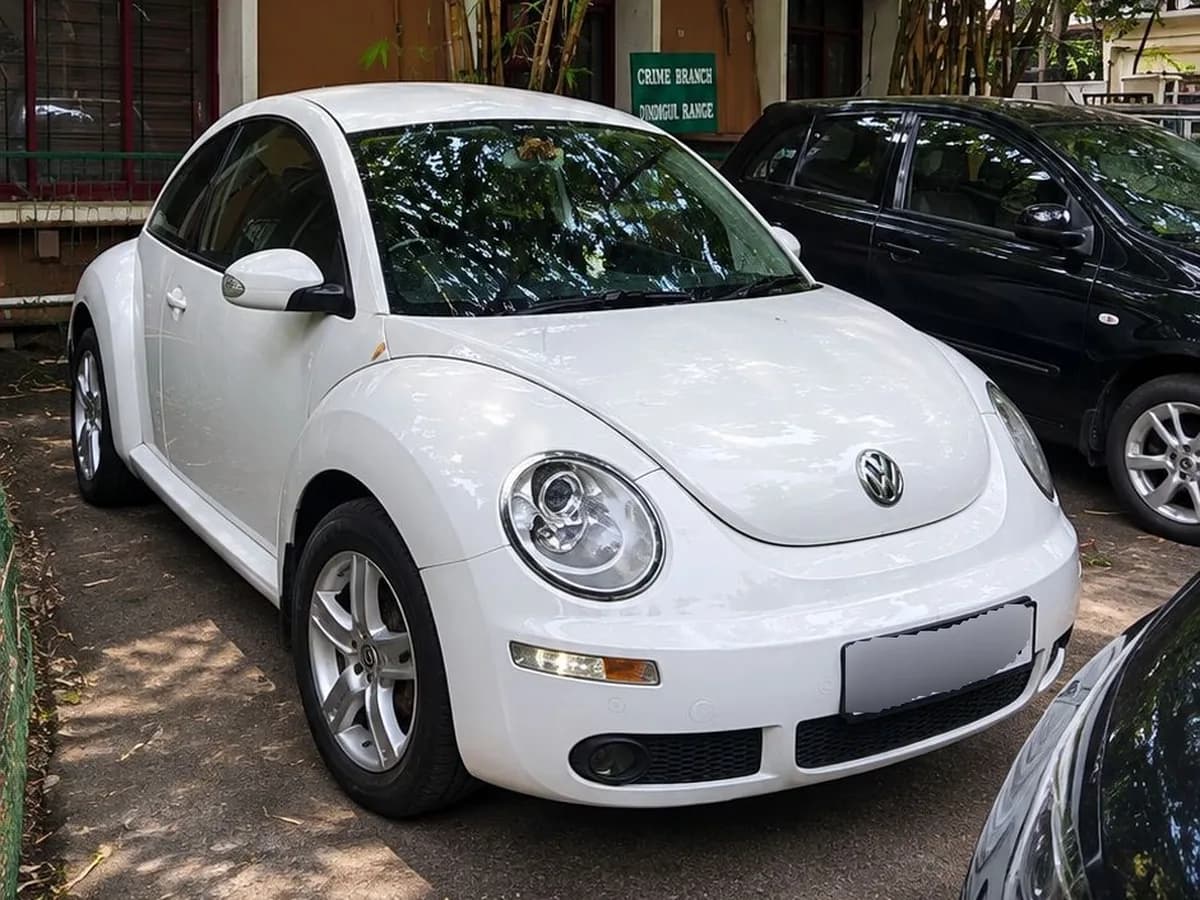 C
2000
1997
1948
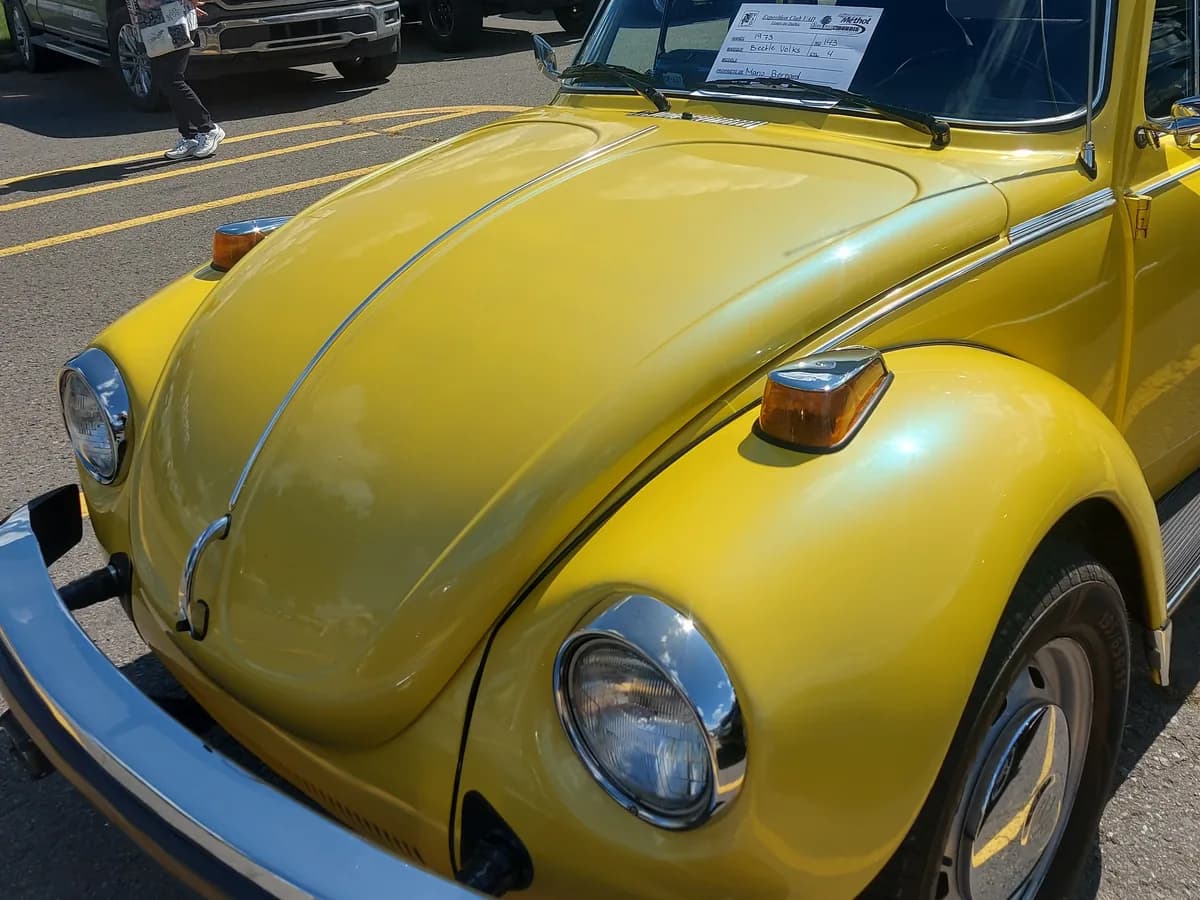
1938
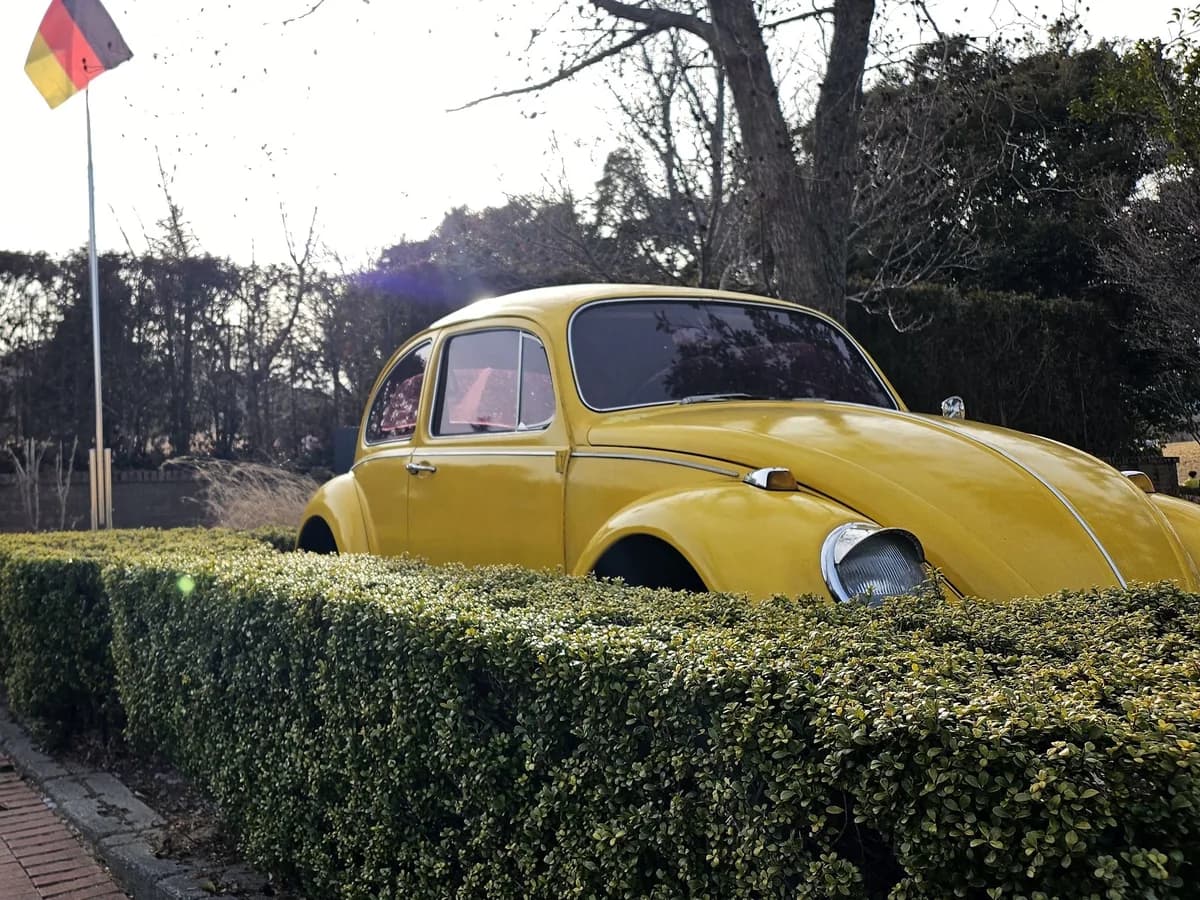
Volkswagen Beetle photos
Model summary
Data from the ScanRacer library, organized to compare versions quickly.
Model introduction
The Volkswagen Beetle is one of the few cars whose basic silhouette remains instantly recognizable across several generations. Introduced as the Type 1 in the late 1930s, it was defined for decades by a rear-mounted, air-cooled flat-four engine and straightforward rear-wheel drive. Its international career extended far beyond German production: the original Beetle continued to be built in Mexico until 2003, with total production exceeding 21.5 million vehicles. Volkswagen later reinterpreted the shape through the New Beetle, launched in the late 1990s, and the lower, more dynamic Beetle introduced in 2011. Across its long history, the name has covered sedans, convertibles, modern coupes, and Dune versions developed with a leisure-oriented visual identity.
History
The popular-car project associated with Ferdinand Porsche took shape before the Second World War, but mass production for civilian customers truly began after 1945. The Type 1 quickly became Volkswagen’s core model and helped motorize post-war Germany. Its design emphasized simplicity: a rear-mounted, longitudinally installed air-cooled flat-four engine, rear-wheel drive, and a rounded two-box body with separate fenders. Over time, the car gained more powerful engines, improved ventilation, upgraded brakes, and safety equipment tailored to export markets. In 1972, the Beetle overtook the Ford Model T’s production record. Sedan production ended at Wolfsburg in 1974, while German production concluded in 1978. The Karmann-built convertible continued until 1980, and manufacturing carried on in Latin America. The final original Type 1 left Volkswagen’s Puebla plant on July 30, 2003. The name returned with the New Beetle, produced from 1997 and introduced to customers in 1998. Technically based on the Golf IV, it used a transversely mounted, water-cooled engine and front-wheel drive rather than the original car’s rear-engine layout. The Beetle introduced in 2011 adopted lower, sportier proportions before production ended permanently in 2019.
Generations
The first major family is the classic Beetle, generally identified as the Volkswagen Type 1. It includes the post-war sedans and convertibles developed with coachbuilders Hebmüller and Karmann. Commercial designations such as 1200, 1300, and 1500 indicate successive engine and equipment developments. The 1302 introduced revised front suspension and a larger front luggage compartment in 1970, while the 1303 of 1972 can be identified by its panoramic windshield, padded dashboard, and enlarged rear lamps. The second family is the New Beetle, produced from 1997 to 2010. Its styling recalls the original car’s separate fenders, round headlights, and rounded profile, but its engineering belongs to the Golf era: a transverse engine, liquid cooling, and front-wheel drive. A convertible joined the range in 2003. The third family is the Beetle launched in 2011 and produced until 2019. Longer, wider, and lower than the New Beetle, it retained the historic visual cues while adopting a more sharply defined and dynamic body. A convertible followed in 2012. Dune versions, offered as both coupe and convertible, added raised-looking styling and a more recreational character but should be viewed as derivatives rather than a separate generation.
Key differences
The most important distinction separates the classic Beetle from the two modern generations. The Type 1 uses a rear-mounted, air-cooled four-cylinder flat-four engine driving the rear wheels. This layout explains its relatively short front hood, front luggage compartment, and lack of a conventional grille. The New Beetle abandons that architecture: its engine is mounted transversely at the front, uses liquid cooling, and drives the front wheels. Despite its retro appearance, it shares its technical foundation with the Golf IV. The Beetle introduced in 2011 retains front-wheel drive and water-cooled engines, but its styling is less toy-like than the New Beetle’s. Its roof is lower, its hood is longer, and its windshield is set farther back. Modern convertibles use a soft top and integrated rollover protection systems, whereas the classic convertibles retain the Type 1’s rear-engine mechanical layout. Dune versions are primarily differentiated by raised-looking exterior treatment and a leisure-oriented design rather than by a separate mechanical generation.
Photo recognition
To identify a classic Beetle, look first for separate fenders, round headlights, a short front hood, and cooling vents in the rear engine lid. Earlier cars have smaller rear lamps and a more upright windshield. The 1303 models introduced in 1972 are easier to distinguish through their curved panoramic windshield, enlarged rear lamps often called “elephant feet,” and padded dashboard. A classic convertible retains the Type 1’s compact proportions and rear-engine body structure beneath its folding fabric roof. The New Beetle has a highly rounded profile that can appear to form three overlapping circles, with prominent fenders, round headlights, and, on many cars, a flower vase on the dashboard. The Beetle launched in 2011 is lower and wider: its hood looks longer, its roof is flatter, and its body lines are more horizontal. Dune versions generally add tougher-looking trim, contrasting exterior details, and styling cues associated with recreational or light off-road use.
Important versions
Among the historic versions, the 1970 1302 represents a major development with revised front suspension and a larger front luggage compartment. The 1303 introduced in 1972 was the final major evolution of the classic sedan, while the 1303 Cabriolet extended convertible production until 1980. The New Beetle, produced from 1997 and launched commercially in 1998, was the first modern reinterpretation and gained a convertible in 2003. The Beetle introduced in 2011 adopted a sportier design, followed by a convertible in 2012. Dune derivatives, available as coupe and convertible around 2015-2016, emphasized a more adventurous appearance.
The name “Beetle” follows Volkswagen naming, with its rules and its exceptions. Decode a Volkswagen name
References
- Beetle (Käfer)Volkswagen Newsroom
- The Volkswagen Beetle – A Success StoryVolkswagen Newsroom
- Beetle (Käfer) 1303Volkswagen Newsroom
- Beetle (Käfer) 1303 CabrioletVolkswagen Newsroom
- New Beetle (1997–2010)Volkswagen Newsroom
- BeetleVolkswagen Newsroom
- The Beetle – International Driving PresentationVolkswagen Newsroom
- Vehicle data Beetle (Käfer) 1303 Cabriolet profileVolkswagen Newsroom
Technical specifications
Structured data available for versions linked to this model.
| Version | Power | Torque | Top speed | Drivetrain | Fuel |
|---|---|---|---|---|---|
| — | 22.5 hp at 3,000 rpm | — | — | Rear-wheel drive / 4-speed manual | — |
Frequently asked questions
- What years was the Volkswagen Beetle produced?
- ScanRacer's referenced versions cover 1938 - 2016.
- How many Volkswagen Beetle examples are documented on ScanRacer?
- 26 published scans from 18 members, with the latest photo added in October 2026.
- What is the power output of the Volkswagen Beetle?
- The sourced technical data lists 22.5 hp at 3,000 rpm.
What about the car you photographed?
Upload a photo to get a suggested make, model and likely year.
No account needed for the result · Publish only if you choose