
Vauxhall
Vauxhall built its first automobile in 1903 and remains one of the oldest surviving car brands in the United Kingdom. The company moved to Luton from 1905, where it became a major force in British manufacturing through passenger cars, commercial vehicles and engineering. Its history includes post-war saloons and tourers such as the Velox and Cresta, popular compact cars including the Viva, Astra and Corsa, and performance-focused models such as the VXR8. Since 2017, Vauxhall has operated within Groupe PSA, which became part of Stellantis in 2021. More recent products reflect the brand’s move towards electrification, with electric versions of the Corsa and Astra. Vauxhall vehicles are commonly identified by the Griffin emblem and by the company’s long industrial connection with Luton. Across its range, the brand combines British market identity with close technical links to Opel and wider European vehicle programmes.
Models from A to Z
12
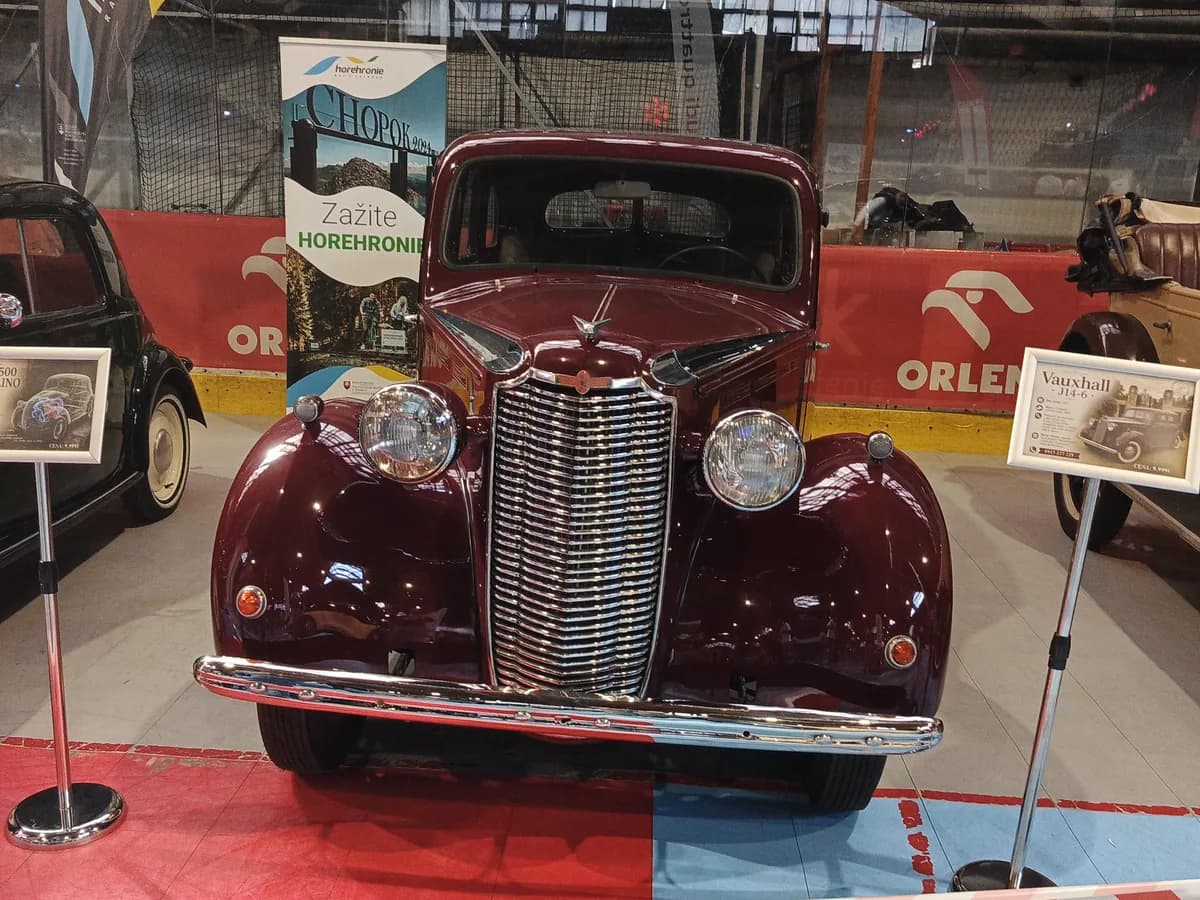
14-6
Adam
Agila
Ampera
Antara
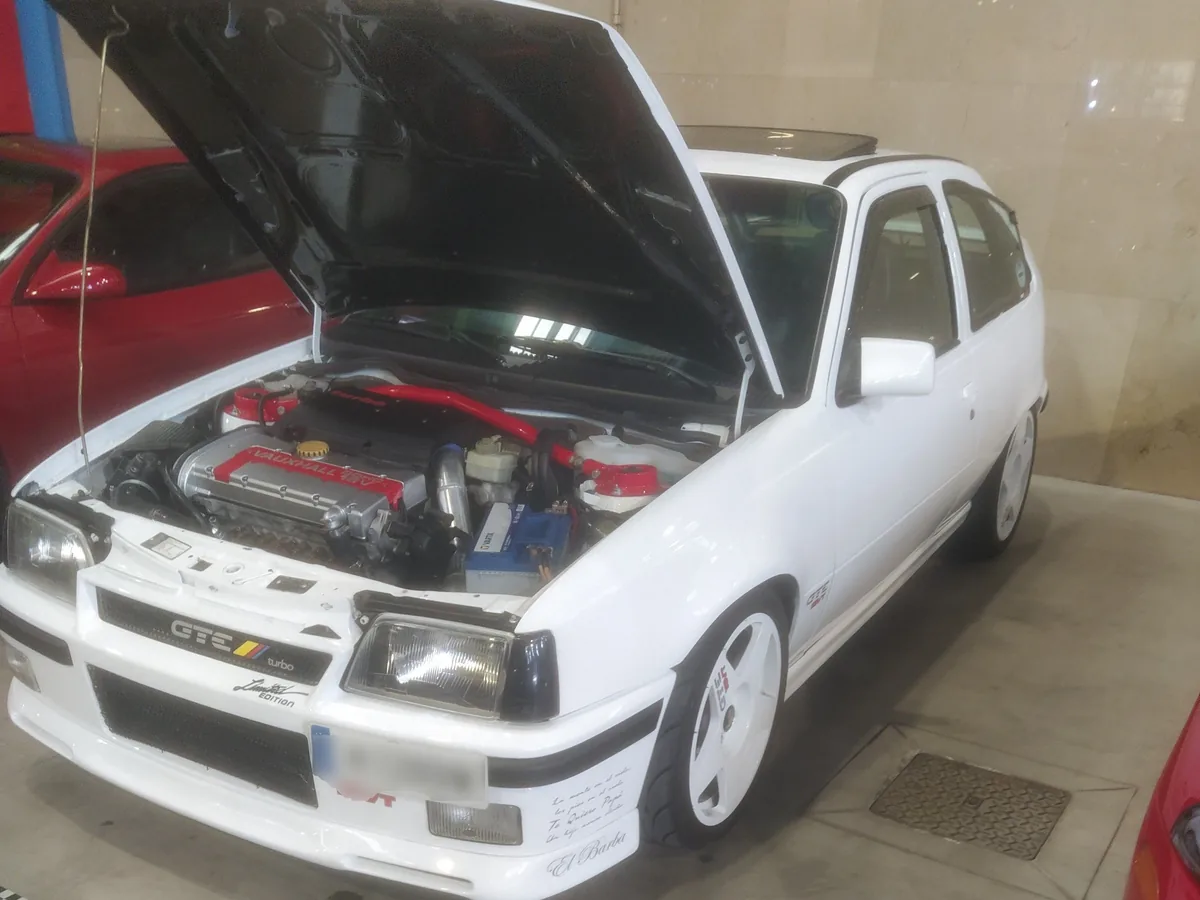
Astra
Belmont
Brava
C-Type «Prince Henry»
Calibra
Carlton
Cascada
Cavalier
Chevette
Combo
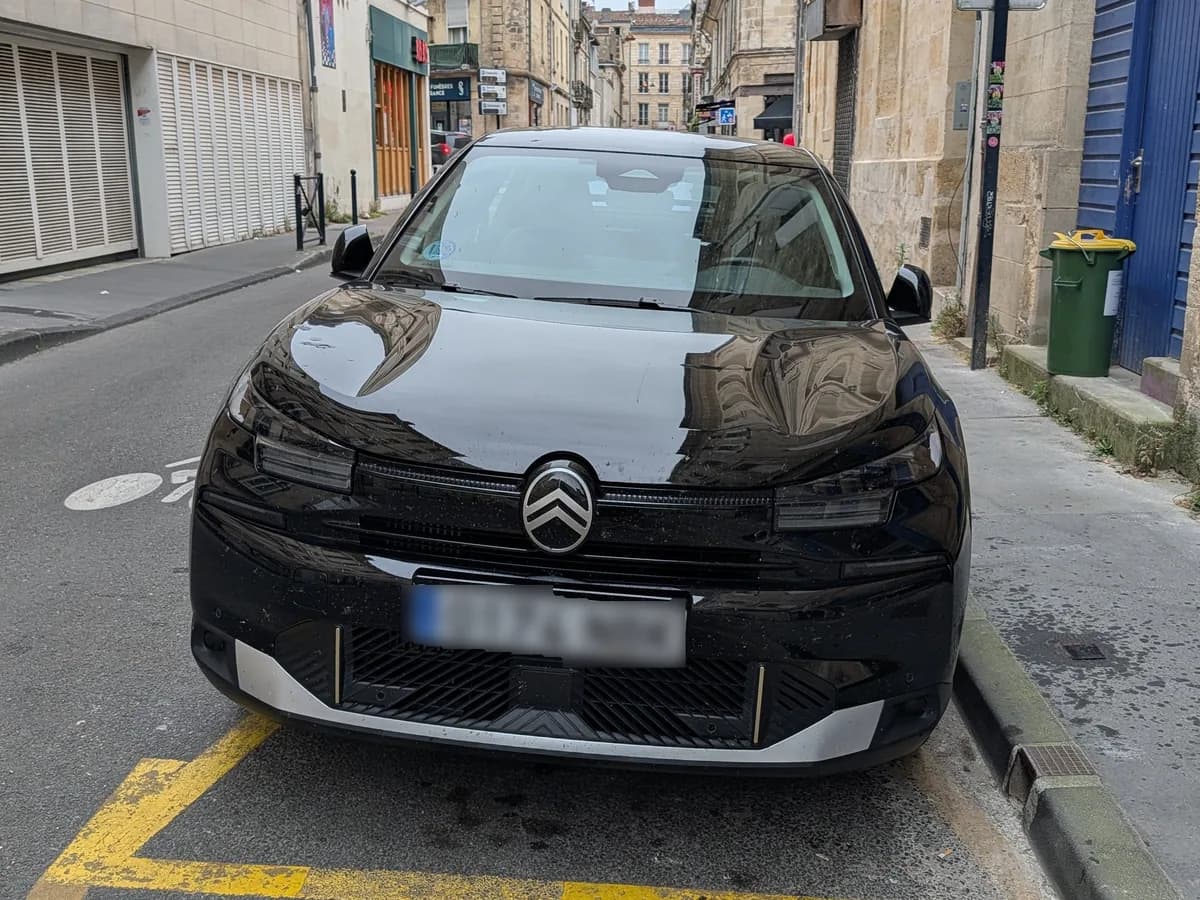
Corsa
Cresta
Crossland
Firenza
Frontera
Grandland
Insignia
Lotus Carlton
Magnum
Meriva
Mokka
Monaro
Monterey
Nova
Omega
Rascal
Royale
Senator
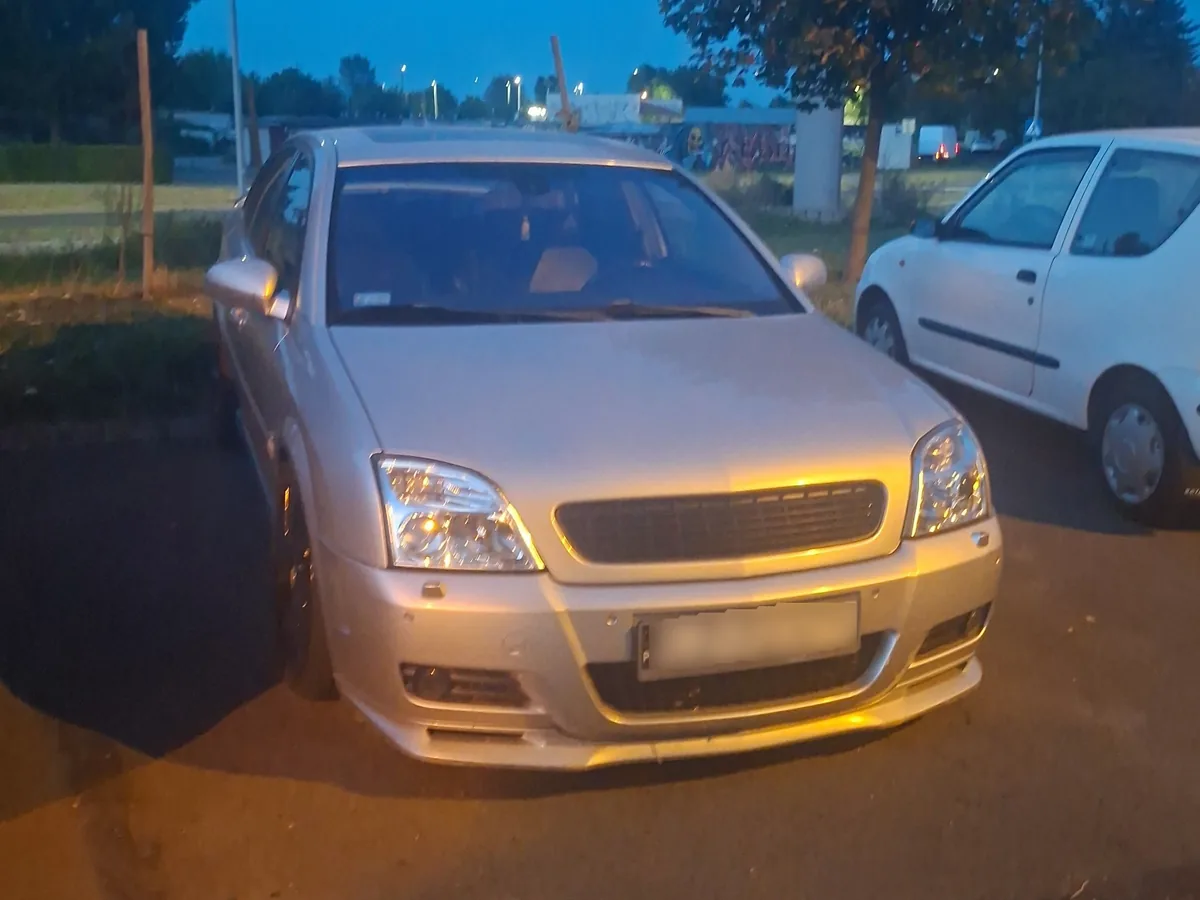
Signum
Sintra
Tigra
Vectra
Velox
Ventora
Viceroy
Victor
Viva
Vivaro
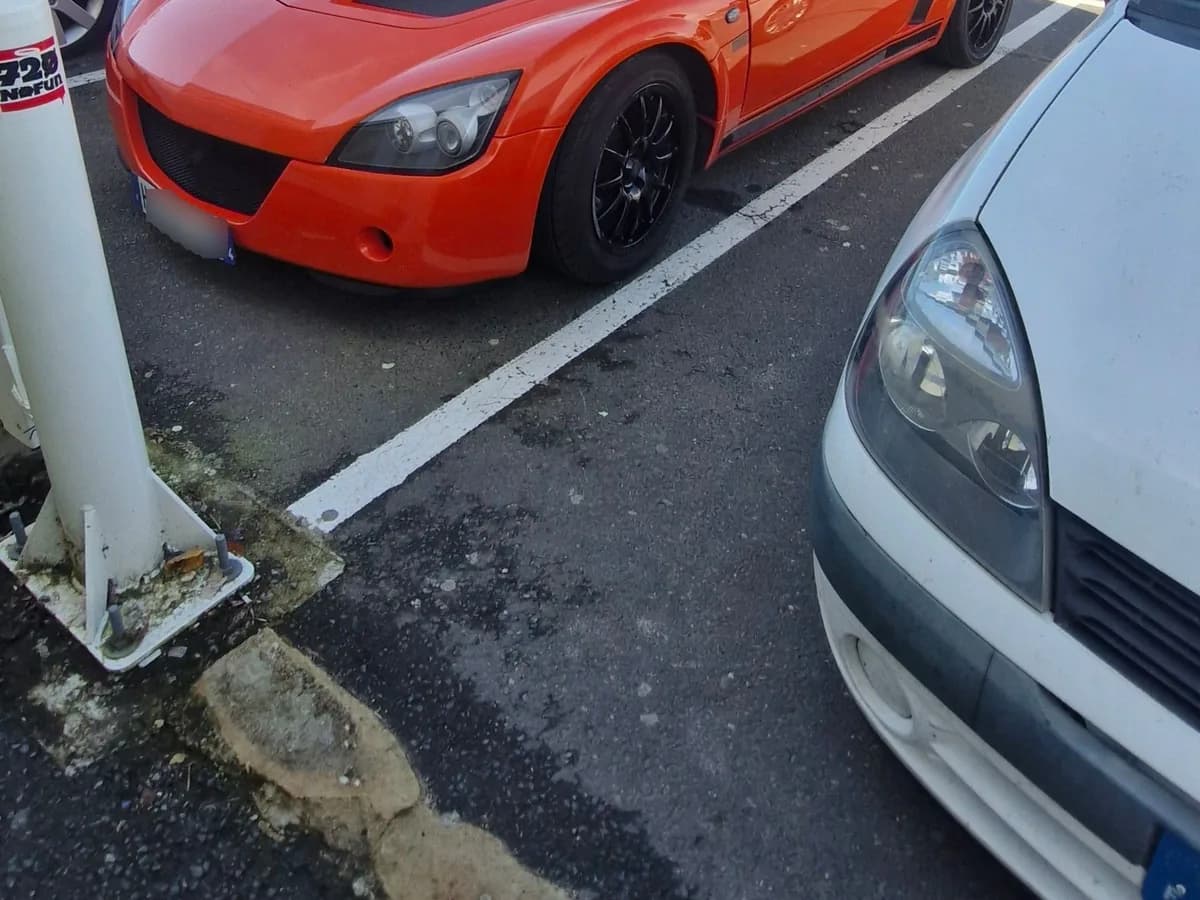
VX220
VXR8
Wyvern
Zafira
Vauxhall overview
Vauxhall history
Vauxhall traces its origins to an engineering company founded in 1857 in London’s Vauxhall district. The automotive marque emerged at the beginning of the twentieth century: Vauxhall states that its first model was built in 1903. The company moved to Luton in 1905 and began making motor cars there in 1907. That location became central to its industrial identity and contributed significantly to the town’s economic development. During the Second World War, Vauxhall supported national production by building Bedford trucks, Churchill tanks and other military equipment. General Motors acquired control of Vauxhall in 1925, beginning a long period of integration with Opel and GM’s European operations. After decades under GM ownership, Opel and Vauxhall were acquired by Groupe PSA in 2017. The merger between Groupe PSA and Fiat Chrysler Automobiles created Stellantis in January 2021. Within that structure, Vauxhall retains its British market identity while sharing many technical foundations and vehicle families with Opel. Its more recent history has been shaped by the gradual electrification of models such as the Corsa and Astra, alongside the development of electric commercial vehicles and SUVs.
Vauxhall positioning
Vauxhall has traditionally positioned itself as a mainstream brand for the British market, offering everything from affordable small cars to family saloons, estates, recreational vehicles and vans. Its Luton manufacturing connection gave the company a distinctive industrial and social role in the United Kingdom, while its ownership by General Motors strengthened its relationship with Opel and broader European programmes. This combination explains why many Vauxhall models have close technical counterparts under the Opel name, while retaining market-specific badges, equipment and presentation for Britain. The Astra and Corsa represent the clearest expression of the mainstream strategy: the Astra serves the compact family-car sector, while the Corsa occupies the supermini class. At the performance end of the range, the VXR8 provided a more specialised and enthusiast-oriented identity, drawing on Australian Holden engineering and production. Under Stellantis, Vauxhall’s positioning has increasingly incorporated electrification, while continuing to address the family, fleet and commercial uses that have long been central to the brand.
Recognizing a Vauxhall in a photo
The first visual clue is the Griffin emblem, usually positioned at the centre of the grille or on the bonnet depending on the generation. Modern cars should also be identified through their lighting signature, grille treatment and model name, because Vauxhall vehicles may share body structures and silhouettes with Opel models sold in other markets. The Astra is typically recognisable as a compact family car offered through different generations as a hatchback, saloon or estate, while the Corsa has shorter proportions and a clear supermini profile. Older cars often feature large glass areas, extensive chrome and three-box bodywork, traits associated with post-war models such as the Velox. Performance versions may carry GTE, GSi or VXR branding, together with unique bumpers, wider wheels and stronger engines. The VXR8 stands apart through its large-saloon dimensions, muscular styling and quad exhaust outlets. Identification should always be checked against the production year, since badges, grilles, lamps and body details changed substantially between generations.
Important Vauxhall models
The Astra is one of Vauxhall’s core nameplates. Introduced at the end of the 1970s, it developed from a front-wheel-drive compact car into a broader family of hatchbacks, estates and performance derivatives. The Corsa, launched in Britain as the Nova in 1982 before adopting the Corsa badge in 1993, became the brand’s most recognisable supermini. The Cavalier served as a major family-saloon nameplate for several generations, while the Insignia later occupied a larger and more technology-focused position. The Viva marks another important chapter: the compact car first appeared in the 1960s and the name was revived in the twenty-first century. The VXR8 is a distinctive outlier, offering a high-performance large saloon connected to Holden’s Australian engineering and production. Historic models such as the Velox, Wyvern and Ventora reflect the period when Vauxhall specialised in substantial British cars, often with six-cylinder engines. The Frontera adds a practical, family-oriented dimension through its long association with versatile utility vehicles and SUVs.
References
- Evolving & Innovating For Over 100 YearsVauxhall
- Vauxhall Motors Offices, LutonHistoric England
- Curating Luton Heritage StrategyLuton Borough Council
- Birth of a European Champion: Opel and Vauxhall Join Groupe PSAStellantis Media
- Vauxhall Motors Ltd & IBC Vehicles Ltd Gender Pay Gap Results 2024Vauxhall
- All Roads Lead to a Multi-Million Bestseller: Vauxhall Corsa Through the YearsStellantis Media
- Vauxhall Astra & Astra Sports Tourer Press InformationStellantis Media
- Vauxhall Celebrates 25 Years of Heritage CentreStellantis Media