
Skoda
Founded in Mladá Boleslav in 1895 by Václav Laurin and Václav Klement, Skoda began with bicycles before moving into motorcycles in 1899 and automobiles in 1905. The Voiturette A marked the company’s entry into car production, while the 1925 merger with the Skoda Works in Plzeň established the name and industrial framework associated with the modern brand. After the post-war era of popular cars and rear-engined saloons, the 1987 Favorit became a crucial front-wheel-drive step forward. Volkswagen’s partnership in 1991 then accelerated Skoda’s technical and commercial development. The modern Octavia, Fabia and Superb became the core of the range, joined by SUVs and electrified models. Across its history, Skoda has produced compact cars, family estates, sporting coupés, executive saloons and practical vehicles aimed at broad everyday use.
Models from A to Z
100
1000
1000 1100 MB
105
110
1101
1101-1102
1102
120
1200-1201

1202
125
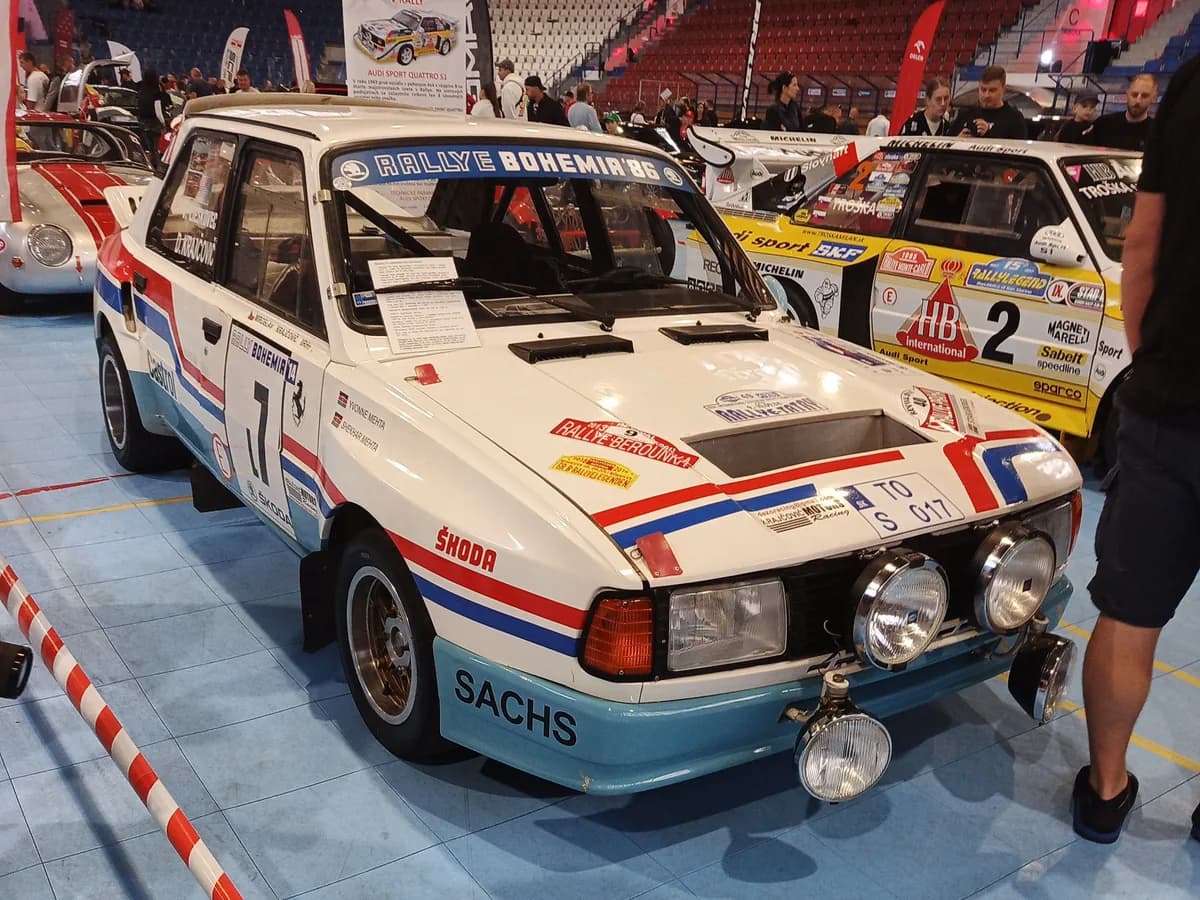
130
440
450
706
860
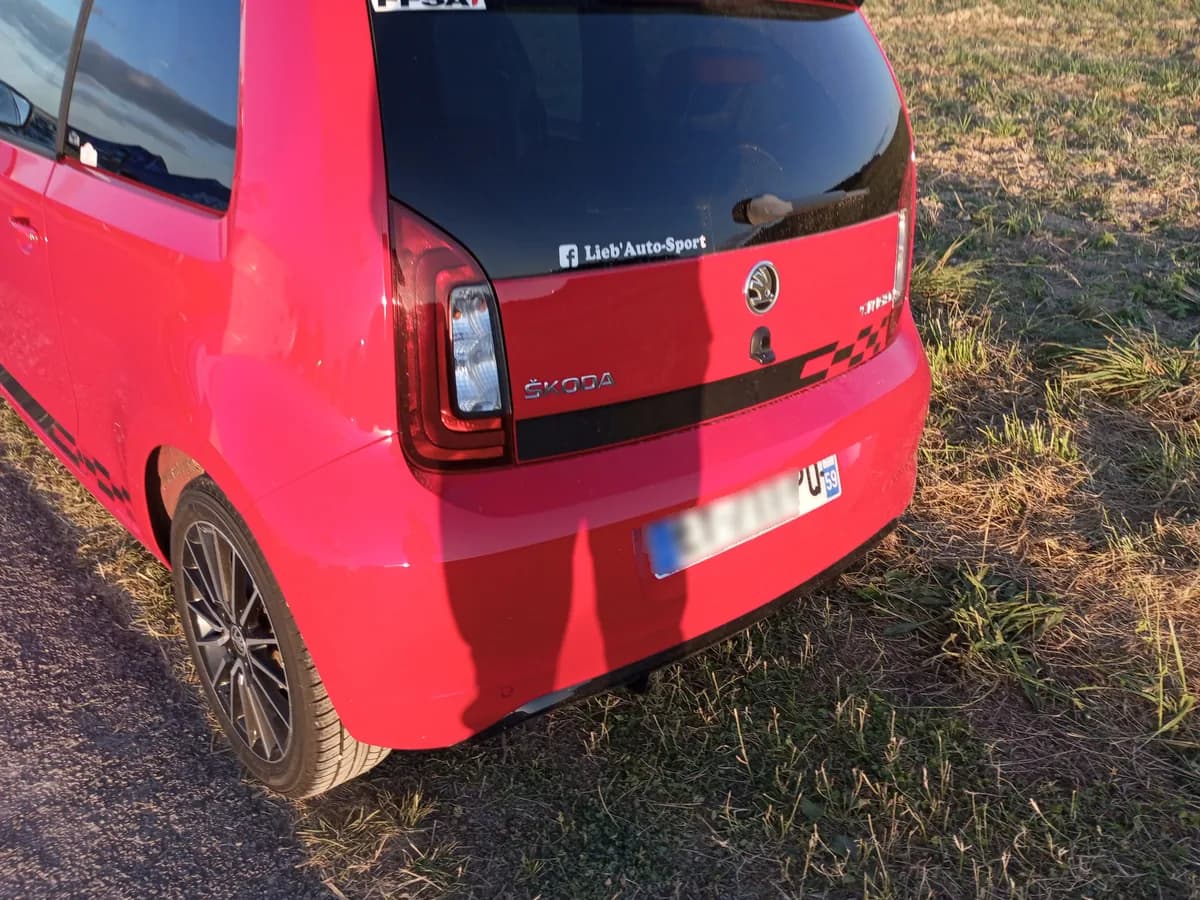
Citigo
Elroq
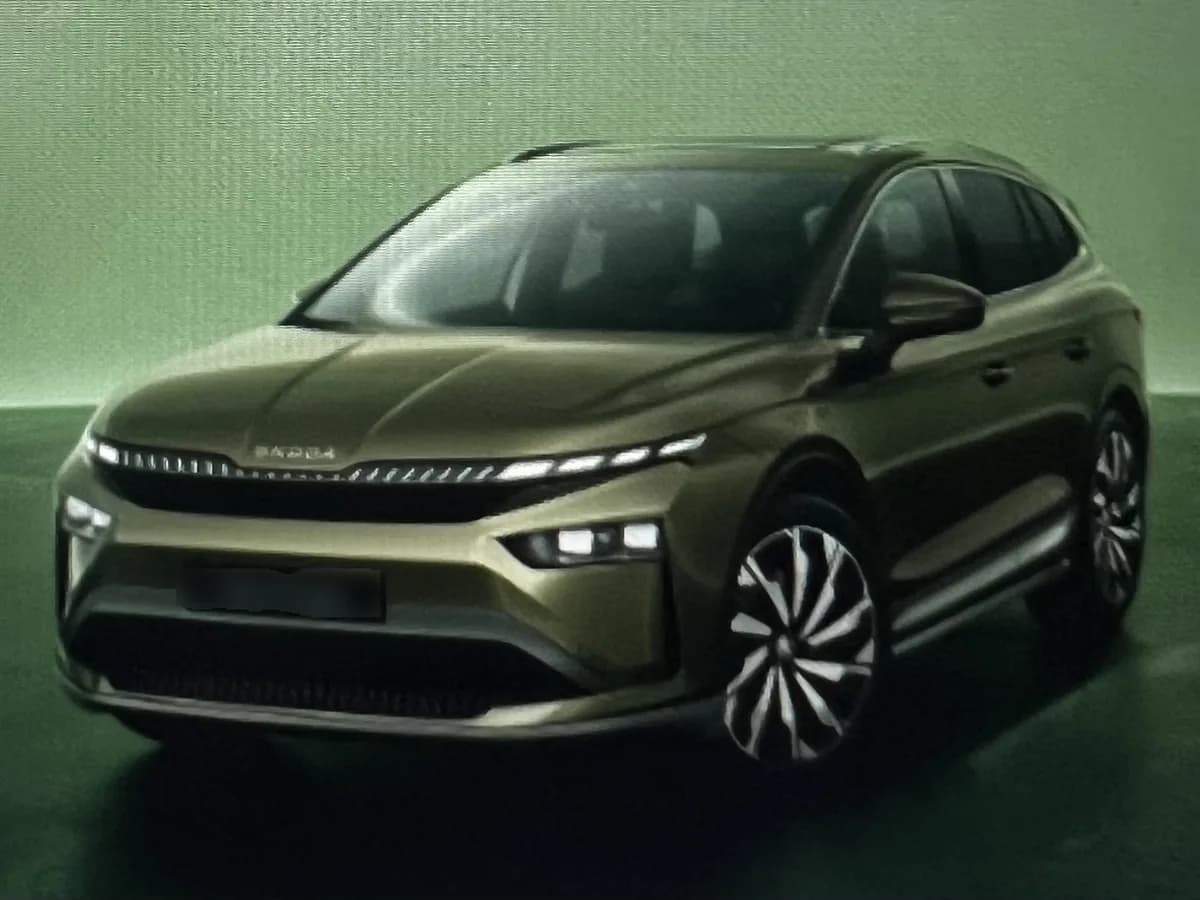
Enyaq
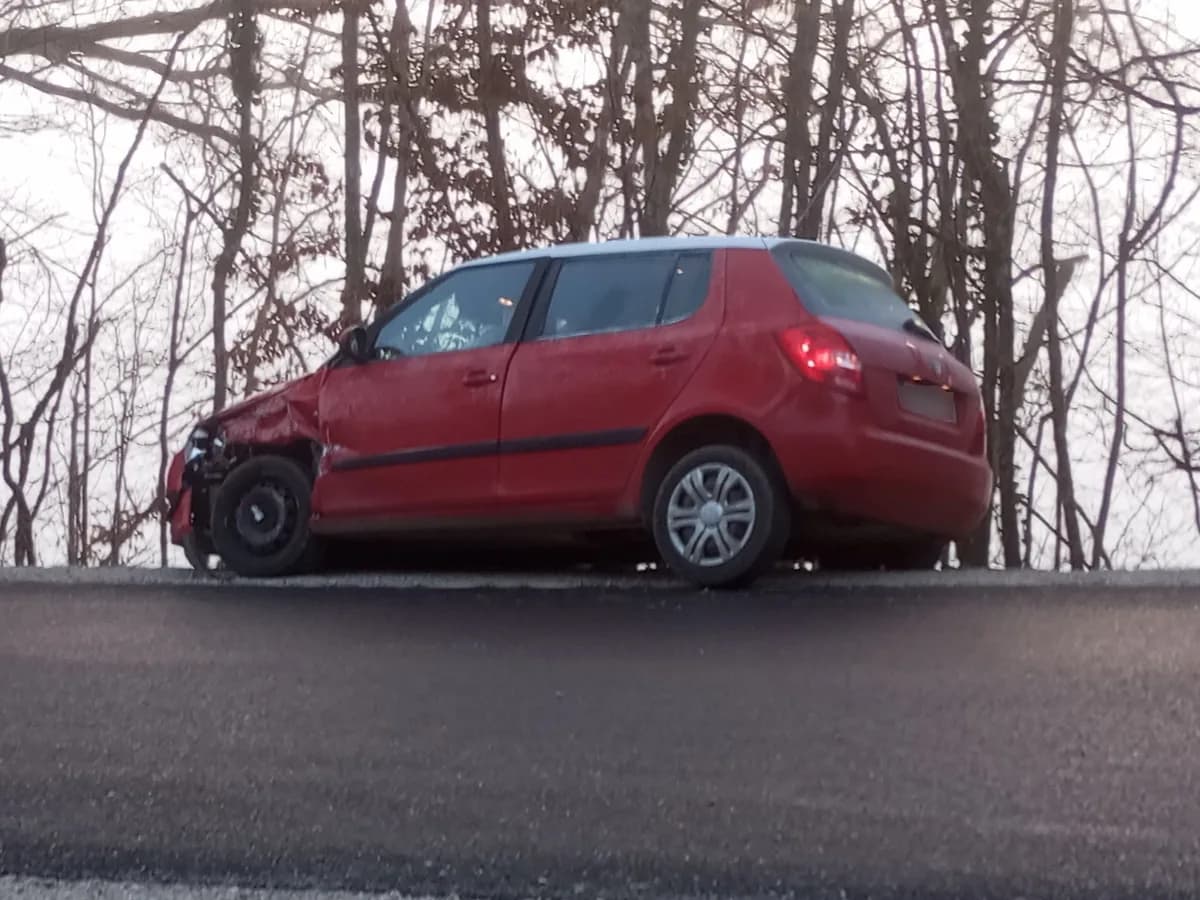
Fabia
Fabia Combi
Fabia Wagon
Favorit
Felicia
Forman
Garde
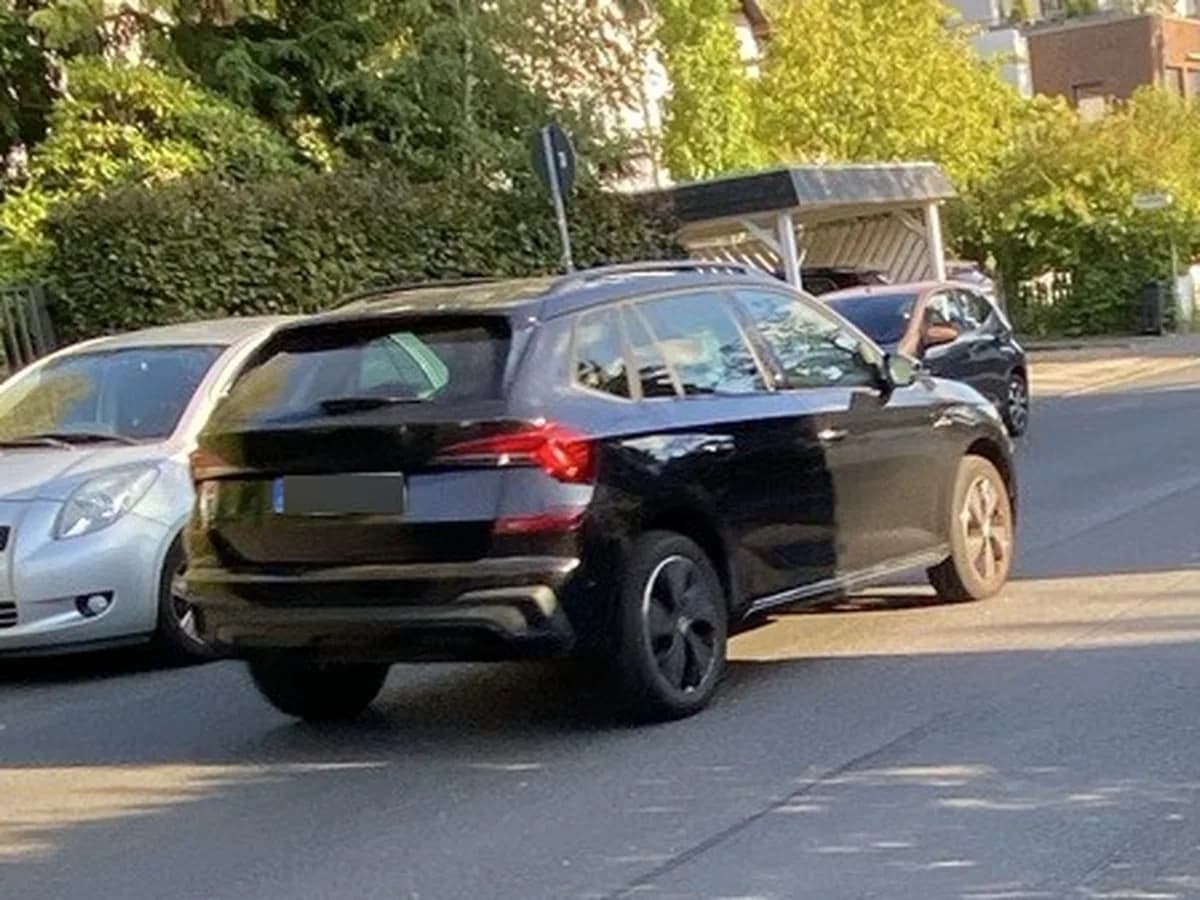
Kamiq
Karoq
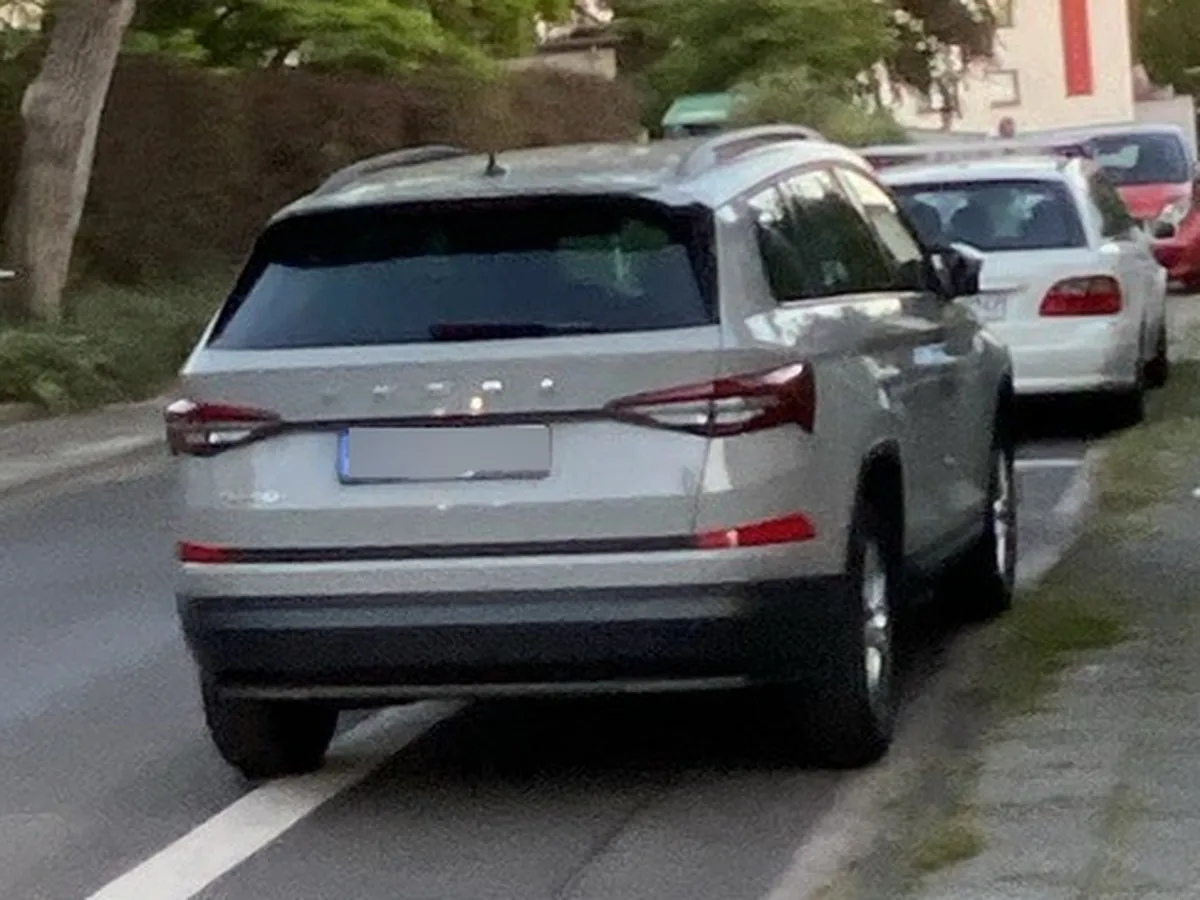
Kodiaq
Kushaq
MTX Roadster

Octavia
Octavia Wagon
Peaq
Pickup
Praktik
Rapid
Roomster
Scala
Slavia

Superb
Superb SW
Supersport
Yeti
Skoda overview
Skoda history
Skoda’s automotive history began with Laurin & Klement, established in Mladá Boleslav in December 1895. Slavia bicycles were followed by motorcycles from 1899 and by the Voiturette A in 1905. The company expanded rapidly and exported its cars before merging with the Skoda Works in Plzeň in 1925. During the 1930s, the Popular, Rapid and Superb ranges gave the manufacturer coverage across several segments, while production methods became increasingly standardised and efficient. After nationalisation in 1945, the factory continued operating within Czechoslovakia’s planned economy. The 1000 MB, introduced in 1964, began a new era of rear-engined cars and became the first Skoda model to pass the one-million-production milestone. The 105, 120, 130 and related derivatives continued that basic layout through the 1970s and 1980s. The 1987 Favorit represented a major change, combining a hatchback body with a transverse front engine and front-wheel drive. Volkswagen became Skoda’s strategic partner in 1991. The modern Octavia of 1996, Fabia of 1999 and Superb of 2001 then established the brand’s contemporary European identity.
Skoda positioning
Skoda has traditionally positioned its cars as accessible, durable and suited to everyday use. That approach can be seen in both the saloons and estates of the socialist era and the modern vehicles developed within the Volkswagen Group. The brand’s appeal has not relied on price alone; interior space, ease of use and versatility have also been recurring priorities. The Octavia is a clear example, combining compact-car dimensions with a practical body and a notably useful luggage area. The Fabia serves as the small, versatile model in the range, while the Superb occupies a more upmarket role focused on comfort and passenger room. From the 2010s onward, Skoda extended this formula into SUVs and then electrified vehicles. This is a cautious interpretation of the brand’s positioning, since equipment, technology and market status differ between generations, countries and trim levels.
Recognizing a Skoda in a photo
Identifying an older Skoda starts with separating the main technical eras. The 1000 MB, 105, 120 and 130 belong to the long rear-engined family: a three-box profile, a relatively short front luggage compartment and a rear engine bay are useful clues, although details vary by version. The 110 R stands out as a two-door coupé, while the 1980s Rapid evolved from the Garde and retained a sporting presentation. The 1959 Octavia and Felicia should not be confused with their modern namesakes: the historic Octavia was a compact saloon, whereas the Felicia was a convertible. On later cars, the large grille, winged-arrow badge and hatchback or estate body styles can help with identification, but logos and exterior design changed over time. For an accurate result, combine the body shape with the model name, production period, lights, bumpers and engine layout rather than relying on the badge alone.
Important Skoda models
Several model lines help explain Skoda’s development. The 1000 MB represents the modernisation of the 1960s and the spread of rear-engined engineering across the range. The 105, 120 and 130 continued that layout, while the 110 R offered a more sporting coupé derivative. The 1959 Felicia and Octavia reflect a period when Skoda moved toward named model lines and more carefully styled bodies. The 1987 Favorit is particularly important because it marked the transition to a compact car with a front-mounted engine and front-wheel drive. Within the Volkswagen era, the modern Octavia introduced in 1996 became the central model of the brand. The Fabia, launched in 1999, replaced the Felicia in the small-car segment. The Superb returned in 2001 as the larger, more prestigious saloon. Rapid is a recurring name, but it has been applied to different generations and market-specific vehicles. These models should therefore not be treated as one perfectly continuous sequence: the same badge can refer to substantially different cars depending on the period, body style and market.
References
- Škoda Company HistoryŠkoda Auto
- Škoda TimelineŠkoda Auto
- The History of ŠkodaVolkswagen Group
- Celebrating 65 Years of the Octavia and FeliciaŠkoda Storyboard
- Anniversary celebrations for a flagship: 85 years of the Škoda SuperbŠkoda Storyboard
- https://www.skoda-auto.com/company/aboutskoda-auto.com
- https://www.skoda-auto.com/_doc/2dd817a0-3c1b-4e8d-a61e-cfdd3c686abcskoda-auto.com
- https://www.skoda-auto.com/_doc/2e4f8265-3bf2-4502-93bc-0cdea4c67c86skoda-auto.com