
SAAB
Rooted in Sweden’s aircraft industry, SAAB presented its first automotive prototype in 1947 and began series production of the 92 at Trollhättan in December 1949. The company developed a distinctive automotive identity built around front-wheel drive, aerodynamic bodywork, and a strong focus on safety and ergonomics. The 95 and 96 extended this early period, while the 99 and 900 established SAAB as one of Europe’s most individualistic car makers. From the late 1990s, the 9-3 and 9-5 represented the brand’s move into a more integrated General Motors era. The models represented here span SAAB’s automobile history from 1950 to 2011, covering its early two-stroke family cars as well as its later sedans, wagons, convertibles, and SUV derivatives.
Models from A to Z
9-2X
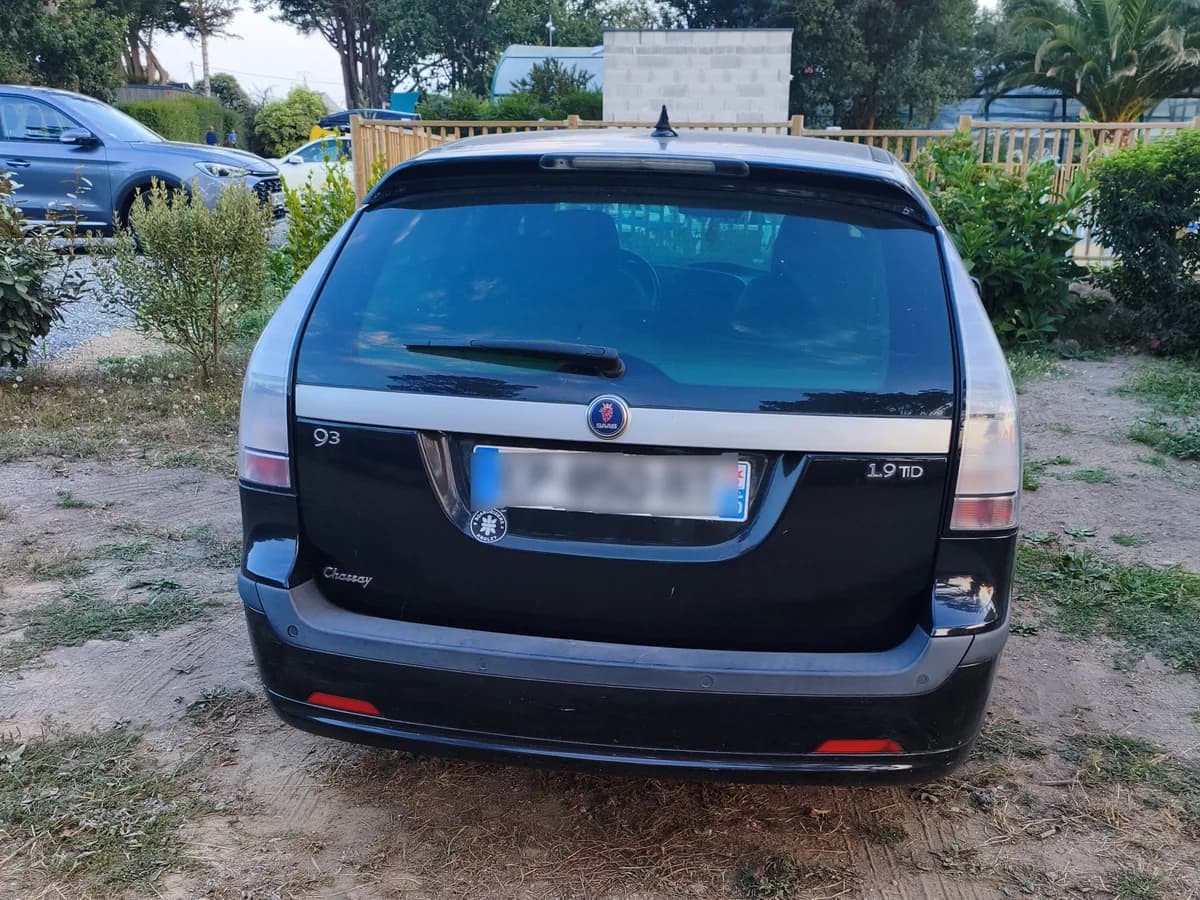
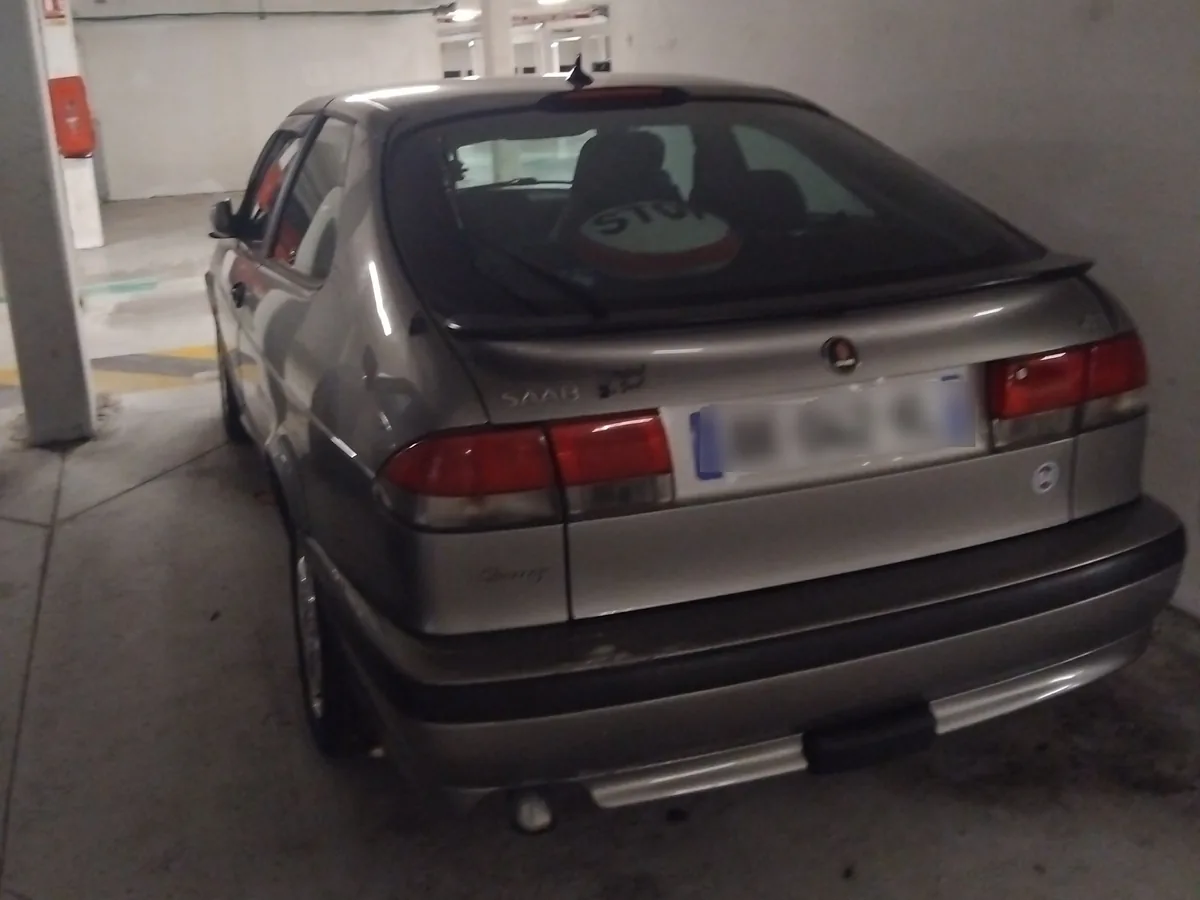
9-3
9-3 convertible
9-3X
9-4X
9-5
9-5 sedan
9-5 Wagon
9-7X
90
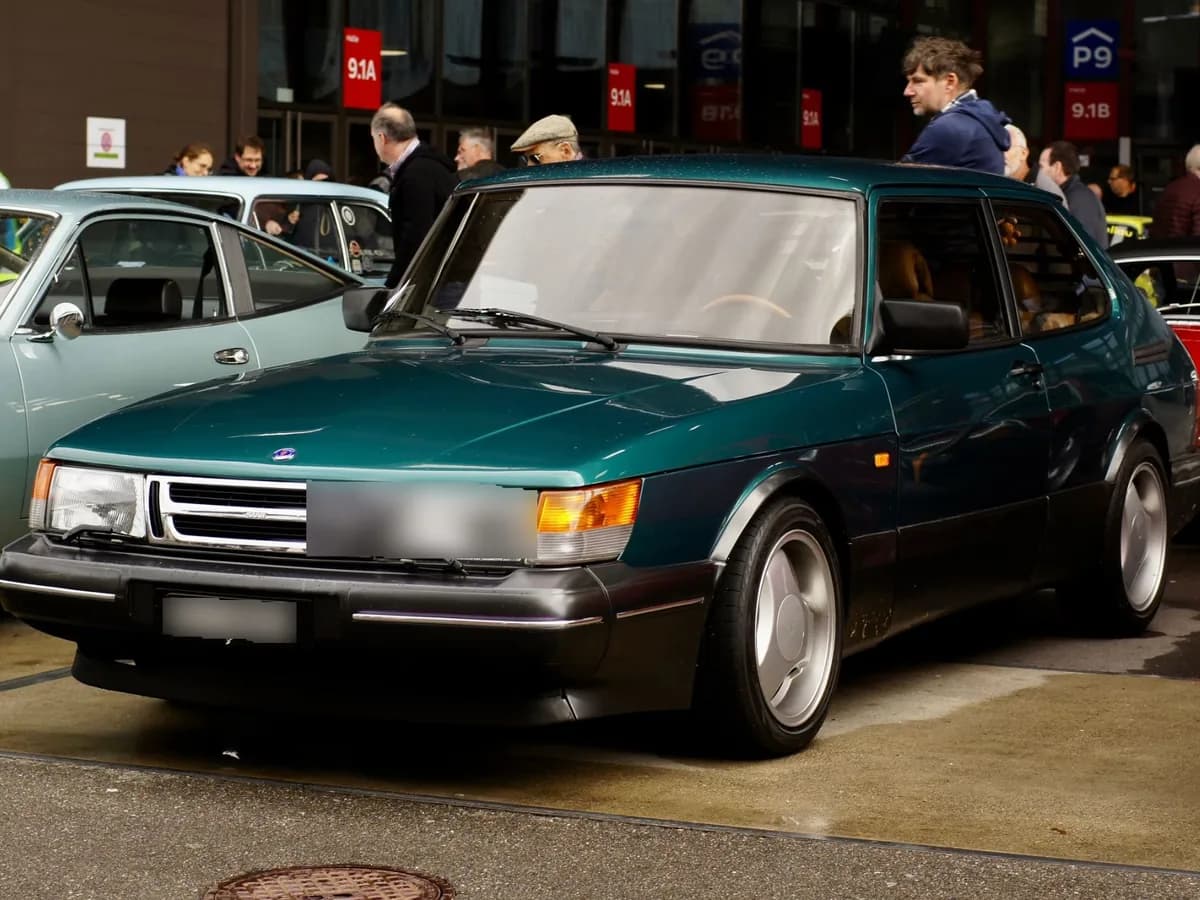
900
9000
92
93
95
96
99
Sonett
SAAB overview
SAAB history
SAAB’s automotive project began after the Second World War, when the aircraft company looked for ways to diversify. The Ursaab prototype appeared in 1947 and led to the Saab 92, with series production beginning in Trollhättan on December 12, 1949. Its aerodynamic shape and two-stroke engine immediately set the car apart from more conventional Nordic vehicles. The 93 gained a three-cylinder engine for the 1956 model year. SAAB added the 95 two-door estate in 1959, followed by the 96 in 1960. The 96 became one of the company’s sporting signatures through rally successes, particularly with Erik Carlsson. In November 1967, SAAB presented the 99, a larger and more advanced model that introduced a new technical direction. The 99 Turbo, shown in 1977, helped bring turbocharging into wider use in series-production passenger cars. The 900 arrived for the 1979 model year and became SAAB’s defining automobile. After the car division was separated from Saab-Scania in 1989, General Motors first acquired a stake and then full ownership of Saab Automobile in 2000. The 9-3 and 9-5 modernized the range, but Saab Automobile ultimately filed for bankruptcy in December 2011.
SAAB positioning
SAAB traditionally positioned itself apart from mainstream manufacturers, appealing to drivers who valued functionality, safety, and unconventional engineering. Front-wheel drive, turbocharged engines, and practical body styles were recurring elements of that approach. The company did not simply pursue outright speed; it often combined turbo performance with everyday usability, useful luggage space, and stable road manners. The 99 and 900 best represent SAAB’s period of independent design and engineering. Their driver-focused cabins, distinctive instrumentation, and hatchback or convertible body styles helped define the marque’s reputation. The 9-3 and 9-5 later expanded the range into compact and executive categories while retaining several recognizable SAAB traits. The 9-2X, 9-3X, and 9-4X show a broader product strategy developed during the brand’s closer industrial relationship with General Motors. These models should therefore be viewed both as SAAB products and as evidence of the company’s changing technical and commercial environment.
Recognizing a SAAB in a photo
For early SAABs, start with the overall shape. The 95 and 96 use compact hatchback bodies and are associated with two-stroke engines on earlier cars, followed by the V4 from 1966 onward. The 99 is larger, with a strongly glazed cabin and restrained front-end design. A classic 900 can usually be recognized by its long front overhang, steeply raked windscreen, and hatchback profile. Turbo versions may carry distinctive equipment, but details vary by market and model year. The first 9-3 closely resembles the later-generation 900, so check the grille, the high-mounted third brake light at the top of the rear window, and interior details. The 9-5 is a larger executive model offered as a sedan or wagon. For the 9-3X, 9-4X, and 9-2X, body cladding, ride height, and platform-related details can provide useful clues, but reliable identification should use the vehicle identification number and factory documentation. Trim names such as Aero or Viggen are not sufficient on their own because availability differed between markets and years.
Important SAAB models
The 99 was a major turning point. Presented in 1967 and produced from 1968 according to the model-year structure used by different markets, it moved SAAB into a larger vehicle class and laid the groundwork for the 900. Its 1977 Turbo version is especially significant in the history of turbocharged passenger cars. The 900, represented in the library from 1979 to 1994, remains the model most closely associated with SAAB’s identity. Its hatchback, sedan, and convertible bodies, together with its Turbo derivatives, show how the company combined performance with everyday practicality. The 95 and 96 represent the formative period, combining compact dimensions with a strong connection to rally competition. The 9-3 and 9-5 document SAAB’s renewal from the late 1990s onward. The first 9-3 began as a development of the preceding 900, while the 9-5 became the company’s larger sedan and wagon. The 9-2X, 9-3X, and 9-4X were less central to the historical range, but they illustrate SAAB’s final attempt to broaden its portfolio before 2011.
References
- Saabs historiaSaab Car Museum
- History | About SaabSaab
- Do Saab still make cars?Saab Newsroom
- Saab 9-3 historyThe SaabMuseum.com
- Buying Guide: Saab 900 Turbo (1979–1993)Hagerty UK
- Car CollectionSaab Heritage Car Museum USA
- https://www.saabmuseum.com/saabmuseum.com
- https://www.hagerty.com/valuation-tools/saab/900hagerty.com