
Oldsmobile
Founded by Ransom E. Olds in Lansing, Michigan, in 1897, Oldsmobile was one of the pioneering names of the American automobile industry. Its early success came from the Curved Dash, introduced for production in 1901 and described by General Motors as the first mass-produced automobile. Oldsmobile joined GM in November 1908 and later became associated with several important developments, including Rocket V8 engines, the Hydra-Matic automatic transmission offered on the 1940 model, the turbocharged Jetfire engine of 1962, and the bold front-wheel-drive Toronado introduced for 1966. Over the following decades, the F-85, Cutlass, 4-4-2, 88, 98, Aurora, and Bravada represented very different sides of the division, from practical family transportation to performance coupes and sport-utility vehicles. Automobile production under the Oldsmobile name ultimately ended in 2004.
Models from A to Z
442
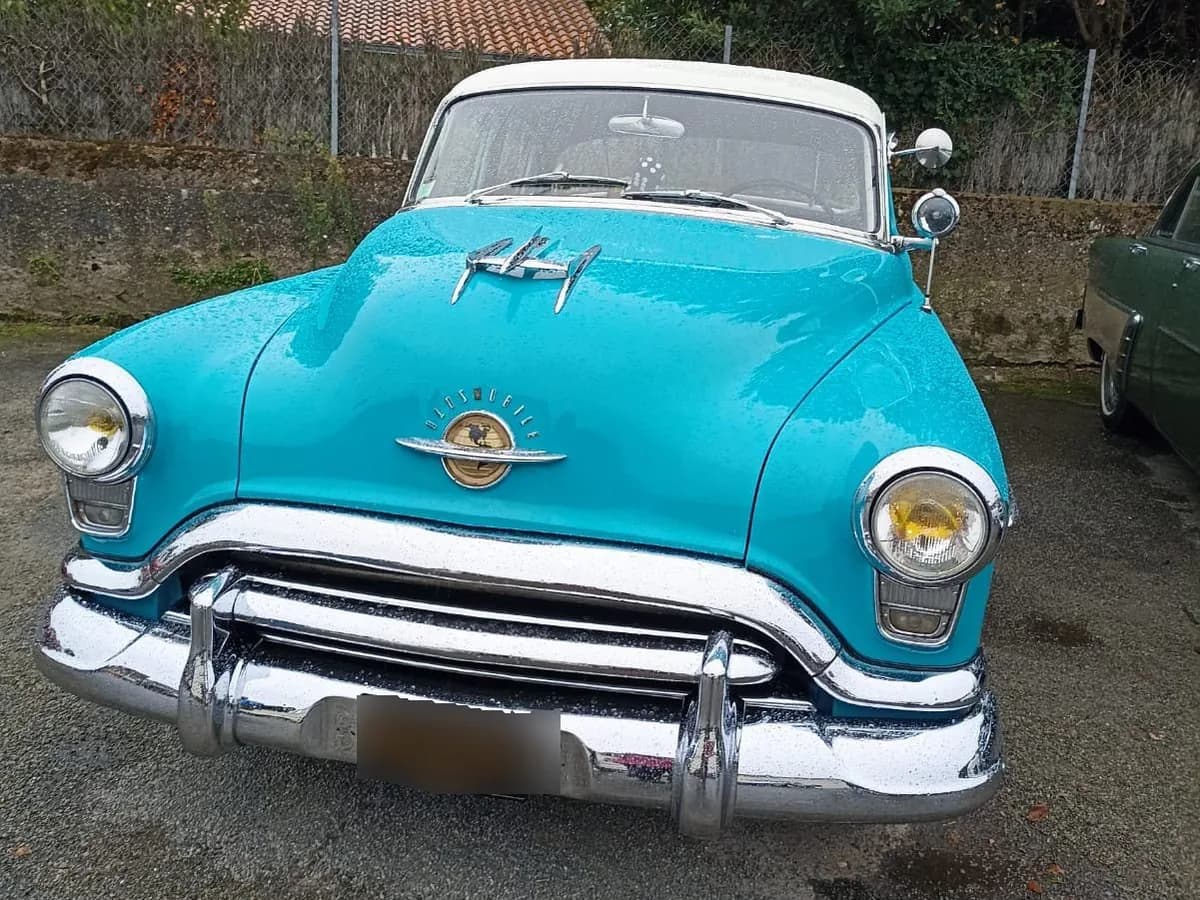
88
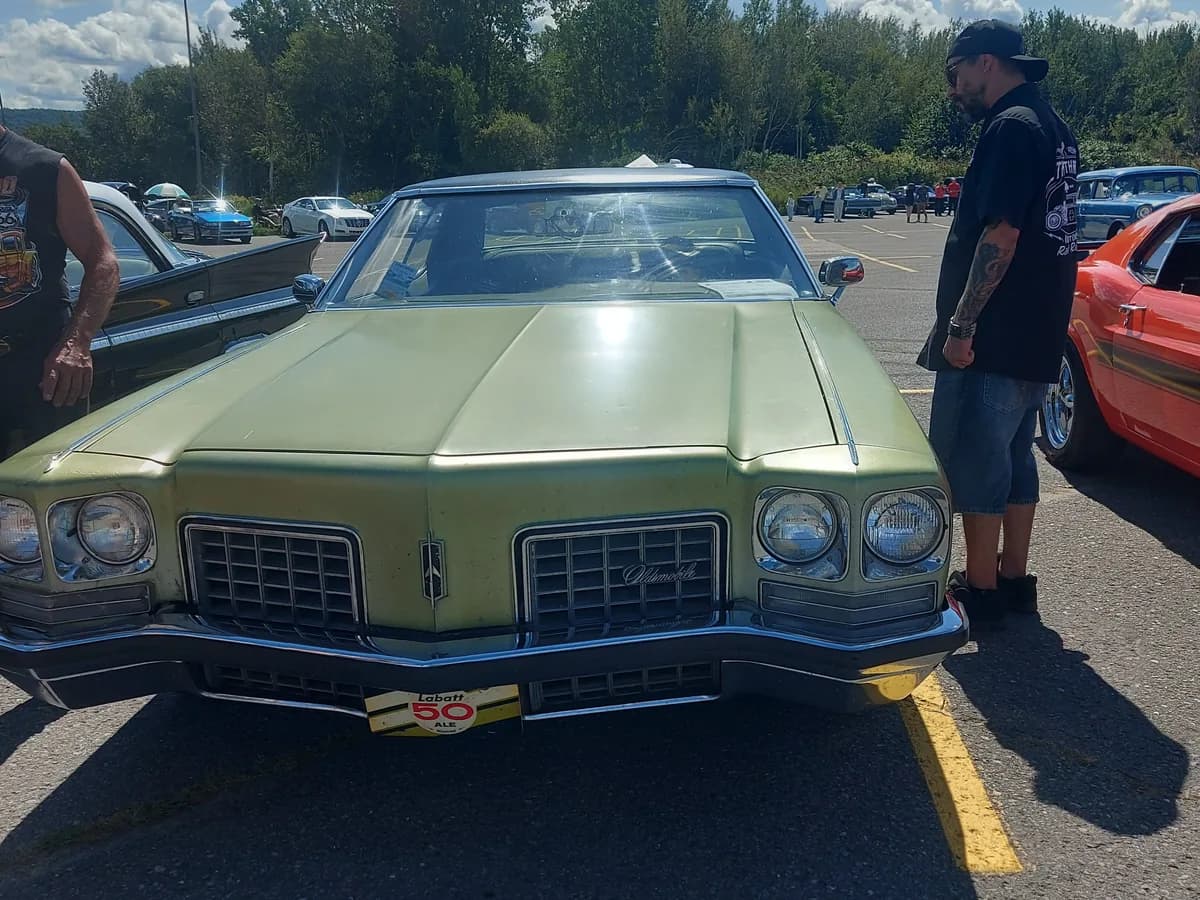
98
Achieva
Alero
Aurora
Bravada
Custom Cruiser
Cutlass
F-85
Intrigue
LSS
Omega
Silhouette
Toronado
Vista Cruiser
Oldsmobile overview
Oldsmobile history
Ransom E. Olds established the Olds Motor Company in Lansing, Michigan, on August 21, 1897. After investment from Samuel L. Smith, the business became Olds Motor Works and pursued a simple, light automobile suited to higher-volume production. The Curved Dash entered production in 1901 with a single-cylinder engine and planetary transmission. Its $650 price and organized station-by-station assembly made it an important milestone in American automotive manufacturing. General Motors records production of 425 cars in 1901, 2,500 in 1902, and 3,924 in 1903. The model continued through 1906 or 1907, depending on how later versions and production records are counted. Oldsmobile joined General Motors in November 1908. After World War II, the division developed a more technical identity through the 1949 Rocket V8 and the Hydra-Matic automatic transmission, offered as early as 1940. The 1960s brought several defining products: the F-85-based Jetfire used turbocharging, the 4-4-2 gave Oldsmobile a serious intermediate performance car, and the 1966 Toronado introduced front-wheel drive to a large American coupe. Cutlass sales then became central to Oldsmobile’s strength during the 1970s and 1980s. During the 1990s, the Aurora, Bravada, Achieva, and Alero represented attempts to refresh the division’s identity. General Motors gradually phased out the marque, and the final Oldsmobile was built in 2004.
Oldsmobile positioning
Within General Motors, Oldsmobile traditionally occupied a position between Chevrolet and Buick, combining mainstream accessibility with a more technical and aspirational character. That role changed over time. The large 88 and 98 emphasized comfort and attainable prestige, while the F-85 and Cutlass gave Oldsmobile a strong presence in the intermediate-car market. The 4-4-2 added genuine performance credibility from 1964 onward, and the Toronado served as a technology showcase through its unusual front-wheel-drive layout. Oldsmobile’s identity therefore alternated between engineering ambition and practical corporate positioning. The Rocket V8, Hydra-Matic transmission, and turbocharged Jetfire reflected a willingness to introduce advanced technology. At the same time, many later vehicles shared platforms and components with other GM divisions, which could make the brand’s identity less distinct. The Aurora was the clearest 1990s attempt to establish a modern, separate design and engineering direction. Taken together, Oldsmobile’s range covered comfortable full-size sedans, family-oriented intermediates, performance coupes, personal-luxury cars, station wagons, and sport-utility vehicles.
Recognizing a Oldsmobile in a photo
Identifying an Oldsmobile begins with the era and model family. Early twentieth-century Curved Dash cars are small, open runabouts with very simple bodies and a rounded front section that recalls a horse-drawn carriage. Postwar Oldsmobiles commonly feature split grilles and Rocket emblems associated with the division’s V8 engines. The 88 and 98 are usually large sedans or coupes, with the 98 positioned toward the upper end of Oldsmobile’s traditional range. The F-85 and early Cutlass are smaller intermediate cars, offered in body styles that included coupes, sedans, convertibles, and station wagons. A 4-4-2 may carry dedicated badges, stripes, hood treatments, or other performance details, although equipment changed by model year and package. The Toronado is most easily recognized by its long hood, personal-luxury coupe proportions, and distinctive front-wheel-drive layout. In the 1990s, the Aurora adopted a rounded, aerodynamic shape, while the Bravada used a taller sport-utility body. Badging can help separate versions, but trim names and exterior details changed frequently, so the model year should always be confirmed before assigning a generation or variant.
Important Oldsmobile models
Several model families define Oldsmobile’s identity. The Curved Dash is the foundational car: its early production volume gave the brand an important place in the history of industrial automobile manufacturing. The 88 and 98 then established Oldsmobile as a producer of large, comfort-focused cars across multiple decades. The F-85 introduced a smaller direction in the early 1960s and provided the basis for the first Cutlass models. Cutlass became Oldsmobile’s most recognizable name during the 1970s and 1980s, appearing as a sporty coupe, sedan, station wagon, and upscale family car. The related 4-4-2 is the division’s best-known performance line; according to GM, the 1970 model with the W30 package used a 455-cubic-inch V8 rated at 370 horsepower. The Toronado remains significant for combining personal-luxury coupe styling with front-wheel drive. Among the later products, the Aurora represented Oldsmobile’s strongest 1990s attempt at a fresh design identity, while the Bravada extended the range into the sport-utility market. Omega, Achieva, Alero, and Custom Cruiser represent shorter-lived or more specialized branches of the Oldsmobile story.
References
- GM Heritage: An Iconic LegacyGeneral Motors
- 1903 Oldsmobile Curved Dash RunaboutGeneral Motors
- The Curved Dash OldsmobileR.E. Olds Transportation Museum
- Race to the Museum: Oldsmobile curved-dash runabout, 1903Smithsonian National Museum of American History
- 1970 Oldsmobile Cutlass 442General Motors
- 1963 Oldsmobile JetfireGeneral Motors
- America’s Most Popular Car - Oldsmobile CutlassHemmings
- Oldsmobile Toronado: the American coupé that put FWD at the forefrontHagerty