
Lincoln
Founded in 1917 by Henry M. Leland and his son Wilfred, Lincoln was named after Abraham Lincoln and became part of Ford on February 4, 1922. The American marque built its luxury identity around substantial automobiles that emphasized design, comfort and carefully finished interiors. The 1936 Zephyr broadened the range with streamlined styling, while the Continental, introduced to the public in 1939, became one of the most influential American luxury cars. From presidential limousines and full-size Town Cars to the Navigator and later SUV families, Lincoln has changed body styles while retaining a distinctly American interpretation of premium motoring. The models represented here span the 1930s through the modern era, including multiple Continental, Zephyr, Premiere and Continental Mark generations, as well as shorter-lived nameplates such as Cosmopolitan, Lido, Blackwood and Corsair.
Models from A to Z
Aviator
Blackwood
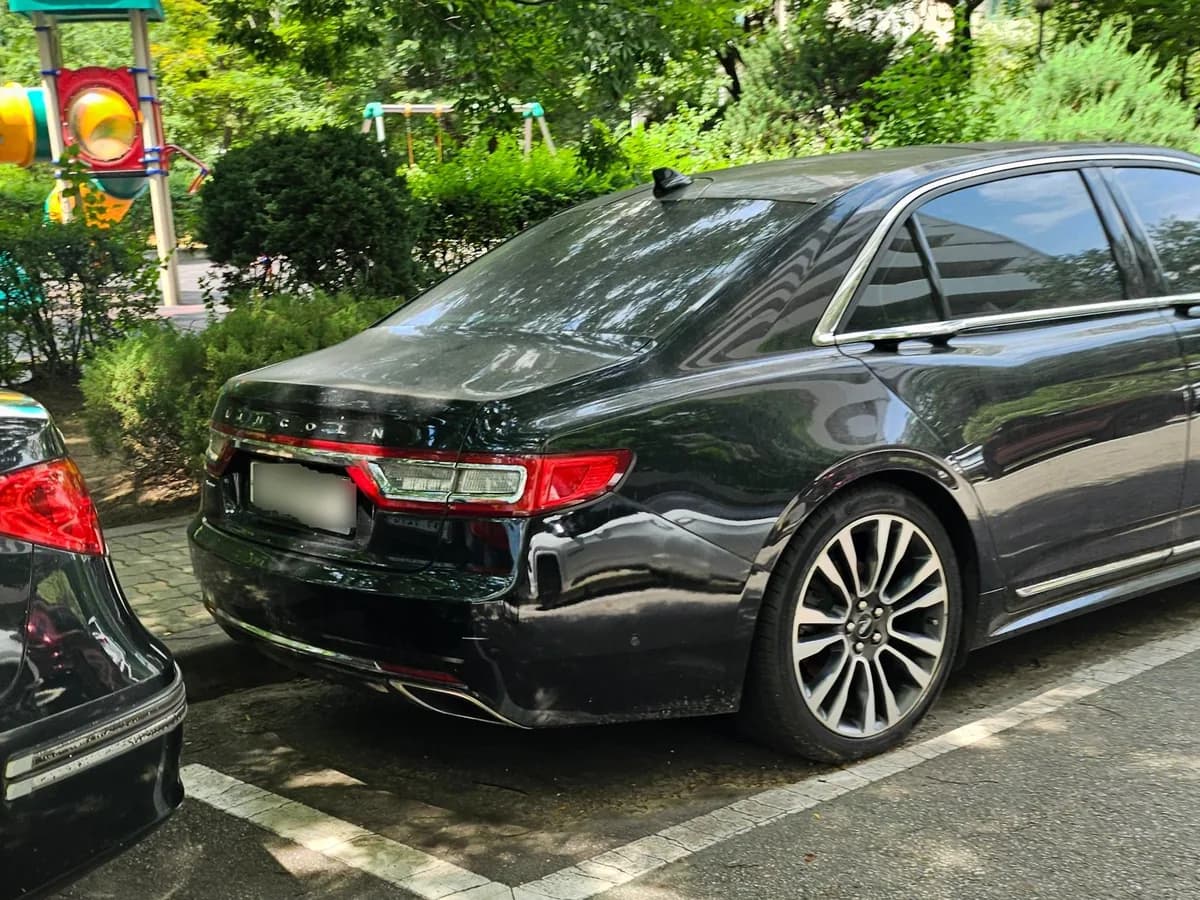
Continental
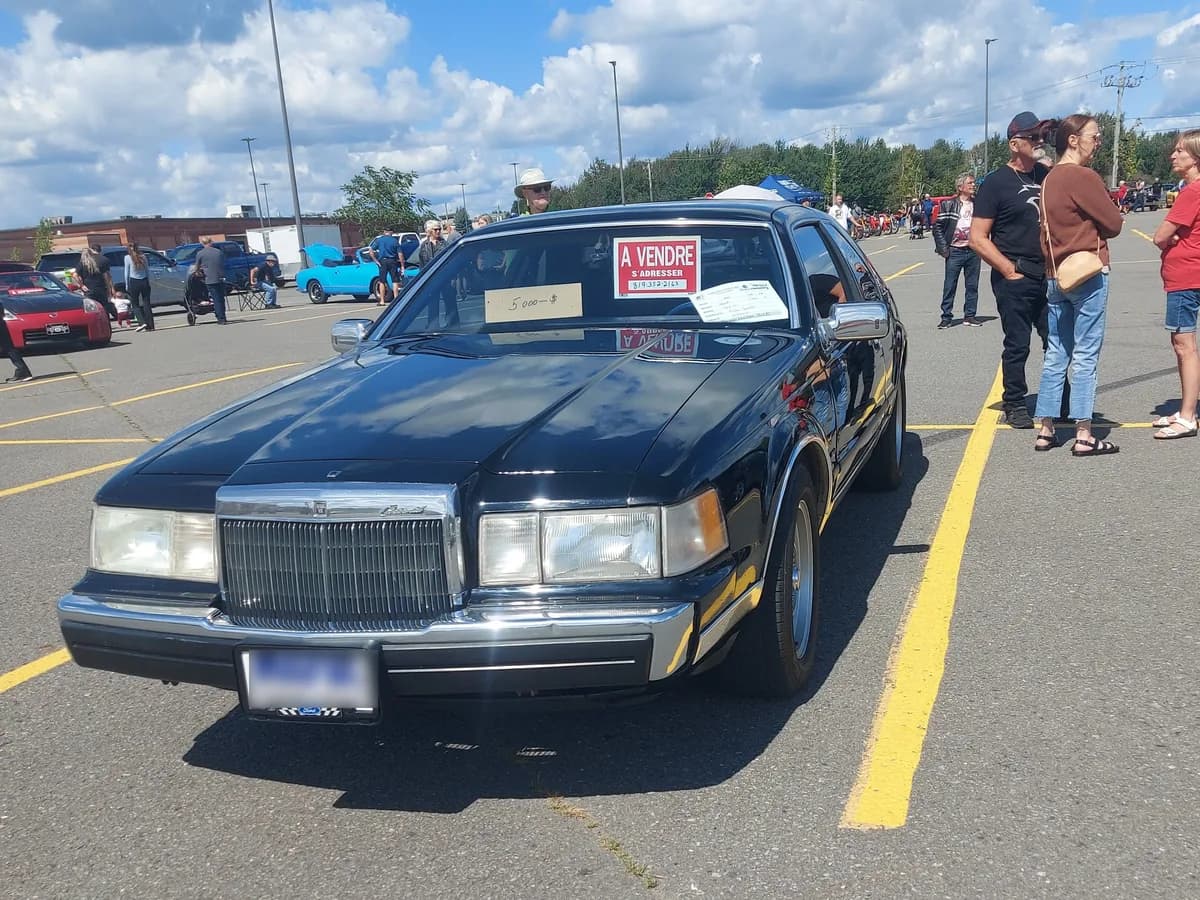
Continental Mark Series
Corsair
Cosmopolitan
EL-Series
Futura
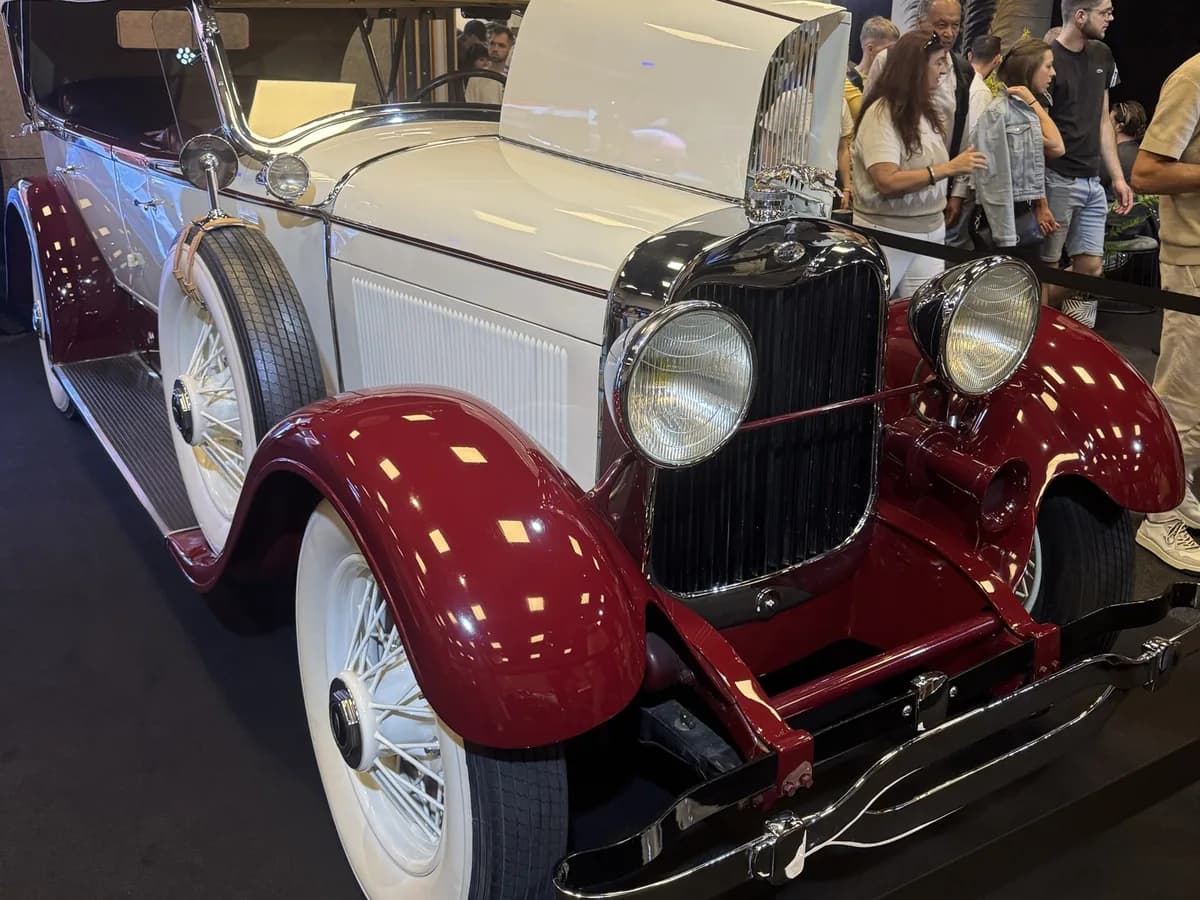
L-Series
Lido
LS
Mark LT
Mark VIII
MKC
MKS
MKT
MKX
MKZ
Nautilus
Navigator
Premiere
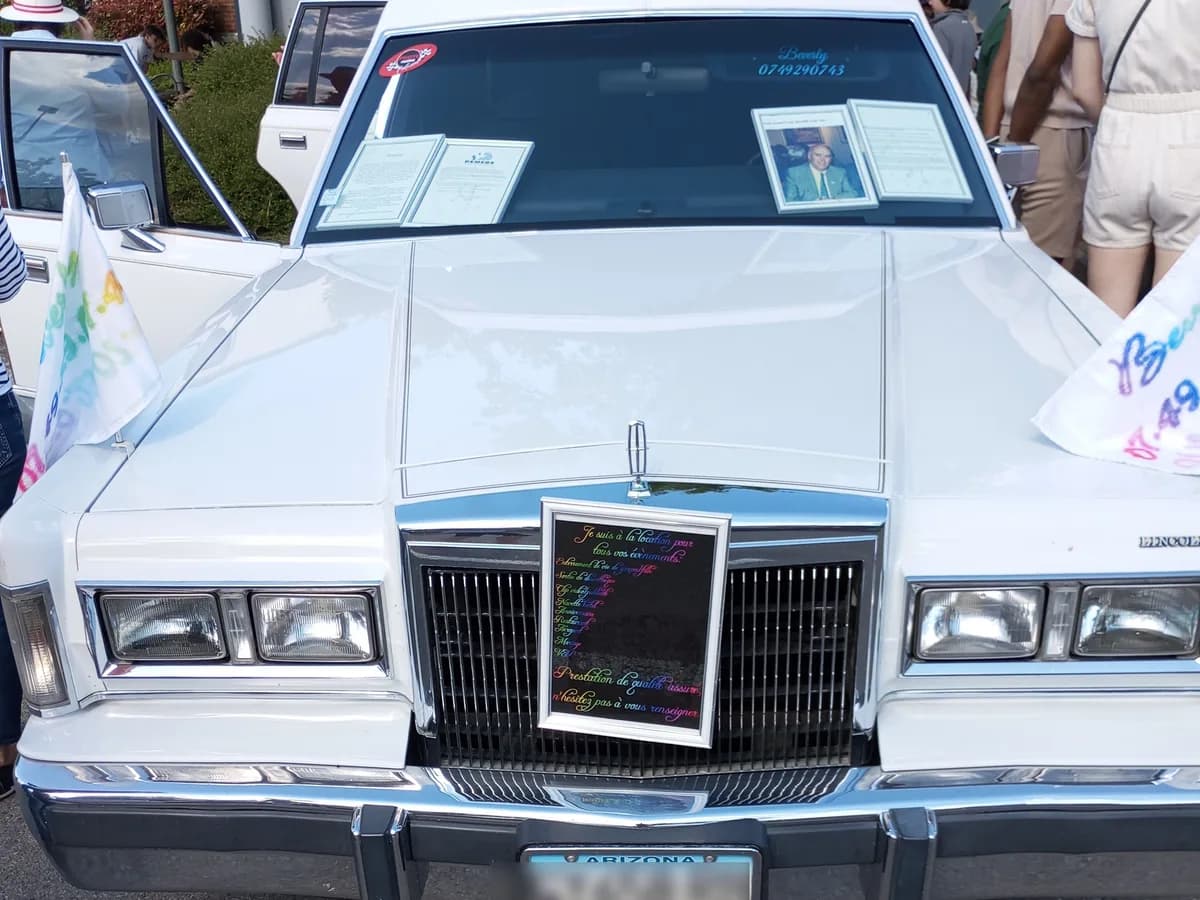
Town Car
Versailles
Z
Zephyr
Lincoln overview
Lincoln history
The Lincoln Motor Company was established in August 1917 by Henry M. Leland, a former Cadillac executive and engineer, together with his son Wilfred. The company initially built Liberty aircraft engines for the American war effort. After the war it entered the automobile business, but financial problems led to its purchase by Henry Ford on February 4, 1922, for $8 million. Edsel Ford then became a major influence on Lincoln’s styling and product direction. The Lincoln Model L, introduced for 1924, marked the beginning of the Ford-owned era, combining the company’s manufacturing resources with more carefully considered body design and finish. The Zephyr, introduced for 1936, brought a more approachable model and notably streamlined bodywork to the range. Edsel Ford’s personal car project later evolved into the Continental, which was offered publicly in 1939. Its long hood, integrated fenders and rear-mounted spare wheel created a recognizable design formula. Civilian production was suspended during the Second World War before Lincoln returned to large luxury cars. The 1956 Continental Mark II, the coach-door Continental of the 1960s, the Town Car and the Navigator represent later stages in the brand’s development, showing its progression from formal sedans and personal luxury cars toward premium sport utility vehicles.
Lincoln positioning
Lincoln has historically occupied Ford’s American luxury position, emphasizing comfort and presentation rather than outright sporting character. Spacious cabins, relaxed road manners, quietness and carefully specified trim have generally mattered more to the marque than aggressive handling. That focus helps explain the lasting importance of nameplates such as Continental and Town Car, both associated with formal presence and long-distance comfort. Lincoln has also used individual models to explore different expressions of premium design. The Zephyr brought streamlined styling to a broader section of the market in the 1930s, the Continental established a personal-luxury image, and the Mark series offered a more exclusive grand-touring interpretation. From the late 1990s onward, the Navigator made the full-size luxury SUV central to Lincoln’s identity. Aviator and Corsair later extended that idea into smaller and more family-oriented formats. Lincoln’s positioning is therefore best understood as an American approach to luxury travel, expressed through large sedans, personal coupes, limousines and, increasingly, SUVs.
Recognizing a Lincoln in a photo
Identifying a Lincoln requires looking at the era, body style and grille design rather than relying on the badge alone. Lincoln vehicles from the 1930s typically have large, formal proportions; the Zephyr is the exception within the range, with a notably low and streamlined body and an enveloping hood. The 1939 Continental is recognized by its long profile and rear-mounted spare-wheel treatment, while the 1961 Continental is especially distinctive for its restrained styling and rear-hinged coach doors. The Continental Mark cars form a separate-looking family, usually more personal in character and more heavily decorated, with grille, roof and spare-wheel details changing from one generation to the next. Town Car models are formal full-size sedans with three-box proportions and generous cabins. Navigator models are large, three-row SUVs, while the Aviator is smaller and more athletic in appearance. Corsair models have compact SUV proportions. Because Lincoln reused historic names across different periods, the nameplate should always be considered together with the model year, body configuration and exterior details.
Important Lincoln models
The Continental is Lincoln’s defining nameplate. Introduced to the public in 1939, it established a lasting design legacy and later became closely associated with coach doors. The Continental Mark Series offered a separate, more personal expression of Lincoln luxury, with the 1956 Mark II serving as a particularly important reference. The 1936 Zephyr broadened the range with a more accessible model and unusually streamlined styling for its time. Town Car represents the full-size American comfort sedan and was especially significant to Lincoln during the 1980s and 1990s. The Navigator, launched for the 1998 model year, placed the marque at the center of the large luxury SUV market. Aviator later provided a smaller, family-oriented premium SUV, while Corsair extended the concept into a compact format. Premiere, Cosmopolitan, Lido, Futura, EL-Series and Blackwood add shorter-lived or more specialized chapters to Lincoln’s history and help explain why the brand’s catalogue includes such varied body styles and eras.
References
- Lincoln 100 YearsLincoln Media Center / Ford Motor Company
- Lincoln 100th Anniversary Fact SheetLincoln Media Center / Ford Motor Company
- The Lincoln LegacyLincoln
- Evolution of the Lincoln and Lincoln Continental, 1921–1960The Henry Ford
- Lincoln Vehicle Owner Manuals SitemapLincoln
- Lincoln Luxury Vehicles: Complete LineupLincoln
- https://media.ford.com/content/dam/lincolnmedia/lna/us/history/100/vehicles/Lincoln%20100th%20Anniversary%20Fact%20Sheet.pdfmedia.ford.com
- https://www.lincoln.com/luxury-cars/continental/lincoln.com