
GMC
GMC traces its roots to the Rapid and Reliance truck makers, which were brought together within General Motors Truck Company in the early 1910s. Since then, the General Motors brand has built its identity around pickup trucks, commercial vehicles, and large SUVs before expanding into crossovers and electric vehicles. Its history includes very different nameplates such as the C-K-Series, Sierra, Suburban, Yukon, Acadia, and Terrain. The Hummer EV and Sierra EV represent GMC’s recent move toward electric propulsion while retaining a strong focus on towing, utility, and off-road capability. Denali and AT4 trims add distinct directions to the range: Denali emphasizes premium materials and equipment, while AT4 is associated with a more trail-oriented interpretation of GMC trucks and SUVs.
Models from A to Z
Acadia

C K-Series
Canyon
Envoy

Hummer EV
Savana
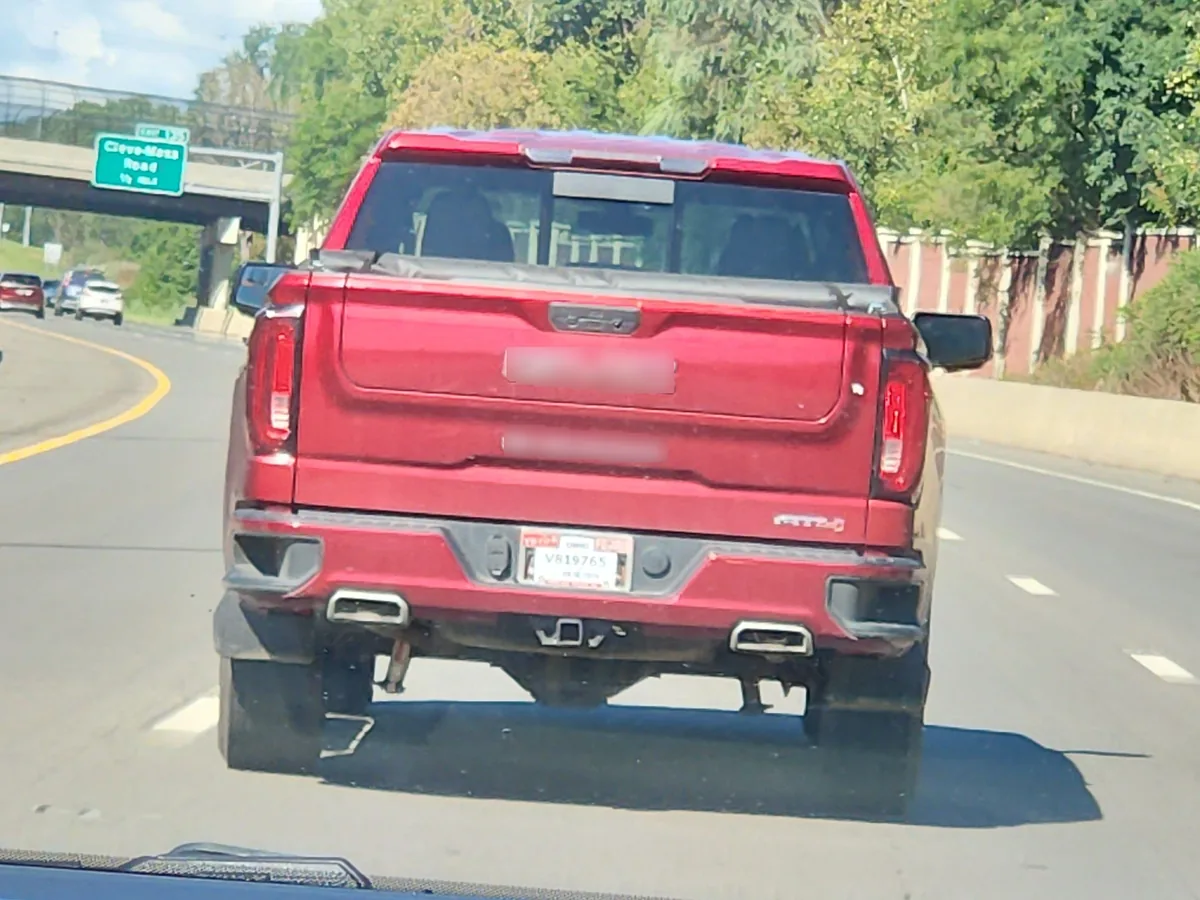
Sierra
Sierra EV
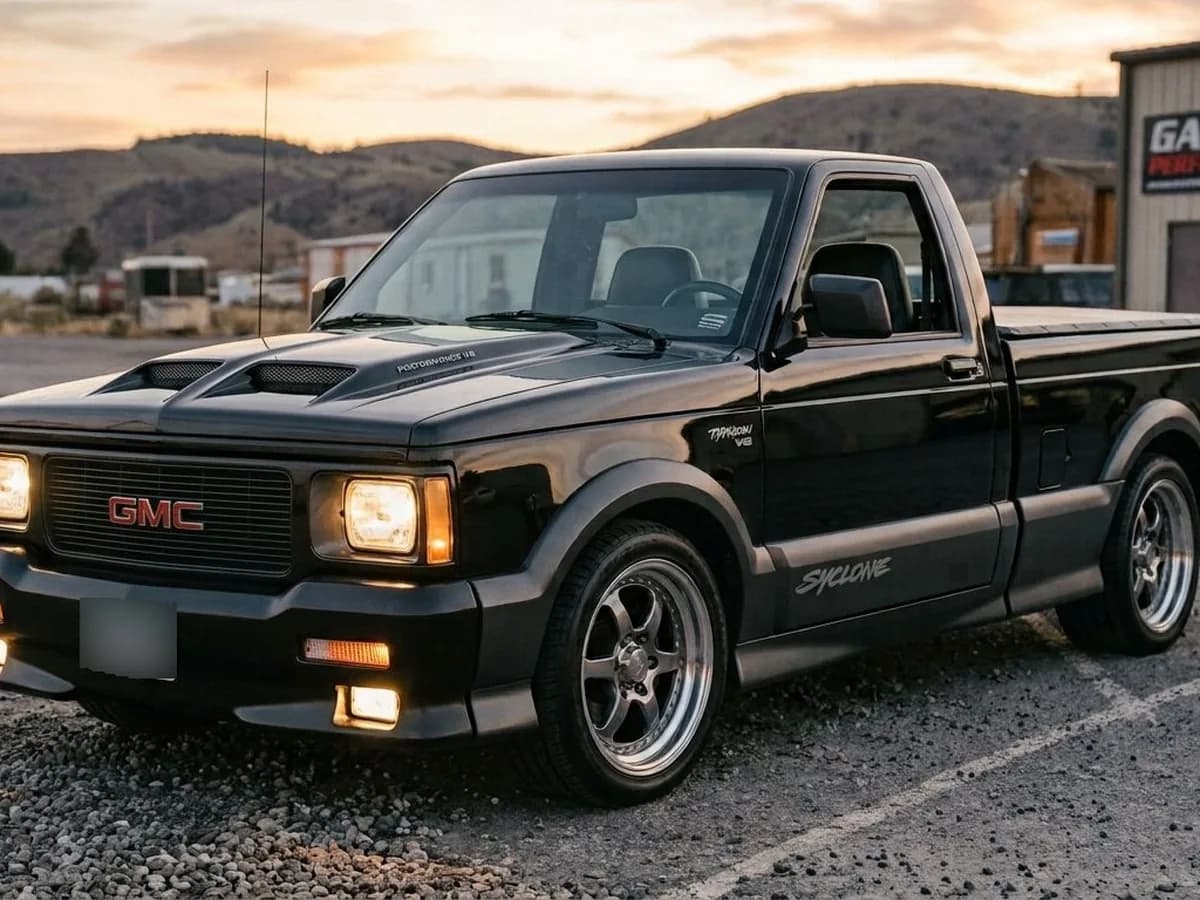
Sonoma
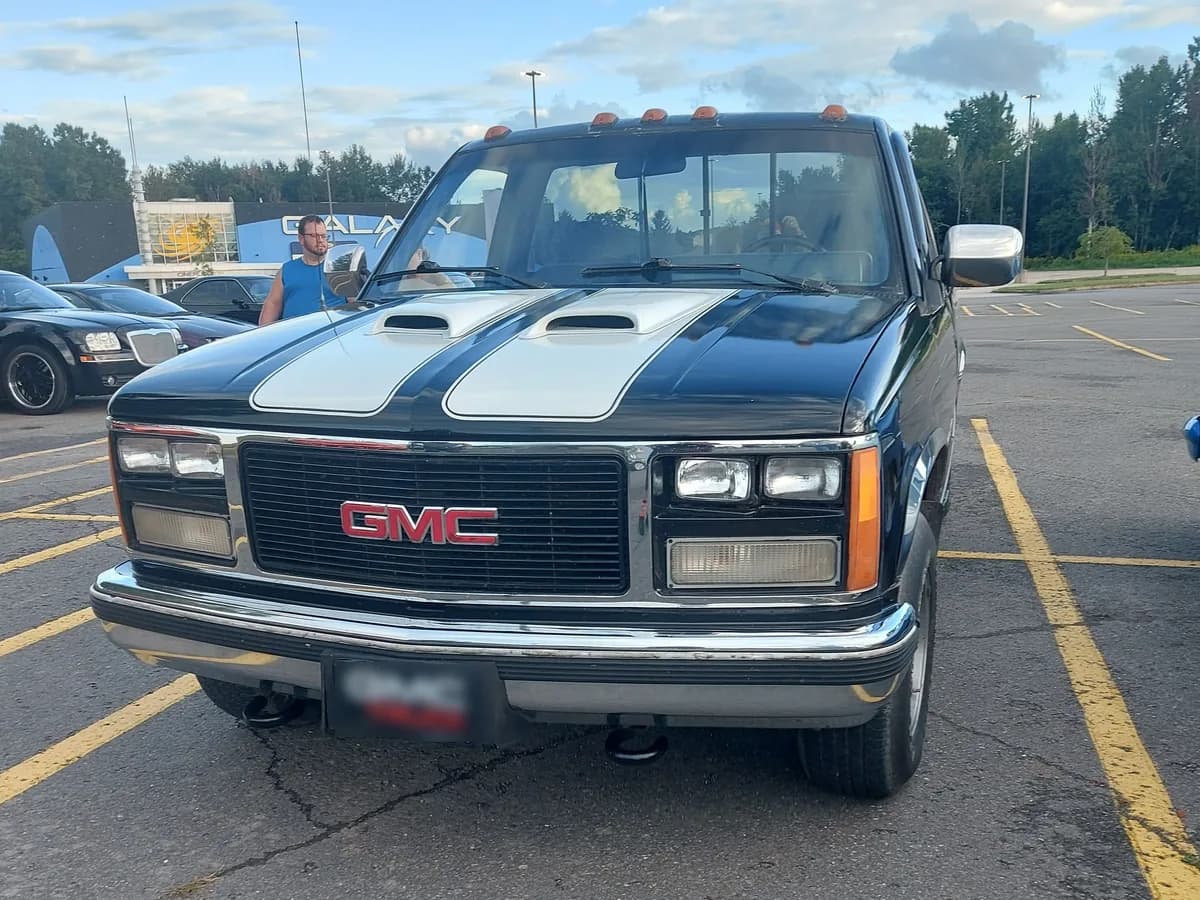
Suburban
Terrain
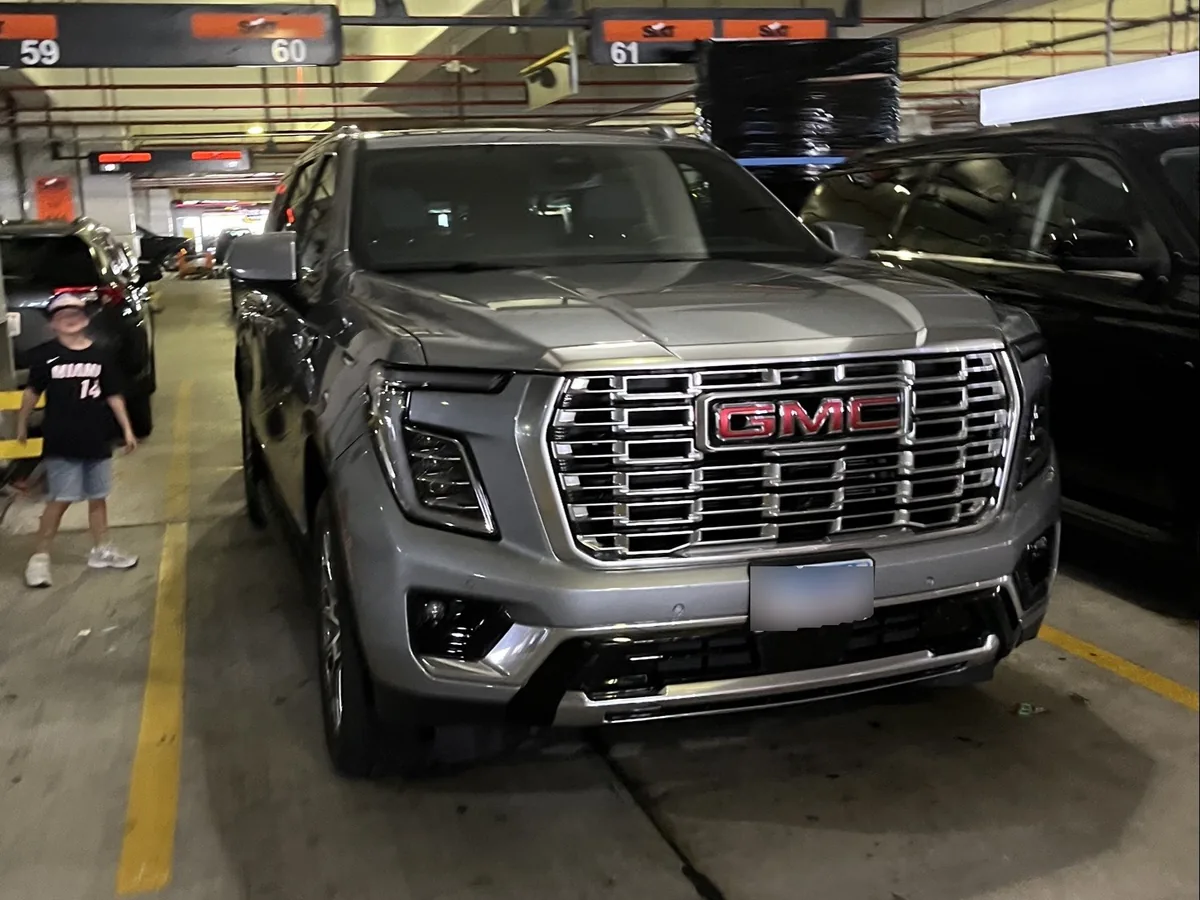
Yukon
GMC overview
GMC history
GMC’s story began before the GMC name became established. Brothers Max and Morris Grabowsky created an early commercial-vehicle manufacturer in Detroit in 1900 and later developed the Rapid Motor Vehicle Company in Pontiac. General Motors acquired control of Rapid in 1909 and also became involved with Reliance. In 1911, these activities were combined within the General Motors Truck Company; the Rapid and Reliance names were subsequently replaced by GMC early in the following decade. That origin helps explain why trucks remain central to the brand’s identity. General Motors’ heritage collection includes a 1945 GMC Tanker, a 1951 Canopy Express, and a 1955 Suburban Pickup, illustrating the range of commercial and utility roles GMC vehicles have served. After earlier truck families and the C-K-Series, GMC expanded into modern vans such as the Savana and into SUVs and crossovers including the Yukon, Envoy, Acadia, and Terrain. The recent era is defined by the return of the Hummer name as an electric vehicle and by the Sierra EV, introduced as a premium battery-electric pickup.
GMC positioning
GMC is now positioned within General Motors as a truck, SUV, and commercial-vehicle brand, with a more upscale presentation than a purely work-focused marque. Sierra and Yukon sit at the traditional upper end of the range in terms of capability, space, and towing, while Acadia and Terrain address family-SUV categories. Denali is GMC’s clearest luxury marker; General Motors presents it as the peak expression of the brand’s design, equipment, and amenities. AT4 follows a different path, emphasizing off-road equipment and a more adventurous image. The Hummer EV and Sierra EV extend this strategy into electric vehicles. GMC is therefore carrying familiar themes—utility, visual presence, and trail capability—into battery-electric platforms rather than abandoning them. This premium-and-capable positioning is an editorial interpretation based on GMC’s product descriptions and the way Denali and AT4 are applied across the lineup.
Recognizing a GMC in a photo
To identify a GMC, begin with the combination of badge, body shape, and model name: Sierra pickups, Yukon and Acadia SUVs, the Terrain crossover, and the Savana van have distinctly different proportions. The grille and lighting signatures can help, but they change with each generation, trim level, and market. Denali badges identify a premium version with its own equipment and design details, while AT4 generally signals a more adventure- and off-road-oriented specification. On newer vehicles, upright bodywork, distinctive lighting patterns, and trim-specific details can help separate the Sierra EV from the Hummer EV. Older vehicles require more caution because GMC and Chevrolet have sometimes offered technically related products. For a dependable identification, check the model year, body style, wheelbase, badges, and sales market together rather than relying on one grille or emblem. These are practical identification guidelines, not a substitute for a VIN or factory record.
Important GMC models
Sierra is the clearest expression of GMC’s pickup-truck tradition, covering modern light- and heavy-duty truck generations and extending into the 2024 Sierra EV. Yukon represents the brand’s full-size family SUV and is one of GMC’s longest-running nameplates. Hummer EV is a major turning point because GMC introduced it as the brand’s first fully electric vehicle, combining high performance with a strong off-road focus. Acadia and Terrain show how GMC expanded into SUVs and crossovers designed for everyday use. The C-K-Series has particular historical importance for classic-truck enthusiasts, while Suburban reflects GMC’s long involvement with large, versatile utility vehicles. Envoy, Savana, Canyon, and Sonoma add further context by representing the compact SUV, van, and smaller pickup segments that have appeared in GMC’s history. Together, these models show a brand that moved from commercial trucks toward a broader truck-and-SUV portfolio without losing its utility-oriented foundation.
References
- GMC | GM Heritage CollectionGeneral Motors
- GMC HUMMER EV Edition 1 Pickup in Production, Ready for Customer DeliveriesGMC Newsroom
- GMC Expands EV Lineup, Offers 1st Look at Electric Sierra DenaliGMC Newsroom
- 2024 GMC Sierra EV Denali Edition 1 hits the streetsGMC Newsroom
- GMC celebrates 25 years of Denali as sales reach 2 million vehiclesGMC Newsroom
- The First Century of GMC Truck HistoryDonald E. Meyer