
21C
The Czinger 21C is an American hybrid hypercar designed and assembled in Los Angeles by Czinger Vehicles. Its layout combines a centrally mounted twin-turbocharged V8, electric motors driving the front wheels, and tandem seating, with the driver positioned centrally and the passenger seated directly behind. The car is also notable for chassis components produced through additive manufacturing and developed with Divergent Technologies’ DAPS production system. First shown publicly from 2020 onward, the 21C evolved through different aerodynamic and power configurations during its development. In 2024, it gained major visibility by winning the Timed Shootout at the Goodwood Festival of Speed with a 48.82-second run. For the 2026 model year represented here, the identified variant is the 21C Spyder. Detailed technical information specifically distinguishing that open-top version remains limited in the authoritative sources consulted.
Variants by year
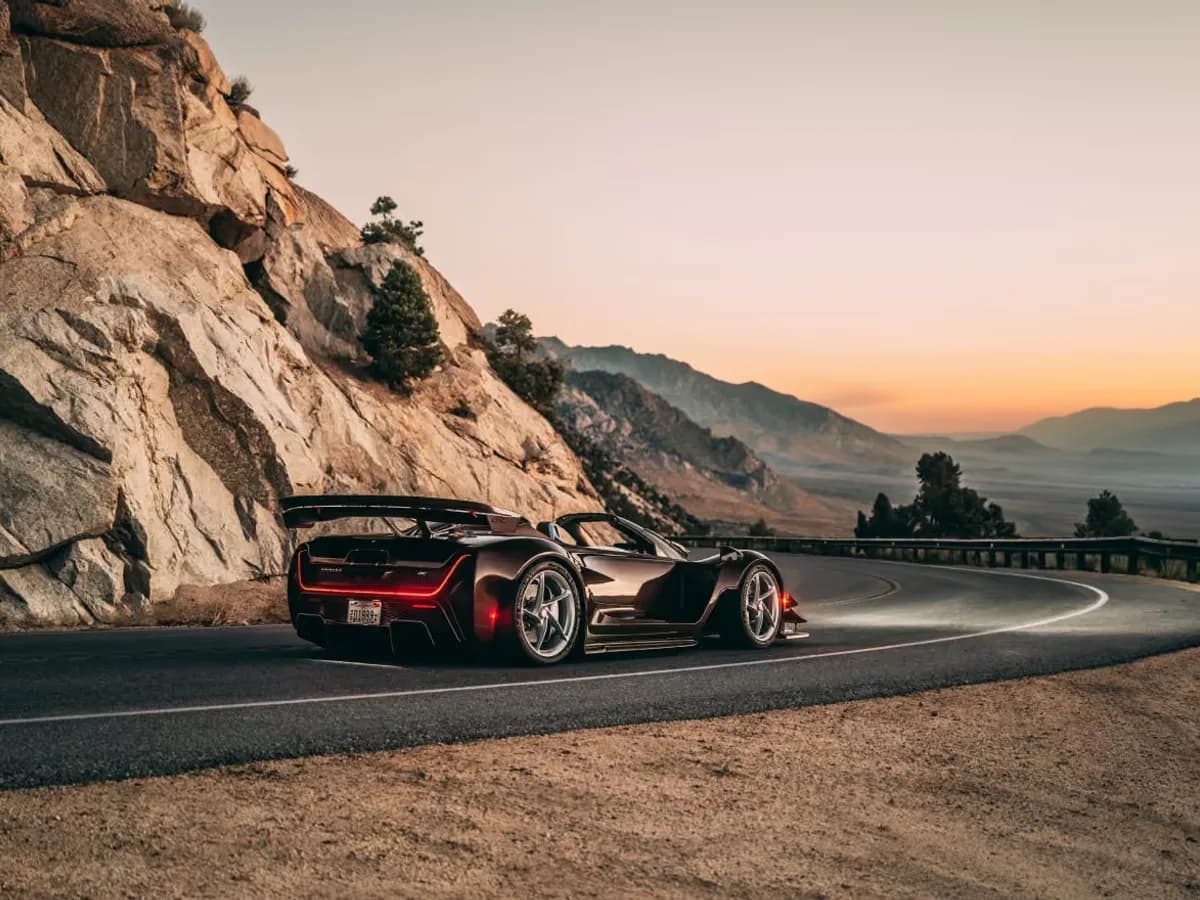
2026
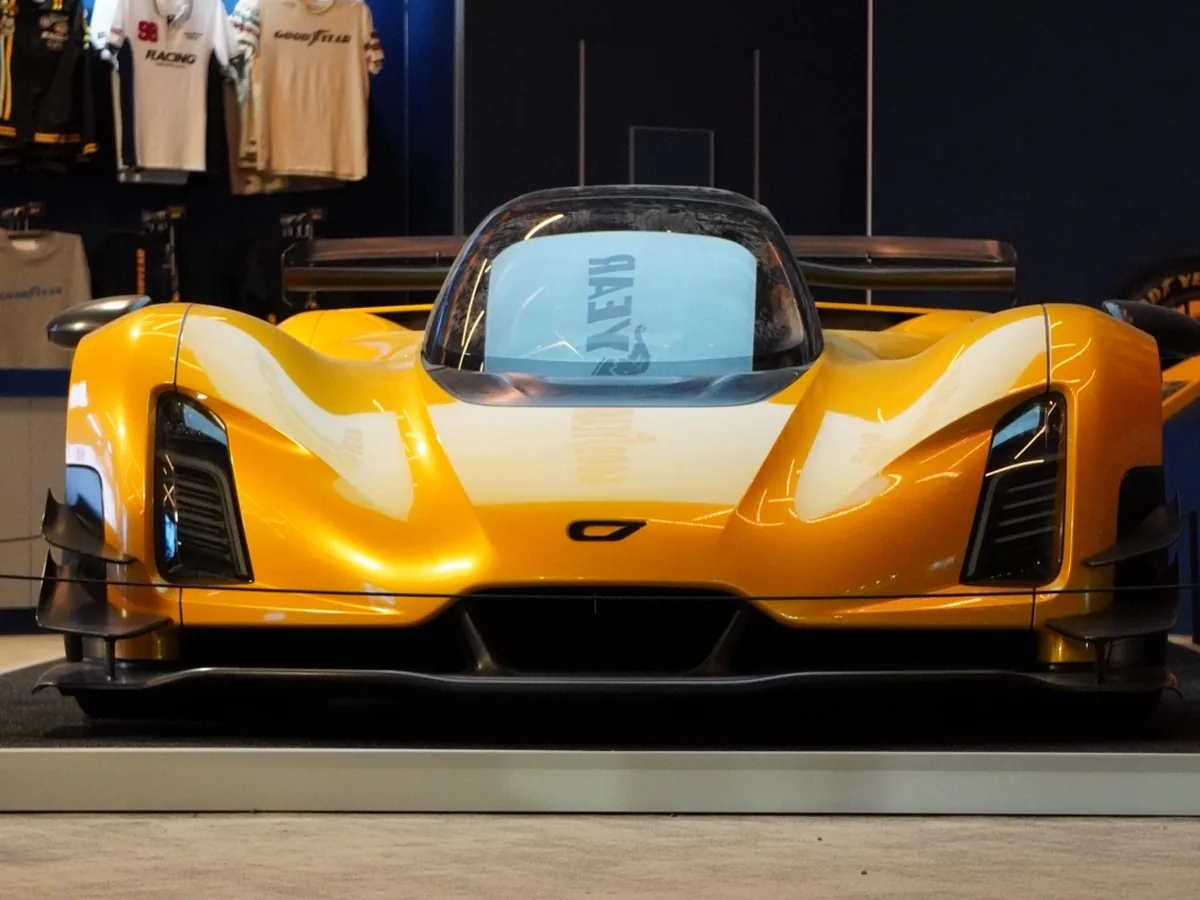
2020
Model summary
Data from the ScanRacer library, organized to compare versions quickly.
Model introduction
The Czinger 21C is an American hybrid hypercar designed and assembled in Los Angeles by Czinger Vehicles. Its layout combines a centrally mounted twin-turbocharged V8, electric motors driving the front wheels, and tandem seating, with the driver positioned centrally and the passenger seated directly behind. The car is also notable for chassis components produced through additive manufacturing and developed with Divergent Technologies’ DAPS production system. First shown publicly from 2020 onward, the 21C evolved through different aerodynamic and power configurations during its development. In 2024, it gained major visibility by winning the Timed Shootout at the Goodwood Festival of Speed with a 48.82-second run. For the 2026 model year represented here, the identified variant is the 21C Spyder. Detailed technical information specifically distinguishing that open-top version remains limited in the authoritative sources consulted.
History
Czinger Vehicles was founded in Los Angeles in 2019 by Kevin Czinger and Lukas Czinger. The 21C is the company’s first road-going model, although its technical background reaches back to Divergent Technologies and the Blade prototype shown in 2015. That earlier project already explored a lightweight structure made from 3D-printed metal nodes and carbon-fiber tubes, together with tandem seating for the occupants. The 21C develops the same philosophy into a far more ambitious vehicle, using a carbon-fiber passenger cell, additively manufactured metal components, and a design process supported by digital tools and artificial intelligence. The first prototype appeared publicly in 2020, followed by a production-specification presentation in 2021. Czinger described a limited California production run and several aerodynamic configurations, including low-drag and high-downforce setups. In 2022, the 21C V Max was introduced as a second family variant. Published power figures have also changed according to the configuration and model year: early company material cited outputs of up to 1,350 horsepower, while recent testing of the 21C V Max lists 1,250 horsepower. Each specification should therefore be tied to a particular version rather than applied uniformly to every 21C.
Generations
The Czinger 21C does not currently show a clearly established sequence of traditional generations. Available sources instead describe one hypercar family that developed through prototypes, technical revisions, and body or aerodynamic variants. The first public concept appeared in 2020, followed by a production-specification presentation in 2021. Even at that stage, the car used a 2.9-liter twin-turbocharged V8, a seven-speed sequential transmission, and two electric motors mounted at the front. A track-focused configuration was subsequently described with more substantial aerodynamic devices and different mass and downforce targets. The 21C V Max, introduced in 2022, represents a lower-drag, higher-top-speed direction, distinct from the High Downforce configuration designed to prioritize cornering performance. Recent testing of the V Max describes a 1,250-horsepower hybrid system combining a 750-horsepower V8 with two electric motors. The 21C Spyder appears as a model-year 2026 variant in the supplied catalog, but the accessible manufacturer sources do not yet provide enough verified information to define its roof design, weight, or aerodynamic differences precisely. It is therefore more accurate to discuss 21C variants than to assign unsupported generation numbers.
Key differences
Differences between 21C versions should be treated cautiously because Czinger has published several power and performance figures over time. The High Downforce configuration is identified by more extensive aerodynamic hardware and is primarily intended to maximize circuit efficiency. The V Max follows a lower-drag approach, with a longer body and a claimed top speed higher than that of the high-downforce configuration. Historical figures of 1,350 horsepower and 1,250 horsepower therefore do not necessarily describe the same powertrain calibration. Recent V Max testing lists a 750-horsepower twin-turbocharged V8, two electric motors, and a combined output of 1,250 horsepower. The Spyder, identified for the 2026 model year in the supplied catalog, should be treated as a separate variant, but its defining specifications are not yet sufficiently documented by top-tier sources. It would be unsafe to assign a specific output, weight, transmission, or aerodynamic package to the Spyder without a manufacturer technical sheet. The safest editorial distinction is between confirmed family concepts and version-specific claims.
Photo recognition
The 21C can first be recognized by its extremely low body, fighter-aircraft-like canopy, and tandem 1+1 seating layout. The driver sits centrally, with the passenger directly behind, a feature visible through the broad canopy and butterfly doors. The body has pronounced rear shoulders, sculpted air intakes, and a narrow rear light signature integrated into a tightly drawn tail. High-downforce cars may carry substantial aerodynamic hardware, including front canards, vertical elements, and a manually adjustable rear wing. The V Max follows a lower-drag theme and can be identified by its longer-tail treatment. When body panels are open or removed, the combination of printed metal nodes and carbon-fiber tubes is an important clue to Czinger’s structural technology. Color alone is not a reliable identifier, and neither is a single horsepower figure: prototypes, display cars, and production specifications changed during development. Visual identification should therefore combine the seating arrangement, canopy, door design, rear bodywork, and aerodynamic package.
Important versions
The 21C family includes several documented configurations. The early production specification combined a 2.9-liter twin-turbocharged V8 with a sequential transmission and electric motors driving the front wheels. The High Downforce configuration emphasized aerodynamic load and circuit use. The 21C V Max, introduced in 2022, adopted a Low Drag direction focused on top speed; recent testing lists 1,250 horsepower and a claimed 253-mph maximum speed. For the 2026 model year, the variant identified in the supplied catalog is the Spyder. However, the available public evidence does not yet confirm its exact power output, weight, roof system, or aerodynamic changes. Those details should remain qualified until Czinger publishes a complete technical specification. The most dependable version distinctions are therefore the early production car, the High Downforce setup, the V Max, and the cataloged 2026 Spyder designation.
References
- The Czinger 21C Is So Much More Than an American-Made HypercarMotorTrend
- Here’s the production-spec Czinger 21CTop Gear
- Driven: 2025 Czinger 21C V Max, a Fighter Jet for the RoadCar and Driver
- Goin’ Nuclear: We Tested the 1,250-HP, $2.4-Million 2026 Czinger 21C and Set a RecordMotorTrend
- https://arstechnica.com/cars/2026/07/the-czinger-21c-might-be-the-wildest-car-we-drive-all-year/arstechnica.com
- https://www.motortrend.com/reviews/2025-czinger-21c-hot-lap-state-of-american-performancemotortrend.com
- https://www.motortrend.com/news/2021-czinger-21c-hypercar-first-look-review-details-photos-pricemotortrend.com
Frequently asked questions
- What years was the Czinger 21C produced?
- ScanRacer's referenced versions cover 2020 - 2026.
- How many Czinger 21C examples are documented on ScanRacer?
- 8 published scans from 2 members, with the latest photo added in September 2026.