
León
Launched in 2020, the Cupra León was the first León to carry the Cupra badge as its own performance model. Developed and built at Martorell, it uses the MQB Evo architecture and was offered in two body styles: a five-door hatchback and a Sportstourer estate. The range combined 2.0 TSI petrol engines with e-HYBRID plug-in versions, with early outputs ranging from 204 to 310 hp depending on the market and configuration. A major update arrived for 2024, bringing revised styling, upgraded equipment and new powertrains. The front end adopted Cupra’s sharper “shark-nose” design language, while the Sportstourer became available with a 333 hp petrol engine and 4Drive all-wheel drive. Cars from the 2020-2024 period should therefore be identified by body style, model year and powertrain rather than by badges alone, since equipment and engine availability varied between markets.
Variants by year
2024
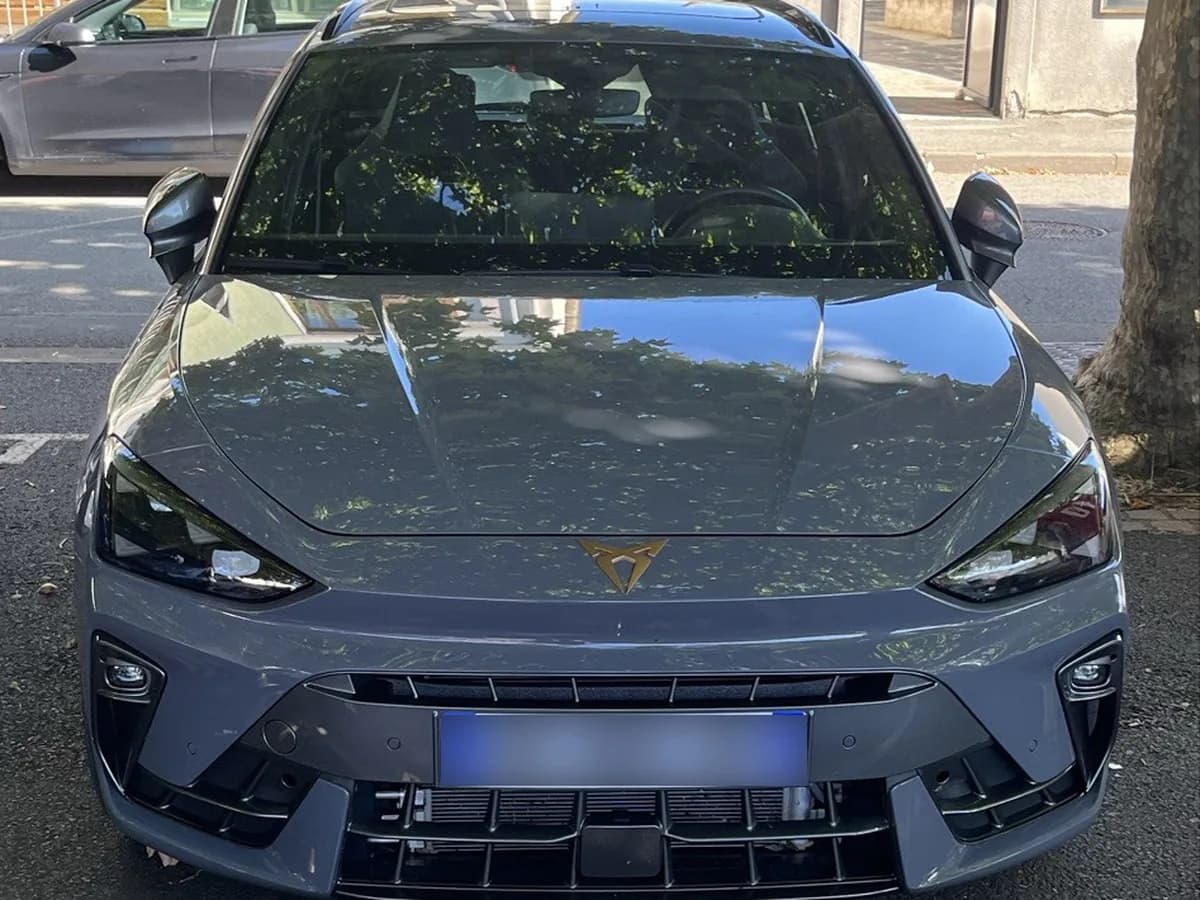 R
R2020
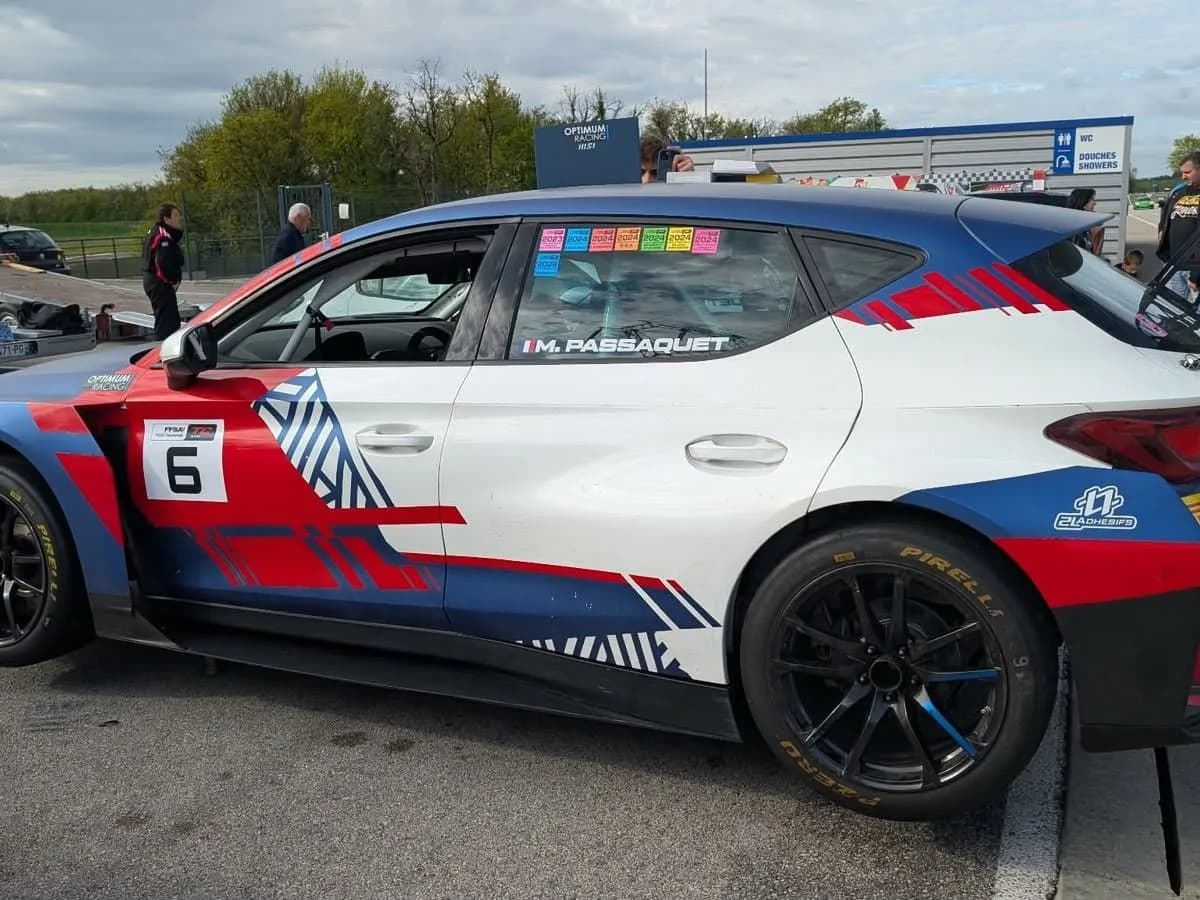 CR
CRModel summary
Data from the ScanRacer library, organized to compare versions quickly.
Model introduction
Launched in 2020, the Cupra León was the first León to carry the Cupra badge as its own performance model. Developed and built at Martorell, it uses the MQB Evo architecture and was offered in two body styles: a five-door hatchback and a Sportstourer estate. The range combined 2.0 TSI petrol engines with e-HYBRID plug-in versions, with early outputs ranging from 204 to 310 hp depending on the market and configuration. A major update arrived for 2024, bringing revised styling, upgraded equipment and new powertrains. The front end adopted Cupra’s sharper “shark-nose” design language, while the Sportstourer became available with a 333 hp petrol engine and 4Drive all-wheel drive. Cars from the 2020-2024 period should therefore be identified by body style, model year and powertrain rather than by badges alone, since equipment and engine availability varied between markets.
History
The Cupra León appeared in February 2020 as the first León introduced under the Cupra brand. It followed the earlier León Cupra models derived from Seat products, but Cupra presented the new car as a more independent performance model, with dedicated exterior details, a specific interior character and a powertrain range focused on both speed and electrification. From the outset, buyers could choose between a five-door hatchback and a Sportstourer estate, allowing the model to combine sporty ambitions with greater carrying capacity. The initial range included a 245 hp plug-in hybrid and several 2.0 TSI petrol engines. In 2021, Cupra added a 204 hp e-HYBRID and confirmed 300 hp petrol power for the five-door car, alongside a 310 hp DSG-equipped Sportstourer with 4Drive all-wheel drive. That estate became the most powerful version in the original range. Exact outputs, trims and transmission combinations differed between markets, so individual cars should be checked against their regional specifications. For 2024, the León received a substantial update rather than a simple equipment revision. Cupra redesigned the front end, upgraded the lighting and infotainment systems, and introduced a new generation of plug-in hybrid technology. The Sportstourer VZ could now use a 333 hp 2.0 TSI with Torque Splitter technology, while the new e-HYBRID range reached 272 hp. The 2020-2024 period therefore includes both the original launch specification and a significant mid-cycle technical and visual evolution.
Generations
For the period covered here, the Cupra León is best understood as one model generation with a major 2024 update, rather than as several completely separate generations. Cars from 2020 to 2024 share the MQB Evo architecture and were sold in the same two body styles: Hatch and Sportstourer. Their basic cabin layout, proportions and model positioning therefore remain closely related across the period. The first phase began with the 2020 launch. These cars can generally be identified by a more horizontal front treatment, triangular headlamp graphics and a full-width visual connection between the rear lamps. Performance-oriented versions use Cupra’s copper accents, deeper bumpers and sport seats, while adaptive DCC chassis control was available on selected configurations. The 2024 phase introduced a substantial facelift. The grille and bumper were reshaped around Cupra’s “shark-nose” design language, the Cupra emblem was positioned higher on the bonnet and optional Matrix LED headlights gained a distinctive triangular light signature. The rear light bar incorporated an illuminated Cupra logo on updated cars. Inside, the infotainment system was revised, the central screen could grow to 12.9 inches and new materials were introduced. This should be treated as a deep facelift of the same model family, not as a wholly new generation.
Key differences
The clearest distinction is between the Hatch and Sportstourer body styles. The Hatch is the shorter five-door compact, making it easier to use in urban environments. The Sportstourer uses the same basic technical architecture but adds length, luggage capacity and greater family practicality. Cupra’s 2024 documentation lists an overall length of roughly 4.40 metres for the Hatch and 4.66 metres for the Sportstourer; boot capacity also depends on the powertrain, particularly on plug-in hybrid cars where the battery affects available space. The Sportstourer also received the most powerful configurations during this period. In 2020-2021, it was available with the 310 hp 2.0 TSI, DSG and 4Drive, while the 2024 range introduced a 333 hp VZ with all-wheel drive and Torque Splitter technology. The Hatch remained available with both performance petrol engines and plug-in hybrid systems, but the exact combinations were not identical between the two body styles. Badges such as V, VZ and e-HYBRID should therefore be read together with the model year and regional specification rather than treated as universal trim definitions.
Photo recognition
A Cupra León can first be identified by its copper triangular badge, angular body detailing and copper-coloured trim elements. The 2020-2023 cars use a distinctive front end with a low grille, pronounced air intakes and triangular headlamp graphics. At the rear, a light strip visually links the lamps on both body styles. Large wheels, prominent exhaust outlets and bucket seats may suggest a performance version, but these features also depended on optional packs and market equipment. The 2024 model is easier to separate visually from earlier cars. It has the revised “shark-nose” front, a Cupra emblem positioned on the bonnet and, where fitted, Matrix LED headlights with triangular lighting motifs. The rear light bar can include an illuminated Cupra logo. To distinguish the Hatch from the Sportstourer, look at the roofline behind the rear doors, the shape of the third side window and the longer rear overhang. An e-HYBRID badge identifies a plug-in hybrid, but it does not establish the output on its own: 204, 245 and 272 hp versions appeared at different points and in different markets.
Important versions
The most representative early versions are the 204 hp and 245 hp e-HYBRID models, offered in Hatch and Sportstourer body styles depending on the market. In the first phase, they combined a 1.4 TSI petrol engine with an electric motor and a six-speed DSG transmission. The 245 hp and 300 hp 2.0 TSI cars formed the main performance-petrol range, while the 310 hp Sportstourer with DSG and 4Drive was the flagship of the original line-up. For 2024, a new 272 hp e-HYBRID updated the plug-in range. The redesigned Sportstourer VZ became the performance leader with a 333 hp 2.0 TSI, 4Drive all-wheel drive and Torque Splitter technology. Availability of these names and specifications was market-dependent, so the badge should always be checked against the vehicle’s production year and documentation.
References
- New CUPRA Leon charges into the market with electrifying performanceCUPRA / SEAT-CUPRA Media Center
- The new CUPRA Leon arrives on the market with electrifying performanceCUPRA / SEAT-CUPRA Media Center
- CUPRA continues to electrify its range as production starts of the 204PS CUPRA Leon e-HYBRIDCUPRA / SEAT-CUPRA Media Center
- New CUPRA Leon: redesigned and enhanced to become a standalone modelCUPRA / SEAT-CUPRA Media Center
- New Leon catalogue, December 2024CUPRA
- https://www.cupra.com/en/cars/leon-sportstourercupra.com
- https://www.cupra.com/content/dam/public/cupra-website/generic/pdf/catalogue-range-cupra-leon-2024.pdfcupra.com
- https://www.cupraofficial.co.nz/content/dam/countries/nz/cupra-website/cupra-spec-sheets/my24-jan-2024-spec-sheets/Leon_ST-Spec-Sheet_MY24_0124.pdfcupraofficial.co.nz
Technical specifications
Structured data available for versions linked to this model.
| Version | Power | Torque | Top speed | Drivetrain | Fuel |
|---|---|---|---|---|---|
| — | 245 PS e-HYBRID or 245/300 PS petrol for the hatchback; 310 PS was reserved for the Sportstourer | — | — | Front-wheel drive for the hatchback versions identified in the 2020 launch material / DSG dual-clutch automatic | — |
Frequently asked questions
- What years was the Cupra León produced?
- ScanRacer's referenced versions cover 2020 - 2024.
- How many Cupra León examples are documented on ScanRacer?
- 4 published scans from 4 members, with the latest photo added in August 2026.
- What is the power output of the Cupra León?
- The sourced technical data lists 245 PS e-HYBRID or 245/300 PS petrol for the hatchback; 310 PS was reserved for the Sportstourer.