
Chrysler
Officially established on June 6, 1925, after the reorganization of Maxwell, Chrysler built its identity around American engineering, comfort, and attainable prestige. The company had already introduced its first Chrysler automobile, the Chrysler Six, in 1924, featuring a high-compression six-cylinder engine and standard four-wheel hydraulic brakes. Its history includes substantial sedans, performance-oriented coupes, more accessible family cars, and the minivans that reshaped the American family-vehicle market from 1984 onward. Chrysler’s product story moves from the aerodynamic ambition of the Airflow to the high-performance 300 models of the 1950s and 2000s, then to the family-focused Pacifica. Across those periods, the brand repeatedly combined technical experimentation with a deliberately recognizable visual character. Its model range therefore offers a useful view of changing American expectations around performance, luxury, practicality, and design.
Models from A to Z
200

300 300C
300M
Airflow
Aspen
B-70
Centura
Cirrus
Concorde
Cordoba

Crossfire
Daytona
Delta
Executive
Grand Caravan
Grand Voyager
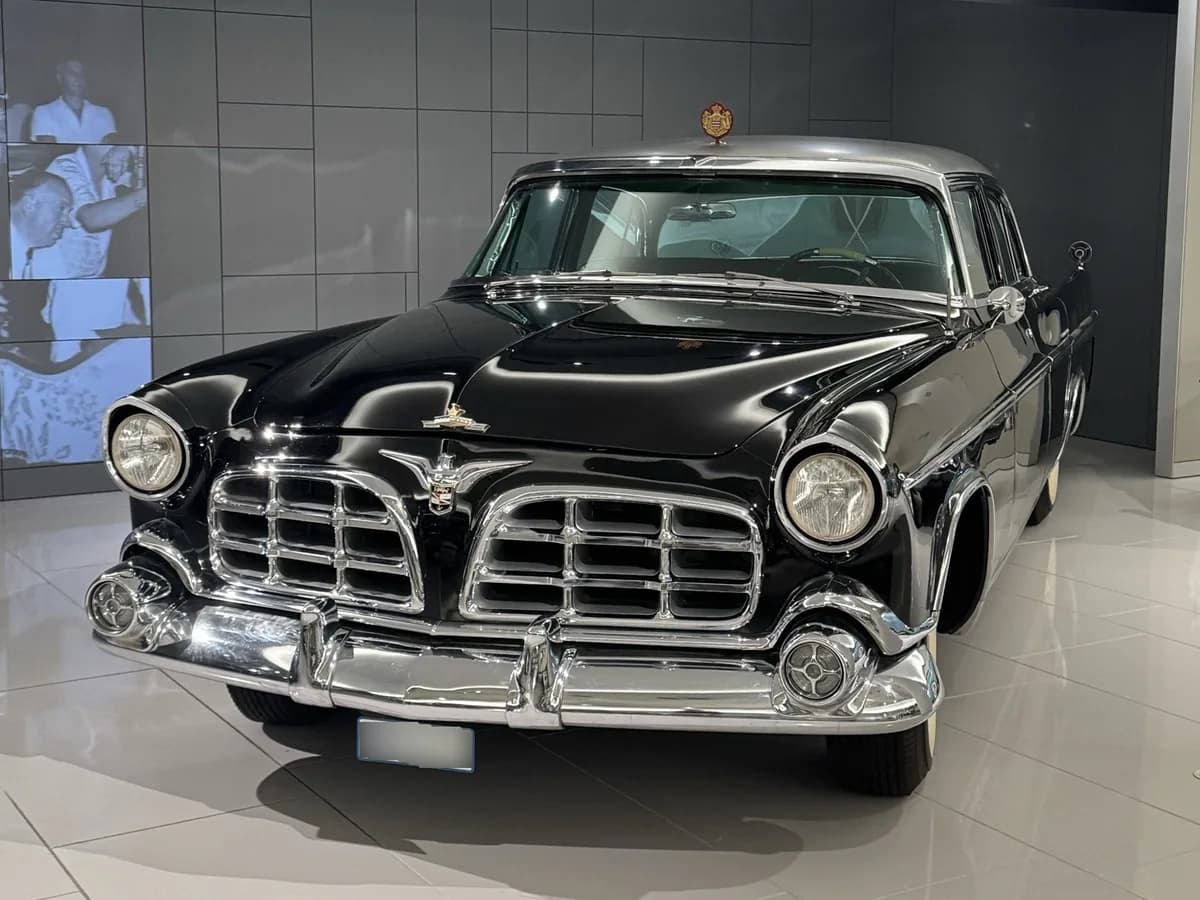
Imperial
Intrepid
LeBaron
LHS
Neon
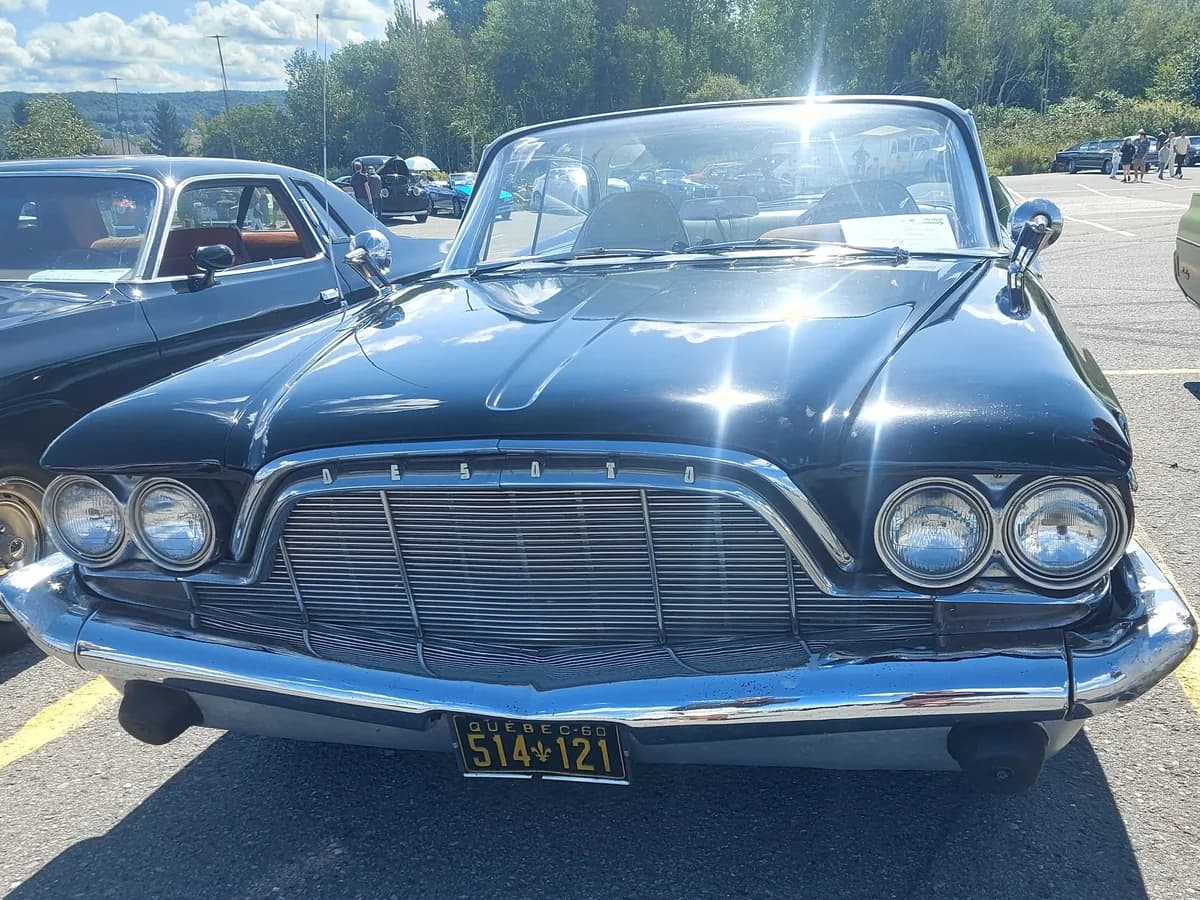
New Yorker
Pacifica
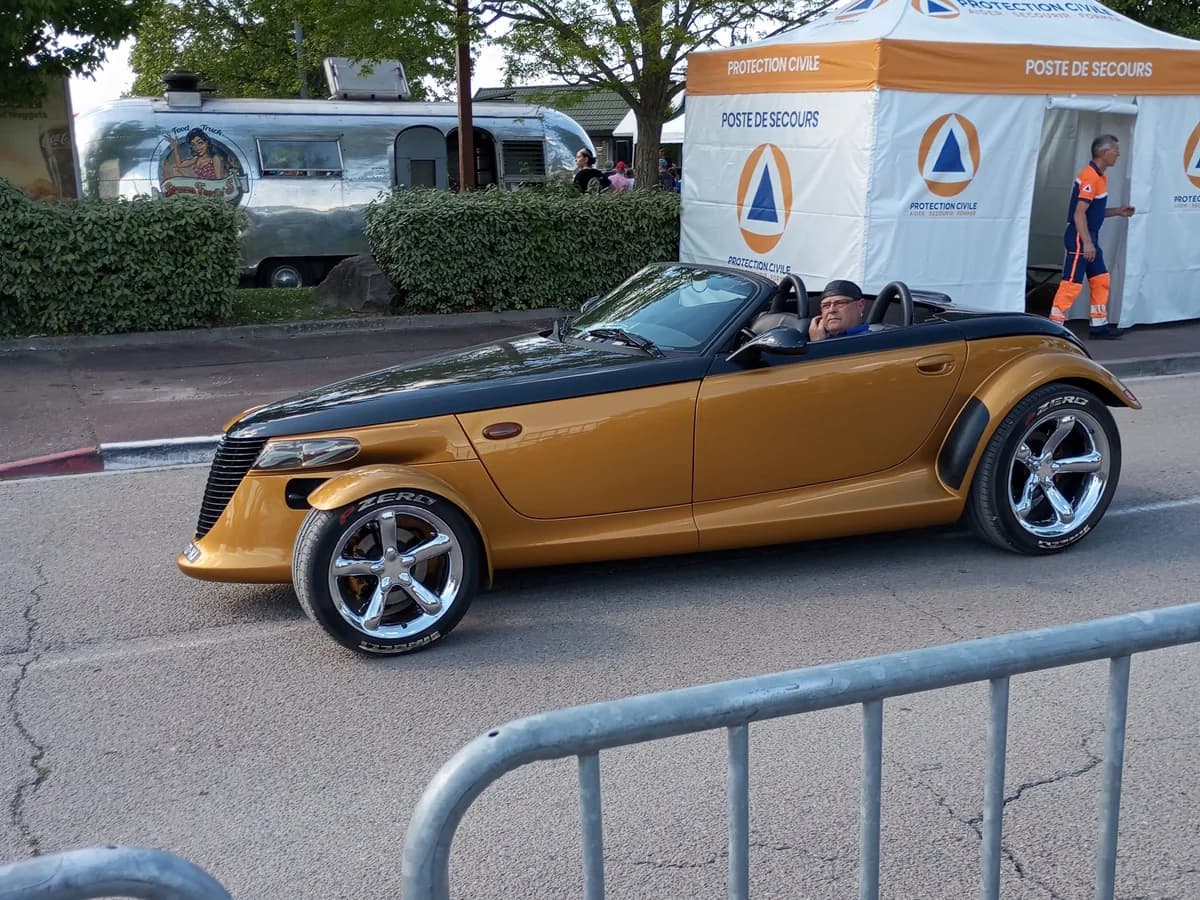
Prowler

PT Cruiser
Ram Van
Sebring
Series 72
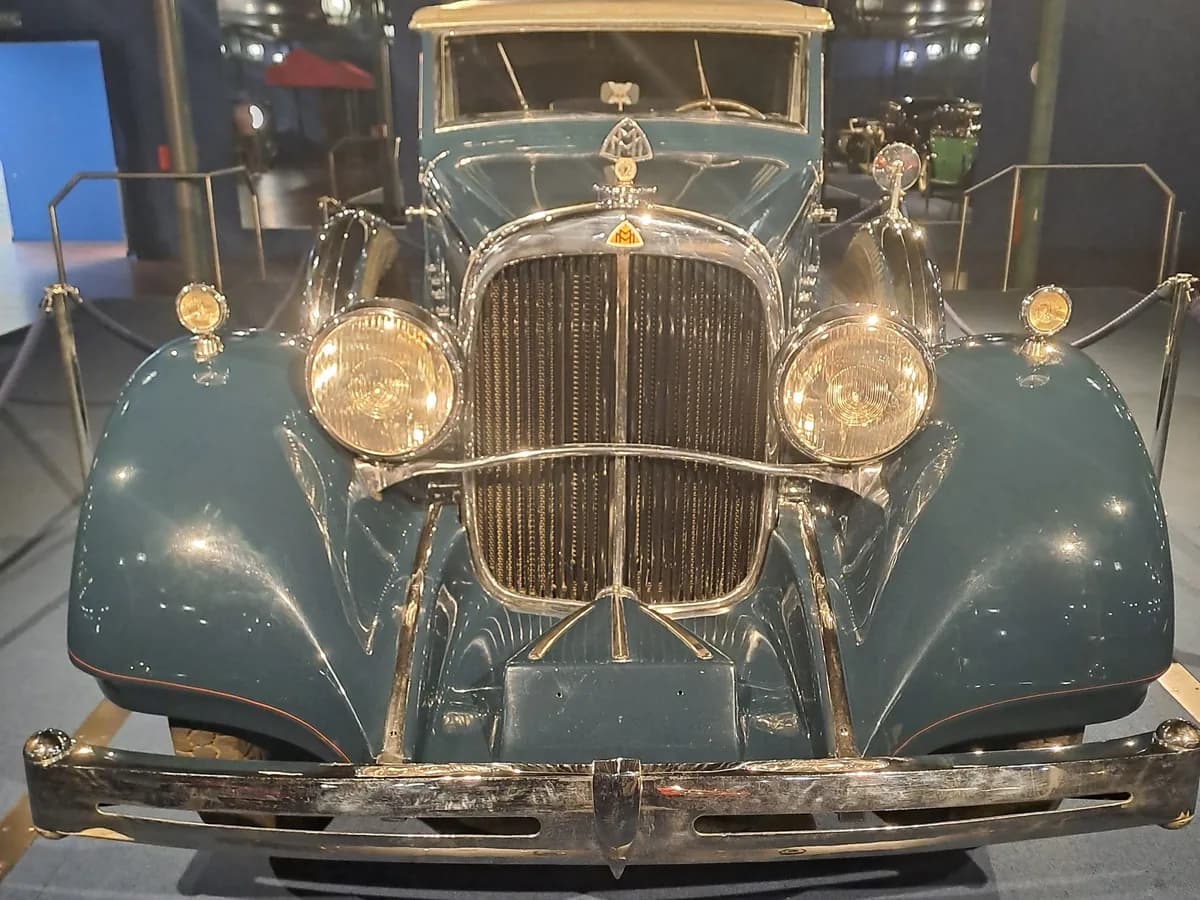
Series 75
Series 77
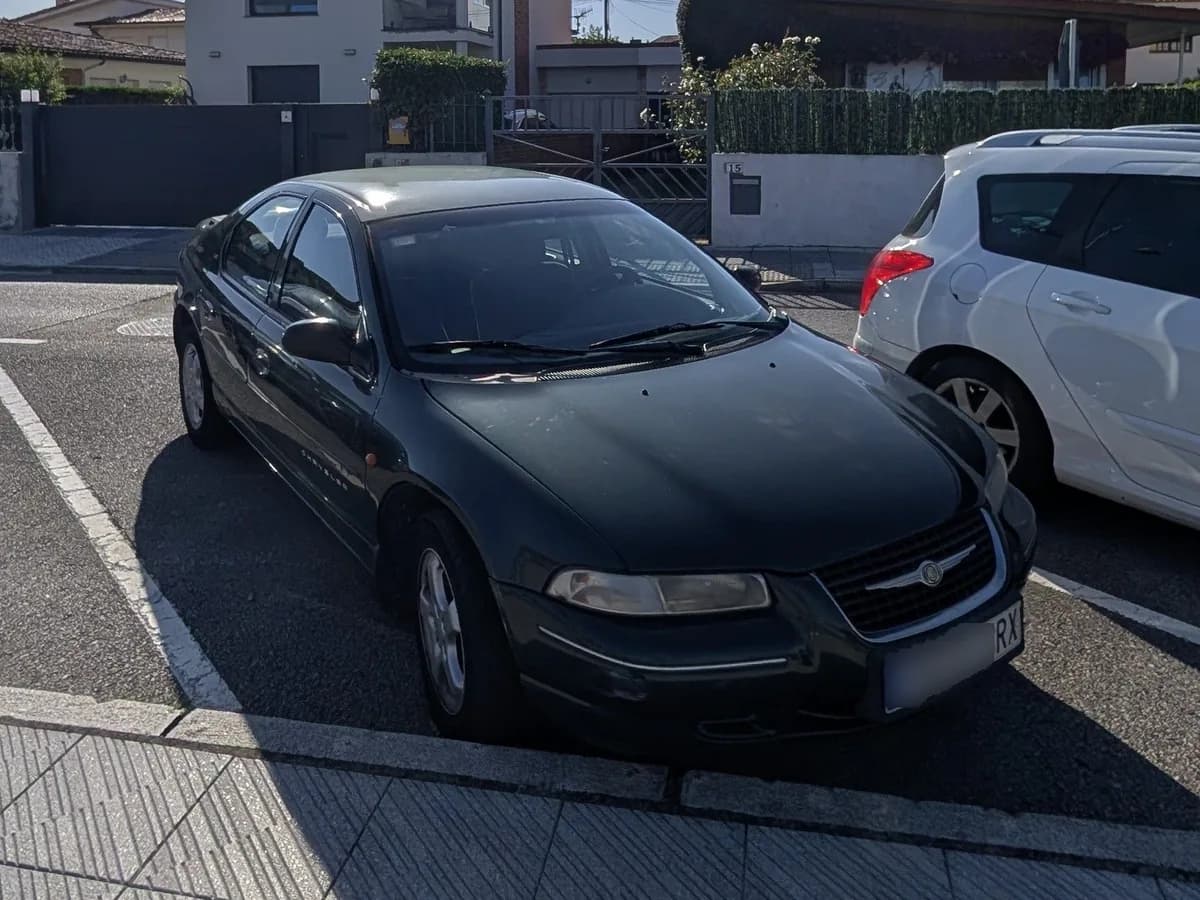
Stratus
TC by Maserati
Town & Country
Town & Country
Viper
Vision
Voyager
Windsor
Ypsilon
Chrysler overview
Chrysler history
Walter P. Chrysler took control of the struggling Maxwell-Chalmers operation in the early 1920s and introduced the Chrysler Six in 1924. The car combined several features that were unusual for a mass-market vehicle at the time, including full-pressure lubrication, replaceable filters, and standard four-wheel hydraulic brakes. On June 6, 1925, Maxwell was reorganized as the Chrysler Corporation. In 1928, Chrysler added Plymouth and DeSoto to cover different price positions and merged with Dodge Brothers, gaining manufacturing resources and a stronger dealer network. The 1934 Airflow demonstrated Chrysler’s willingness to pursue engineering-led design. Its streamlined body was developed through wind-tunnel testing and looked markedly different from conventional cars, although sales did not match the ambition of the concept. After World War II, Chrysler became associated with V8 power, torsion-bar suspension, and the 300 series, which established a durable connection between large-car comfort and performance. The 1970s brought the Cordoba and a move toward smaller Chrysler products. In the 1980s, front-wheel-drive cars and the minivans introduced for the 1984 model year helped reshape the company’s fortunes. Later decades brought the return of the 300 name, the retro-styled PT Cruiser, and the continued development of upscale family vehicles through the Town & Country and Pacifica.
Chrysler positioning
Chrysler has historically occupied a space between mainstream American vehicles and traditional luxury cars. The brand has described this approach as “affordable luxury,” emphasizing richer presentation, stronger equipment levels, and more ambitious powertrains without always matching premium-brand pricing. That position has shifted over time. The Chrysler Six and Airflow highlighted engineering; the 300 added performance and status; the Cordoba and LeBaron explored more approachable formats; and the minivans moved the brand toward comfort, space, and family versatility. The PT Cruiser introduced a strong retro-design element, while the Pacifica combined flexible seating, convenience technology, and a plug-in hybrid version. Chrysler is therefore best understood as an American comfort-oriented brand with a recognizable design and engineering character, rather than as a company tied to one body style. Its changing lineup reflects shifts in American demand for performance, personal luxury, practicality, and increasingly efficient mobility.
Recognizing a Chrysler in a photo
Identifying a Chrysler requires more than reading the winged badge: combine the vehicle’s era, body style, proportions, and design details. Chrysler products from the 1930s often show integrated bodywork and a strong aerodynamic influence, with the Airflow representing the most obvious example. The 1950s 300 models are large American performance cars with broad grilles, long proportions, and styling associated with powerful V8 engines. Cordoba and LeBaron models from the 1970s and 1980s generally have more compact proportions, formal rooflines, and an emphasis on personal comfort. Chrysler sedans from the 1990s and 2000s use smoother, more rounded forms, while the modern 300 is recognizable by its tall, squared stance and upright grille. Pacifica and Town & Country minivans are distinguished by sliding side doors, three-row interiors, and family-oriented packaging. Grille patterns, tail lamps, trim names, and badges can change between model years and markets, so identification should be matched to the correct generation.
Important Chrysler models
The Chrysler Six is the brand’s historical starting point and expresses its original goal: delivering advanced engineering in a comparatively accessible automobile. The Airflow remains Chrysler’s most recognizable design experiment of the 1930s. The 300 series, introduced in 1955 and revived in the early 2000s, provides the clearest link between American luxury, V8 performance, and bold styling. The Cordoba played a major role in the 1970s by offering a smaller personal coupe with a formal character. LeBaron extended that comfort-focused approach across several body styles, including a convertible that became especially notable in the 1980s. The PT Cruiser brought retro-inspired design to the center of Chrysler’s identity around the turn of the century. Pacifica and Town & Country represent the brand’s long-term strength in spacious, technology-rich family vehicles. Neon, Sebring, Cirrus, Stratus, and Crossfire broaden the story through compact cars, midsize sedans, convertibles, and products with a more international or specialized character.
References
- Chrysler History - A TimelineChrysler
- Chrysler CorporationDetroit Historical Society
- 1935 Chrysler AirflowSmithsonian Institution
- The Airplane and Streamlined DesignSmithsonian National Air and Space Museum
- 35 Years of the Chrysler Minivan's Family-Hauling HistoryCar and Driver
- Chrysler 300 - Discontinued Chrysler VehiclesChrysler