Brabus Bodo 2026
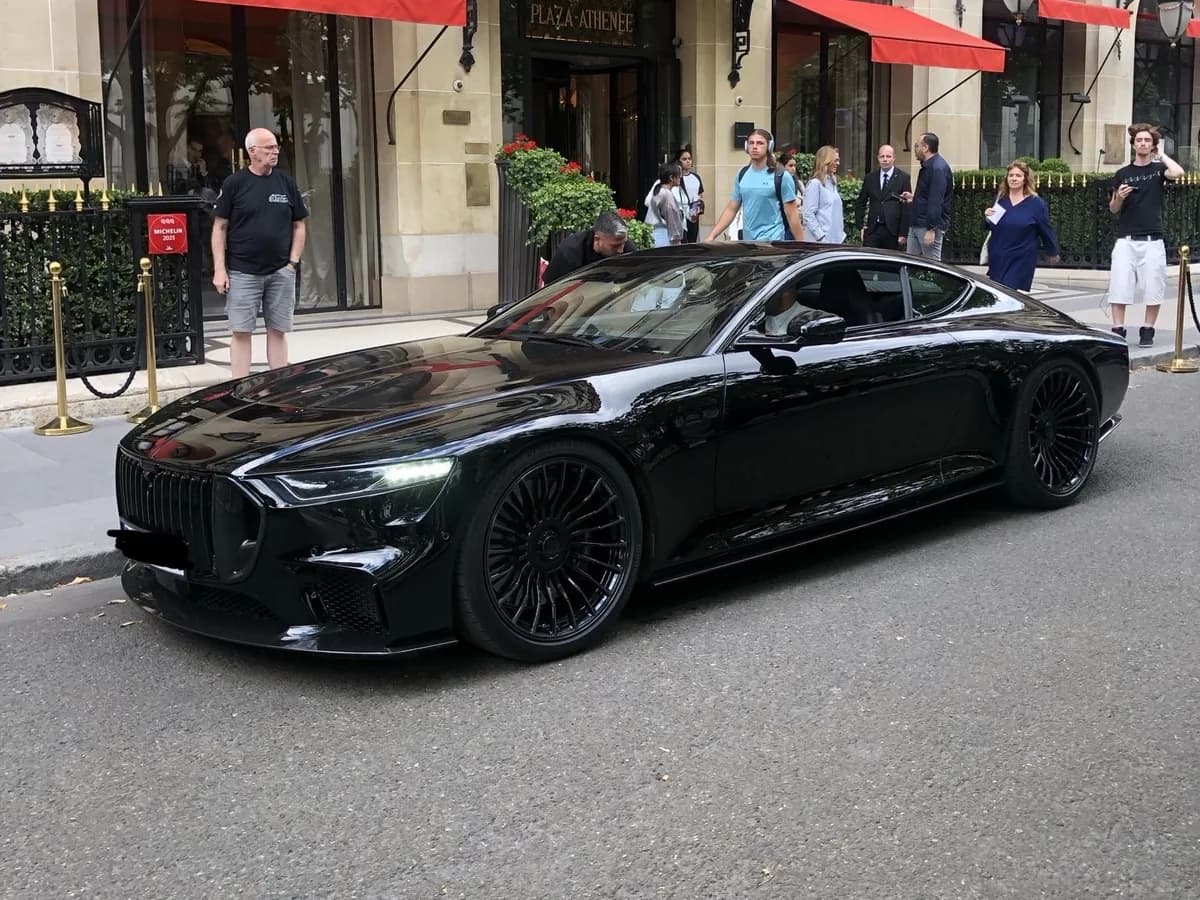
The 2026 Brabus Bodo is a 2+2 grand touring coupe powered by a 5.2-liter twin-turbocharged V12 rated at 1,000 hp. Its design combines a very low silhouette with extensive carbon-fiber bodywork and distinctive Brabus details, including a 13-slat grille, matrix LED headlights, and an active rear spoiler. An eight-speed automatic transmission sends power to the rear wheels. Brabus claims a 0-100 km/h time of 3.0 seconds and an electronically limited top speed of 360 km/h. The Bodo name honors Bodo Buschmann, the company’s founder. Official material identifies the vehicle simply as the BRABUS BODO and does not document a separate trim officially called “Base.”
Curious about this car?
Explore Bodo, then try your own photo.
No account needed for the result · Publish only if you choose
History
The Brabus Bodo was unveiled in May 2026 during FuoriConcorso on the shores of Lake Como. The project is presented as the fulfillment of an idea associated with Bodo Buschmann: a large grand touring coupe combining long-distance comfort, strong visual presence, and exceptional performance. Buschmann founded Brabus in Bottrop in 1977 and died in 2018. The car occupies a distinctive position in the company’s history because it is not simply an exterior conversion of a Mercedes-Benz model. Established automotive publications report that its technical foundation is related to the Aston Martin Vanquish, while Brabus developed a bespoke carbon-fiber body and extensively reworked the powertrain. The company describes the Bodo as a coachbuilt vehicle produced in small numbers at its Bottrop facilities. Inside, black leather, nubuck, carbon-fiber trim, and embroidered details reference the vehicle’s namesake and reinforce its role as a tribute rather than a conventional series model.
Latest scans
Photos added by the community for this page.
Anecdotes
The “77” emblem beneath the rear window refers to the year Brabus was founded. The Bodo name directly honors Bodo Buschmann, whose idea for a large grand touring coupe inspired the project. Brabus also states that every car receives a digital product passport integrated into a specification plate, documenting its authenticity, ownership, and vehicle configuration.
Production
Production of the Brabus Bodo is officially limited to 77 vehicles worldwide. Brabus states that annual output will range from 10 to 15 cars, indicating a deliberately gradual manufacturing process rather than conventional series production. The total recalls 1977, the year Bodo Buschmann and Klaus Brackmann established the company. Brabus presents the Bodo as a coachbuilt vehicle, with its carbon-fiber body manufactured and finished at the company’s own facilities. Public information does not yet provide a chassis-number breakdown, market allocation, or precise schedule for completion of the final examples. The limited production plan is therefore clear, while the detailed delivery program remains undisclosed.
Press reception
Early coverage of the Brabus Bodo has focused on its unusual positioning: an extremely exclusive grand tourer influenced by classic large coupes but equipped with modern power and active aerodynamics. Car and Driver highlighted the Aston Martin Vanquish-related foundation, near-1,000-hp output, and rear-wheel-drive layout. Auto Motor und Sport emphasized the carbon-fiber body, large-coupe proportions, and the tribute to Bodo Buschmann. The material currently available is primarily launch coverage rather than long-term road testing. It is therefore too early to make firm conclusions about ride quality, reliability, ownership experience, or wider customer reception. The initial response has been notable mainly for the project’s rarity and departure from Brabus’s traditional Mercedes-centered image.
Evolution
Variants
References
- BRABUS BODOBRABUS
Source principale pour la carrosserie, le moteur V12 biturbo, la puissance, la transmission, la propulsion, les performances, les équipements et la production limitée à 77 exemplaires.
- BRABUS BODO - Latest NewsBRABUS
Confirme l’hommage à Bodo Buschmann, la production annuelle annoncée, les caractéristiques du moteur, les roues arrière motrices et les détails de présentation.
- Brabus's New Bodo Coupe Concept Is Out. It's a Real Heavy HitterCar and Driver
Apporte un regard journalistique indépendant sur la base Aston Martin Vanquish, la propulsion arrière, le V12 et le positionnement du modèle.
- Brabus Bodo: Unter dieser Supercar-Hommage steckt kein BenzAuto Motor und Sport
Soutient l’origine liée à l’Aston Martin Vanquish, le format 2+2, la carrosserie en carbone et le contexte historique du modèle.
- Brabus Bodo: la GT che omaggia il fondatorealVolante
Confirme la présentation au FuoriConcorso 2026, la série de 77 exemplaires, les performances annoncées et plusieurs éléments techniques.
- https://www.brabus.com/en-nl/cars/supercars/brabus-bodo.htmlbrabus.com
Source found by OpenAI web search for this vehicle page.
- https://news.dupontregistry.com/blogs/brabus/the-brabus-bodo-is-a-1-000hp-tribute-to-bodo-buschmannnews.dupontregistry.com
Source found by OpenAI web search for this vehicle page.