
Mono
Launched in 2011, the BAC Mono is a British single-seater sports car built around a radical idea: delivering a race-car-like experience while remaining road legal. Its central driving position, open cockpit and exposed wheels immediately set it apart from conventional coupes and roadsters. The engine sits in a mid-mounted position and drives the rear wheels through a Hewland sequential gearbox. Early Monos used a Cosworth-developed naturally aspirated 2.3-liter four-cylinder engine, before the model adopted a 2.5-liter unit producing 305 bhp during the middle of the decade. In 2019, the Mono R introduced a lighter and more powerful evolution that BAC described as the model’s second generation. Its redesigned bodywork, centrally mounted lighting and graphene-enhanced carbon-fiber panels made it one of the most technically distinctive versions in the Mono family. (bac-mono.com)
Variants by year
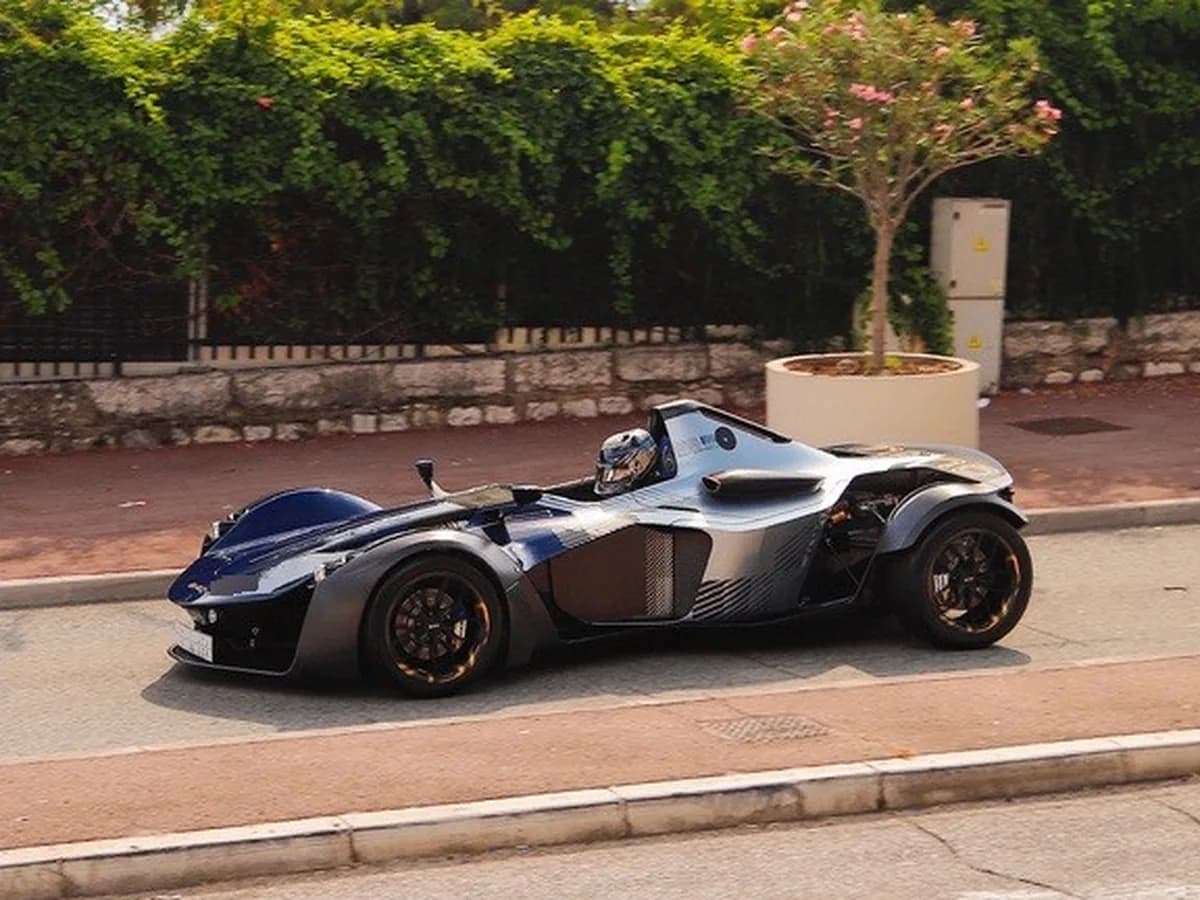
2019
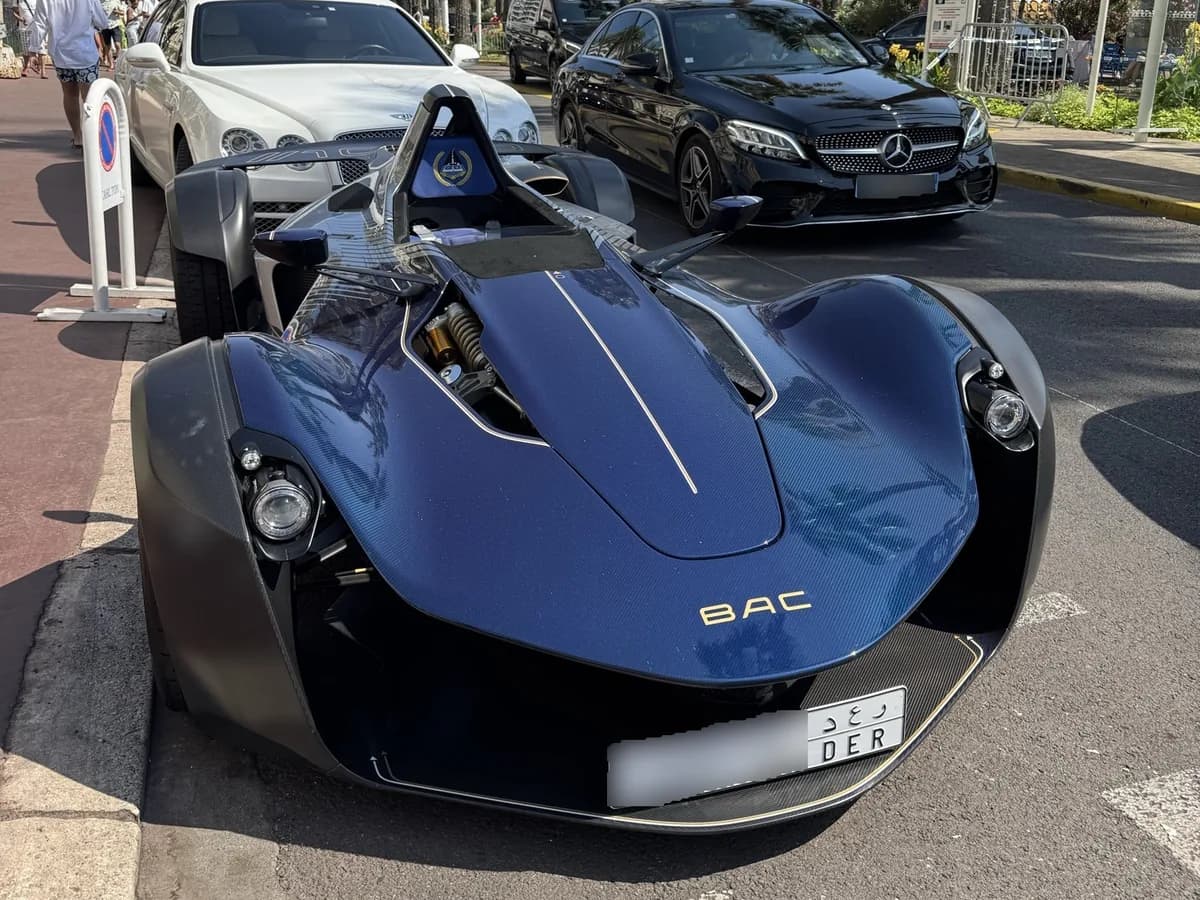
2011
Model summary
Data from the ScanRacer library, organized to compare versions quickly.
Model introduction
Launched in 2011, the BAC Mono is a British single-seater sports car built around a radical idea: delivering a race-car-like experience while remaining road legal. Its central driving position, open cockpit and exposed wheels immediately set it apart from conventional coupes and roadsters. The engine sits in a mid-mounted position and drives the rear wheels through a Hewland sequential gearbox. Early Monos used a Cosworth-developed naturally aspirated 2.3-liter four-cylinder engine, before the model adopted a 2.5-liter unit producing 305 bhp during the middle of the decade. In 2019, the Mono R introduced a lighter and more powerful evolution that BAC described as the model’s second generation. Its redesigned bodywork, centrally mounted lighting and graphene-enhanced carbon-fiber panels made it one of the most technically distinctive versions in the Mono family. (bac-mono.com)
History
The BAC Mono originated from the work of brothers Neill and Ian Briggs, who founded Briggs Automotive Company to develop a car focused exclusively on the enjoyment of driving. The model was presented in 2011 at the Retro Classics show in Stuttgart. From the outset, BAC chose a single-seat layout with the driver positioned centrally, a mid-mounted engine behind the cockpit, rear-wheel drive and pushrod suspension derived from racing practice. The aim was not to create a versatile grand tourer, but a lightweight and immersive machine suited to both road use and track days. (bac-mono.com) Early cars used a Cosworth-developed naturally aspirated 2.3-liter four-cylinder engine producing approximately 280 bhp. A significant update arrived during the middle of the 2010s, when the Mono adopted a 2.5-liter engine rated at 305 bhp. This version retained the original concept while improving performance and broadening the car’s development potential. (evo.co.uk) Unveiled at the Goodwood Festival of Speed in July 2019, the Mono R represented a more substantial technical change. BAC quoted 343 bhp, a 555-kg weight and a production run of only 30 cars. Its fully redesigned body, lightweight components and graphene-enhanced carbon-fiber panels make it a distinct development rather than a conventional trim level. (bac-mono.com)
Generations
The BAC Mono family can be understood in two broad stages, although the intermediate updates do not always correspond to officially separate generations. The first period began with the Mono launched in 2011. It was defined by an open single-seat layout, a tubular chassis, an engine mounted behind the driver and equipment closely influenced by racing cars. Early examples used a Cosworth-developed 2.3-liter four-cylinder engine producing approximately 280 bhp. (bac-mono.com) A technical evolution introduced during the middle of the 2010s replaced that engine with a naturally aspirated 2.5-liter four-cylinder producing 305 bhp. The overall concept remained unchanged, but this configuration became the main reference for the Mono produced before the Mono R. BAC’s published specifications also list a six-speed sequential gearbox, adjustable pushrod suspension and a carbon-composite body structure. (bac-mono.com) The second stage is the Mono R, unveiled in 2019 as a second-generation Mono. It received redesigned bodywork, a sharper nose, centrally mounted headlights, a single-seater-style air intake and revised aerodynamics. Its 2.5-liter engine produced 343 bhp, while weight fell to 555 kg. With only 30 cars produced, the Mono R occupies a clearly separate place within the model’s history. (bac-mono.com)
Key differences
The main difference between the early Monos and the Mono R is the extent of the redesign. The standard Mono retained the original visual concept and followed a more progressive development path: early cars used a 2.3-liter engine, while later versions adopted a 2.5-liter unit producing 305 bhp. The Mono R, by contrast, received completely redesigned bodywork, including a shark-nose front, centrally mounted headlights and a single-seater-style air intake. (evo.co.uk) The R is also more powerful and lighter. BAC quoted 343 bhp and 555 kg, compared with 305 bhp and approximately 580 kg for the Mono configuration published by the manufacturer. It introduced graphene-enhanced carbon-fiber body panels, additional carbon and magnesium components, and standard carbon-ceramic brakes according to contemporary reports. Exact figures and equipment may vary with model year, options and individual vehicle specification. (bac-mono.com)
Photo recognition
A BAC Mono is first identified by its unusual layout: one seat mounted on the centerline, an open cockpit, exposed wheels and a narrow body wrapped around the driver. The absence of a roof, conventional doors and a fully enclosed cabin gives it the visual character of a single-seater, while the exposed pushrod suspension and visible mechanical components reinforce that impression. (motortrend.com) To distinguish an earlier Mono from a Mono R, focus on the front end. The R has a smoother, more tapered nose, centrally mounted LED main headlights, a competition-inspired upper air intake and more sculpted side surfaces. BAC also described the car as using 44 redesigned carbon-fiber body parts, with revised front arches and a larger, more efficient rear spoiler. Windscreen or aeroscreen details, lighting, wheels and trim can still vary according to model year and customer specification. (bac-mono.com)
Important versions
The Mono launched in 2011 is the founding version. Early examples used a Cosworth-developed naturally aspirated 2.3-liter four-cylinder engine rated at approximately 280 bhp. A major update arrived in the middle of the 2010s with a naturally aspirated 2.5-liter engine producing 305 bhp, while the fundamental single-seat road-car concept remained intact. (evo.co.uk) The Mono R, introduced in 2019, is the most exclusive version from this period. It produced 343 bhp, weighed 555 kg and featured fully revised bodywork together with graphene-enhanced carbon-fiber panels. Production was limited to 30 cars. Across the 2011-2019 period, these three reference points—the original Mono, the 2.5-liter Mono and the Mono R—provide a useful way to understand the principal technical changes without assuming an undocumented trim level or market specification. (bac-mono.com)
References
- BAC History — The BAC StoryBAC
- BAC Mono Reviewevo
- Mono SpecificationBAC
- BAC Launches All-New Mono RBAC
- New BAC Mono R Is Lighter, Faster and More AdvancedAutocar
- Carbon Lighter: Under the Skin of the BAC Mono RAutocar
- 2024 BAC Mono First Look: Honing the BladeMotorTrend
- https://www.bac-mono.com/news_mono150bac-mono.com
Frequently asked questions
- What years was the BAC Mono produced?
- ScanRacer's referenced versions cover 2011 - 2019.
- How many BAC Mono examples are documented on ScanRacer?
- 4 published scans from 4 members, with the latest photo added in September 2026.