
AC
Founded in London by the Weller brothers in 1901, AC Cars built its identity around lightweight cars, sporting chassis and low-volume production. The company first became known for the three-wheeled Autocarrier before developing six-cylinder automobiles and more conventional touring cars. After the Second World War, the AC Ace and Aceca established a distinctly British interpretation of the sports roadster and coupe, with particular emphasis on low weight and balanced handling. The adaptation of the Ace to accept a Ford V8 then created the Cobra, the model that shaped AC’s international reputation more than any other. The AC 428, 3000ME and 378 GT Zagato nevertheless demonstrate that the marque’s history extends well beyond the Cobra formula, encompassing grand touring, mid-engined design and Italian coachbuilt styling.
Models from A to Z
16-80
2-Litre
3000ME
378 GT Zagato
428
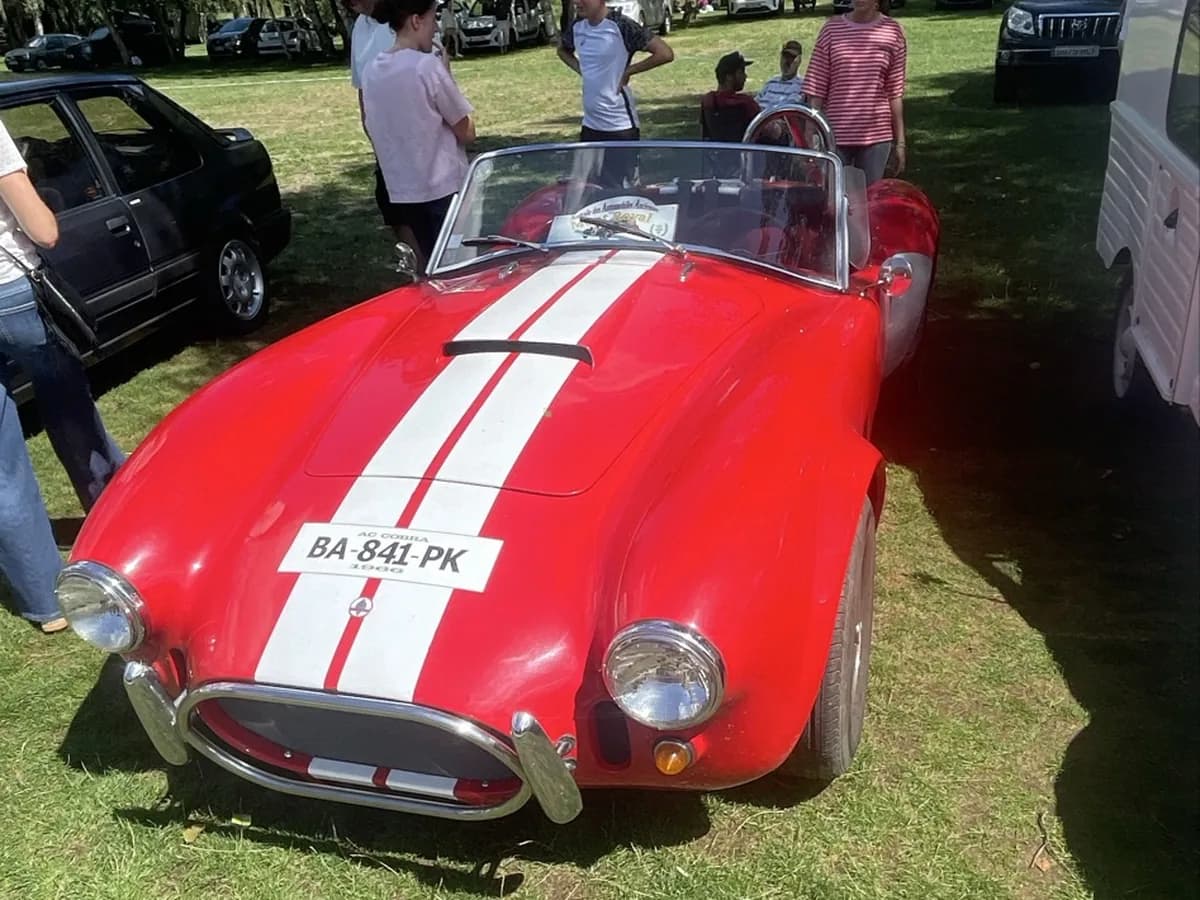
Ace
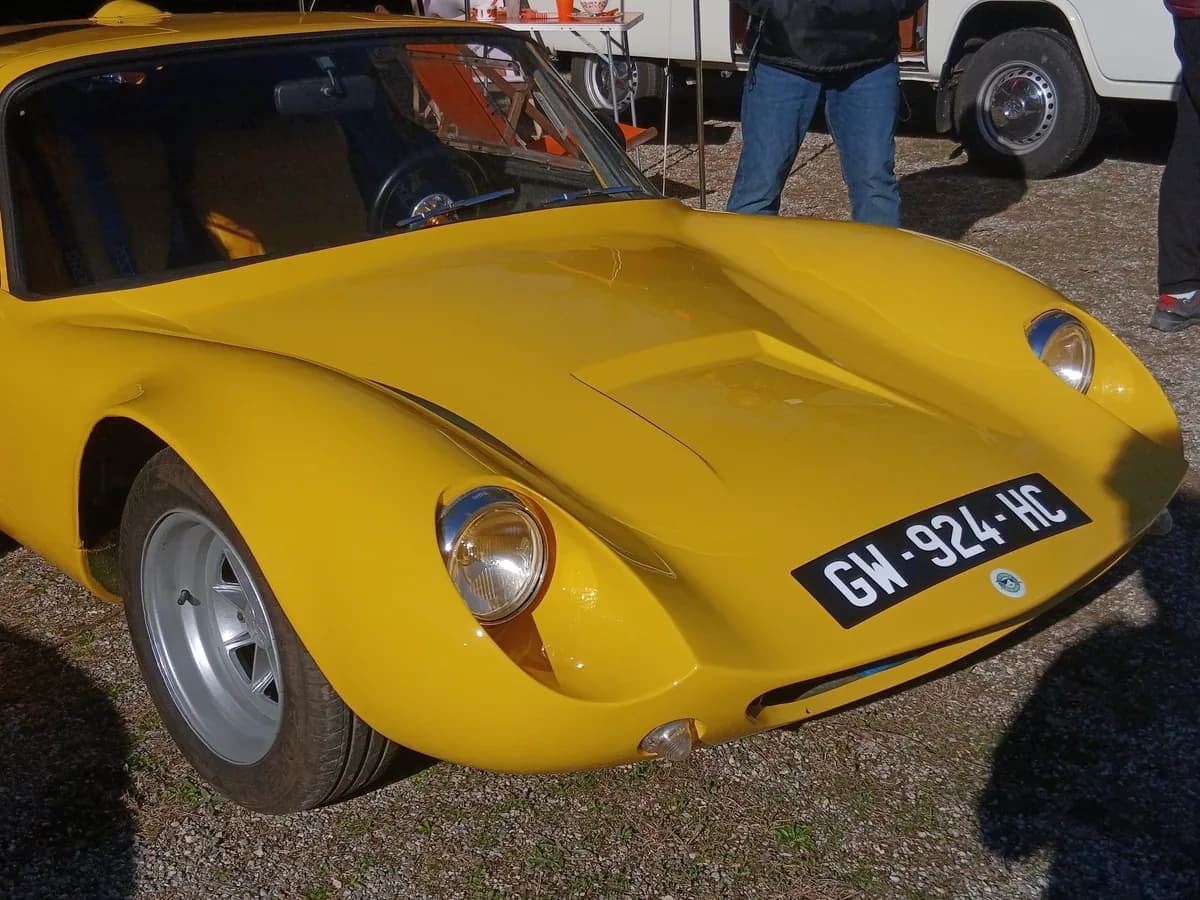
Aceca
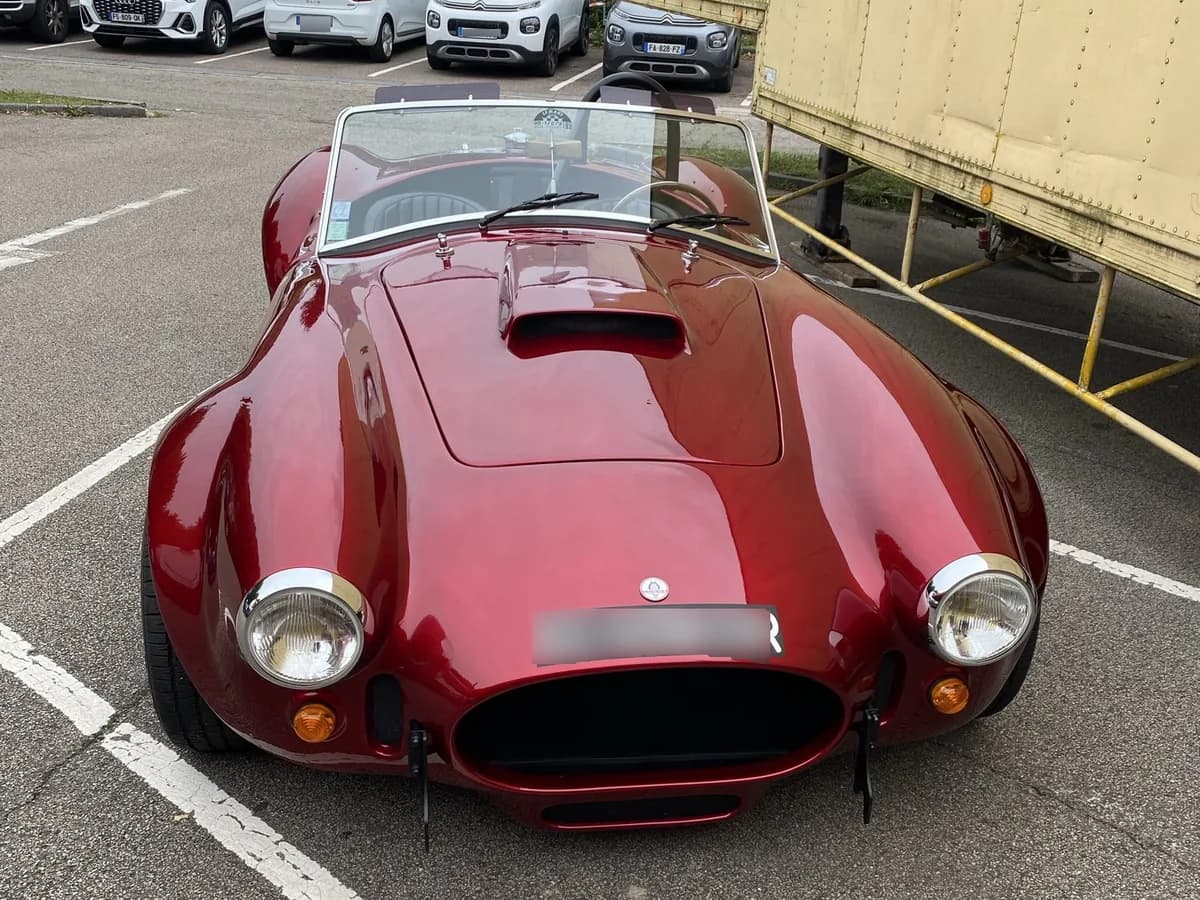
Cobra
Greyhound
Six
AC overview
AC history
AC’s story began with John and William Weller, who established their engineering and vehicle business in West Norwood, south London, in 1901. Their first car appeared under the Weller name in 1903, but the three-wheeled Autocarrier introduced in 1904 became the company’s commercial breakthrough. The AC name was later derived from Autocarrier. During the 1920s and 1930s, the company developed six-cylinder cars, touring models and short-wheelbase sporting versions, with the 16-80 representing the competition-minded side of the pre-war range. After the war, AC returned to passenger-car production with the 2-Litre and then introduced the Ace at the 1953 London Motor Show. The roadster was offered with AC, Bristol and Ford engines during its development. The Aceca, launched in 1954, used the same basic mechanical concept beneath a closed coupe body better suited to grand touring. The Greyhound prototype of 1959 reflected AC’s attempt to create a sporting four-seater. In 1962, fitting a Ford V8 to the Ace chassis produced the AC Cobra. Later, the AC 428 used Frua-designed bodywork, while the 3000ME adopted a mid-engined layout. In 2012, the AC 378 GT Zagato extended the marque’s design story through a collaboration with the Italian coachbuilder Zagato.
AC positioning
AC traditionally stood apart from Britain’s volume manufacturers. Its speciality was low-volume car building, combining evolving mechanical solutions with a high degree of craftsmanship. The 2-Litre and Greyhound pursued a more comfortable and practical role than the pure roadster, while the Ace and Aceca focused on low weight, accurate handling and grand-touring performance. The Cobra shifted the marque toward exceptionally high-performance sports cars by combining a compact British chassis with an American V8. That formula explains why the Cobra dominates AC’s public image, but it does not describe the entire range. The AC 428 represented a more luxurious grand-tourer approach, the 3000ME a technically ambitious mid-engined experiment, and the 378 GT Zagato a modern design-led interpretation produced in highly limited circumstances. AC is therefore best understood as a specialist British sports-car maker rather than a company defined solely by Cobra replicas. The distinction matters when identifying original AC models from later continuation and replica cars.
Recognizing a AC in a photo
Identifying an AC requires examining the body, proportions and mechanical layout rather than relying on the badge alone. The Ace is a compact two-seat roadster with rounded wings, while the Aceca has a related appearance but a fixed roof and rear hatch, an unusual combination for its period. The Greyhound is longer and more spacious, presenting itself as a four-seat sporting saloon. The 428 is recognisable by its Frua-designed grand-touring body, offered in convertible and fastback forms. The Cobra has a very low open body, pronounced fenders, a broad grille and, on many versions, side exhaust pipes, but these features have been copied extensively. Chassis numbers, identification plates, period documentation and mechanical consistency are therefore essential when establishing authenticity. The 3000ME is distinguished by its mid-mounted engine and compact fixed-roof shape. The 378 GT Zagato uses a much more modern design language and Zagato bodywork, making it visually separate from the classic Ace and Cobra family. Model names alone should not be treated as proof of originality.
Important AC models
The Ace is the key model in AC’s modern history. Introduced in 1953, this lightweight roadster provided the technical foundation for the Cobra. The Aceca, launched the following year, was its coupe counterpart and added stronger grand-touring credentials. The 2-Litre represents AC’s return to passenger-car production after the war, while the Six reflects the six-cylinder tradition that shaped the marque before 1940. The Cobra is naturally the best-known model. Its significance comes from the combination of the Ace chassis, Carroll Shelby’s development work and Ford V8 power, reinforced by important competition results. The Greyhound offered a rarer four-seat alternative. The AC 428 expanded the range toward luxurious grand touring with Frua-designed convertible and fastback bodies. The 3000ME demonstrated a different technical ambition through its mid-engined layout. Finally, the 378 GT Zagato, unveiled in 2012, connected AC’s heritage with contemporary bodywork created by one of Italy’s most recognised design houses. Together, these models show that AC’s catalogue was broader than the Cobra alone.
References
- History of AC CarsAC Cars
- AC 378 GT ZagatoZagato
- AC GreyhoundAC Owners’ Club
- History of AC Cars Up to World War TwoAC 2 Litre Saloon historical archive
- History of AC Cars After World War TwoAC Owners’ Club archive
- https://acaceca.com/historyacaceca.com